Are Indian cobras deaf?
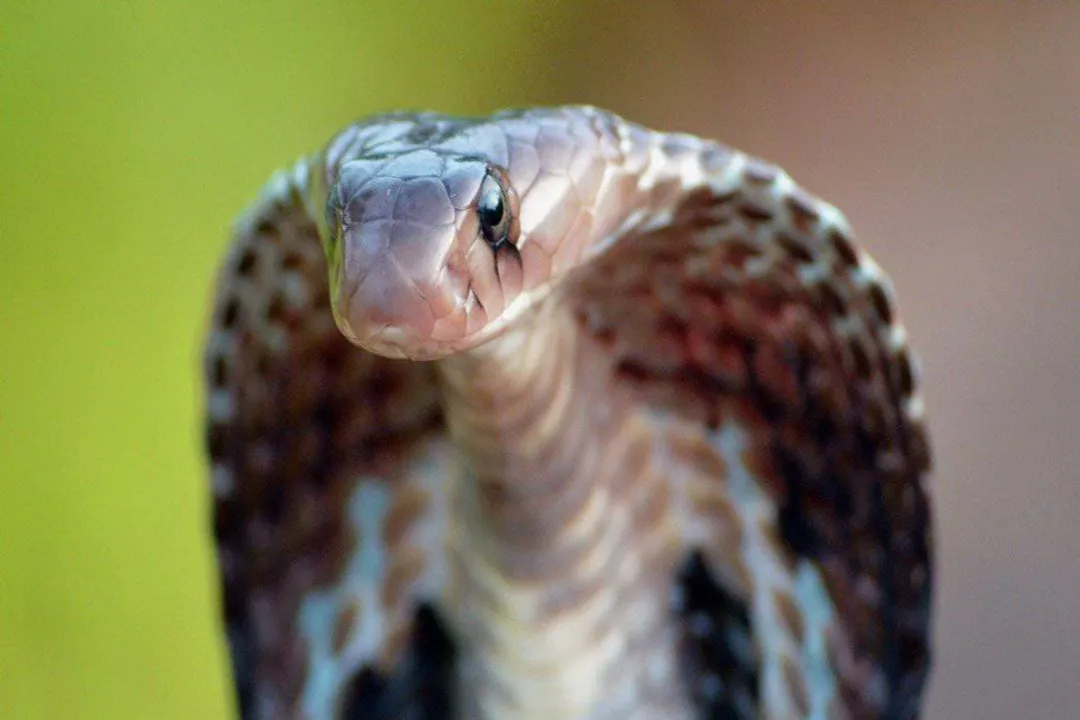
The magnificent Indian Cobra, Naja naja, commands respect not just for its imposing hood but also for the mystery surrounding how it perceives the world around it. A common query among those learning about this species involves its auditory capabilities—specifically, whether these reptiles are functionally deaf to the sounds that dominate the human experience. While they possess a distinct awareness of their surroundings, the mechanism they employ is fundamentally different from that of mammals.
# Ground Input
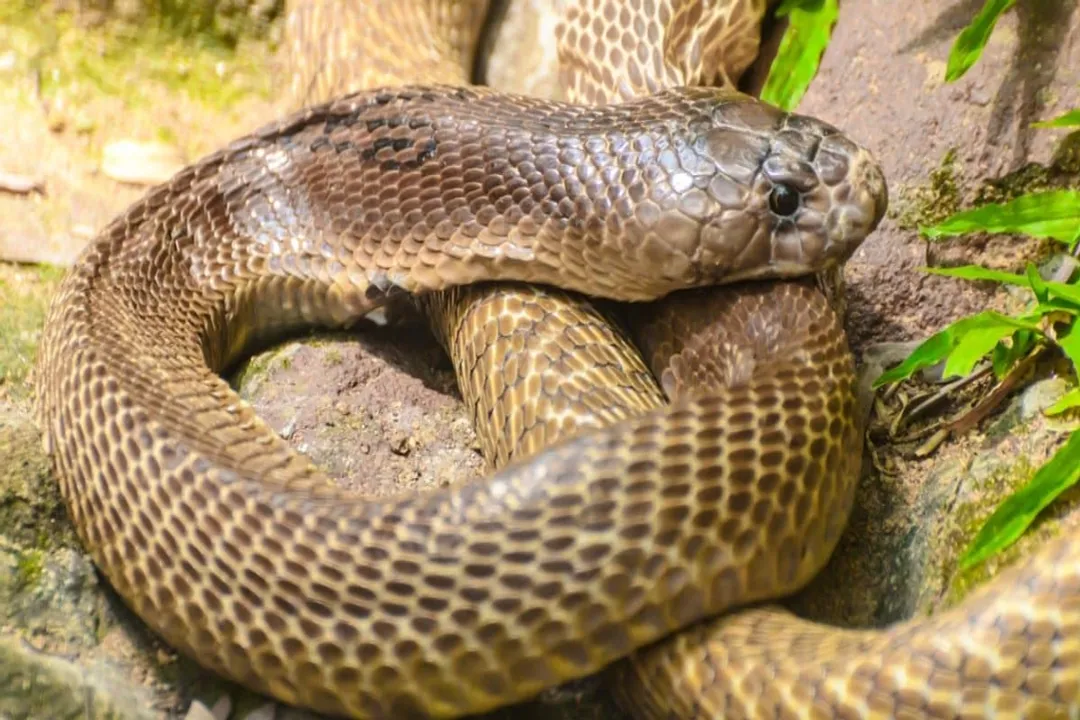
The primary way an Indian Cobra senses the movement and presence of threats or prey is not through the air but through the earth beneath it. Snakes, including the cobra, are generally unable to hear airborne sounds in the way humans or birds do. Instead, they rely heavily on detecting vibrations traveling through the substrate.
This process involves a sophisticated transfer of kinetic energy. When something moves nearby, such as a heavy footfall or the movement of prey, that energy creates vibrations in the ground. The snake presses its lower jaw and the base of its skull directly against the ground, acting as a natural receiver. These vibrations are then transmitted through the bone structure of the skull directly to the inner ear structures. It is this unique conduction pathway that allows the cobra to map its environment based on seismic input, even when visually or aromatically obscured.
# No Outer Ears
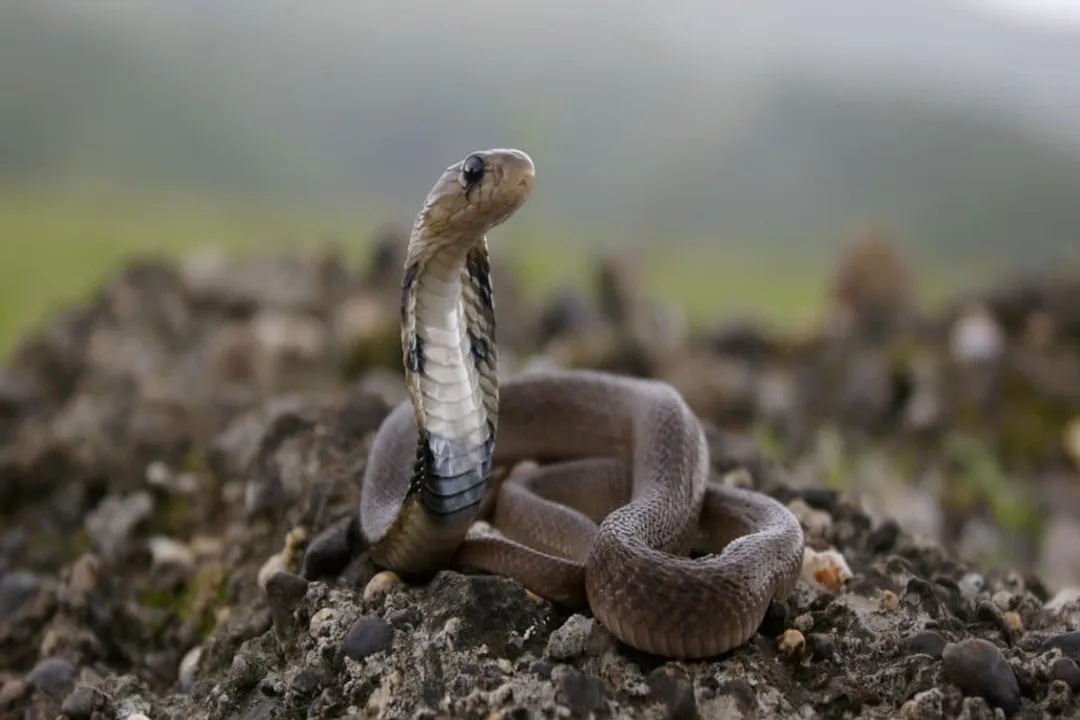
A structural feature instantly sets snakes apart regarding hearing: the absence of external ear structures. Where mammals have the obvious pinna, or outer ear flap, designed to funnel airborne sound waves into the ear canal, snakes have no such external apparatus. This anatomical reality is the physical basis for the common understanding that snakes cannot effectively process sounds waves traveling through the air. The inner ear structures are present, allowing them to perceive some sound frequencies, but they are highly tuned to the low-frequency vibrations transmitted by the ground rather than the mid-to-high frequencies carried by the air.
This difference in sensory specialization creates a fascinating scenario when considering human interaction. While a person may speak loudly near a resting cobra, the snake may remain entirely unconcerned, as those specific airborne frequencies are not effectively registered. Conversely, a heavy-footed walker approaching from fifty yards away might be detected well in advance through the subtle shaking of the soil, making the ground itself the primary alarm system.
# Charming Myth
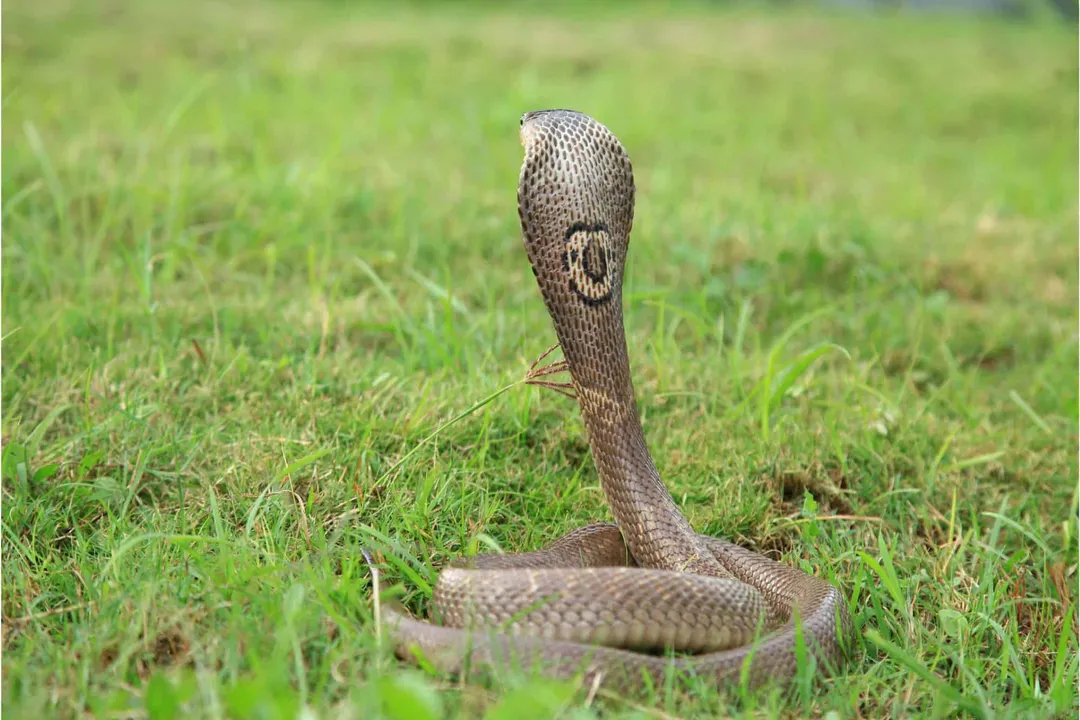
The visual spectacle of a snake charmer playing a pungi—a type of wind instrument—often leads people to believe the cobra is being lured by the music. However, scientific understanding suggests that the snake's reaction is almost entirely visual, not auditory. The cobra is responding to the movement of the flute or the charmer's body, following the swaying object with its head. They are tracking the visual stimulus, not tracking the pitch or rhythm of the melody carried on the air. If the charmer were to stand perfectly still while playing, the cobra would likely lose interest quickly, demonstrating that sight, combined with ground vibrations from the musician's movements, dictates the famous dance.
# Sensory Context
While hearing via air is largely dismissed, understanding the cobra’s reliance on vibration places its other senses into better context. For instance, visual acuity varies significantly among snake species, and the Indian Cobra’s sight is certainly a factor in identifying prey or threats, especially at closer ranges. However, their sense of smell, facilitated by their flicking, forked tongue collecting chemical particles from the environment and transferring them to the Jacobson's organ in the roof of the mouth, is arguably their most critical long-range input.
When we consider the sensory input hierarchy, the snake experiences a world dominated by chemical signatures and physical movement detected through the ground, rather than a landscape defined by complex airborne acoustic patterns. The ability to detect minute ground tremors means a cobra is acutely aware of the mass and velocity of objects moving near its habitat—a highly effective, low-energy detection system for terrestrial ambush predators.
Considering this reliance on substrate-borne waves, one might deduce that environments with very dense, soft substrates, like thick, damp humus or loose sand, might actually dampen the vibrations, potentially creating blind spots for the snake compared to dry, hard-packed earth where seismic waves travel more efficiently. The quality of the earth itself dictates the range at which the cobra can 'hear' approaching danger. Furthermore, because this vibration sensing relies on physical contact, a cobra coiled high in a tree branch, away from the main substrate, would be significantly more isolated from ground-based threats than one resting on the forest floor.
Ultimately, while the Indian Cobra is not deaf in the sense of having no auditory perception—it still possesses an inner ear capable of detecting some frequencies—it is functionally deaf to airborne sound as humans experience it. Its world is read through its jawbone, a highly specialized adaptation for sensing the subtle language of the earth.
Related Questions
#Citations
The Indian cobra is a fascinating snake known for its unique ability ...
Indian Cobra Animal Facts - Naja naja - A-Z Animals
Indian Cobra | Animals Wiki - Fandom
Indian cobra Facts for Kids
Indian Cobra - Facts, Diet, Habitat & Pictures on Animalia.bio
Snakes are deaf right? So how does this work? : r/biology - Reddit
Indian cobra - Students | Britannica Kids | Homework Help
Cobras in Sri Lanka Hearing Sound - Watchtower ONLINE LIBRARY