Are Indian cobras aggressive?
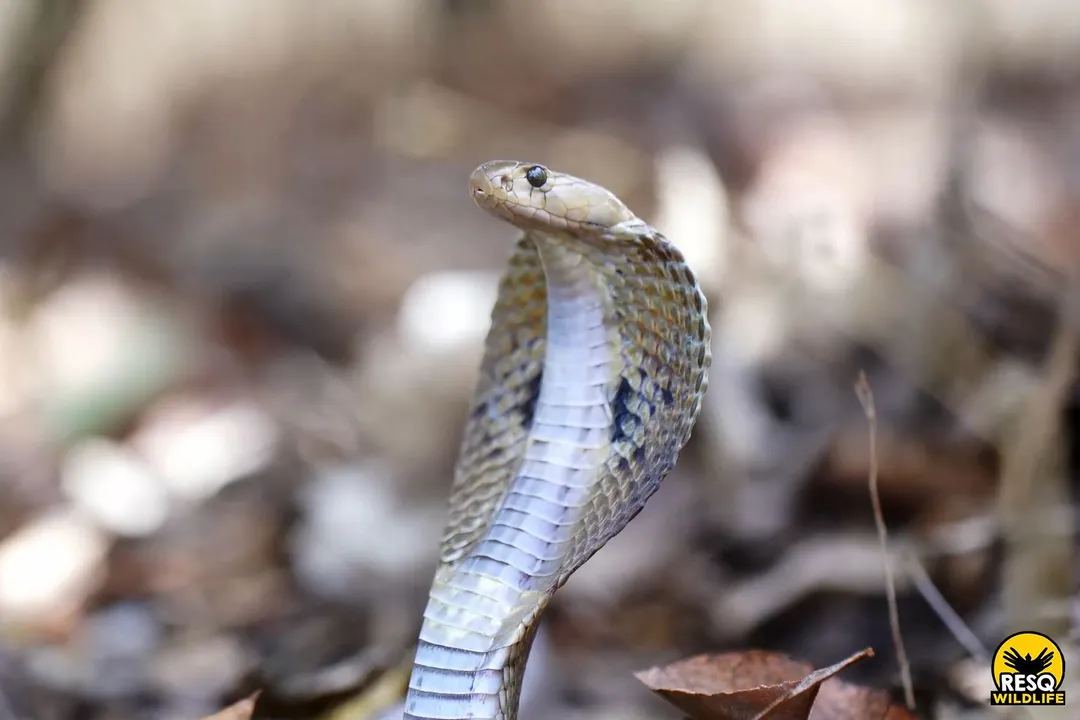
The Indian Cobra, scientifically known as Naja naja, carries a formidable reputation woven deeply into the cultural fabric of South Asia. [2] The primary query surrounding this iconic reptile often revolves around its disposition: are they inherently aggressive creatures seeking confrontation? The answer, derived from studying their natural defense mechanisms, suggests that what is often labeled as aggression is almost invariably a reaction to feeling threatened or cornered. [5][7] These snakes are generally not hunting humans; they are defending their space and their lives. [7]
# Defensive Posture
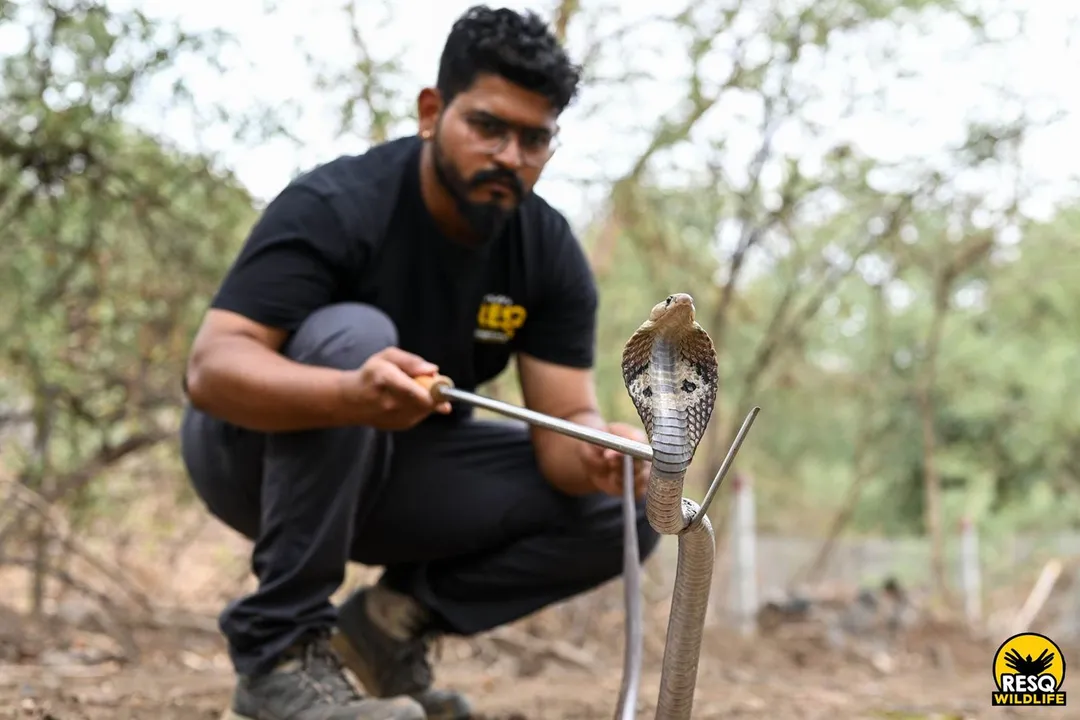
Understanding the Indian Cobra’s behavioral triggers is key to assessing its temperament. When an individual, whether human or animal, approaches too closely or makes a sudden move near a resting or foraging cobra, the snake initiates a sequence of warnings. [5] First, it will likely assume its upright, defensive posture, raising the anterior third of its body off the ground. [5] This is followed by the dramatic spreading of the hood, a clear, visual signal that the snake perceives danger and is ready to strike if the provocation continues. [5][7]
This display serves two purposes: it makes the snake appear larger and more intimidating to deter a potential predator or threat, and it buys the snake precious seconds to assess the situation and potentially escape. [5] The striking behavior, which is what most people associate with aggression, occurs only after these initial warnings have been ignored or the snake feels immediate physical danger is imminent. [7] The narrative of the snake as simply "aggressive" often overlooks this crucial, preceding defensive signaling phase. [7]
# Venom Potency
The perception of aggression is severely amplified by the danger inherent in a defensive bite. The venom of the Indian Cobra is a complex cocktail dominated by neurotoxins. [1] A single effective bite can deliver enough venom to cause paralysis and respiratory failure, potentially leading to death within a few hours if antivenom is not administered promptly. [4] Because the consequences of an encounter are so severe, the defensive reaction itself is weighted with extreme significance. It is vital to recognize that a highly venomous animal will necessarily exhibit strong defensive behaviors when provoked, but this lethality does not equate to an unprovoked, predatory nature toward large mammals. [4]
# Shared Spaces
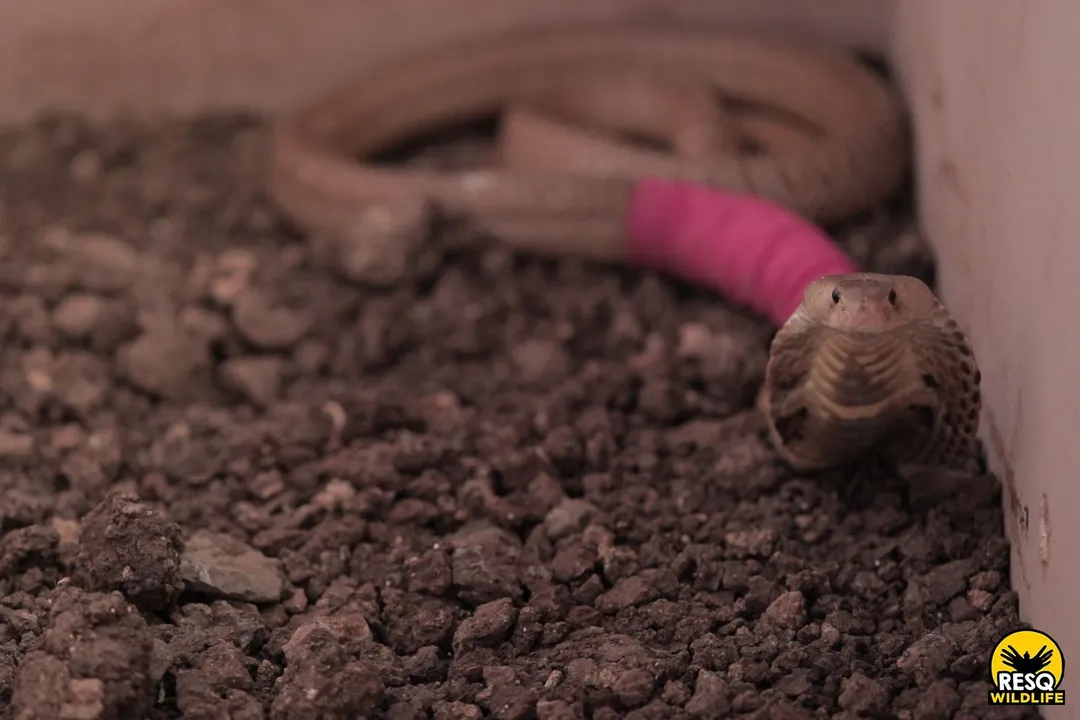
Encounters with Naja naja are frequent because their preferred habitats overlap considerably with human activity across the subcontinent. [1][2] They are adaptable, thriving in grasslands, dense forests, agricultural areas, and even around human dwellings, often taking shelter in woodpiles, under debris, or in abandoned structures. [1][7] When humans accidentally stumble upon a cobra in its chosen refuge, the snake is naturally surprised and feels trapped, leading to a rapid escalation to defensive behavior. [7] The risk factor is highest in areas where dense vegetation meets human habitation or where clutter provides ideal hiding spots for the snake near foot traffic. [1]
# Display Mechanism
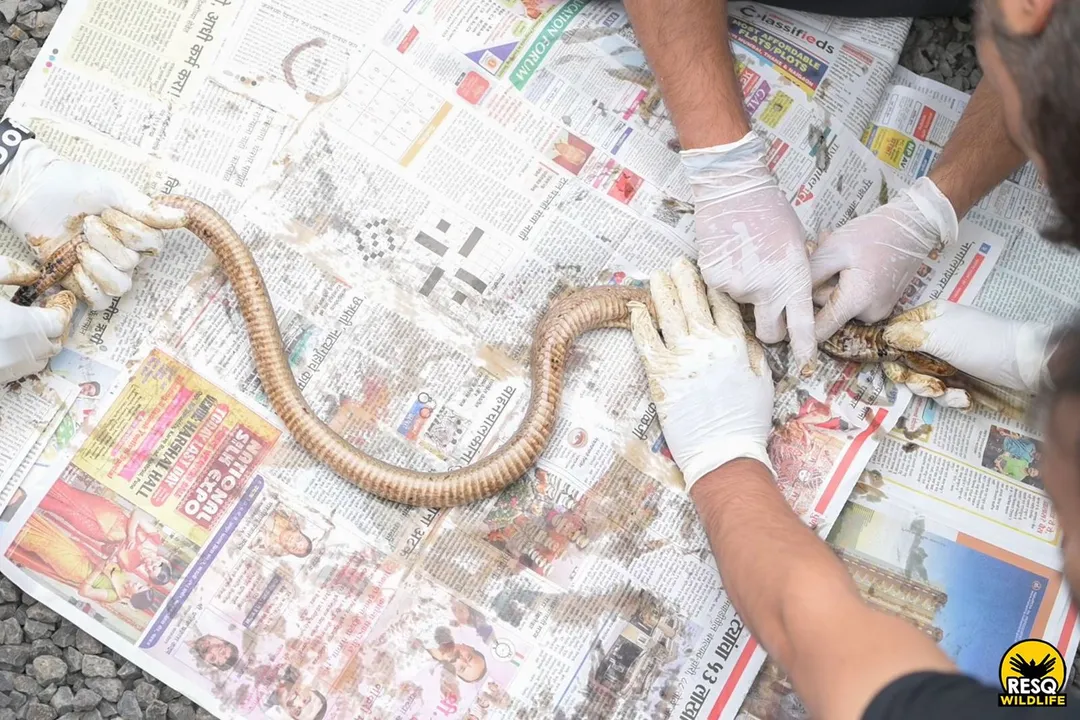
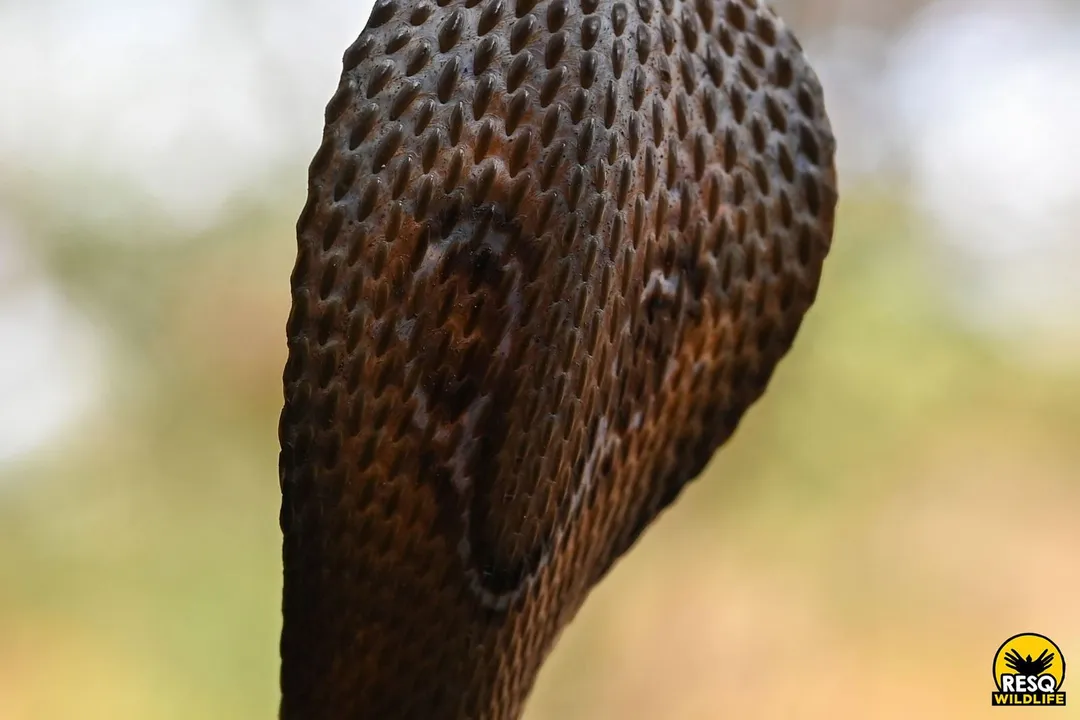
The iconic hood is the centerpiece of the cobra’s defensive arsenal and communication system. When spread, it can extend to about half the snake’s length, and the markings—often the famous spectacle pattern—are highly visible. [3] Interestingly, while the general species is the Indian Cobra, the specific pattern on the hood can vary, leading to distinctions like the spectacled cobra or the monocled cobra, though both belong to the same Naja naja species group and share the core defensive playbook. [3] The visual display is meant to communicate "stay away" clearly and without ambiguity. [5] If you observe this display, the immediate, correct response is to cease movement and create distance, respecting the boundary the snake has established. [7]
# Species Variation
While the general public often groups all large venomous snakes in India under "Cobra," it is important for clarity to separate the Naja naja from the King Cobra (Ophiophagus hannah). [6] The King Cobra is the world’s longest venomous snake, belonging to a different genus. [6] Although both command immense respect, their behavioral profiles differ; the King Cobra is an ophiophagous predator, primarily eating other snakes, whereas the Indian Cobra has a diet that often includes rodents and amphibians found near human settlements. [1][6] Therefore, the threat level and the context of an encounter with Naja naja are tied more closely to accidental proximity than to active predation on humans. [6]
# Coexistence Practice
Navigating shared spaces with these powerful reptiles requires observation and respect, not panic. In many traditional Indian communities, there is an ingrained understanding that if a cobra is seen crossing a road or path, one should stop completely and allow it to pass undisturbed. [7] Abrupt movements or attempts to herd the snake often result in the very defensive reaction one is trying to avoid. [5]
When an unexpected encounter occurs, such as finding a cobra near your property, perhaps the most important actionable tip is to understand the snake’s immediate goal: escape. If retreat is not immediately possible because the snake is blocking a path, the best strategy is immobility followed by slow withdrawal. [5] Sudden lunges or attempts to frighten the snake away with sticks or stones are interpreted as direct attack maneuvers, guaranteeing a strike. By remaining still, you allow the perceived threat level to drop, giving the snake the chance to realize you are not a predator and retreat on its own terms. [7] This deliberate, slow disengagement contrasts sharply with the panicked reactions that frequently lead to bites, proving that a calm response can effectively de-escalate a dangerous situation where the snake’s perceived "aggression" is purely reactive.
#Videos
Handling a Dangerous Indian Cobra with Chandler! - YouTube
The Spectacled Cobra | Snake Bite | National Geographic WILD UK
Related Questions
#Citations
Indian Cobra Animal Facts - Naja naja - A-Z Animals
Indian cobra - Wikipedia
Spectacled Cobras vs Monocled Cobras : r/VenomousKeepers
5 most dangerous cobra species: A single bite can kill you in hours
Handling a Dangerous Indian Cobra with Chandler! - YouTube
King cobra vs Indian cobra: Know the key differences and who ...
"The Indian Cobra Incident: A Tale of Respect and Safety" | Earth
Species: Indian Cobra - RESQ Charitable Trust