How did the Amur leopard become extinct?
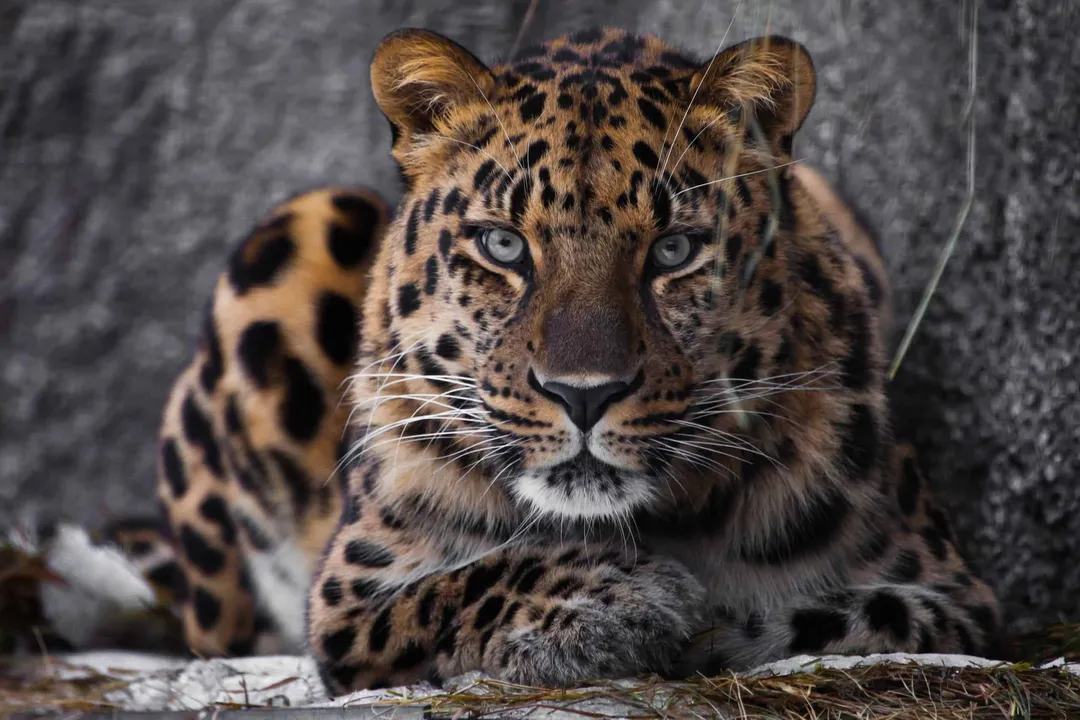
The fate of the Amur leopard, one of the world's most magnificent and elusive big cats, hangs by the thinnest of threads. It is a story not of a sudden disappearance, but of a relentless, multi-faceted decline driven by human activity that has pushed this subspecies to the absolute brink of non-existence in the wild. [1][2] While conservation efforts have recently spurred hope, understanding how this animal arrived at such a critically low population—historically numbering as few as 30 to 35 individuals in the wild—is essential to appreciating the precariousness of its current status. [8] The reasons for this profound reduction are interconnected, painting a grim picture of ecological collapse across its historical range in the Russian Far East and bordering regions of China. [1][3]
# Habitat Loss
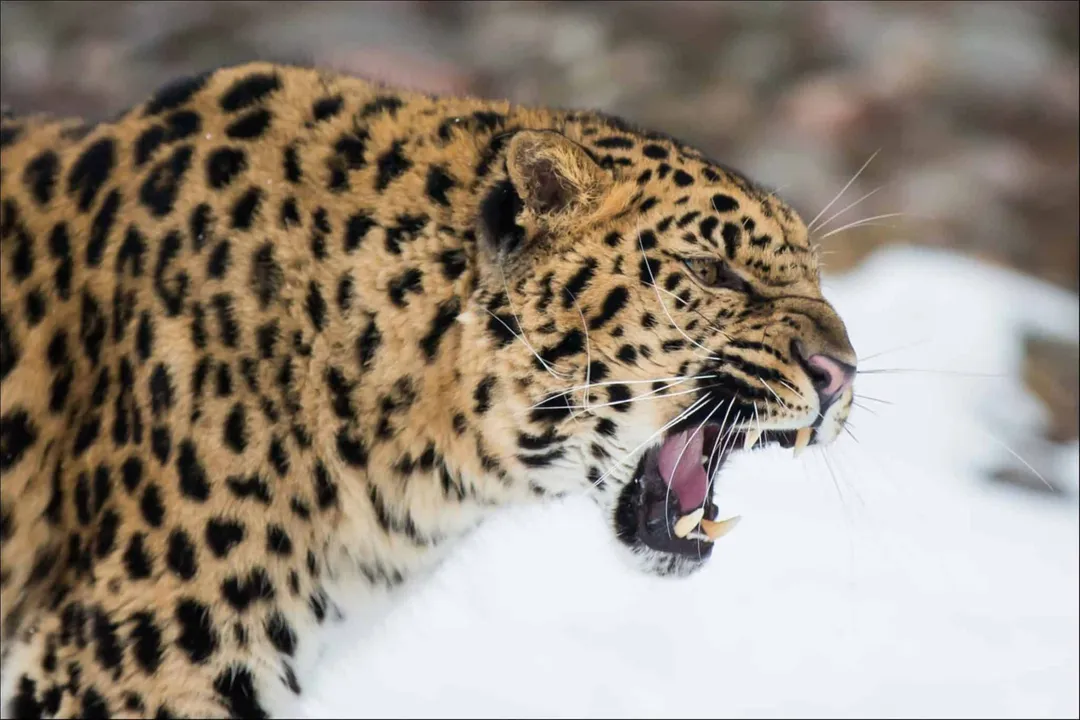
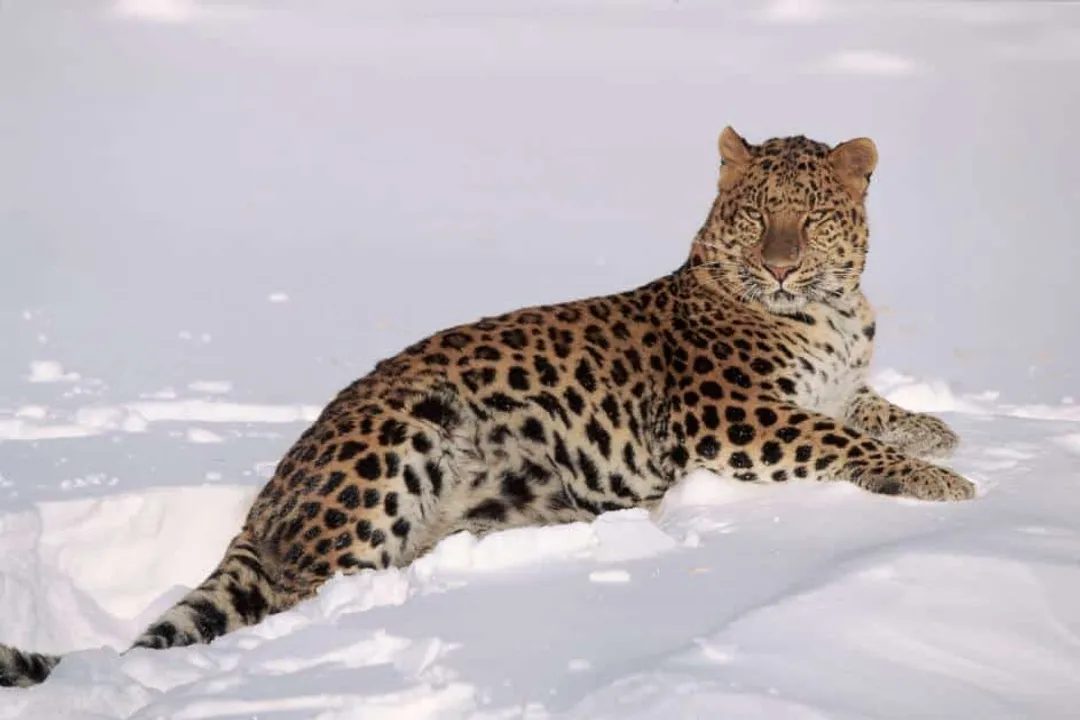
The primary assault on the Amur leopard population has been the steady erosion and fragmentation of its environment. [1][2][3] These powerful, solitary hunters require vast territories to roam, hunt, and maintain healthy genetic diversity. [1][9] Their preferred habitat is the temperate forests of the Russian Far East, particularly the Primorsky Krai region, though historically their range extended into the Korean Peninsula and northeastern China. [2][9]
The destruction of this forest home comes from several angles. Widespread logging operations directly remove the tree cover that shelters the leopards and their prey. [2][3] Furthermore, human development, including the expansion of infrastructure like roads and villages, carves up the remaining forest. [3] It is crucial to note that this fragmentation is often more damaging than simple acreage loss alone. When a large, contiguous forest block is bisected by a new road or human settlement, the resulting pockets of habitat become isolated islands. [2] For a creature as territorial and wide-ranging as the Amur leopard, these islands can be too small to support a viable breeding population, effectively trapping existing individuals and preventing necessary migration for genetic exchange. [1] Any single event, such as a severe winter storm or a large fire, can then disproportionately devastate an isolated group that cannot simply move to safety elsewhere. [3]
# Poaching Pressure
If habitat loss narrowed the playing field, direct targeting by humans decimated the remaining players. [1][3] Amur leopards are highly sought after on the black market, making them prime targets for poachers. [2][3] The demand centers around two main elements: their stunning, heavily spotted coat and their bones. [2]
Leopard pelts are valuable commodities, and while international laws and enforcement attempt to curb this trade, the high reward encourages illegal activity in remote areas. [2] Similarly, leopard bones are used in traditional Asian medicine, often as a substitute for the more heavily regulated tiger bones. [3] The sheer value placed on these parts means that even a small, dedicated poaching presence can have catastrophic effects on a population numbering in the mere tens. [1] When a population is already extremely small, the loss of just a few breeding-age females or males due to illegal hunting represents an unacceptable drain on recovery potential. [3] This threat is particularly insidious because it targets the fittest individuals—those bold enough to survive near the edges of human settlement—and removes them entirely from the gene pool. [2]
# Prey Depletion
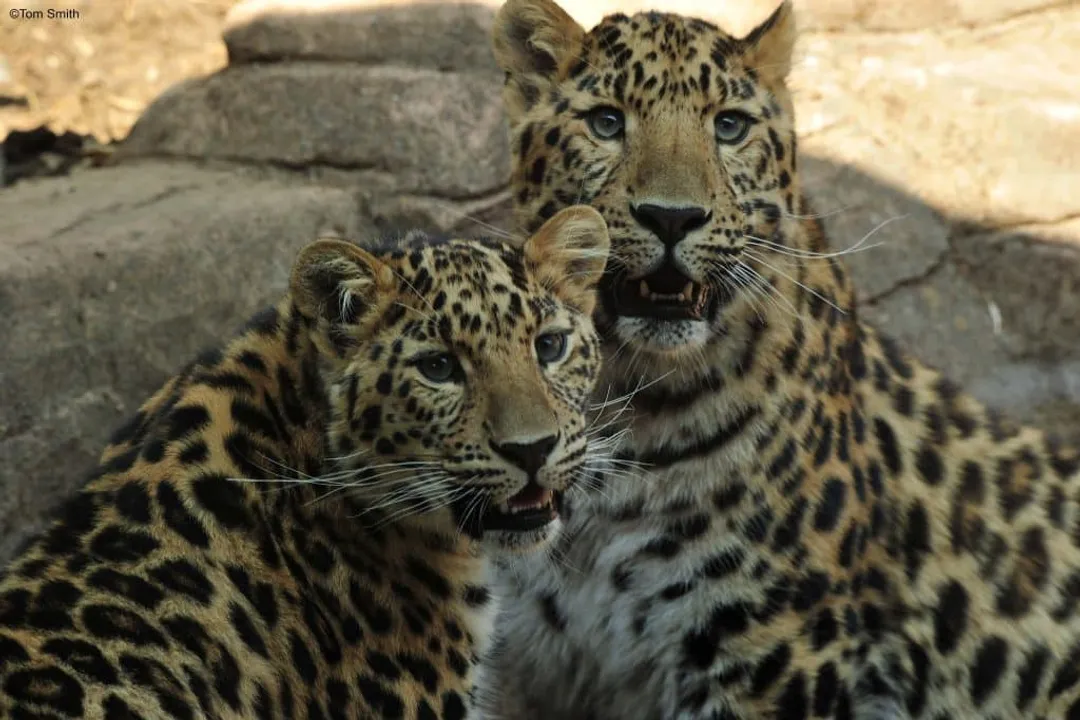
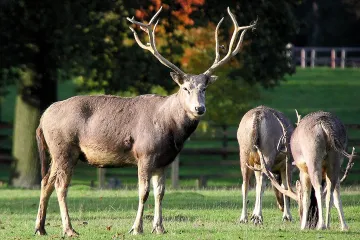
A top predator cannot survive without a reliable food source, and the Amur leopard's survival is directly tied to the health of its prey base. [1] Their diet primarily consists of sika deer, roe deer, musk deer, wild boar, and sometimes smaller animals like hares. [1][9] Unfortunately, these same ungulates are also highly desired by local human populations for subsistence and commercial hunting. [1][2]
The overhunting of deer and boar by humans leaves the forest an "empty pantry" for the leopard. [1][3] When a leopard must expand its hunting range significantly to find enough food, it increases its exposure to human settlements, roads, and poachers, creating a feedback loop of danger. [2] In a region where human impact is already high, competition for these essential prey species becomes a silent, yet powerful, factor suppressing leopard recovery, even in protected areas where the leopards themselves are officially shielded. [3]
# Genetic Vulnerability
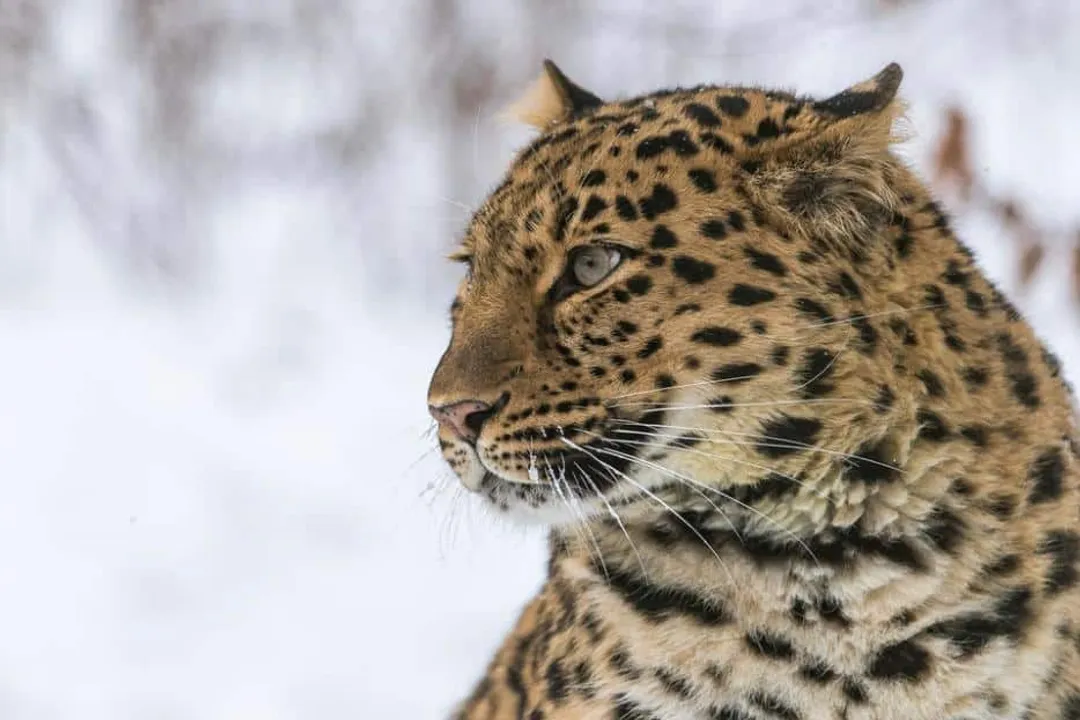
The cumulative effects of poaching and habitat loss have resulted in an incredibly small and isolated population, leading to what conservationists term a genetic bottleneck. [2] When a population crashes from thousands to under forty, the genetic diversity plummets. [8] The remaining leopards are likely the product of a very small ancestral group, meaning they share far more genetic material than a healthy, widespread population would. [2]
This lack of diversity makes the species inherently fragile. Low genetic variation increases the risk of inbreeding, which can manifest as reduced fertility, higher cub mortality rates, and a diminished ability to fight off new diseases. [2] Imagine a population where nearly every individual is related in some way; this shared ancestry means that if a particular susceptibility to a virus exists in one animal, it is highly likely to exist in most of the others. [2] This inherent vulnerability means that even if immediate threats like poaching are removed, the population may struggle to rebound naturally due to accumulated genetic weaknesses. [2]

# Conservation Triumphs
The near-extinction scenario prompted a concentrated conservation response, primarily focused on the Russian side of the remaining habitat. [1][4] Organizations have worked alongside local governments to establish protected areas, such as Land of the Leopard National Park in Russia, which now shields the majority of the known wild population. [1][4][9]
Efforts are layered, addressing the primary threats simultaneously. Anti-poaching brigades patrol the park boundaries to deter illegal hunting of both leopards and their prey. [4] Furthermore, researchers utilize camera trapping grids to monitor the population size and health, providing the data needed to track recovery progress. [1][9] The existence of a viable breeding population within this protected zone suggests that management strategies are succeeding in stabilizing the numbers, with recent counts indicating a slow increase in population size within the park boundaries. [1]
However, the challenge remains inherently international. The Amur leopard's survival depends on cooperation across national borders—namely between Russia and China, where small populations may exist or where corridors are needed for genetic flow. [3] An effective conservation strategy, therefore, must not only manage the protected core but also work to secure and restore the fragmented lands that connect potential safe zones across the border regions. [3] This transboundary coordination is a continuous hurdle, requiring diplomatic agreements alongside on-the-ground monitoring and protection, a complexity rarely seen in purely domestic conservation projects. The long-term security of the species rests on transforming these small, managed sanctuaries into a truly connected, self-sustaining ecosystem across the political lines that currently segment their ancient range. [3]
Related Questions
#Citations
Amur Leopard: Endangered Animals Spotlight - Earth.Org
Amur Leopards: Rare, Fast, and Fiercely Independent
Conservation Threats to Amur Leopards - Connecticut's Beardsley Zoo
Why Amur Leopards Are Endangered and What We Can Do
Discover How The Amur Leopard Became Endangered - A-Z Animals
Saving the Amur Leopard, the World's Most Endangered Big Cat
Amur Leopard | National Geographic Kids
Less than 35 Amur leopard remain in the wild - Mongabay
Amur Leopard Facts - WildCats Conservation Alliance