What is a cat snake?
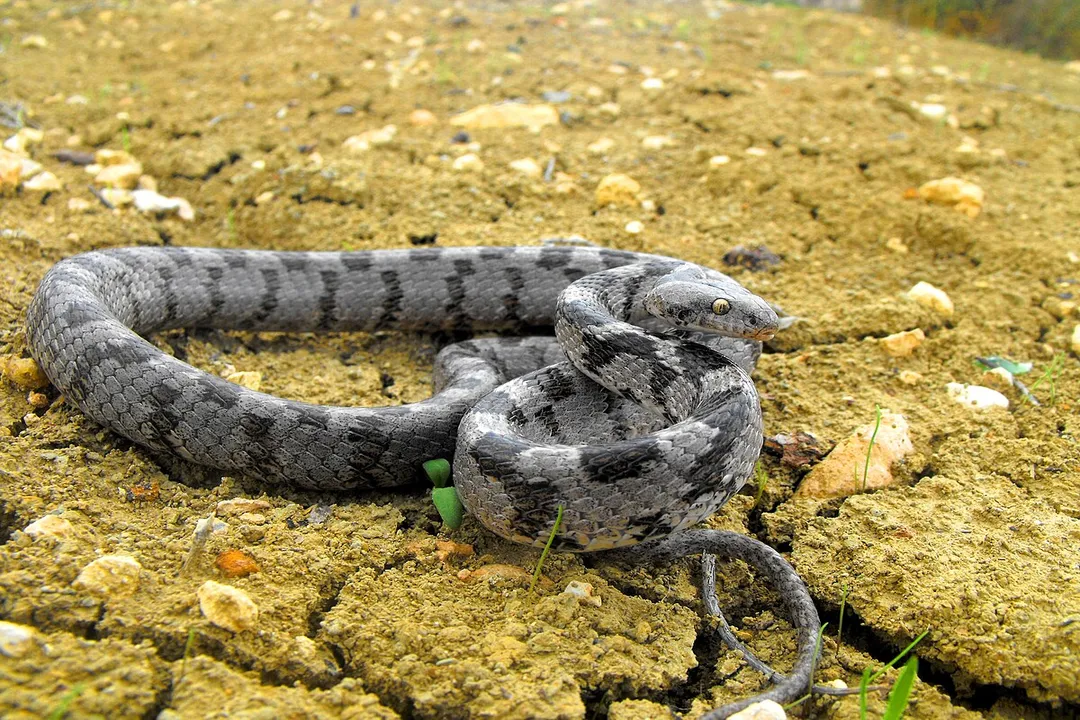
The name "cat snake" is most commonly applied to species within the genus Boiga, a group of snakes famous for their distinctive eye structure. [1][2][7] These reptiles draw their common name from their pupils, which are often elliptical or slightly notched, closely resembling the vertical slits seen in a cat's eye in bright light. [2][7] While the term can sometimes cause confusion, as it also applies to the European Cat Snake (Telescopus fallax), which belongs to a different genus entirely, [4] the Boiga group dominates discussions regarding these slender, agile snakes primarily found across tropical Asia. [1] Understanding what defines a cat snake requires looking closely at their anatomy, their nighttime habits, and their place within various ecosystems. [2][5]
# Elliptical Eyes
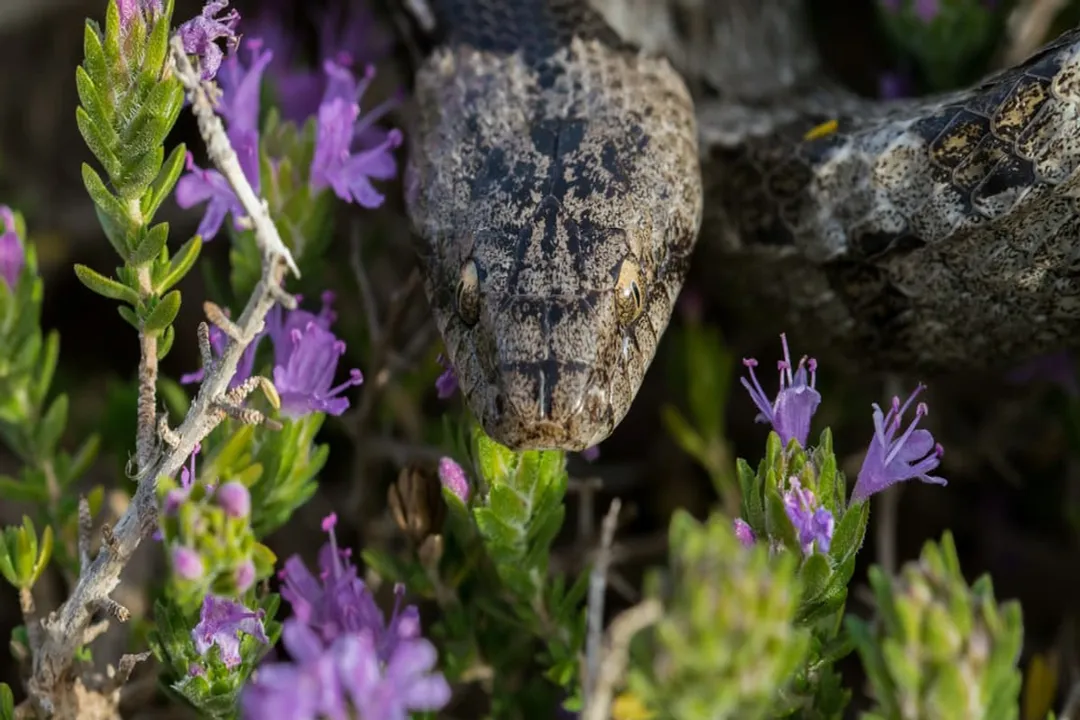
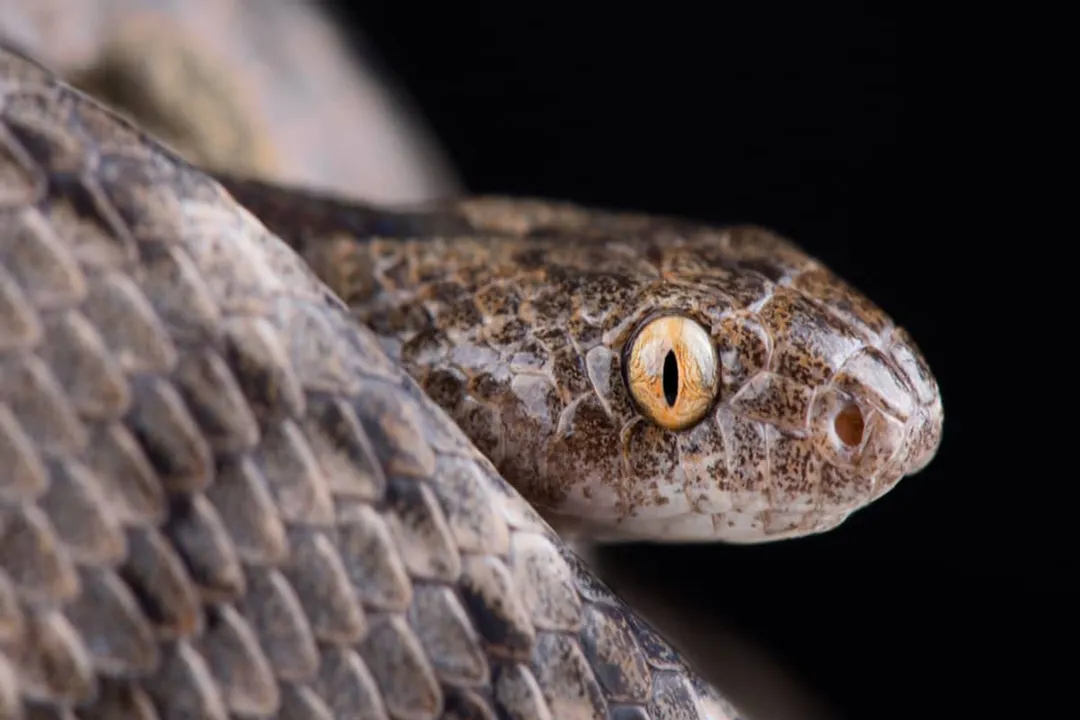
The most immediate identifier for a Boiga species is its eye shape. [2] This feature is so central to their identity that it anchors their common name. [7] Unlike the perfectly round pupils of diurnal (day-active) snakes, cat snakes possess pupils that contract to vertical slits. [2] This adaptation is characteristic of many nocturnal predators, allowing them to maximize light intake in low-light conditions. [2][5]
It is worth noting the distinction between the Asian Boiga group and the European counterpart. The European Cat Snake, Telescopus fallax, also possesses elliptical pupils and a notably large head relative to its slender body. [4] However, Telescopus belongs to the Colubridae family but is placed in a different subfamily than Boiga. [1][4] For many herpetologists and enthusiasts working in Asia, the presence of a cat snake usually points directly to the arboreal, rear-fanged Boiga lineage. [1][2] The slight variations in pupil shape—sometimes described as notched rather than a clean ellipse—can sometimes be a subtle clue used by experts in the field for species differentiation, though this is highly dependent on the light conditions when the observation is made. [2]
# Nocturnal Trees
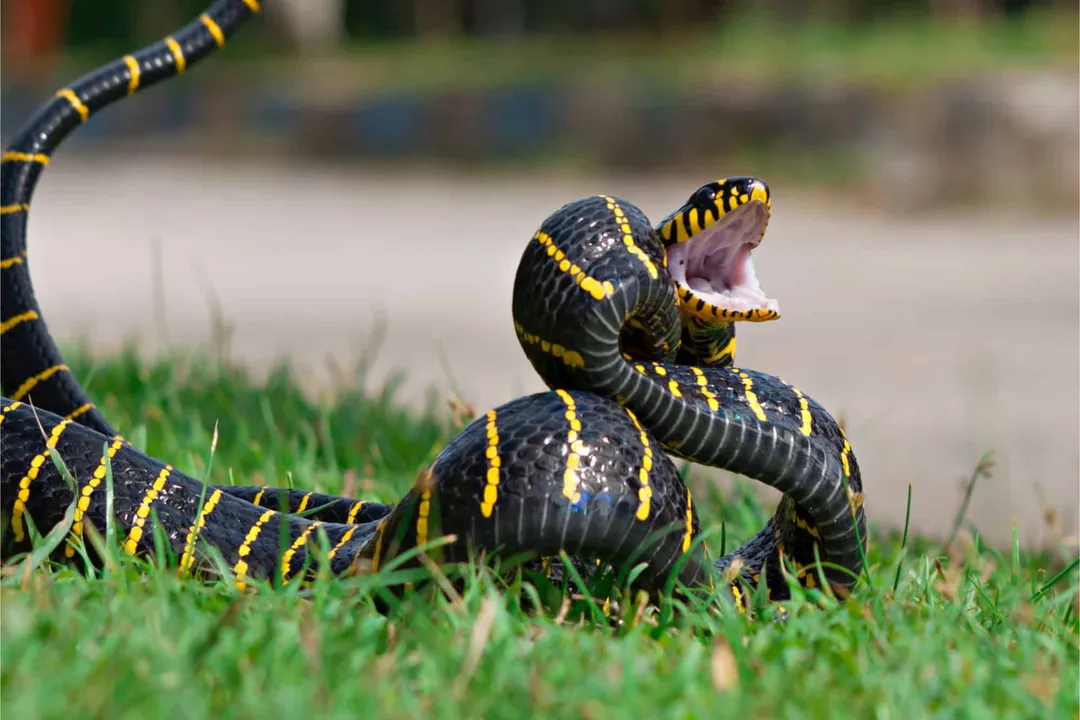
Cat snakes are fundamentally creatures of the night and the canopy. [2][5] The vast majority of species within the Boiga genus are arboreal, meaning they spend the majority of their lives climbing and residing in trees and dense shrubbery. [1][5][9] This lifestyle dictates their body structure; they are generally slender, allowing them to navigate thin branches with grace. [5]
Their activity peaks after sunset. As nocturnal hunters, they rely on the dim light provided by their specialized eyes to locate prey. [2][5] Their diet typically consists of small mammals, birds, and lizards that are also active after dark. [2] Their climbing ability, combined with their generally cryptic coloration (though this varies significantly by species), makes them highly successful predators in forested and semi-forested habitats. [1][9]
Observing how these snakes move highlights their adaptation to the trees. They are known for being active and capable climbers, often moving with a smooth, deliberate motion when hunting among the foliage. [3][10] This preference for elevated spaces means that encounters with humans usually occur in trees, roofs, or other high structures, rather than on the ground, unless they are moving between foraging areas. [5] For residents in regions where these snakes are common, understanding that they prefer the overhead structures is a crucial piece of local awareness, as they are less likely to be found lurking in ground-level areas unless actively seeking a basking spot or crossing open ground. [5]
# Rear-Fanged Risk
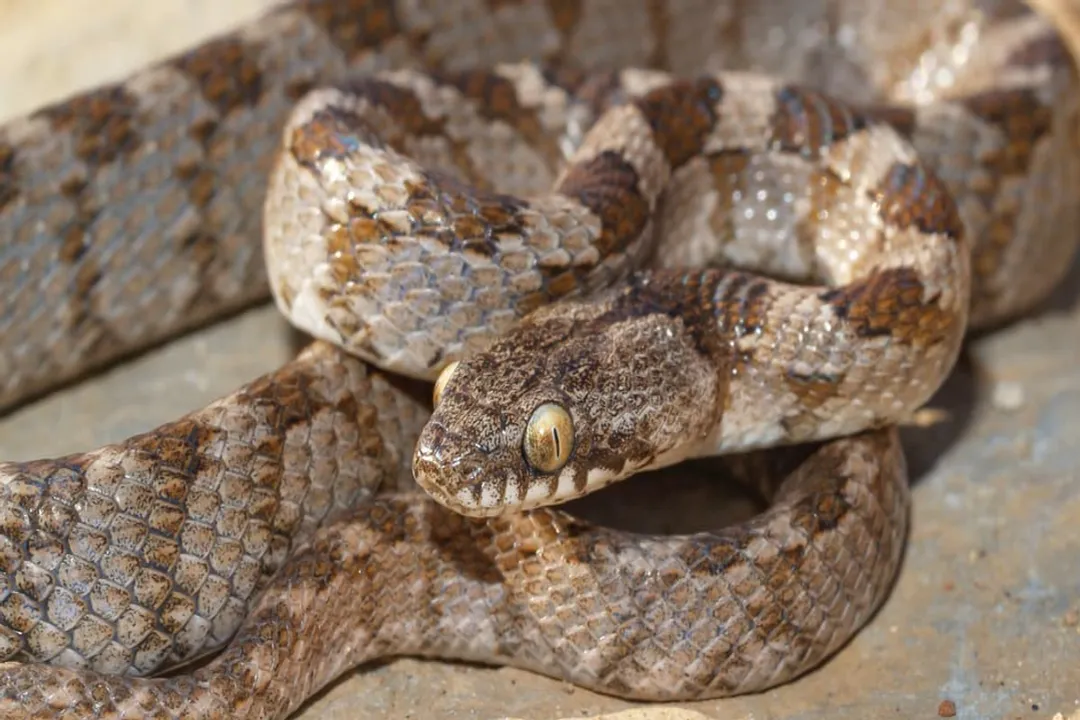
A significant aspect of the cat snake’s biology involves its dentition and venom delivery system. [2] Most Boiga species are considered venomous. [2][5] However, they are classified as rear-fanged snakes. [1][2][5] This means their venom glands are situated towards the back of the upper jaw, and they possess specialized, often grooved, fangs that are longer than the teeth immediately preceding them. [1]
For a rear-fanged snake to successfully inject venom, it typically needs to establish a firm grip on its prey, allowing the rear fangs to make contact with the victim’s tissue as the snake chews or works the animal into its mouth. [2] This delivery mechanism contrasts sharply with the front-fanged delivery of elapids (like cobras) or vipers. [2]
In practical terms concerning human encounters, this difference in anatomy usually translates to a lower risk of medically significant envenomation. [2] While a bite from a cat snake is certainly something to avoid and requires medical attention, severe systemic effects are rare. [2] Symptoms are usually localized, involving pain, swelling, and potentially some redness or bruising near the bite site. [2] Because of this lower risk profile compared to truly dangerous front-fanged species, cat snakes are sometimes kept in captivity, though they still require specialized care due to their temperament and feeding habits. [1] It is vital never to handle any rear-fanged snake without professional knowledge and equipment, as improper handling can easily lead to a bite. [5]
# Many Species
The genus Boiga encompasses a large number of species distributed widely across Asia, making any single description of a "cat snake" insufficient to cover the entire group. [1] Each species possesses unique markings, habitat preferences, and specific ranges, even if they share the core traits of being nocturnal and rear-fanged. [8]
For instance, the Siamese Cat Snake (Boiga siamensis) is known from Southeast Asia. [8] Its identification relies on patterns and head markings, which can differ significantly from other members of the genus. [8] Similarly, the Assamese Cat Snake (Boiga quincunciata) is recognized, in part, by the presence of white spots across its body, helping distinguish it from its often similarly colored neighbors. [6] Further illustrating this variation is the White-Spotted Cat Snake, which also exhibits these light markings, though exact species classifications can sometimes overlap or shift based on modern genetic studies. [9]
When examining identification keys for these snakes, one quickly realizes that while the pupil is key, the actual identification often rests on minute details: the number of ventral scales, specific labial scale patterns, and subtle differences in dorsal blotches or banding. [1][9] This diversity means that a snake encountered in India might look vastly different from one found in Malaysia, even though both are scientifically classified as cat snakes. [1] This natural variation in patterning is fascinating; it suggests that regional camouflage requirements have driven significant local evolutionary divergence within the Boiga lineage, even when their fundamental ecological niche (nocturnal arboreal predator) remains consistent. [6][9]
# Asian Distribution
The primary home range for the Boiga genus is tropical Asia. [1] Their distribution stretches across a wide geographic swath, encompassing South Asia, Southeast Asia, and extending into parts of the East Asia and Australasia regions depending on the specific species. [1] This broad distribution underscores their adaptability to various forest types, from dense rainforests to more disturbed or fragmented wooded areas. [5]
In contrast, the European Cat Snake (Telescopus fallax) occupies a much different, though still substantial, territory, ranging across Southern Europe and the Near East. [4] This geographical separation reinforces the scientific understanding that while the common name might overlap due to a shared eye trait, the Asian Boiga group represents a distinct evolutionary branch focused on tropical, arboreal environments. [1][4] For those living in the regions dominated by Boiga, recognizing them means acknowledging a common, though often unseen, component of the local nocturnal ecosystem. [2] Understanding which specific species inhabits a given locality—whether it is a Boiga siamensis or a Boiga dendrophila—is crucial for accurate documentation and understanding local biodiversity. [8]
#Videos
Interesting Facts About The Common Cat Snake - YouTube
Common Cat Snake |Boiga Trigonata| Full Documentary - YouTube
Related Questions
#Citations
Boiga - Wikipedia
Cat snake | Diet, Habitat & Lifespan - Britannica
Interesting Facts About The Common Cat Snake - YouTube
Cat Snake Animal Facts
Boiga quincunciata Commonly known as the Assamese cat snake ...
CAT SNAKE Definition & Meaning - Merriam-Webster
Eyed Cat Snake (Boiga siamensis) - iNaturalist
White-spotted Cat Snake - Boiga drapiezii - Ecology Asia