Has a serval cat ever attacked a human?
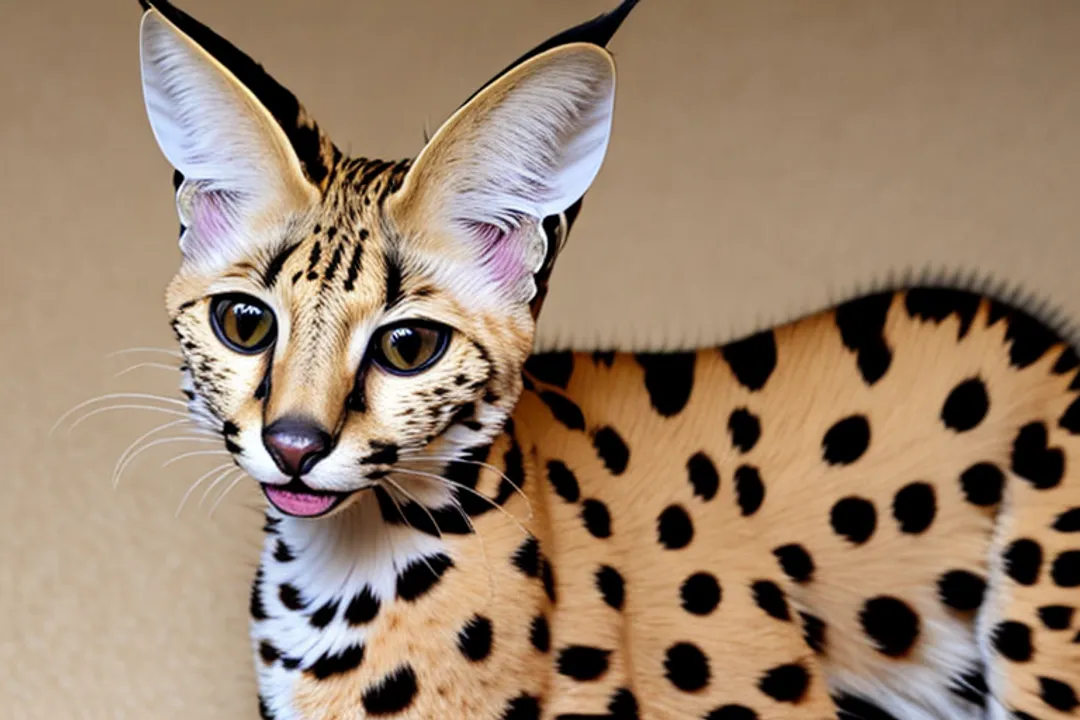
The reality of owning or encountering an African serval is complex, often diverging sharply from the perception of a sleek, exotic housecat. While they possess a natural inclination toward shyness and solitude in their native environments, documented incidents demonstrate that these wild instincts can manifest aggressively when the animal feels threatened, cornered, or even during rough play, leading to verifiable attacks on people. Understanding whether a serval has attacked a human requires looking past generalized warnings and examining specific reported behaviors, especially when these cats are kept outside of their natural habitat.
# Wild Temperament

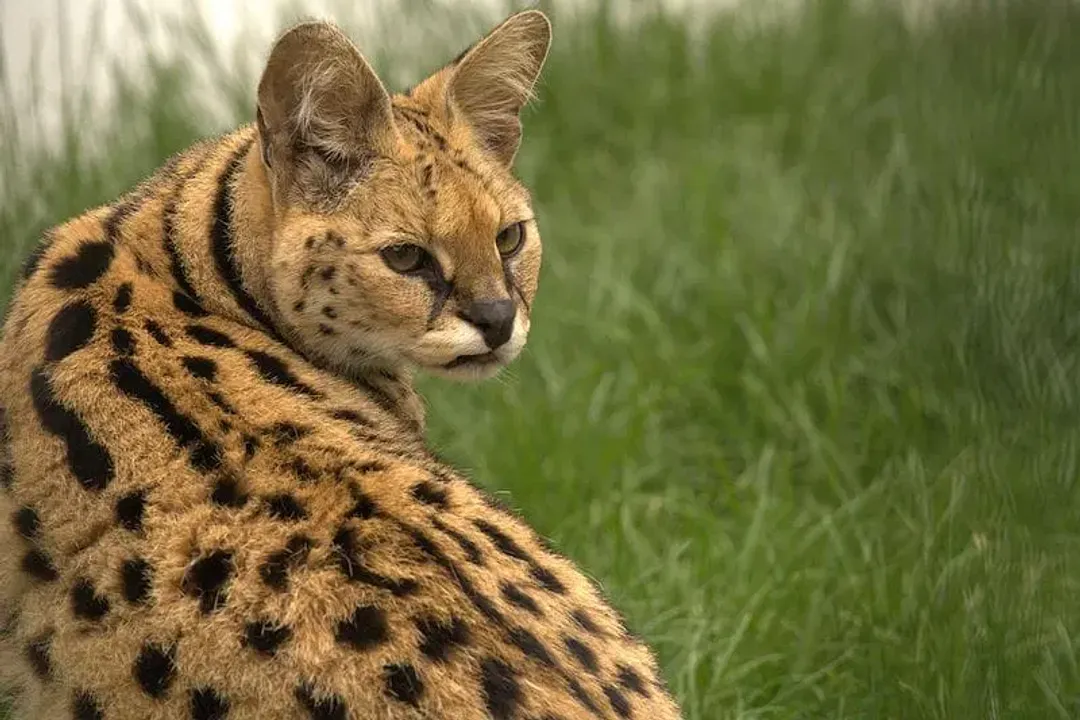
In the wilds of Africa, the serval is primarily a creature of avoidance. These medium-sized wild cats are known to be solitary and generally prefer to keep their distance from humans. Their primary focus in nature is hunting small prey like rodents and birds, utilizing their impressive hearing and agility. This innate wariness is a key survival mechanism, suggesting that an unprovoked attack on an adult human in the wild is extremely improbable due to their predisposition to flee rather than fight larger threats.
The sheer physical capability of the serval, however, cannot be ignored, even if fatal outcomes are unlikely. An adult serval is considerably larger and more powerfully built than a typical domestic cat, possessing sharp claws and potent jaws. These features are designed for quick dispatch of prey, meaning any defensive scratch or bite delivered to a human, especially a small child, carries a significant risk of deep lacerations requiring medical attention.
# Captive Aggression

When servals are kept as pets, the dynamic shifts entirely, introducing the potential for conflict that rarely exists in the wild. While owners often dedicate themselves to socialization, the underlying genetic blueprint remains unchanged. One observation from individuals managing these exotic pets is the persistent struggle with behavioral management, often dealing with cats described as both "skiddish" and "aggressive" even within a home setting. Videos shared by owners frequently document intense, sometimes rough interactions, showing the high energy and unpredictability of the animal's engagement with its human companions.
The difference between a domestic cat and a serval in a social setting comes down to domestication history. A domestic cat has undergone thousands of years of selective breeding that favors docility and reduces reactive aggression toward humans. Servals lack this history; their aggressive responses—rooted in fear or territoriality—are much more closely linked to their wild ancestors, meaning that behavior correction is often about management rather than true behavior modification. This disconnect between human expectation and animal reality sets the stage for potential injury.

# Documented Incidents
While anecdotes abound in online forums about scratches or nips during play or correction, there are specific reports indicating direct, injurious attacks. A particularly concerning incident involved an African serval reportedly attacking a toddler during a birthday party. This event underscores the danger when an animal with powerful physical attributes and high prey drive interacts with a very small, unpredictable human.
Though a serval attack resulting in a human fatality is considered highly unlikely given their size compared to larger felines, the existence of documented attacks confirms the danger when management fails or when the cat is startled. These incidents move the conversation from theoretical risk to proven reality, especially in environments where the serval may feel confined or suddenly surprised by a small child moving quickly. The documentation of these events across various platforms, from news reports to owner-shared videos, forms a collective testament to their potential for harm.
# Unpredictability Factor
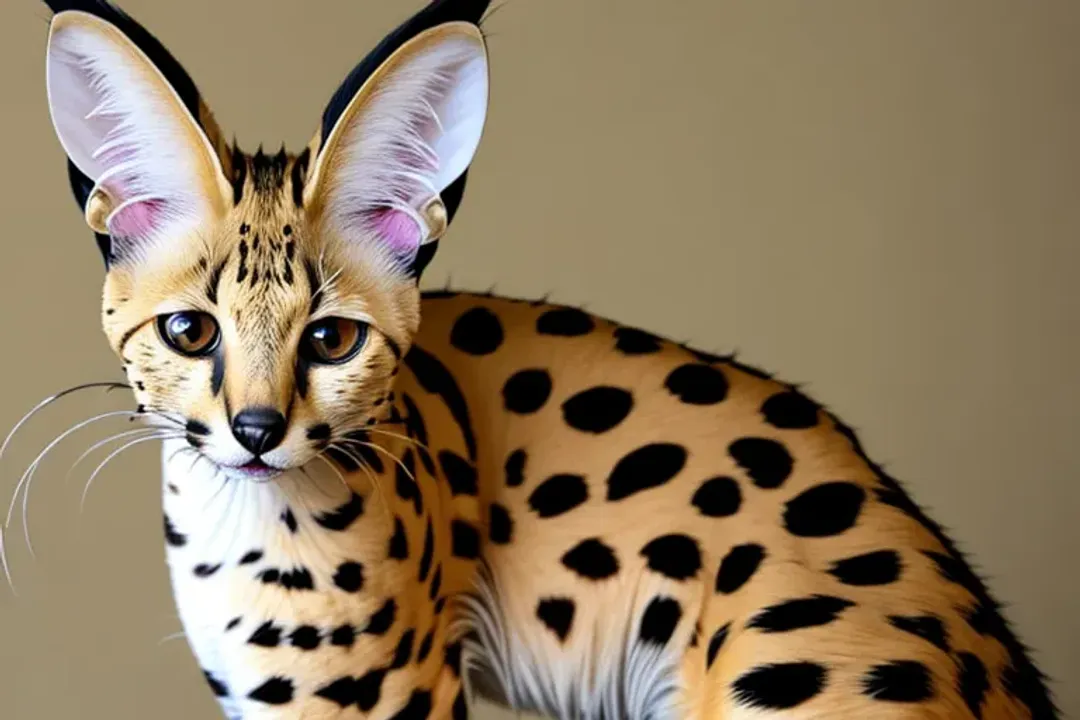
The danger inherent in owning a serval often stems from misinterpreting their body language or underestimating the speed of their reaction. Unlike a dog, whose social cues are more frequently understood by the general public, a serval's signals for displeasure or impending attack can be subtle or entirely missed by an inexperienced handler.
For those involved in the exotic pet community, a common challenge involves recognizing the inherent mismatch between a large, instinct-driven predator and a domestic environment. It is frequently noted that the core drives—the impulse to pounce, scratch, or bite when stressed—remain fully functional, regardless of how many positive interactions have occurred previously. This means that an animal that seems placid one moment might react explosively the next if an instinctual trigger is hit.
To help frame the difference in risk assessment, consider a comparison between a serval and a large domestic dog breed known for aggression, like a Rottweiler. While both present a bite risk, the dog’s predatory sequence is often modified by domestication and is generally aimed at dominance or protection. The serval’s reaction is often a pure, unmitigated predatory or defensive response, which can be harder to predict based on social context alone.
# Managing Owner Risk
For anyone considering cohabitating with a serval, the established evidence points toward a serious need for specialized caution. The risk is not merely theoretical; it is documented in incidents where vulnerable individuals, like toddlers, have been injured.
A practical way to view this involves understanding the concept of "drive strength." Even if a serval is hand-raised from a cub, the inherited drive to hunt and defend itself with claws and teeth does not vanish—it simply has fewer opportunities to express itself naturally, leading to potential behavioral buildup or misdirection when stimulated. This suggests that managing a serval is less about teaching obedience and more about constantly engineering an environment that minimizes any situation where the animal might feel cornered or threatened enough to resort to its natural defensive arsenal. Ultimately, the documented history confirms that yes, serval cats have attacked humans, making their status as exotic pets a significant area of concern for public safety and animal welfare alike.
#Videos
“This is a wild animal:" Woman awakes to serval, native to Africa, in ...
Related Questions
#Citations
Can a Serval Cat Kill a Human? - Medium
A vicious serval attack | Chloe the Serval - Facebook
How do I socialize a skiddish / aggressive serval? - Reddit
Are servals dangerous to humans? - Quora
attacked (with love) by an african serval | TikTok
Serving the Servals: Unravel the Mysteries of a Wild Cat Species
“This is a wild animal:" Woman awakes to serval, native to Africa, in ...
African Serval Cat Attacks Toddler At Birthday Party - The Dodo