Is a Thylacoleo a cat?
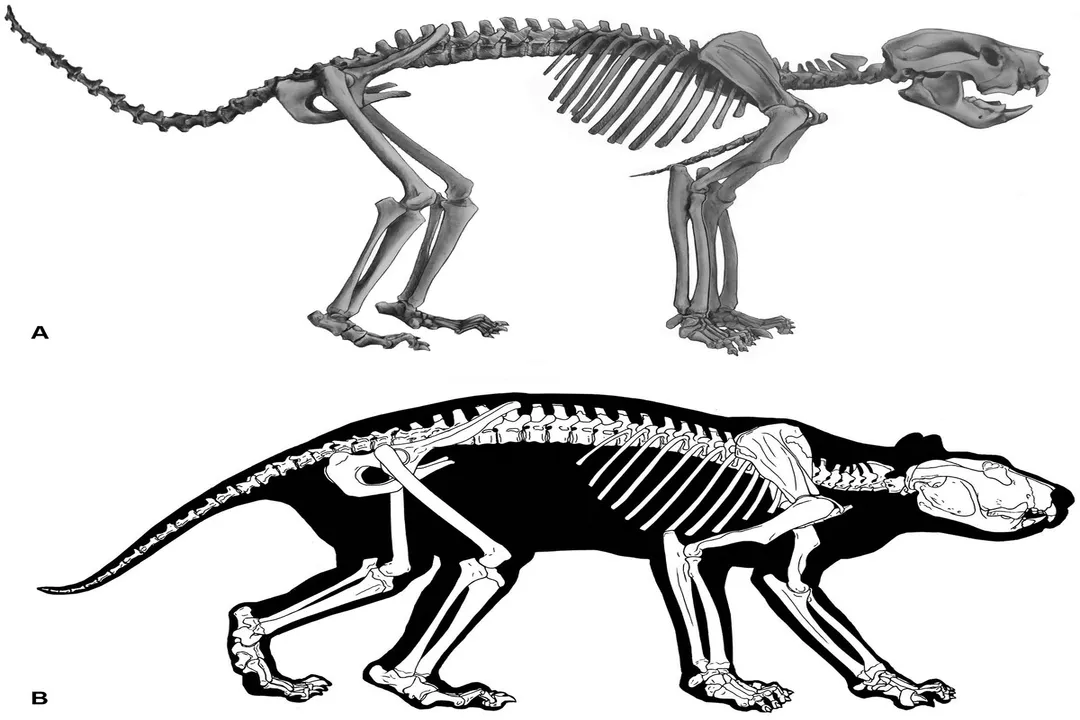
The creature known as Thylacoleo carnifex, frequently dubbed the "marsupial lion," holds a fascinating position in discussions about prehistoric Australian fauna, largely because its name immediately suggests a close relationship to modern cats. [5] However, despite the imposing moniker and the superficial resemblance to a feline predator, Thylacoleo was emphatically not a cat. [1] It belonged to a completely different mammalian lineage, one that diverged from placental mammals—the group that includes true cats—millions of years ago. [1]
# Marsupial Kinship
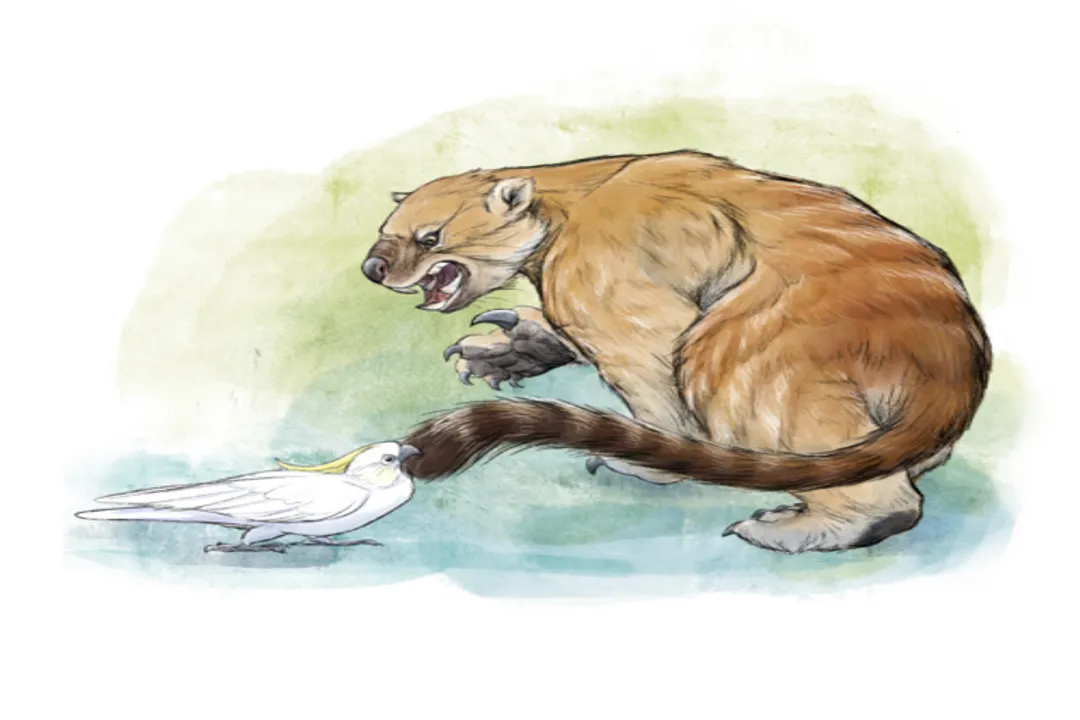
The primary distinction lies in its fundamental biology. Thylacoleo was a marsupial, meaning its young were born underdeveloped and nurtured in a pouch, much like kangaroos or koalas today. [5] Specifically, it belonged to the order Diprotodontia, a group that encompasses most of Australia’s native herbivores and omnivores, though Thylacoleo was a dedicated predator. [4][1] True cats, like lions or leopards, are placental mammals belonging to the order Carnivora. [1] This division places the marsupial lion closer evolutionarily to the modern wombat than to Panthera leo. [4] While its common name evokes images of a striped hunter like the now-extinct thylacine (Tasmanian Tiger), Thylacoleo was a more specialized and powerful animal altogether. [5] The genus name Thylacoleo itself translates roughly to "pouched lion," cementing the historical confusion based on its ecological role rather than its taxonomy. [5]
# Feline Appearance
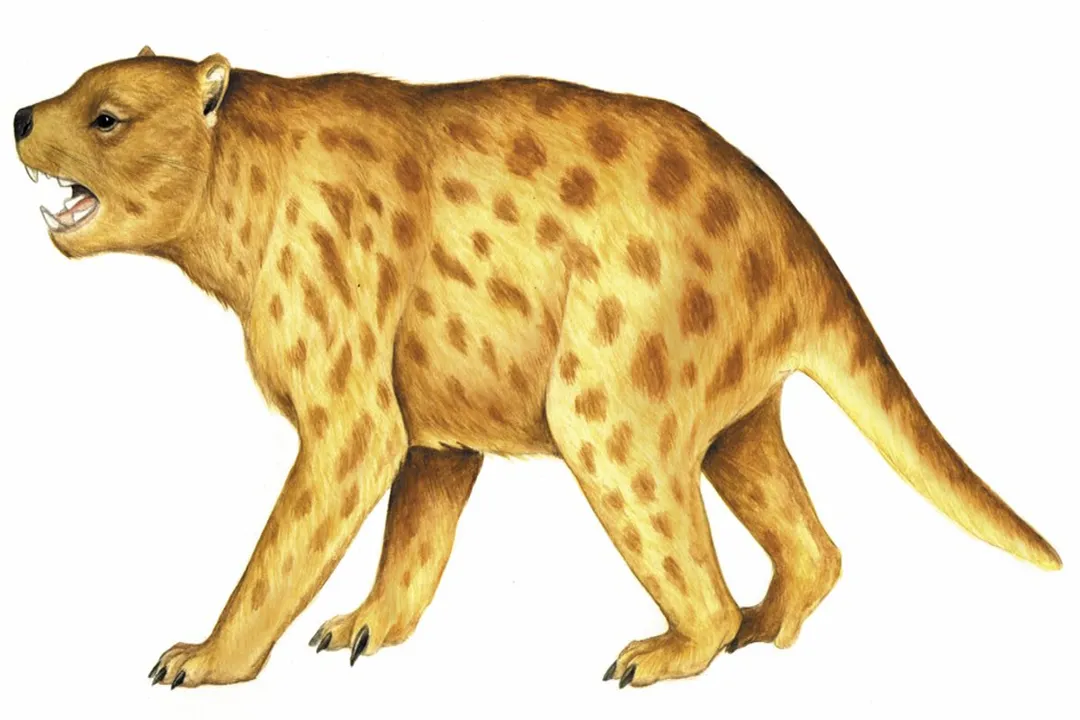
The reason for the persistent cat comparison is a striking case of convergent evolution, where unrelated species develop similar traits because they fill similar ecological niches. [4] Thylacoleo evolved in isolation on the Australian continent, developing features optimized for hunting large prey, features that happen to overlap with those of placental big cats. [4] It possessed a stocky, powerfully built body, suggesting it was designed for ambush and overpowering victims rather than long-distance pursuit. [5] Estimates suggest that, at around 100 to 130 kilograms, it was a formidable predator for its environment. [5] If we were to compare its estimated maximum size to that of a modern lion, the visual parallel is easy to draw, leading many observers—even early paleontologists—to label it a lion relative. [2] However, looking closer at its skeletal structure reveals differences that go far beyond mere size comparison; its adaptations for killing were fundamentally different from those of any cat. [4]
# Unique Arsenal
The most convincing evidence against Thylacoleo being a cat lies in its dental work. [1] Cats rely on specialized, blade-like cheek teeth called carnassials to shear meat from bone. [4] Thylacoleo, conversely, possessed two enormous, vertically-aligned upper and lower premolars that functioned more like gigantic bone-crushing shears or bolt-cutters than slicing blades. [1][4] These teeth were robust and capable of delivering immense crushing force, indicating a diet that likely included cracking bone to access marrow, a behavior uncommon among true cats. [4] Furthermore, it had a set of sharp, rodent-like incisors at the front of its mouth. [1] This mix of dental structures—rodent-like incisors, massive crushing premolars, and relatively weak canines—paints a picture of a highly specialized predator whose feeding strategy did not rely on the precise throat-slicing bite typical of the Felidae family. [4]
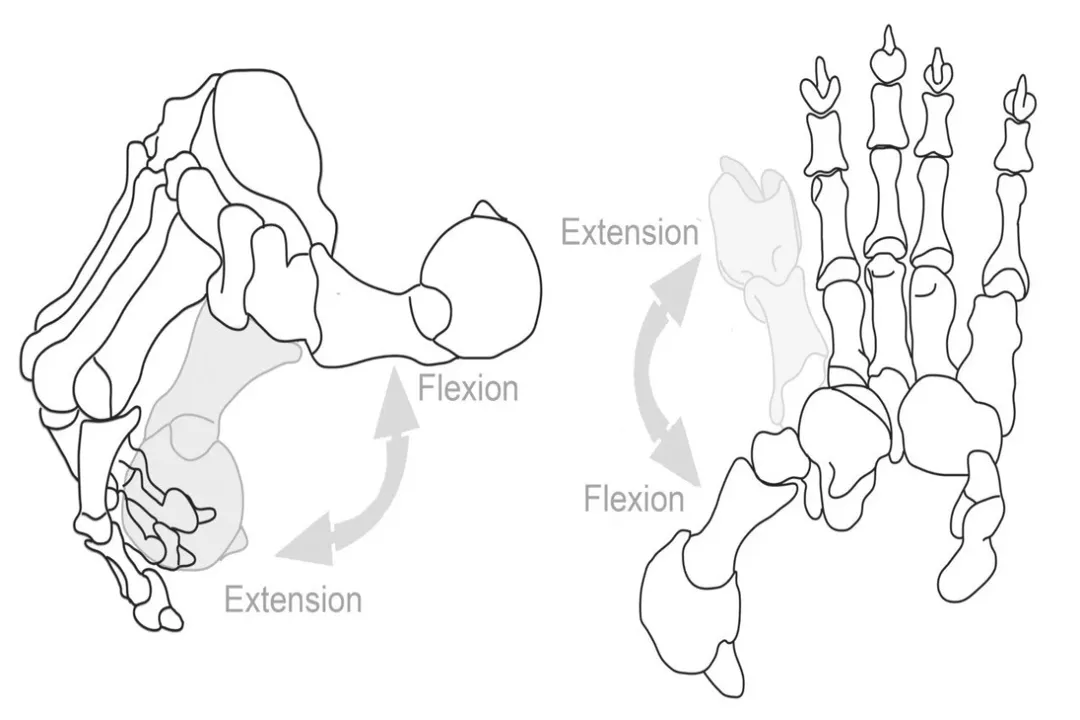
The limbs also tell a unique story. Like many cats, Thylacoleo likely had retractable claws on its forelimbs. [5] This is where the similarity ends. Thylacoleo is believed to have had opposable thumbs on its front paws, which, combined with those claws, suggest an ability to grip prey with tremendous strength, perhaps climbing trees while holding onto its catch. [1][5] A true cat’s paws are primarily designed for striking and grasping during a pounce; Thylacoleo’s anatomy suggests a more active, grappling approach to securing a kill. [5]
# Extinction Context
Thylacoleo carnifex roamed the Australian continent during the Pleistocene epoch, disappearing around 46,000 years ago. [5] Its existence is known to science through fossil finds, providing a solid taxonomic record as cataloged by organizations like the Global Biodiversity Information Facility (GBIF). [8] Understanding its context is important: it was part of the megafauna that characterizes the Australian Pleistocene before the arrival of humans and subsequent extinctions. [5] The consensus among paleontologists is that this apex predator is long gone. [9]
# Living Myths
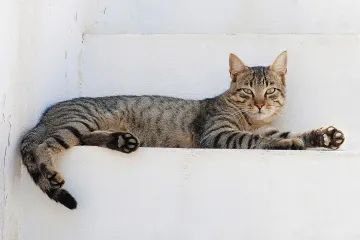
The very question of whether Thylacoleo is a cat often surfaces in popular culture and folklore, specifically regarding the persistent legend of the "Phantom Cat" or "Alien Big Cat" (ABC) sightings in modern Australia. [6] Because the Thylacoleo was an extinct, large, predatory mammal, some have speculated that perhaps a relict population survived, becoming the source of these reported sightings. [6] This idea generally conflates two very different entities: the scientifically verified, extinct marsupial lion and the anecdotal, unverified modern cryptid. [3] While the idea that a "Phantom Cat" could be a living marsupial lion offers a compelling narrative, the scientific evidence firmly places Thylacoleo in the past. [6] The evidence for ABCs is purely observational and anecdotal, whereas our knowledge of Thylacoleo stems from verifiable fossil specimens, offering a significant disparity in evidentiary quality. [9] Considering the completeness of the fossil record for the megafauna of that era, the likelihood of a large, easily identifiable predator like Thylacoleo remaining completely undetected in the modern era strains credulity. [9]
When gamers encounter the creature in simulations or games, the name "Thyla" often sticks, reflecting its perceived ferocity and power, even if the biological reality is that it was a marsupial powerhouse, not a feline one. [7] The confusion is understandable; an animal whose name means "pouched lion" and which evolved to be the apex predator in its environment will naturally be associated with the most famous apex predator known globally—the lion—even if the underlying anatomy confirms it was an evolutionary cousin to the possum. [4] Ultimately, Thylacoleo carnifex remains one of the most remarkable examples of specialized evolution in mammalian history, a true apex predator that was entirely unique to its island continent and decidedly not a cat. [1][5]
Related Questions
#Citations
Thylacoleo - Wikipedia
Always thought the thyla was a cat. Who knew? : r/ARK - Reddit
Largest ice age Australian carnivore, not a cat - Facebook
Thylacoleo, the Incredible Marsupial Lion - Tetrapod Zoology
Thylacoleo carnifex - The Australian Museum
Would it be plausible that the Phantom Cat of Australia (also known ...
The Thylacoleo is cat/marsupial :: ARK - Steam Community
Thylacoleo Owen, 1859 - GBIF
The Thylacoleo: Australia's Extinct 'Marsupial Lion' - Peaceful Science