Can cats be around alyssum?
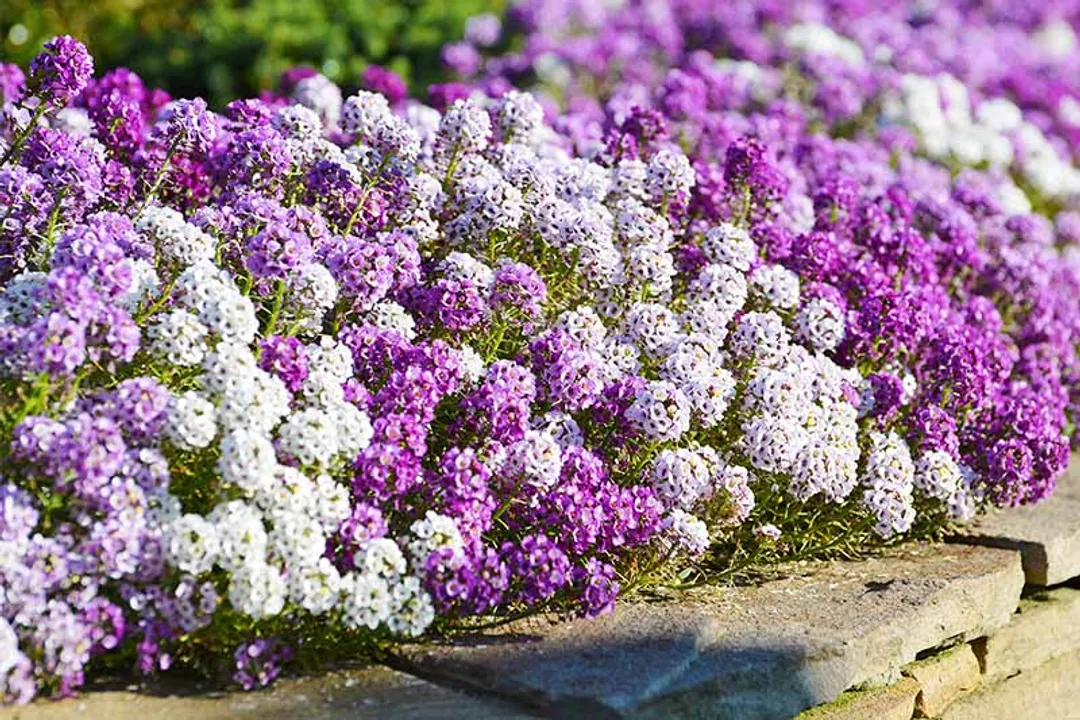
The proximity of your feline friend to Sweet Alyssum, that charming, low-growing ground cover with its blanket of tiny, fragrant blossoms, is a concern many pet owners share when designing their garden spaces. Understanding whether this popular bedding plant poses a risk is essential for maintaining a safe outdoor or indoor environment for your cat.
# Safety Consensus
Generally speaking, established authority groups indicate that Alyssum is considered non-toxic to cats. The American Society for the Prevention of Cruelty to Animals (ASPCA) lists Alyssum in their database as safe, noting that it is not toxic to dogs, cats, or horses. [1] This classification provides a degree of reassurance for gardeners who wish to keep this plant in areas their pets might visit. Another source focusing on cat safety confirms that Alyssum is typically regarded as non-toxic for felines. [6]
# Species Differences
The complexity arises when looking closer at the botanical specifics. While the general term "Alyssum" often refers to Lobularia maritima, which is the species often cited as safe, this general grouping covers several related plants and varieties. [2][4] For instance, there are cultivated types like 'Tiny Tim' Alyssum, known for its dense, compact habit, [8] and other distinct varieties such as Corsican Alyssum (Alyssum corsicum or Lobularia corsica), which presents a slightly different profile and growth habit. [9] The toxicity rating can sometimes depend on the exact species or cultivar in question. One resource specifically labels Lobularia maritima as toxic to pets. [4] This discrepancy between major toxicity databases suggests that while the common garden Alyssum is often deemed safe by large animal welfare organizations, [1] caution is warranted, especially if a cat chews or ingests a significant amount of any plant identified as Alyssum.
If your cat has a history of sampling foliage, treating any plant with slightly conflicting safety information as potentially hazardous is the most prudent course of action. Even if a plant is listed as non-toxic, sudden ingestion of any greenery can cause mild gastrointestinal upset, such as vomiting or diarrhea, simply due to the foreign material. [7]
# Garden Placement
For cat owners using Alyssum as a border plant or ground cover—which it excels at due to its spreading nature [2][8]—placement becomes a key management tool. Alyssum varieties often emit a sweet scent, which can be attractive, but this scent doesn't always equate to immediate feline attraction or avoidance. [2] Consider where you place the plant relative to your cat's usual pathways. If you are planting it in a hanging basket or on a high shelf indoors, ensure the container is secure so that curious batting doesn't result in the plant falling, making it easily accessible for chewing later. [7]
When working on outdoor landscaping, grouping Alyssum near other, definitively safe plants—perhaps those listed on curated guides for cat safety [3][5]—can create a designated, low-risk zone. This strategy works best when you are dealing with a cat who shows mild curiosity rather than an insistent chewer. For the dedicated nibbler, physical barriers remain the most effective deterrent, regardless of the plant's toxicity rating. [7]
# Feline Reaction
If you suspect your cat has sampled Alyssum, observing their immediate behavior is the best immediate diagnostic tool. Symptoms to watch for would include drooling, pawing at the mouth, vomiting, lethargy, or diarrhea. [1][4] Given the conflicting data, if any adverse reaction occurs, it is advisable to contact your veterinarian or a pet poison control center immediately, referencing the specific plant name you used when purchasing it. [1]
It is useful to keep a small log of which plants your cat interacts with and how they react. For example, you might note that your cat completely ignores the low-growing purple Alyssum border but consistently attempts to eat the taller basil in the neighboring pot. Documenting these interactions helps build personalized knowledge about your pet's specific dietary preferences, which can be more telling than generalized species data. This experiential data collection is vital, especially when authoritative sources present slightly different safety profiles for the same common name.
# Cultivation Notes
Sweet Alyssum itself is valued for its ease of growth. It thrives in full sun to partial shade and prefers well-drained soil, often being used where a low, dense mat of color is desired. [2][9] Varieties like 'Tiny Tim' are known to form mounds only about three inches high. [8] If growing indoors, ensuring adequate light prevents the plant from becoming overly leggy or stressed, which can sometimes concentrate compounds in the leaves, although this is purely speculative regarding Alyssum's specific chemistry. When watering, try to direct moisture toward the soil rather than soaking the foliage, as keeping the leaves dry can sometimes discourage pests that might otherwise tempt a cat to interact with the plant out of curiosity or play. [2]
The availability of different colors—white, pink, purple—means you can integrate Alyssum into a decorative scheme. However, if you are relying on the general "non-toxic" assessment, always assume that a little nibbling is okay, but large-scale ingestion should be prevented. [6] Keep in mind that the specific cultivar you purchase might be treated with pesticides or fertilizers at the nursery, which introduce their own set of potential hazards independent of the plant's inherent toxicity. [7] Always rinse new plants thoroughly before introducing them into an environment accessible to cats, or better yet, isolate them for a week while monitoring for pest issues before placing them near your pet. [7] This pre-introduction quarantine acts as a buffer against unseen nursery chemicals.
# Visual Identification
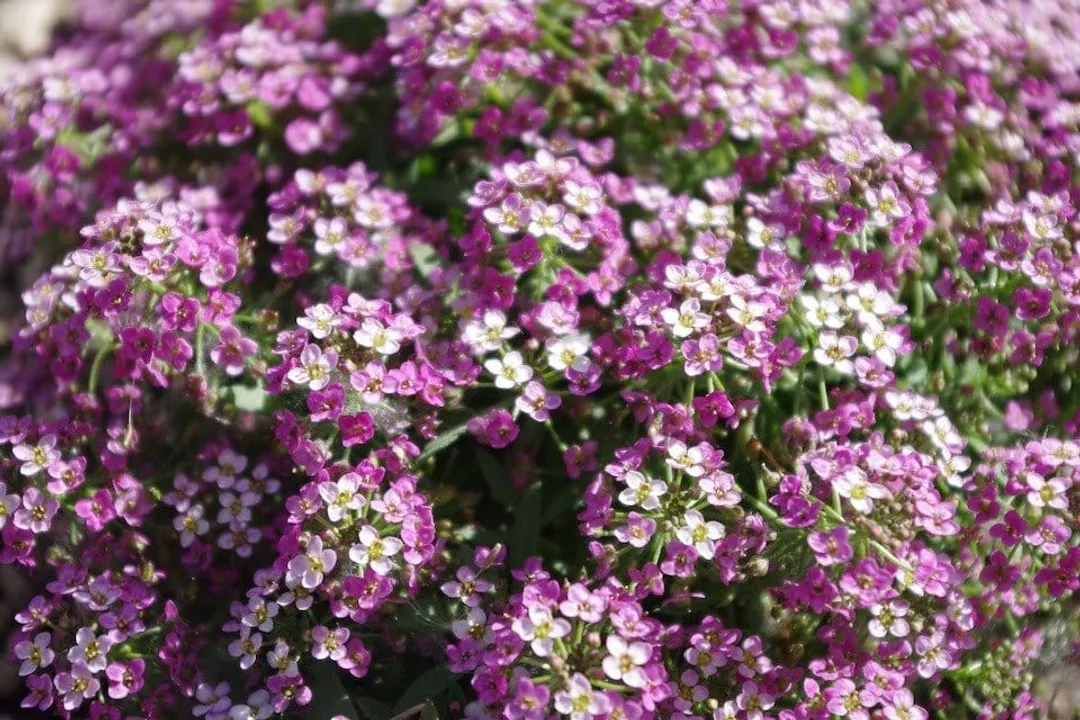
For owners who grow Alyssum from seed, recognizing the mature plant is straightforward. It forms dense mats of small, four-petaled flowers. [2] If you are relying on visual confirmation in a garden center, ensure the plant you are buying is correctly labeled as Lobularia maritima or similar bedding Alyssum rather than a completely different genus that might share a common name or growth habit. Knowing the exact botanical name is crucial should you ever need to quickly relay accurate information to a veterinarian during an emergency call.
When comparing Alyssum to other potential ground covers, such as various sedums or creeping thyme, their appearance can be distinct enough that misidentification is unlikely unless you are dealing with immature seedlings. However, understanding the toxicity profile of neighboring plants—for example, confirming that common border plants like petunias or marigolds are also safe—allows for a more layered approach to garden safety planning. If you have pets that explore garden beds frequently, creating a specific, pet-proofed container garden area adjacent to the main beds, reserved for questionable or known toxic plants, can simplify management considerably. [7]
Related Questions
#Citations
Alyssum | ASPCA
Learn About Alyssums | Burpee Gardening
Beyond Catnip: 7 Safe, Cat-Friendly Plants to Have at Home - Wag!
Is Sweet alyssum Safe for Pets? A Complete Guide - PictureThis
[PDF] Cat-safe plants - Cats Protection
Alyssum - Is it Cat Safe?
Cats and Plants: A Guide to Safe vs. Toxic Flora | Cat Care Society
Drought Tolerant Dwarf Alyssum Ground Cover Plant Tiny Tim ...
Corsican Alyssum Explained: Key Information - Greg