What are the Pallas's cats predators?
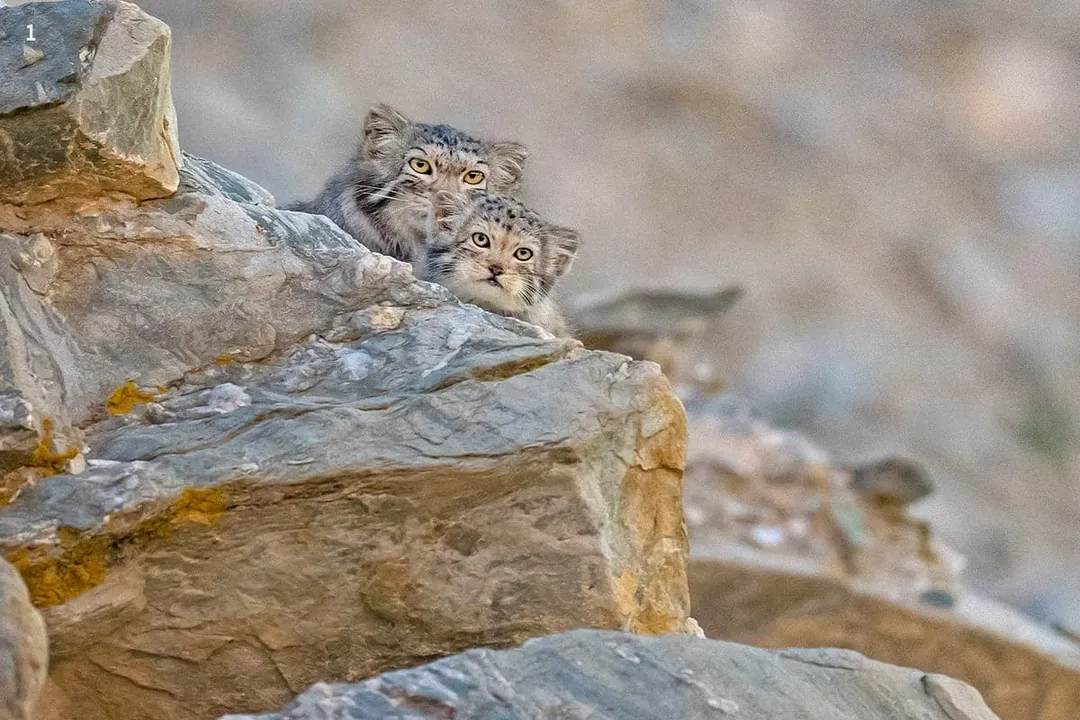
The Pallas's cat, known also by its local Mongolian name manul, is a small wild feline perfectly suited for the harsh, cold, arid grasslands and mountain steppes of Central Asia. With its dense, long fur, stocky build, and famously grumpy expression, this cat (Otocolobus manul) appears well-equipped for survival in one of the world's most extreme continental climates. However, even in this sparsely populated environment, the Pallas's cat is not at the top of every food chain; it faces a range of predators that necessitate its extremely secretive and cryptic lifestyle.
# Apex Threats
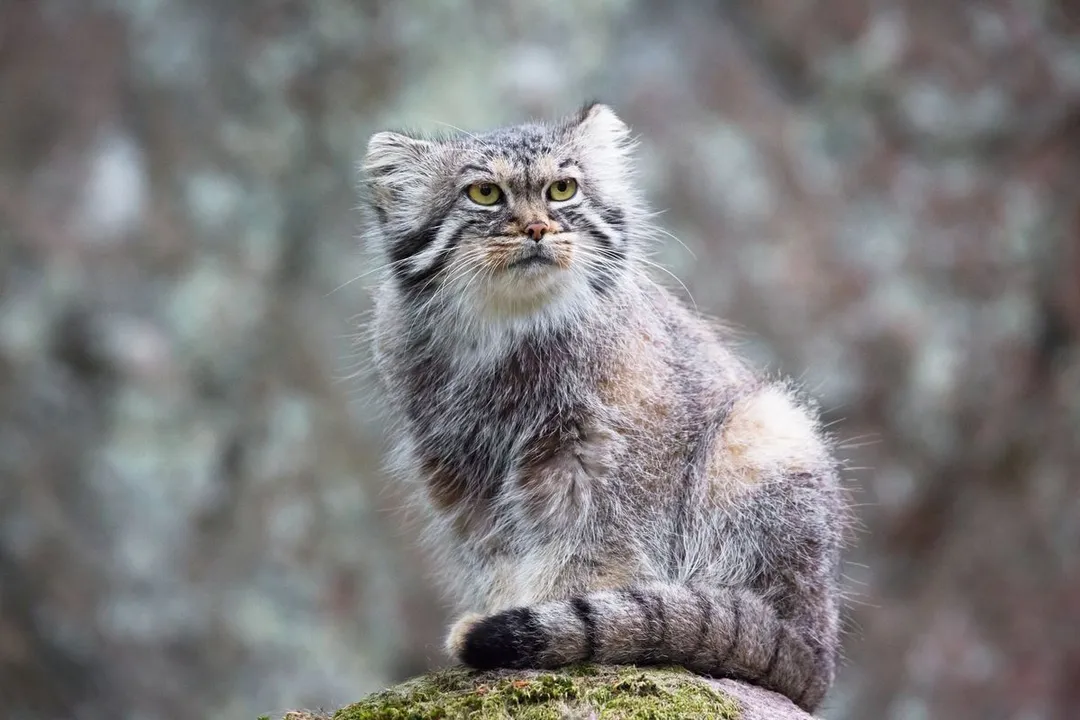
The threats facing the adult Pallas's cat come from both above and on the ground, primarily involving larger carnivores native to the same expansive range. High above the open steppes, large birds of prey represent a significant danger. Raptors such as eagles, notably the Steppe Eagle, are capable hunters that survey the open terrain for any movement. The cat's survival in these open stretches depends entirely on its ability to disappear against the rocky backdrop.
On the ground, the Pallas's cat shares its habitat with larger mammalian carnivores that could view the smaller feline as potential sustenance or competition. Wolves (Canis lupus) are cited as one of these terrestrial dangers. In the vast, unforgiving landscapes these cats inhabit, a direct confrontation with a wolf would likely be fatal, as the Pallas's cat is not built for sustained flight. Its short legs are better suited for stalking and pouncing on small prey rather than escaping large pursuers.
# Canid Competition
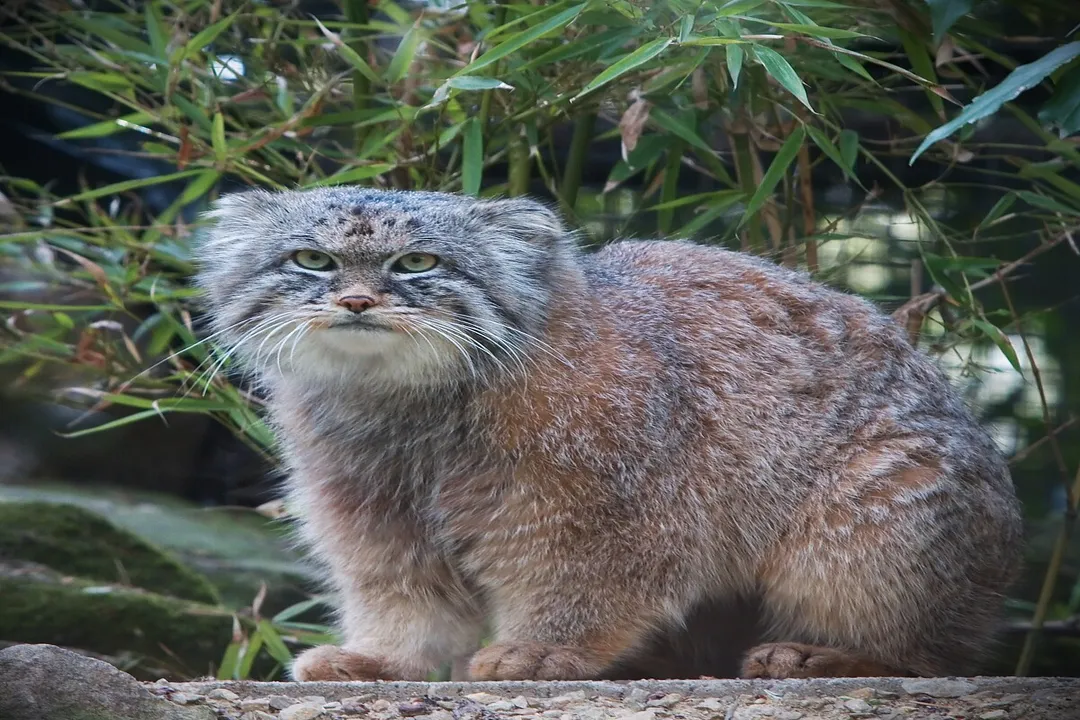
Beyond the great wolves, the Pallas's cat must contend with other medium-sized canids, particularly foxes, which compete directly for resources and may also engage in predation. Both the red fox (Vulpes vulpes) and the Corsac fox (Vulpes corsac) are listed as known potential predators across the cat's range. While these foxes may pose a lesser threat to a healthy adult than a wolf or large eagle, they represent constant competitive pressure for the best hunting grounds and den sites.
More recently, a modern threat has emerged from the expansion of human settlements and nomadic camps: domestic and feral dogs. Reports indicate that herding dogs have been known to kill Pallas's cats in several regions, including Iran and Kazakhstan. This type of conflict stems from human encroachment, adding a layer of immediate, aggressive threat that is more frequent and localized than the sporadic encounters with apex wild predators like wolves.
# Juvenile Peril

While an adult Pallas's cat possesses impressive adaptations for survival, the story is starkly different for the young. Litter sizes are small, typically between two and six kittens, and the survival rate to adulthood is alarmingly low, with estimates suggesting only about a third of kittens survive to establish their own territory. Kittens are born altricial—blind and helpless—and require intensive protection within the den for the first few months of their lives.
Maternal dens, often abandoned marmot burrows or rock crevices, are crucial precisely because they offer escape routes, often having multiple entrances for quick flight should a predator find the location. The mother female, particularly when nursing, stays close to these protective sites, often reducing the size of her foraging range to minimize time spent exposed in the open steppe, where aerial or terrestrial threats are ever-present. The high mortality rate in young Pallas's cats underscores that the risk profile for this species is heavily weighted toward its initial, vulnerable life stages.
# Evasion Tactics

The Pallas's cat’s entire physical appearance and behavior seem to be a direct evolutionary response to predation pressure, especially given its perceived weakness as a runner. Its coloration—a complex mix of light grey, ocherous, and pale yellow with dark spots—provides near-perfect camouflage against the rocky outcrops, scree slopes, and sparse vegetation of its habitat. When threatened, the cat relies on crypsis, freezing low to the ground, slinking down, or bolting into a nearby crevice or den entrance. Running is often considered an unlikely means of escape when facing down large terrestrial or aerial predators.
One highly effective strategy is their ability to remain flat against the terrain. Their short legs, which aid in their ambush hunting style, also contribute to this defense by keeping their profile low. Researchers have noted that when lying flat, especially on the open plains where they must occasionally cross for food, it is extremely difficult for a moving predator to distinguish a resting Pallas's cat from a small rock. This unique physical adaptation, designed for an ambush predator relying on stealth to approach pikas, serves a dual purpose: the very features that make it a successful hunter also render it nearly invisible to things that hunt it. Furthermore, the specialized, low-set, rounded ears help them peer over cover while exposing minimal head surface area, which is beneficial both for spying on prey and for avoiding detection from above.
If we consider the typical rocky habitat where they spend most of their time, an interesting point emerges: their reliance on dens is absolute, as they cannot excavate their own burrows. The availability of abandoned marmot dens is a critical factor in habitat selection, especially in winter, as these provide superior insulation against the -50°C temperatures common to their range. Thus, for the Pallas's cat, the relationship with its primary prey species, like marmots and pikas, is complex—they hunt them for food, but they also rely on them for shelter, making the conservation of prey populations a direct survival imperative against predation.
# Human Impact
Beyond the natural predators inherent to the steppe ecosystem, human activity has introduced powerful, multifaceted threats. Historically, the most direct threat was poaching for the cat's thick, valuable pelt. Although international trade in their fur has largely stopped since the 1980s, local and domestic trade, particularly in Mongolia for clothing and for traditional medicines using their fat and organs, continues to be a concern.
The sheer scale of human impact is perhaps more concerning than direct hunting. Many Pallas's cats are killed accidentally when they are caught in leg traps intended for their competitors or prey, such as marmots, wolves, and foxes. This highlights a broad-scale ecological problem: the Pallas's cat often suffers collateral damage from human activities targeting other species. For instance, widespread government-sanctioned rodent control programs aimed at pikas—the cat's main food source—can lead to secondary poisoning of the carnivores, or simply eliminate their sustenance base.
When evaluating the threats, one sees a clear shift in the balance of danger. While wolves and eagles are ancient, formidable predators, their presence is geographically limited and perhaps less pervasive than the constant pressure exerted by domestic dogs or the systemic threat of habitat modification and poisoning driven by human expansion and infrastructure projects. The modern Pallas's cat faces a continuous, often unseen, barrage of risks that challenge the effectiveness of its physical camouflage and reliance on remote rocky refuges.
In essence, the Pallas's cat occupies a precarious middle ground in its ecosystem. It is a specialized predator successful enough to dominate its small prey base, yet vulnerable enough to be significantly impacted by larger carnivores and, perhaps most profoundly, by the subtle yet pervasive alterations to its fragile steppe environment brought about by human interests.
Related Questions
#Citations
Pallas's cat
Creature Feature: Meet the “Grumpy” Pallas's Cat
PALLAS'S CAT FACTFILE
Felis manul (Pallas' cat) | INFORMATION
Pallas's Cat - Cincinnati Zoo & Botanical Garden
Pallas cat guide: where do they live, what do they eat
Pallas's Cat: Silent Predator of the Trans-Himalayas