What are the cons of a Ragamuffin cat?
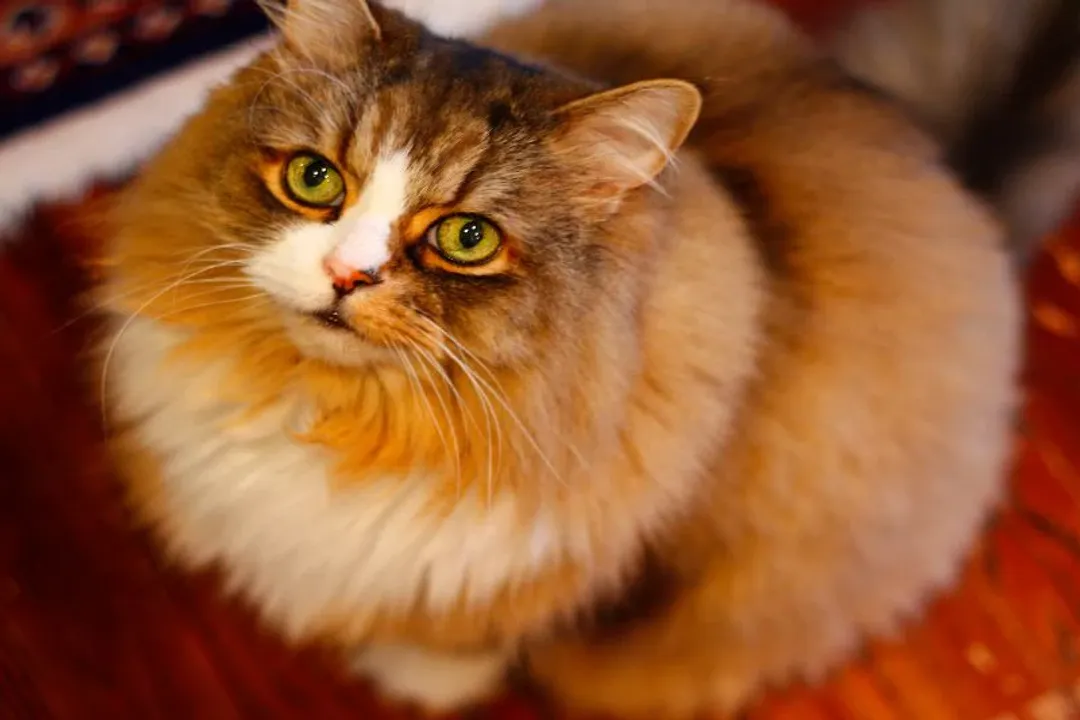
The decision to bring any purebred cat into your home involves weighing the delightful aspects against the potential drawbacks, and the Ragamuffin is no exception to this rule. While famed for their teddy-bear appearance and incredibly placid disposition, prospective owners must understand the specific commitments and potential concerns that come with this large, affectionate breed. [1][3] Facing these realities upfront is key to ensuring a happy, lasting relationship with your feline companion.
# Slow Maturation
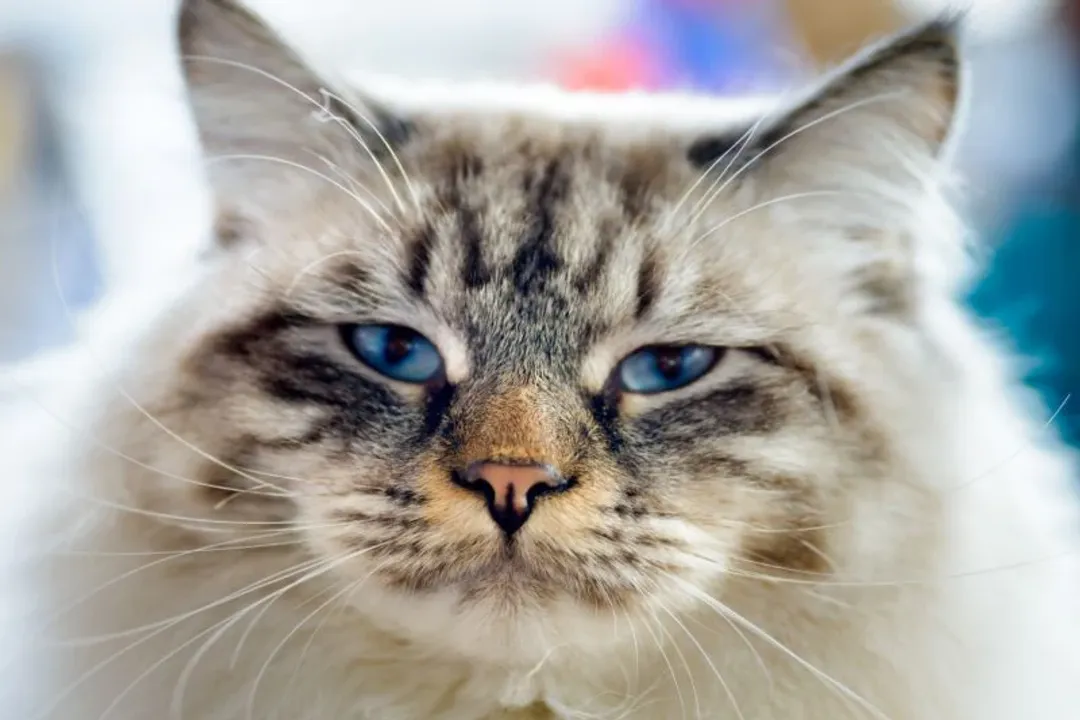
One factor that often surprises new owners is the Ragamuffin’s extended adolescence. Unlike some breeds that hit their adult size relatively quickly, the Ragamuffin takes its time filling out its substantial frame. [1] It can take this breed around four years to fully reach its mature size. [1]
This slow development has practical implications beyond just waiting to see the cat’s final majestic form. While their temperament is generally known for being calm, the slow physical maturity means the owner must manage nutritional needs carefully throughout these extended growth years. [1] Establishing healthy eating patterns early is crucial because, due to their large size and tendency toward being less active indoors, they are prone to gaining excess weight. [1][3] If owners are not attentive during this long maturation phase, they risk setting up habits that lead to obesity later on. The difference in time it takes for a Ragamuffin to physically mature compared to, say, a sprightlier shorthair breed, requires a longer commitment to growth-stage or young-adult specific diets, demanding more patience from the caregiver than anticipated. [1]
# Health Screening
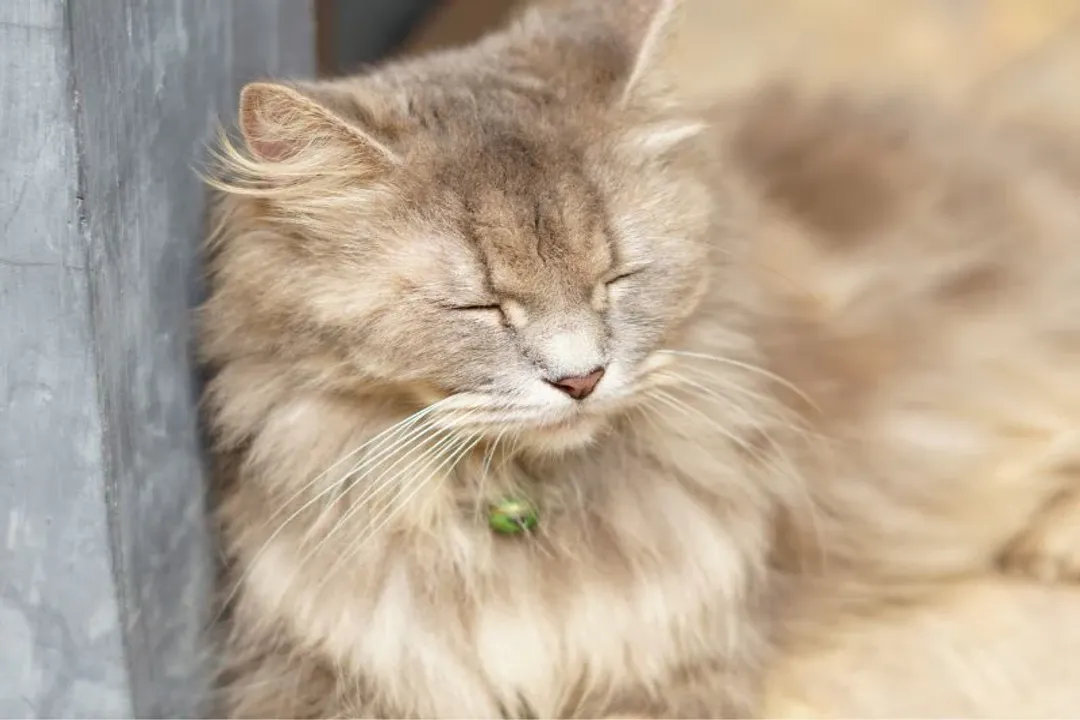
While generally considered a healthy breed capable of living up to 18 years or more, the Ragamuffin is not immune to genetic predispositions common among purebreds. [1][3] Responsible acquisition is therefore not just about finding a beautiful kitten, but finding one whose lineage has been actively screened for serious hereditary conditions. [3]
The primary concerns often highlighted for this breed are Hypertrophic Cardiomyopathy (HCM) and Polycystic Kidney Disease (PKD). [1][3] HCM, a form of heart disease where the heart muscle thickens, can lead to symptoms like trouble breathing, decreased appetite, and lethargy. [1][3] PKD, which may have been inherited from Persian ancestry within the breed’s background, involves cysts developing in the kidneys, potentially leading to kidney failure over time. [1][3] While anecdotal reports of severe health crises exist—one owner shared the loss of a cat under eight years old to congestive heart failure—the key is preventative action through responsible breeding practices. [3] Owners must seek out reputable breeders who can provide health guarantees and evidence of screening for these specific inherited issues, making the initial search for a kitten a critical step in mitigating these risks. [3]
# Coat Maintenance
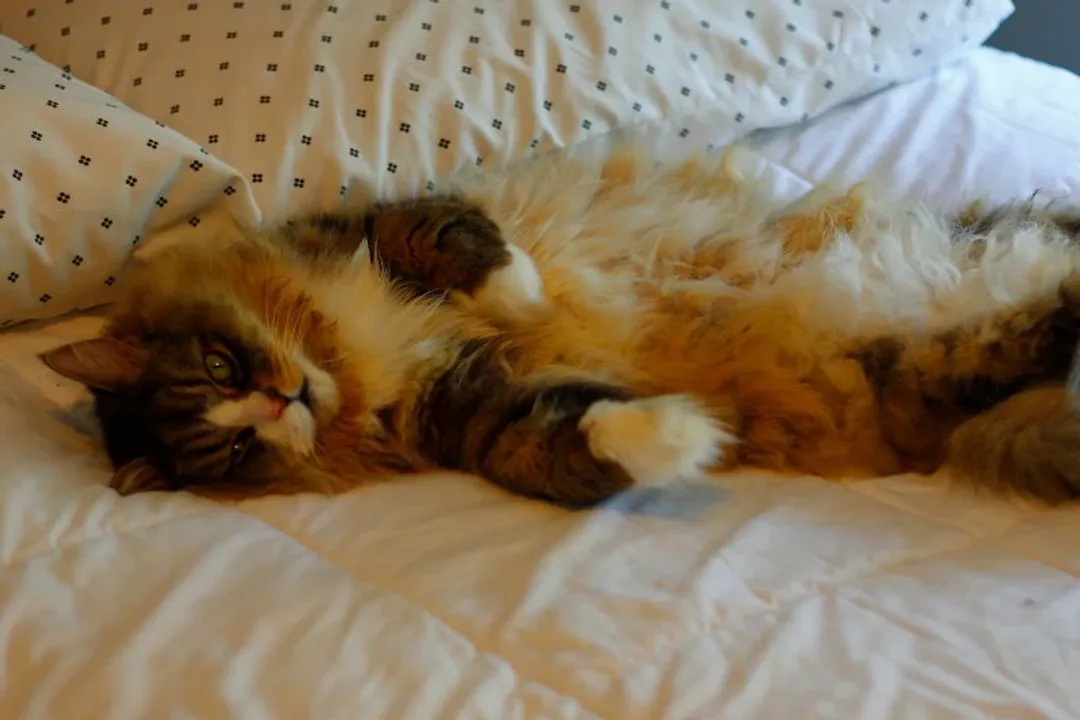
The Ragamuffin’s coat is one of its most celebrated features—often described as thick, plush, and feeling like rabbit fur. [1][3] However, this luxurious medium-to-long fur comes with an inherent maintenance requirement that potential owners must budget time for.
Even though the fur is noted for not tangling or matting as easily as some other longhaired breeds, weekly care is still necessary. [1][3] This maintenance involves thorough brushing, typically at least once a week, to manage the shedding and remove accumulated dead hairs before they end up coating furniture. [1] Furthermore, the reality is that they do shed, meaning they are decidedly not a hypoallergenic option for allergy sufferers. [1] For the owner who desires a low-maintenance coat, the Ragamuffin requires a consistent grooming commitment. This routine, combined with standard requirements like daily teeth brushing to prevent dental disease, means that while the coat might be easier than some, it still necessitates a regular, non-negotiable time investment from the owner. [1][3]
# Social Reliance
The personality that draws many to the Ragamuffin—docile, loving, and extremely people-oriented—is simultaneously one of its biggest challenges for certain lifestyles. [3] These cats thrive on human interaction and connection. They are often happy to be held, enjoy cuddling extensively, and may even follow their chosen person around the house. [3]
This deep attachment leads directly to a potential drawback: high social needs. Ragamuffins reportedly do not fare well when left by themselves for extended periods. For individuals or families where the cat will frequently be alone during long workdays, this breed may be prone to developing stress or separation anxiety. If a prospective owner is seeking a more independent companion—one content to entertain itself for hours without much human intervention—the deeply affectionate nature of the Ragamuffin might prove too demanding, leading to frustration for both the cat and the owner.
# Outdoor Dangers
The Ragamuffin's trusting and gentle demeanor, which makes them wonderful lap cats, creates a significant safety complication when considering allowing them outdoors. [3] They are not built to be self-sufficient outdoor felines. [3]
Their laid-back nature means they are unlikely to possess the wariness or agility required to defend themselves against common external threats such as dogs, other feral cats, or even vehicle traffic. [3] Compounding this is their inherent trust in people. This trait makes them an easy target for being snatched up by strangers who might desire such a beautiful and docile cat but do not understand the commitment involved. [3] Because of these combined factors—low predatory instinct and high human sociability—the consensus is strong: Ragamuffins should always be kept as indoor cats. [3] This strict indoor requirement might be a con for owners who prefer giving their pets supervised outdoor access or an environment where they can roam freely.
# Breed Rarity
Finally, prospective owners should be aware that securing a Ragamuffin can present a logistical and financial hurdle compared to more common breeds. [3] The breed is still considered rare, with only a limited number of breeders available, particularly across the US and Europe. [3]
This scarcity naturally impacts accessibility and cost. Finding a cat from a reputable breeder who adheres strictly to health standards and breed criteria requires diligence and often a longer wait time. [3] Unscrupulous sellers may capitalize on the breed’s popularity without adhering to proper care protocols, making due diligence essential to avoid contributing to unethical breeding practices. The cost associated with securing a purebred kitten with verified lineage and health clearances will often be higher, representing a significant initial financial consideration that is not present with mixed-breed adoptions.
A key piece of practical advice when preparing for this breed stems from understanding their slow growth and high social needs simultaneously. Since they mature slowly over several years and are highly dependent on human presence, establishing a consistent, structured feeding schedule immediately upon bringing the kitten home is a necessary preemptive measure against future weight issues. [1] Free-feeding, common in many multi-cat or low-maintenance households, is risky here because the cat is both prone to overeating and will be in a state of physical development for a long time, meaning their calorie needs shift gradually. [1][3] Therefore, treating the Ragamuffin less like a typical cat whose needs stabilize quickly, and more like a slow-maturing, socially needy houseguest who requires consistent management from day one, is the best path to ensuring their long-term health and minimizing the cons associated with their delightful characteristics.
Related Questions
#Citations
What To Know About a Ragamuffin - WebMD
Ragamuffin Cat: The Fluffiest & Friendliest Feline [Complete Guide]
Is a Ragamuffin Cat Right for You? Full Guide - Pets4Homes