Are there any Pallas cats in the US?
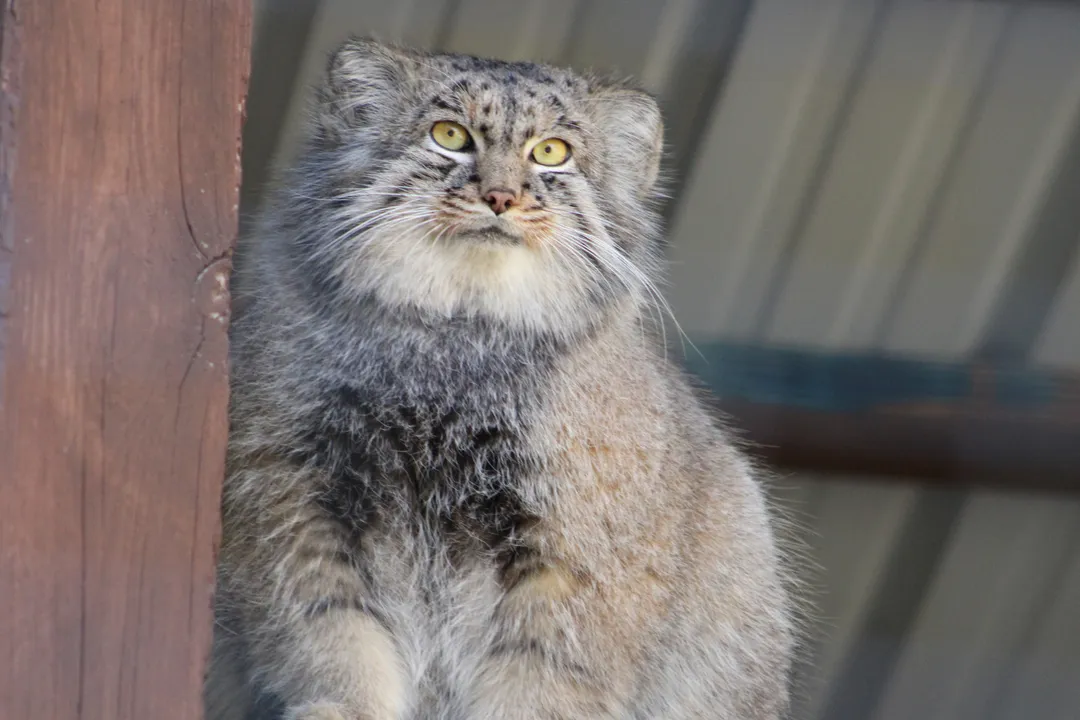
The opportunity to see a Pallas cat, often called a manul, in the United States is real, though these sightings are limited to specific, accredited animal care facilities. These elusive, high-altitude dwellers from Central Asia are not found in the American wild, making their presence in US zoos a significant factor in their global conservation management and public education programs. [3][7] While they are famously solitary and notoriously shy, their captivating appearance—round ears set low on the sides of their head, dense fur, and distinct facial markings—makes them highly sought-after by visitors fortunate enough to observe them exhibiting natural behaviors in carefully designed enclosures. [7]
# Availability Status
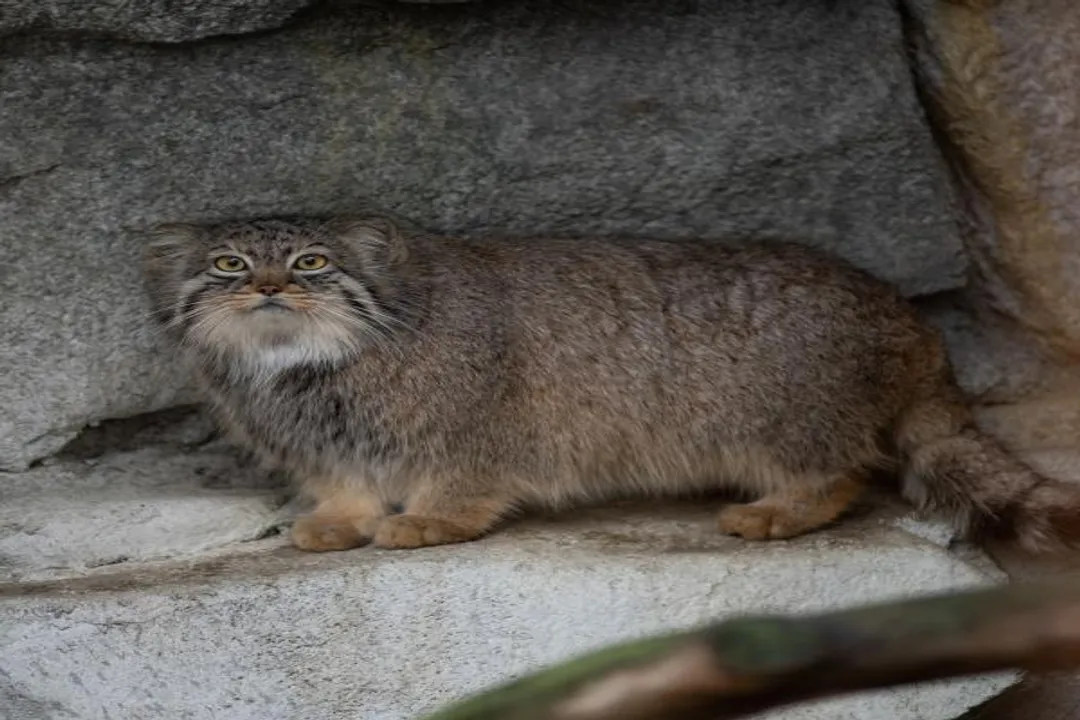
The existence of Pallas cats within the US is entirely reliant on managed care settings, typically within Association of Zoos and Aquariums (AZA) accredited institutions. [1] These zoos participate in cooperative breeding programs, such as the Species Survival Plan (SSP), which manage the captive population to maintain genetic diversity and serve as a safeguard against catastrophic loss in the wild. [3][7] While public sightings are possible, a key distinction to remember is that these cats are not native to North America; every animal present is part of an international conservation effort. [7] Reports on platforms like Reddit sometimes offer current visitor reports, indicating which specific zoos are actively displaying the species at any given time, though official zoo websites provide the most reliable confirmation. [2]
# Accredited Facilities
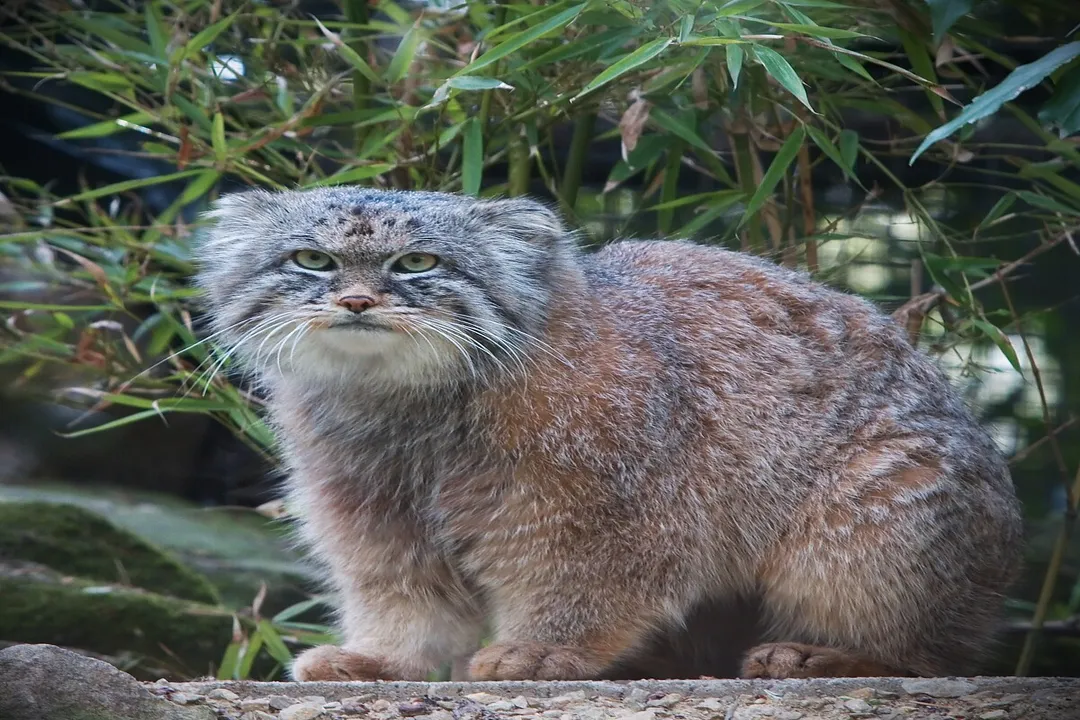
Several major US zoos have successfully housed and bred Pallas cats, allowing the public a rare glimpse of this species. These facilities invest heavily in creating suitable, low-stress environments that mimic their native arid, rocky habitats. [3]
Institutions that have confirmed housing Pallas cats include:
- Columbus Zoo and Aquarium: This facility is a known participant in Pallas cat care and breeding programs. [6]
- Brookfield Zoo: Located in Illinois, this zoo also maintains a population of these unique felines. [9]
- Smithsonian’s National Zoo: Part of the Smithsonian Institution, their involvement underscores the species' importance in national conservation strategy. [3]
- Utica Zoo: This institution in New York has also successfully exhibited Pallas cats, often providing detailed information about the species on their dedicated animal pages. [4]
One interesting dynamic to observe when planning a visit is how different zoos approach the presentation of such sensitive species. For instance, a massive facility like the Smithsonian might present the Pallas cat within a broader Asian fauna exhibit, focusing on large-scale environmental challenges, whereas a smaller zoo like Utica might feature the animal with more focused, in-depth educational materials geared toward regional conservation impacts or species-specific adaptations. [3][4] Both approaches serve the greater goal of species promotion, but the visitor experience context varies significantly.
| Facility | State/Region | Program Affiliation (Inferred) |
|---|---|---|
| Columbus Zoo | Ohio | SSP Participant [6] |
| Brookfield Zoo | Illinois | Managed Care Population [9] |
| National Zoo | Washington D.C. | Smithsonian Conservation Focus [3] |
| Utica Zoo | New York | Species Exhibit [4] |
Community discussions sometimes list other potential locations where these cats might be found, based on past or temporary placements, but reliance on the zoo's own current animal listing is the surest path to a sighting. [2]

# Feline Profile
To appreciate the rarity of seeing a Pallas cat in the US, one must understand the animal itself. Native to the cold, dry grasslands and rocky steppes of Central Asia, the Pallas cat, Otocolobus manul, is perfectly adapted to extreme temperature fluctuations. [7] Their thick, pale gray-to-yellowish coat is their defining characteristic, offering superb camouflage against their sparse environment and providing insulation against harsh winters. [7]
These cats are relatively small, comparable in size to a domestic cat, but they appear much larger due to their incredibly dense fur—which can be nearly twice as long as other small wild cats. [7] Their flattened skull and low-set ears are evolutionary traits designed to reduce heat loss and allow them to peek over rocks with minimal exposure. [7]
One critical aspect of their husbandry, and a major challenge in captive breeding outside their native range, involves their physiology. Pallas cats are known to be highly susceptible to respiratory diseases, particularly pneumonia, which can be triggered by damp conditions or subtle environmental shifts. [7] This heightened sensitivity means that zoos housing them must maintain very precise environmental controls, contributing to the specialized nature of their care. [7]
# Preservation Role
The presence of Pallas cats in US zoos is fundamentally about survival insurance for the species. In the wild, they face threats from habitat fragmentation due to human expansion, poaching for their pelts, and secondary poisoning from rodent control measures aimed at livestock protection. [7] Their conservation status is generally listed as Near Threatened, though some localized populations are considered vulnerable. [7]
Zoos act as living banks for genetic material and knowledge. The dedicated staff at these institutions accumulate vital expertise regarding their unique veterinary needs, dietary requirements, and complex social or breeding behaviors. [3][5] This accumulated knowledge, shared among AZA institutions, directly benefits conservation efforts in the wild by informing field biologists and supporting captive population management. [1] Furthermore, these exhibits serve an undeniable educational purpose. An encounter with a Pallas cat can transform an abstract concept—wildlife conservation in a distant region—into a tangible, memorable experience for a visitor. [8]
When planning a trip specifically to see them, consider that these cats often prefer quiet times for activity. Because they are naturally wary and sensitive to disturbance, peak mid-day crowds might lead to them retreating to shelter areas. [2] A successful viewing strategy often involves arriving right when the zoo opens or checking if the facility offers an early morning tour option, allowing visitors to observe the cats during their naturally more active, less disturbed periods. [6] This alignment between visitor timing and the animal's comfort level maximizes the educational return on the visit.
# Human Interaction
Even for those who work closely with them, the relationship between humans and Pallas cats remains highly managed. While some zoos celebrate specific awareness days, like Pallas Cat Day, to highlight their conservation needs, the actual physical interaction is minimal and strictly professional. [5][8] The goal in professional settings is to maintain minimal stress, which means hand-rearing or direct handling is avoided whenever possible, relying instead on target training or positive reinforcement for necessary veterinary procedures. [3]
The educational messaging accompanying these exhibits often highlights the contrast between the cat's fierce, wild reputation and its somewhat timid, reclusive nature in reality. [7] This serves as an important reminder that 'wild' does not always equate to 'aggressive' when discussing animals perfectly adapted to their niche—in this case, being masters of stealth in the high Asian plains, rather than open confrontation. [7] Seeing a Pallas cat in a US zoo is thus a profound opportunity to connect with an ecosystem thousands of miles away, supported entirely by the dedication of the professional zoological community.
Related Questions
#Citations
Zoos where you can see Pallas's cats - Manulization
Where to see Pallas Cats : r/PallasCats - Reddit
Pallas's cat | Smithsonian's National Zoo and Conservation Biology ...
Pallas's Cat - Utica Zoo
International Pallas Cat Day 2025: Discover the Adorable Wild Feline
Pallas' Cat - Columbus Zoo
Pallas's cat - Wikipedia
Pallas Cat Day | Heron Lakes Animal Hospital
Pallas's Cat - Animals at Brookfield Zoo Chicago