Are Birman cats talkative?
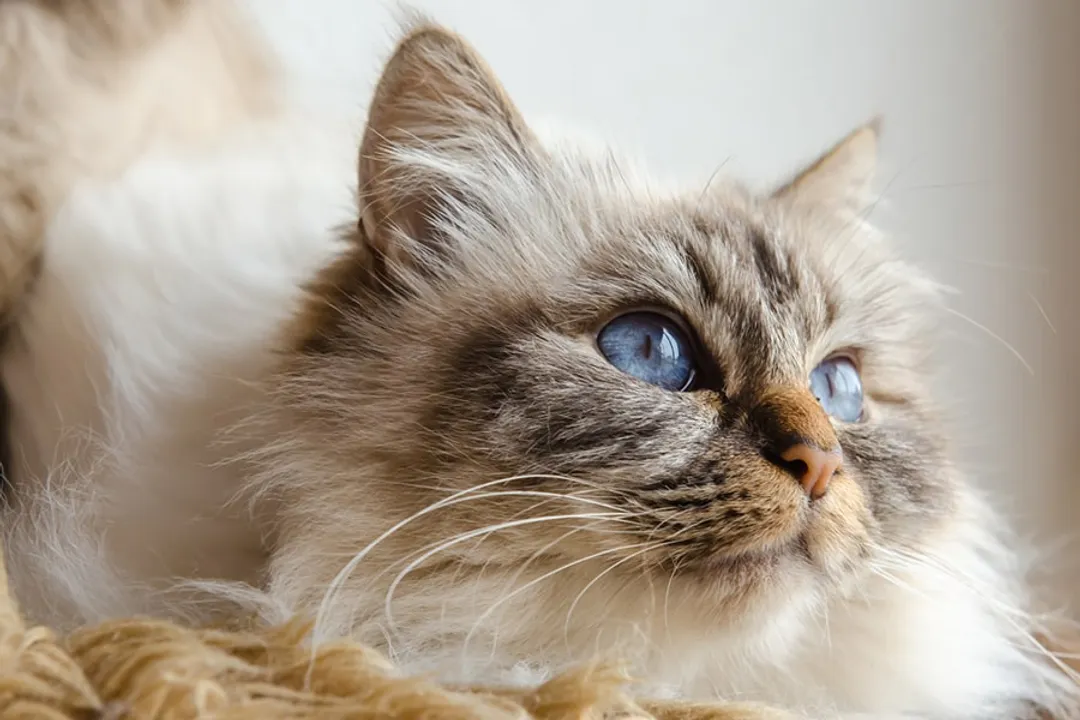
The question of how talkative a Birman cat is often receives varied answers, suggesting that the breed's sound level exists on a spectrum rather than being strictly quiet or excessively loud. While they are widely celebrated for their gentle, docile, and affectionate temperament, the reality of their daily communications can sometimes surprise new owners. [3][4][6][8] Unlike some breeds famous for their constant, demanding chorus, the Birman’s vocal tendencies appear more situational, often reflecting their desire for interaction or attention rather than a default setting of chatter.
# Temperament Basis

The core personality traits associated with the Birman breed lay the groundwork for understanding their typical sound output. They are frequently characterized as sweet, friendly, and sociable companions who thrive on companionship. [4][6] This sociability means they actively seek out human presence, and when they do vocalize, it is often to initiate contact or seek reassurance. [10] Their gentle nature tends to manifest in softer vocalizations rather than persistent, loud demands. [8]
Many owners describing the breed emphasize their quiet disposition. A Birman is generally not described as a cat that loudly dominates the household soundscape simply for the sake of noise. [3] They prefer to be near their people, often following them from room to room, communicating their presence through soft sounds or simply by being close by. [3] When looking at the breed standard and general temperament guides, the impression given is one of a relatively reserved feline companion, though this does not equate to silence. [10]
# Vocal Range
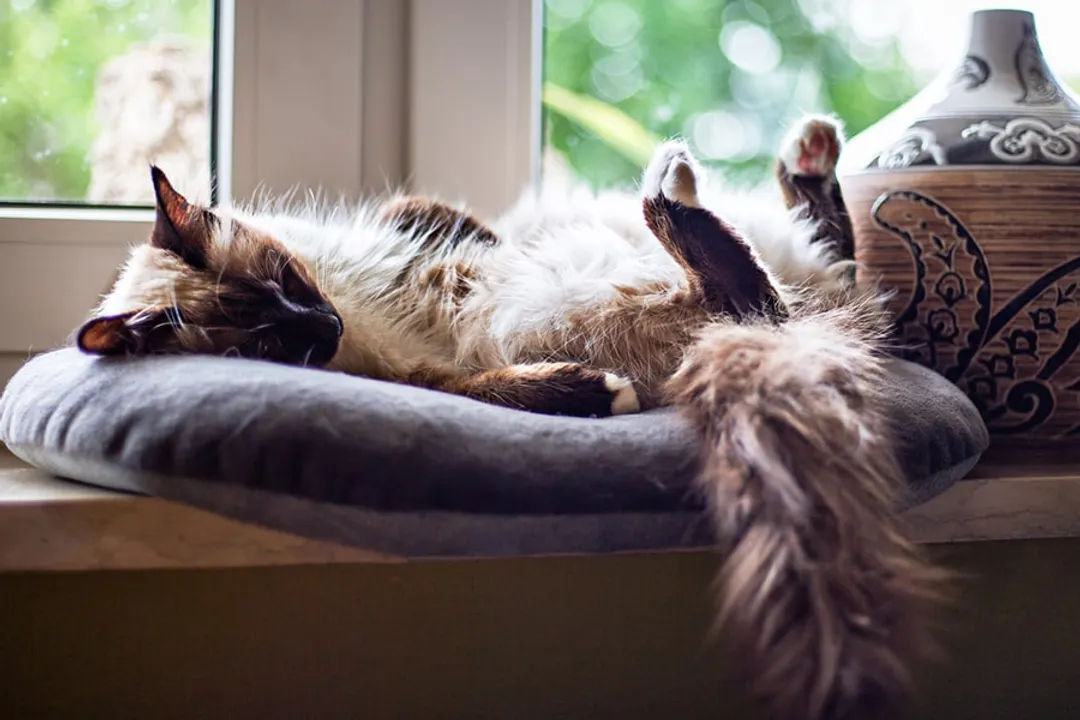
When Birmans do choose to speak, the type of sound they make is often noted. Their meow is sometimes described as soft or musical, fitting their overall elegant presentation. [8] However, this gentleness can be deceptive. One individual’s soft request might be interpreted differently by another owner, or the frequency might build up unexpectedly.
There are recorded instances where Birmans are decidedly not quiet. Reports exist from dedicated owners detailing periods where their cat became very vocal, with one specific owner noting their Birman was very vocal between the early morning hours of 4:30 AM and 7:00 AM. [2] This suggests that while the breed may lean toward quietness generally, strong personalities or specific needs can drive them to communicate with persistence. [2]
This discrepancy—the breed being generally described as gentle versus specific accounts of morning demands—is an important nuance for potential owners. The perceived quietness might simply mean their communication style is less abrasive than breeds known for persistent, loud yowling, but they are certainly capable of making their needs known when necessary. [9]

# Reasons for Sound
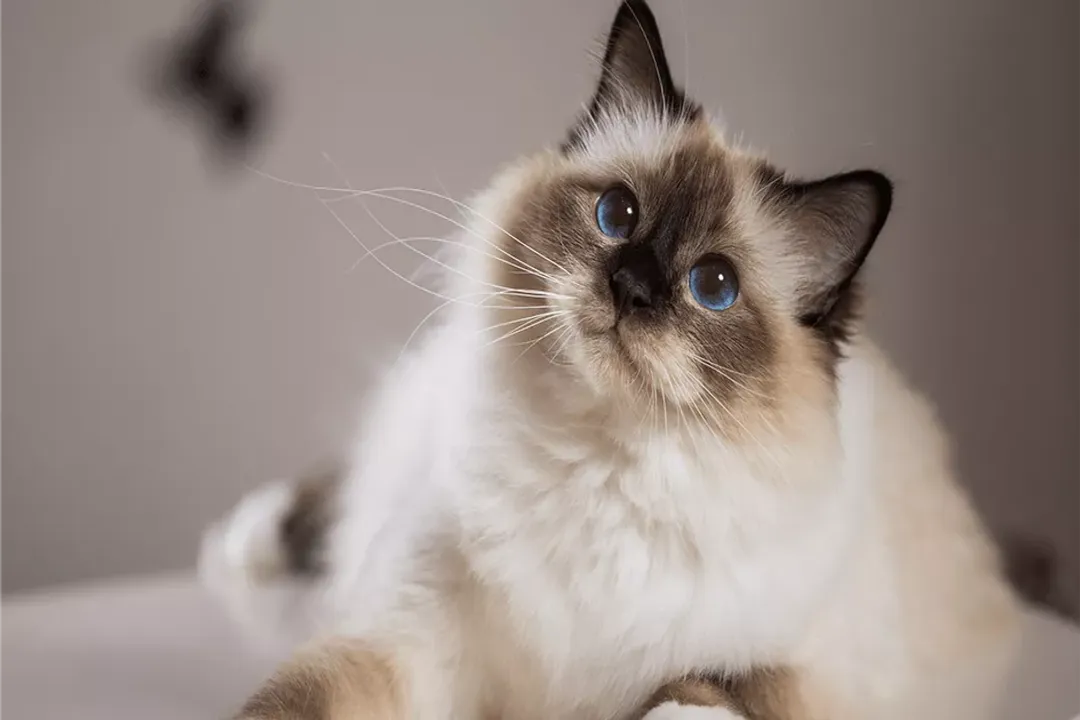
Understanding why a Birman is making noise is far more helpful than simply labeling them as quiet or loud. Because they are deeply attached to their human families, a significant portion of their vocalization is tied directly to their need for affection, play, or food. [1]
If a Birman becomes suddenly or constantly vocal, veterinary consultation is essential. One expert noted that while some Birmans are known to be somewhat vocal, constant meowing can signal underlying issues, such as anxiety, stress, or an unrelated medical problem requiring attention. [9] A cat that is typically reserved but suddenly begins to vocalize heavily might be trying to signal physical discomfort or emotional distress. [9]
Furthermore, the Birman’s affectionate nature means they can sometimes become demanding of attention. If a cat learns that a specific sound elicits an immediate petting session or a treat, they will logically repeat that behavior. This learned behavior can shift an otherwise quiet cat into a persistent communicator aimed squarely at their favorite person. [1][7]
| Vocalization Trigger | Common Context | Implication Level |
|---|---|---|
| Greeting | Owner entering the room | Low/Social |
| Hunger/Thirst | Mealtime approaching | Medium/Demand |
| Affection Seeking | Owner relaxing, cat ignored | Medium/Social Demand |
| Sudden Change | Any time, persistent | High/Potential Medical/Anxiety [9] |
# Managing Vocal Habits
For those seeking a truly silent companion, the Birman may require more management than breeds naturally inclined to solitude. While their meows are often softer, the sheer repetition of any sound can become bothersome, especially early in the morning. [2]
One effective approach involves establishing clear communication boundaries tied to the environment and schedule. If a cat begins demanding attention or food an hour before the established feeding time, consistently ignoring that specific pre-meal vocalization and only responding at the correct time helps retrain the association. This requires patience, as the cat may initially escalate the noise level—the dreaded extinction burst—before learning the old method no longer works. [2] If you manage the morning demands by getting up early, you teach the cat that 4:30 AM is the new acceptable wake-up call. [2]
It can be helpful to analyze the Birman’s vocal signature against other breeds. While a Siamese might use a piercing, insistent cry to get what they want, the Birman’s vocalization, even when persistent, is often less jarring to the ear due to the quality of their voice. [8] Recognizing this difference can help owners temper their reaction; a Birman’s demand might be less of an outright "yell" and more of a persistent, gentle inquiry that still requires a firm, consistent response regarding when that inquiry will be answered.
Another important step involves ensuring environmental enrichment mitigates boredom, a common cause of attention-seeking meows. Because Birmans are sociable, isolation can trigger vocal communication aimed at reconnecting with the family unit. [10] Providing interactive toys, puzzle feeders, or ensuring dedicated, scheduled playtime (not just passive lap time) before you settle in for the evening can redirect that need for interaction into quieter play behaviors. This proactive management addresses the root cause of attention-seeking sounds rather than just treating the symptom of the meow itself. [1]

# Individual Variation
Ultimately, when discussing the talkativeness of the Birman, one must acknowledge that breed generalizations only go so far. Just as one Birman might be content with a single soft chirp to acknowledge your presence, another, perhaps drawing from a slightly different genetic line or having a more assertive personality, might feel the need to narrate their entire day. [2][9] They are individuals first and foremost.
The key differentiator for Birman owners appears to be understanding that their vocalizations are usually purposeful—they want something specific, whether it is food, a door opened, or simply physical contact. They are not typically known for the random, incessant vocalizing sometimes seen in other highly vocal breeds. Therefore, prospective owners should prepare not for a constant noise machine, but for a communicative, interactive cat whose vocalizations, though perhaps soft, will be directed specifically at them and their daily routine. [3][7]
Related Questions
#Citations
Meet the Birman Cat: Personality, Grooming, and Health
Very vocal Holy Birman at 4:30am to 7:00am : r/CatAdvice
What Birman cats are actually like versus what they are ...
Birman Cat Breed Information
34 Facts About Birman Cats
Birman: Personality, Diet, Grooming, Training
How affectionate are Birman cats?
What makes the Birman cat different from other cat breeds?
What are common traits of Birman cats? I'm curious ...
Cat Lovers guide to the Birman Cat