Is the Arizona blonde tarantula arboreal or terrestrial?
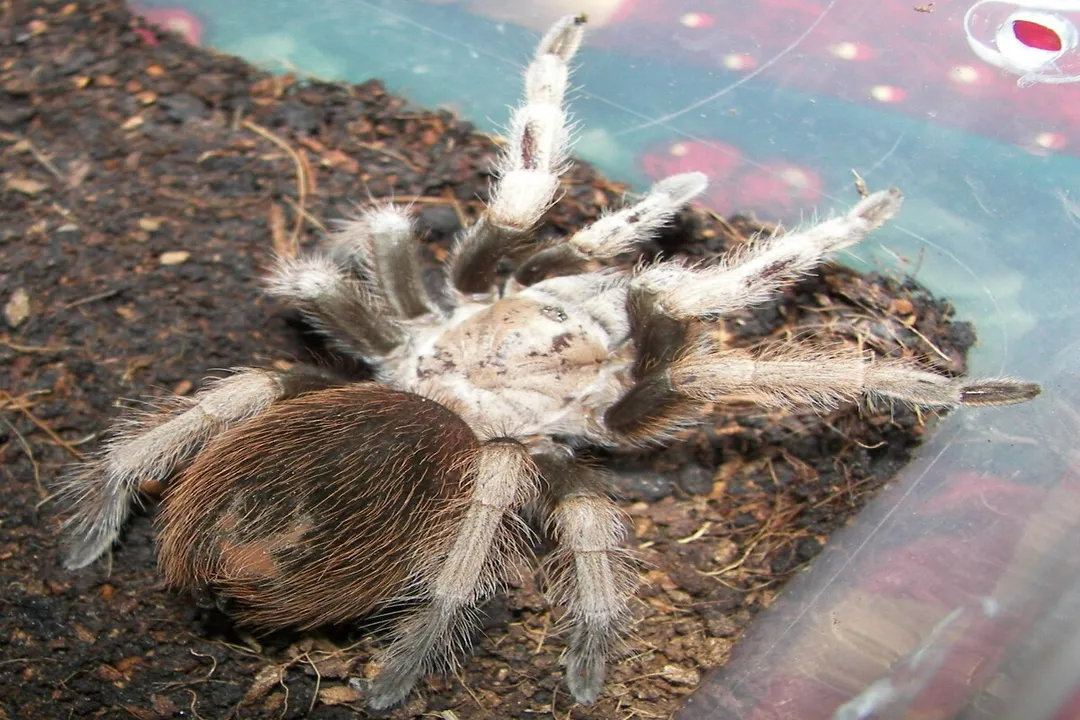
The classification of the Arizona blonde tarantula (Aphonopelma chalcodes) is quite clear for those familiar with its natural history: this species is firmly terrestrial. It does not dwell in the branches of trees; rather, it is a creature of the desert floor, making its home in carefully constructed underground retreats. This designation as a ground-dweller dictates everything about its appearance, behavior, and the proper way it should be housed when kept as a companion animal.
# Ground Dweller Confirmed

The common name, Arizona blonde, points directly to its origins in the arid regions of the Southwestern United States, particularly Arizona and parts of New Mexico. These environments are characterized by extreme fluctuations in temperature and harsh, dry conditions. To survive where surface temperatures soar during the day, A. chalcodes has evolved to be a creature of the subterranean world, rarely venturing out until the heat of the day has subsided. While its cousin species might climb branches or spin elaborate webs high off the ground, the blonde tarantula is dedicated to the earth beneath its feet. The scientific classification summary notes its habitat regions as temperate and its biome as desert or dune. This strong preference means that any setup designed for this species must prioritize floor space and depth over vertical climbing features.
# Burrow Function
The burrow is not merely a hiding spot; it is the tarantula's thermostat, pantry, and fortress combined. These spiders are reclusive and predominantly nocturnal, relying on their hidden homes to shield them from daytime predators like birds and snakes. By digging deep, the spider achieves stability against the drastic temperature swings common in the desert. While they can emerge when surface temperatures are in a specific, comfortable range—between roughly and —the burrow remains the center of their existence.
A key piece of behavior linked to their burrow is the use of silk. A. chalcodes often lines the entrance to its retreat with silk strands. These delicate tripwires are used as vibration sensors, allowing the spider to remain hidden deep inside while still detecting the presence of approaching prey, such as beetles, grasshoppers, or caterpillars, as soon as they break the line of silk. When the signal is received, the spider waits, relying on its stealth until the moment to strike is right. The literature confirms this behavior by labeling them terricolous, meaning they live on the ground.
# Substrate Necessity
For keepers, understanding the terrestrial, burrowing nature translates directly into enclosure requirements. The key to a happy Arizona blonde is deep substrate—as much as 10 to 15 centimeters deep for an adult—allowing them to excavate a home that meets their natural depth requirements. The enclosure itself should be oriented horizontally, favoring floor space over height, as falls can be fatal for these heavy-bodied spiders.
It is interesting to note the divergence in advice found among hobbyists versus established husbandry guides. While some keepers might observe a new, perhaps stressed, specimen simply hiding under decor, experienced arachnid literature strongly suggests that a lack of digging points to environmental deficiencies. For instance, one common mistake might be using pure coconut fiber, which can be too light or fine to hold a structurally sound tunnel, leading the spider to abandon its attempts. A true terrestrial like A. chalcodes requires a substrate that packs well, perhaps a mix incorporating soil or clay, allowing it to engineer its own stable environment. The presence of a large piece of cork bark or a half-log provides the necessary anchor point from which the spider can begin excavating its permanent residence, mimicking the way they might dig under a stone in the wild. This focus on allowing natural digging behavior is paramount for the spider's long-term welfare, which is especially relevant given their incredible potential lifespan.
# Lifespan Commitment
The difference in longevity between the sexes also reinforces their grounded lifestyle. Females of Aphonopelma chalcodes are known for their impressive, slow-paced existence, potentially living for over 25 years in captivity, a span that necessitates a stable, protected home base. Males, on the other hand, mature and die relatively quickly, living only about 8 to 10 years in total, with a brief lifespan post-final molt. This commitment to decades of life for the female is entirely dependent on her ability to maintain her dark, protective burrow environment throughout the years, molting safely deep underground.
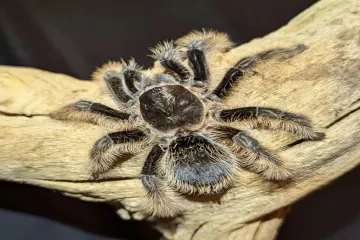
If one were to compare this species to a true arboreal tarantula—one that spends its life in trees—the differences in required setup are stark. An arboreal species requires height, vertical anchor points like cork tubes or dense foliage for web anchors, and often slightly higher humidity levels to mimic a canopy environment. The Arizona blonde, however, needs none of this vertical architecture. Providing it with a tall enclosure is counterproductive, forcing it to either spend all its time on the floor or risk a fatal fall when it inevitably attempts to climb the smooth sides. Their heavy build is perfectly suited for the ground, not for clinging to vertical surfaces.
# Docile Nature
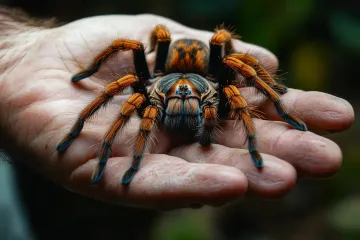
Despite the potential need for deep substrate and the avoidance of humidity, keepers often favor this species for its agreeable temperament. The Arizona blonde is one of the more docile members of the hobby, tending to retreat into its secure burrow rather than confront a perceived threat. When it does feel bothered, its primary defense is to flick irritating urticating hairs from its abdomen toward the disturbance. While a bite is possible, its venom is generally considered to have a toxicity level comparable to a bee sting. This slow-moving, non-aggressive demeanor meshes perfectly with its terrestrial existence; it is a creature designed for patience and defense from below, not for fast, aerial evasion. Their quiet, deliberate movements are the epitome of a grounded existence, contrasting sharply with the frantic energy often associated with some of their tree-dwelling relatives. This combination of extreme longevity, manageable venom, and peaceful ground-dwelling behavior makes A. chalcodes a cornerstone species for those who appreciate desert adaptations.
Related Questions
#Citations
Aphonopelma chalcodes | INFORMATION - Animal Diversity Web
Arizona Blonde not burrowing : r/tarantulas - Reddit
Arizona Blonde Tarantula Care
Aphonopelma chalcodes - Wikipedia