Do Australian Terriers have hair or fur?
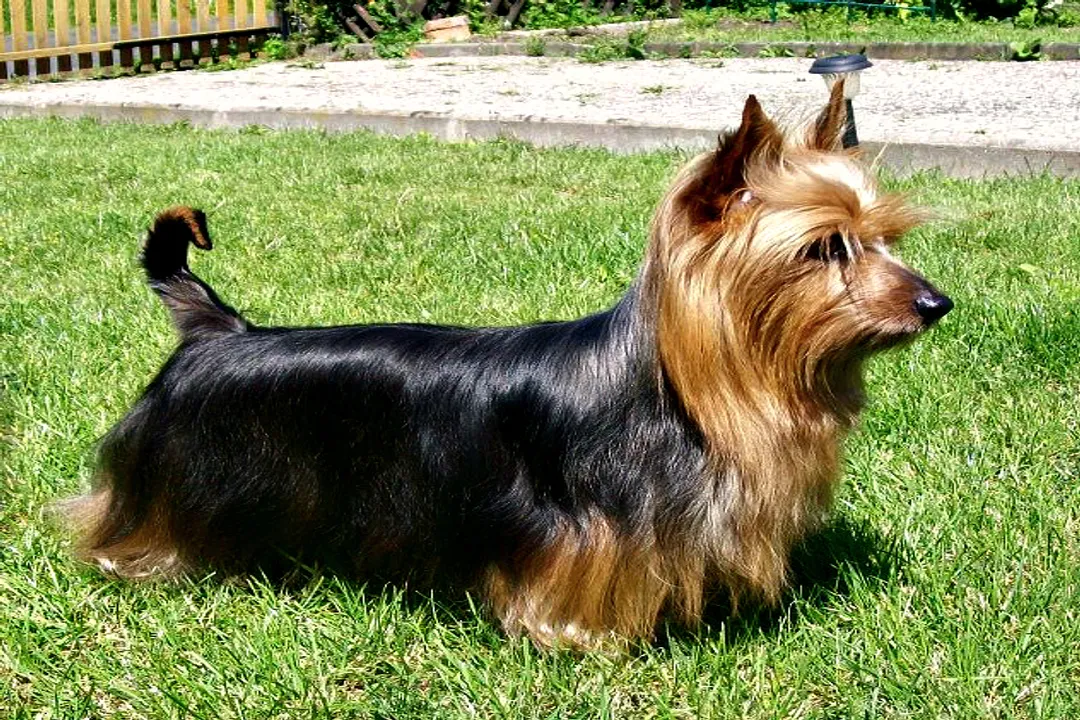
The coat of the Australian Terrier is one of its most distinctive features, and understanding its composition is the key to settling the perennial query over whether they sport "hair" or "fur." In truth, the Aussie Terrier possesses a double coat, a characteristic shared by many hardy breeds developed for outdoor work. This structure means the answer isn't a simple binary choice but rather a description of texture and function: they have a combination of wiry outer protection and soft internal insulation.
# Coat Composition
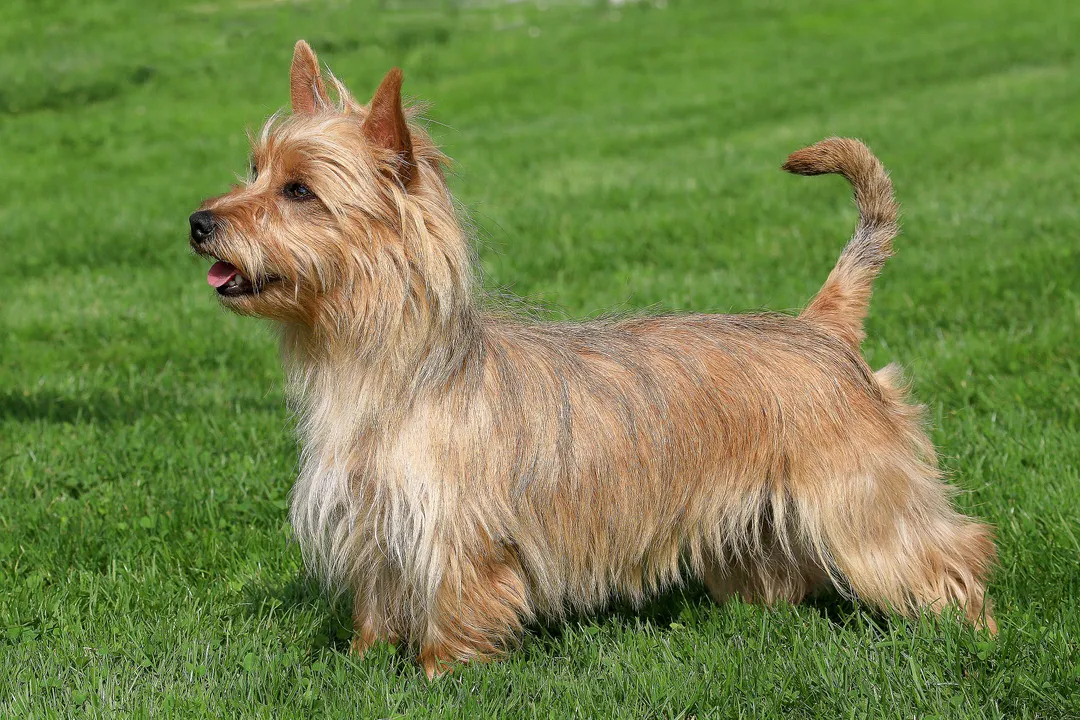
The outer layer is described consistently across breed standards as harsh, straight, and dense. This is the functional, weatherproof shield, naturally designed to repel dirt and water, a necessary trait for a dog developed to hunt vermin in the rugged Australian environment. On the body, this top coat should be kept at approximately two and a half inches long. Complementing this is the undercoat, which is short and soft. This undercoat provides the necessary insulation, helping the terrier regulate its body temperature against harsh conditions.
What often leads to the "hair" designation in breeds like the Australian Terrier, compared to breeds often cited as having "fur" (like a short-coated Labrador), is the shedding pattern and texture. Dogs with a traditional heavy-shedding fur coat often blow their coat seasonally. Australian Terriers are characterized by low shedding. Because the outer coat is wiry and harsh, dead hairs tend to remain trapped in the coat rather than falling out freely, leading to the need for manual removal techniques like hand-stripping. Furthermore, the texture of the outer coat is explicitly noted as being not like the typical feel of a wire-haired terrier, but rather "more like the feel of coarse human hair". This low-shedding, continuously managed texture aligns more closely with what many consider to be hair.
# Unique Furnishings
Beyond the main body coat, the Australian Terrier features specialized furnishings that affect its overall appearance and maintenance schedule. The hair on the top of the head is notably different; it grows longer and is described as soft and silky. This forms the characteristic topknot, which, along with the distinct ruff around the neck that extends toward the breastbone, gives the breed its signature rugged look. The feathering on the legs and feet is also softer than the main body coat. For the blue and tan variety, knowledgeable breeders recognize an additional unique characteristic: a thumbprint of soft black hair on the skull, though this feature is not mentioned in the official judging standard.
# Maintenance Methods
Maintaining this dual texture requires careful grooming decisions. While weekly brushing is necessary to keep the coat healthy and tangle-free, the method used for removal of dead coat is crucial. The breed standard emphasizes keeping the coat untrimmed or using hand-stripping to maintain its natural, weather-resistant qualities. Clipping the coat is generally discouraged because it can damage the texture and dull the coat’s natural coloring. Hand-stripping, which involves pulling out the dead, dead outer hairs, preserves the harshness and density required by the standard. While trimming the hair around the eyes is often practical for sight, the primary body coat benefits most from the traditional stripping method.
Given their working ancestry, the Australian Terrier’s coat structure is functionally excellent for protection, which is likely why they are cited as being hypoallergenic, often due to low shedding releasing less dander into the environment. However, this protective quality means the coat is designed to hold onto debris, making consistent, deep brushing essential, particularly in areas where the softer undercoat can mat, such as behind the ears and under the legs.
# Relative Coat Textures
To better understand the Australian Terrier's coat, it helps to compare it to its close relatives. The Australian Silky Terrier, for instance, shares common ancestors but was developed primarily as an urban companion. The Silky Terrier’s identifying feature is its coat, which is described as flat, fine, glossy, and silky. This starkly contrasts with the harsh, wiry outer layer of the Australian Terrier, highlighting a divergence in grooming and texture needs between the two breeds despite their shared lineage.
One practical consideration for owners involves synchronizing grooming with the local climate. Since the wiry topcoat is inherently weather-resistant, stripping the coat down too aggressively right before a cold, wet season removes that essential barrier. It is often wise to time major hand-stripping procedures for late spring or early summer, allowing the coat sufficient time to regenerate its full density and weatherproofing before the cooler, damper months arrive, even if it means tolerating a slightly longer, shaggier look for a few weeks. This strategic approach honours the coat's protective function while meeting grooming requirements.

# Color Variation
The coat texture is consistent across the accepted colors, which are blue and tan, solid sandy, or solid red. In the blue and tan dogs, the blue can range from steel gray to silver blue, with rich tan markings. The topknot on these dogs can be silver or a lighter shade than the head color. Clear sandy or solid red dogs should not carry dark shadings or smuttiness. White markings on the chest or feet are considered a fault in all colors.
# Beyond the Standard
While breed standards focus on the ideal presentation, the reality of owning a terrier built for ratting involves accepting a degree of earthiness. The dense, harsh coat, while weather-resistant, will certainly pick up every burr, twig, and speck of mud encountered during an energetic bout of digging or chasing wildlife—instincts they retain strongly. This hardiness means baths are not needed frequently, perhaps only every four to six weeks unless the dog gets particularly messy. When bathing, using a gentle, moisturizing shampoo is more critical than the frequency, as harsh products can strip the natural oils that keep the weather-resistant outer layer supple, potentially leading to skin irritation or dryness beneath the dense growth.
In summary, the Australian Terrier does not fit neatly into the common "hair" or "fur" labels. They possess a highly functional, wiry, harsh double coat with a soft underlayer. This coat type necessitates consistent brushing and often requires hand-stripping to maintain its texture and low-shedding nature, confirming that its management aligns more with what owners typically call caring for hair rather than managing seasonal fur shedding.
Related Questions
#Citations
Australian Terrier - All About Dogs - Orvis
Australian Terrier: Dog Breed Characteristics & Care
Australian Silky Terrier - Wikipedia
Australian Terrier Facts - Dog Breeds - Wisdom Panel
The Vet's Guide to Australian Terriers Dogs: Facts, Care, and ...
Breed Standards : Australian Terrier | United Kennel Club (UKC)
Australian Terrier Grooming Guide for First-Time Dog Owners
[PDF] the australian terrier - FCI