Do grasshopper mice eat tarantulas?
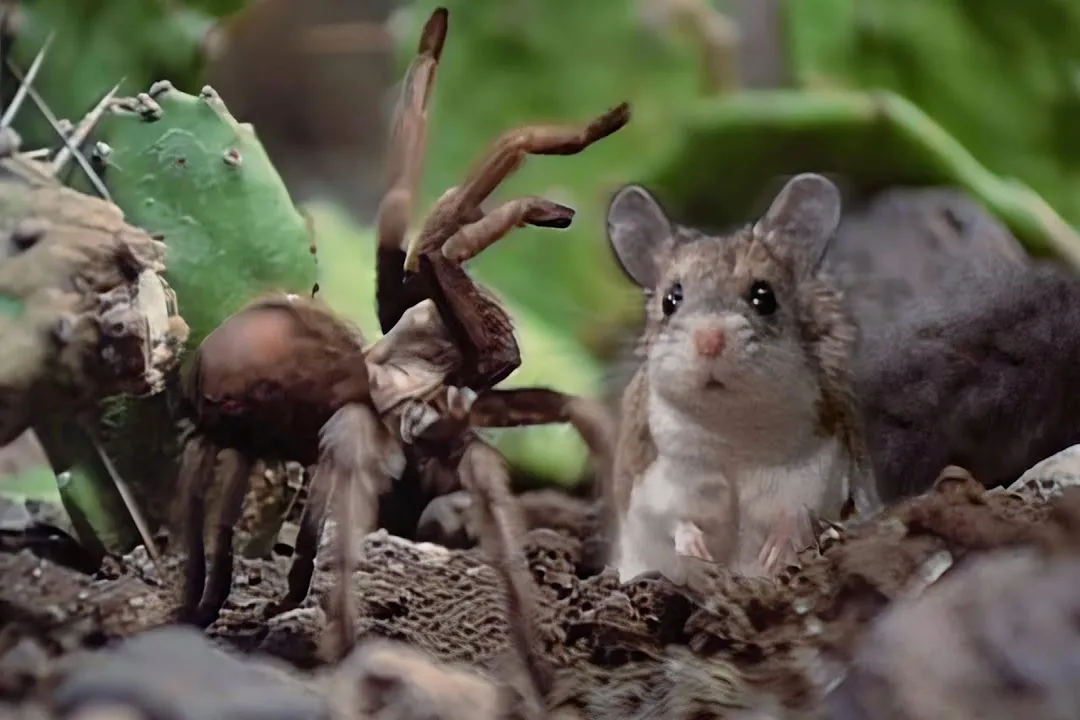
The grasshopper mouse stands apart in the rodent world, notorious not for hoarding seeds but for actively pursuing and consuming prey that most small mammals instinctively avoid. Their diet is decidedly carnivorous, a stark deviation from the herbivorous norm, leading directly to the question of their predatory scope, which notably includes formidable desert arthropods like tarantulas. These aren't passive scavengers; they are determined hunters equipped to take on some of the desert’s most venomous inhabitants.
# Carnivorous Rodents
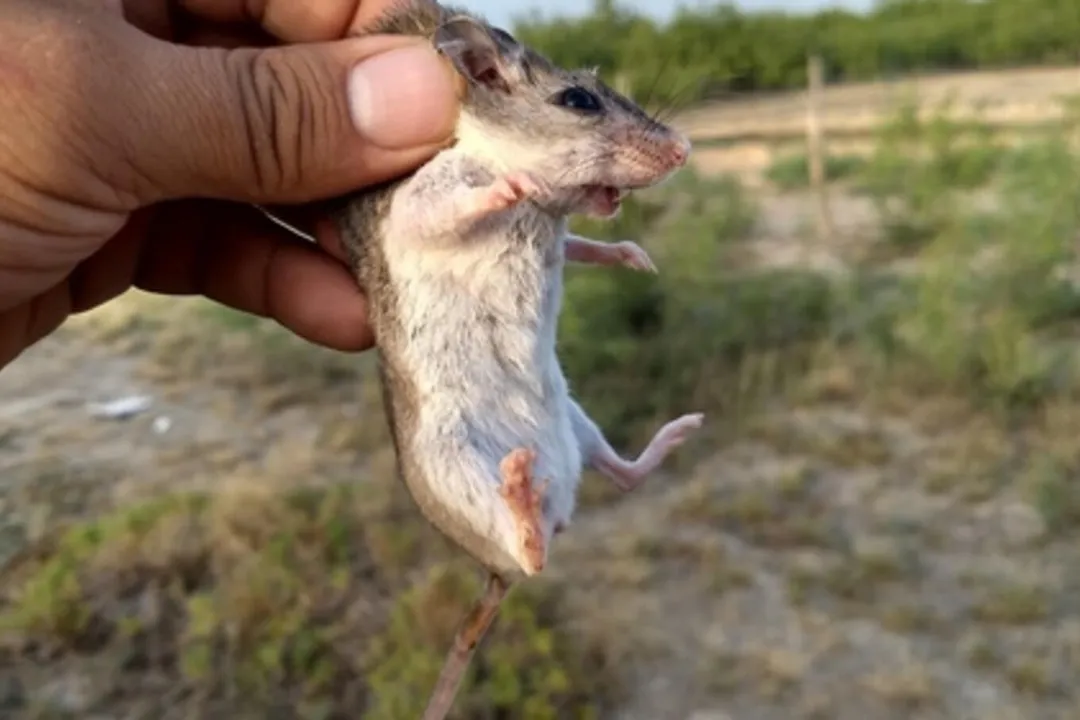
The genus Onychomys, encompassing the grasshopper mice, is recognized across North America for this unusual dietary specialization. There are two primary species discussed in ecological contexts: the Northern Grasshopper Mouse (Onychomys leucogaster) and the Southern Grasshopper Mouse (Onychomys torridus). While both share a taste for flesh, their geographical ranges mean they encounter slightly different suites of prey in the wild. Their menus are varied, consisting not only of large insects like grasshoppers—from which they derive their common name—but also spiders, scorpions, small rodents, and lizards. The inclusion of spiders, particularly large, hairy ones such as tarantulas, positions them as significant predators in the desert ecosystem, often feeding on creatures that other small predators might bypass.
# Taking on Tarantulas
The confirmed consumption of tarantulas falls under their broader category of arachnid predation. While the high-profile confrontations often documented involve the dangerous Arizona bark scorpion, the boldness required to tackle a scorpion suggests a similar predatory strategy can be employed against large spiders like tarantulas. Tarantulas, though generally not lethal to larger mammals, possess intimidating defenses, including potent venom in some species and urticating hairs that can cause significant irritation. The grasshopper mouse appears undeterred by these defenses, suggesting either a behavioral acclimation to the threat or a physiological means of neutralizing the danger, similar to their documented scorpion interactions. This predatory focus on high-protein, armored prey provides a valuable, often untapped, energy source in arid environments where plant matter can be scarce or poor in quality.
# Venom Resistance
Perhaps the most studied aspect of the grasshopper mouse’s predatory prowess, which informs its ability to handle dangerous prey like tarantulas, is its unique defense against scorpion venom, particularly in the Southern species. When bitten by an Arizona bark scorpion, the venom typically causes agonizing, prolonged pain in other mammals because it blocks potassium channels responsible for pain signaling. However, the Southern Grasshopper Mouse exhibits a peculiar analgesic response. Research indicates that the mouse’s own pain receptors adapt, essentially becoming desensitized to the venom’s effects, allowing the mouse to continue hunting and consuming the scorpion despite the exposure. This incredible biochemical mechanism allows O. torridus to dispatch and eat prey that would incapacitate many other desert dwellers. While this specific adaptation is linked to scorpion venom, it demonstrates a high tolerance or resistance to arthropod toxins that undoubtedly aids its success in handling large, potentially venomous spiders.
# Behavioral Traits and Ecology
Beyond their diet, grasshopper mice possess other distinctive traits. They are known for producing an eerie, wolf-like howl or song directed toward the sky, a behavior unusual for a small rodent. These vocalizations are often heard at night, coinciding with their peak activity hours. This territorial or social behavior, combined with their nocturnal habits, positions them perfectly to ambush ground-dwelling arthropods.
When considering the predatory efficiency in harsh, resource-limited settings, it is interesting to note that while both species are carnivorous, the specific ecological pressure might dictate slight variations in their primary targets. For instance, while the O. torridus is biochemically primed to handle the bark scorpion, the Northern species, O. leucogaster, thriving in slightly different habitats, relies on its general boldness and agility to secure its invertebrate and small vertebrate meals. The sheer caloric efficiency of consuming a large scorpion or tarantula, which are rich in protein and fat, versus foraging for lower-calorie plant material, provides a significant survival advantage in an environment where energy conservation is paramount.
Here is a basic comparison of the two commonly recognized species:
| Feature | Northern Grasshopper Mouse (O. leucogaster) | Southern Grasshopper Mouse (O. torridus) |
|---|---|---|
| Primary Diet Focus | Insects, spiders, small rodents | Insects, scorpions, spiders, small rodents |
| Venom Resistance | Documented resistance to various arthropod venoms | Known for specific analgesic response to bark scorpion venom |
| Geographic Range | More northern deserts and grasslands | Primarily Southwestern US deserts |
The existence of such highly specialized predators, like the grasshopper mouse, illustrates the extreme evolutionary pathways life takes in desert biomes. A predator developing resistance to venom rather than avoidance demonstrates a commitment to a specific, high-reward food niche. This commitment to carnivory means that for a tarantula crossing the desert floor at night, the greatest threat may not be another large spider or a snake, but a tiny, singing mammal. Their small size is deceiving; they are remarkably tenacious fighters when securing prey larger than themselves.
#Videos
Wild America Short | Grasshopper Mouse Versus Tarantula - YouTube
Mouse Kills Scorpion AND Tarantula! - YouTube
Related Questions
#Citations
Mice That Prey on Scorpions and Tarantulas
Wild America Short | Grasshopper Mouse Versus Tarantula - YouTube
TIL the Grasshopper mouse is a carnivorous rodent that eats ...
Predatory grasshopper mice: Current Biology - Cell Press
Grasshopper mouse unique behavior and diet - Facebook
Northern Grasshopper Mouse | Colorado Parks and Wildlife
(species) onychomys torridus - Utah Natural Heritage Program Field ...
Grasshopper mouse - Wikipedia