Is a caiman lizard a tegu?
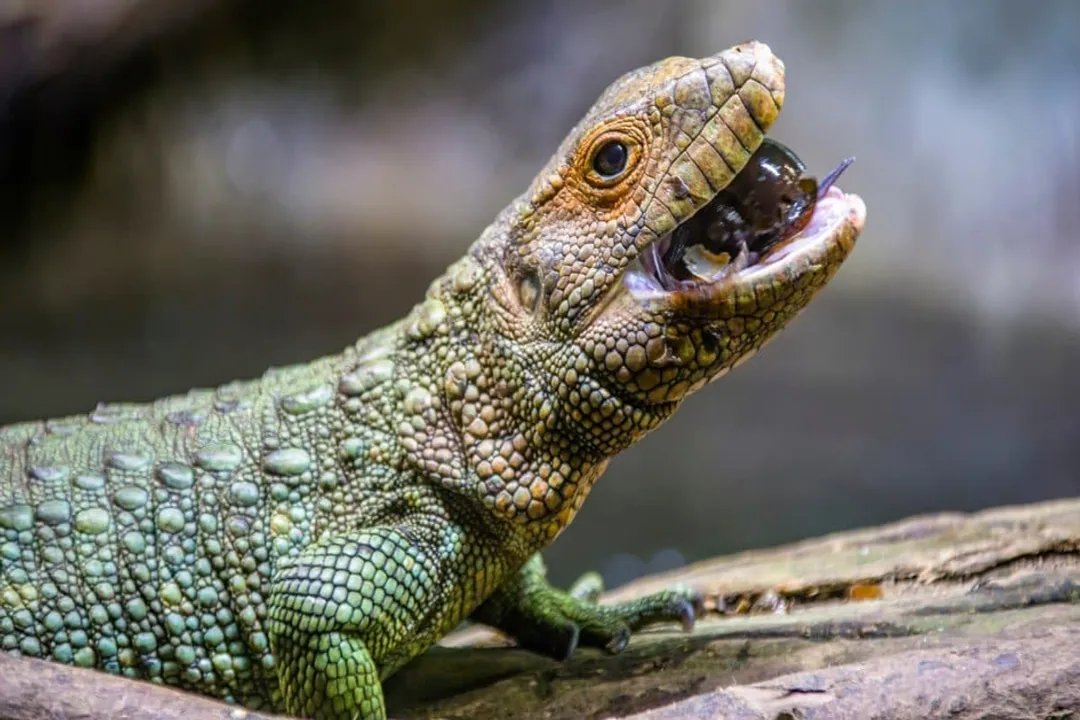
The Dracaena guianensis, commonly known as the Caiman Lizard, is frequently mentioned in the same breath as other large, impressive New World lizards, leading many enthusiasts and newcomers alike to wonder if it shares a direct lineage or identity with the Tegu. While both are substantial reptiles found in South America and possess considerable intelligence, they are scientifically distinct creatures occupying unique ecological roles. The primary source of confusion often stems from their shared continental origin and general lizard morphology, but a closer look at their classification and physical adaptations quickly clarifies that a Caiman Lizard is decidedly not a Tegu.
# Family Links
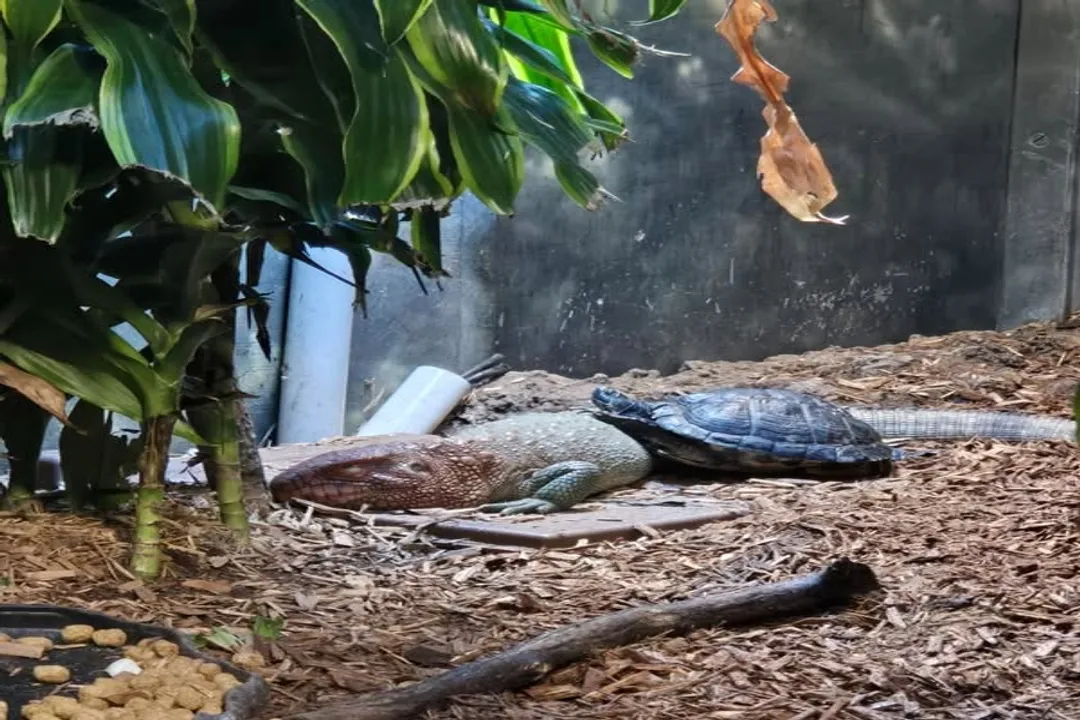
To understand the difference, we must begin with taxonomy. The Caiman Lizard belongs firmly to the lizard family Teiidae. This places them within a broad group of lizards known for their often active, diurnal habits. While the Caiman Lizard shares the broad category of being a lizard, the Tegu falls into a different grouping, typically under the genus Salvator when referring to the popular Argentine Tegu. The fact that the Caiman Lizard is classified within the Teiidae family is a key distinguishing feature that separates its evolutionary path from that of the Tegu.
# Physical Traits
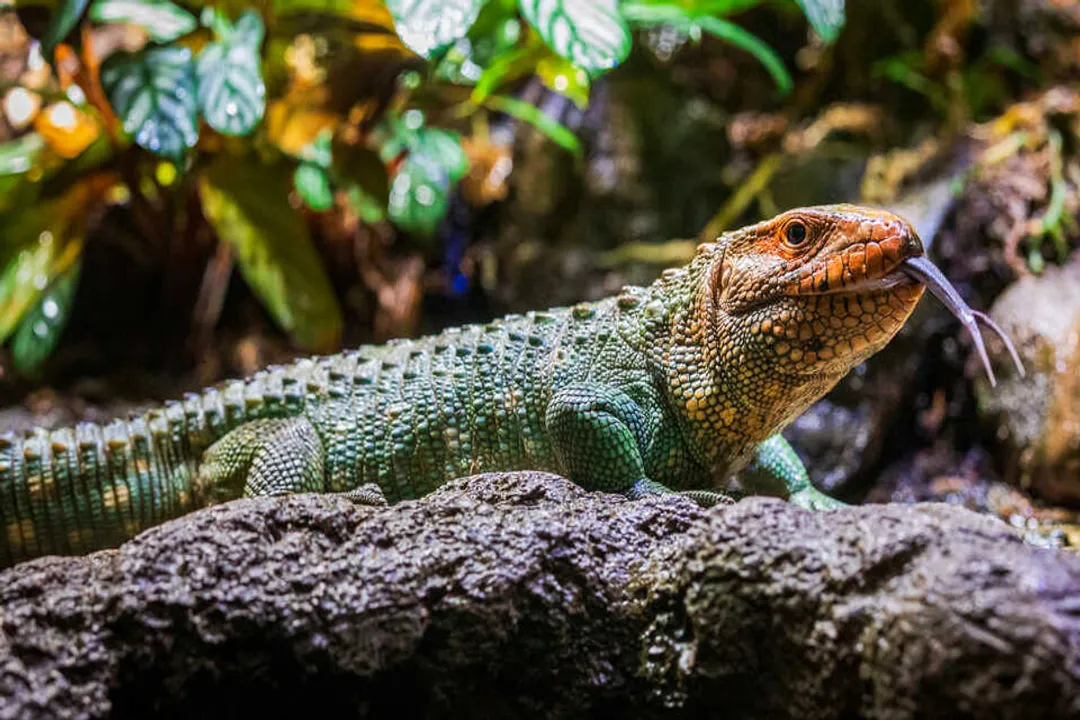
The Caiman Lizard is a visually striking animal, often noted for its robust build and a head shape that gives it an almost crocodilian appearance, hence the "caiman" in its name. They are not small lizards, commanding attention with their size, though exact size comparisons to specific Tegu species are not provided in the available material.
One of the most defining physical adaptations of the Caiman Lizard relates directly to its diet. They possess remarkably powerful jaws. These jaws are equipped not with typical piercing teeth, but rather with blunt, molar-like structures designed specifically for crushing hard-shelled prey. This adaptation sets a specific physiological boundary for their feeding habits that a generalized predator would not possess. In contrast, while Tegus are also known for being strong-jawed omnivores, their dental structure is adapted for a broader range of foodstuffs, unlike the specialized crushing tools found in Dracaena guianensis.
A useful way to visualize the distinction when observing specimens side-by-side, if possible, is to focus on the snout profile. The Caiman Lizard often exhibits a flatter, broader head structure reminiscent of its crocodilian namesake, whereas the Tegu typically presents a more elongated, classic lizard profile.
# Aquatic Needs
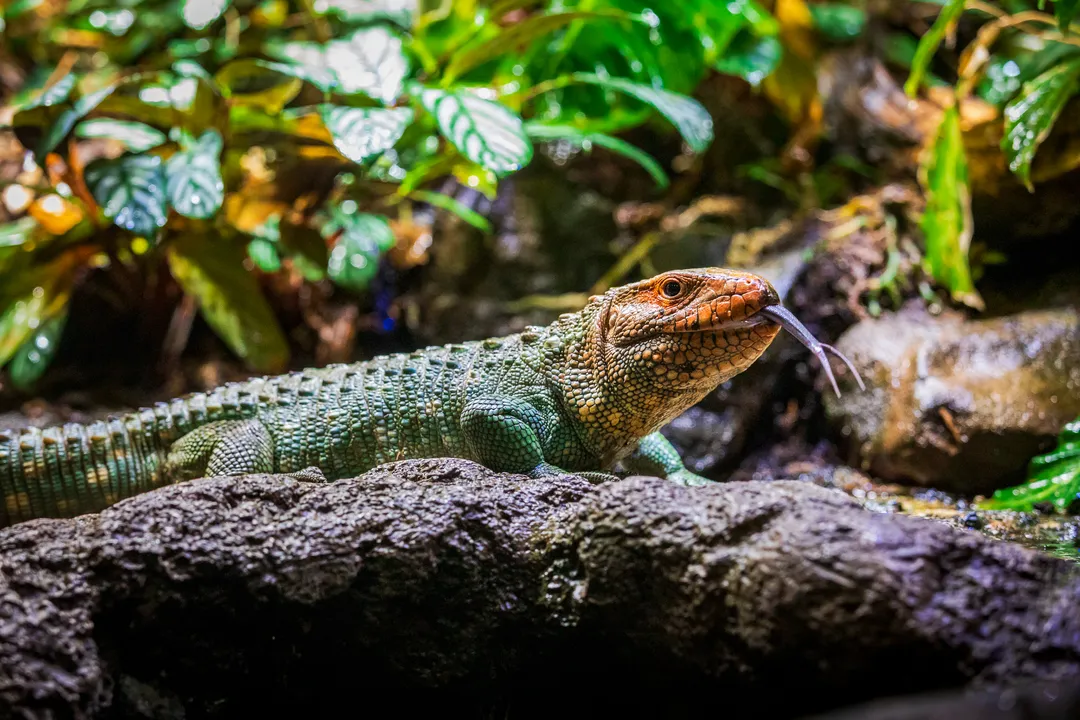
A critical divergence between the Caiman Lizard and most commonly kept Tegu species lies in their relationship with water. Caiman Lizards are distinctly semi-aquatic. This means that an appropriate captive environment, and by extension their natural habitat, must incorporate significant water features. They originate from the Amazon basin in South America, thriving in environments where water access is constant.
This obligate semi-aquatic nature means that keepers must account for substantial swimming space in addition to land area. This requirement for deep, clean water fundamentally alters the necessary husbandry compared to a primarily terrestrial reptile like the Argentine Tegu. While some Tegus may enjoy occasional soaking, the Caiman Lizard's lifestyle is intrinsically linked to the water for thermoregulation, movement, and possibly foraging. When considering a large lizard for the pet trade, the requirement for a large, specialized water feature for the Caiman Lizard makes it a more complex commitment than many of its terrestrial relatives.
# Diet Specialization
The morphology of the Caiman Lizard’s mouth directly dictates its highly specialized diet. Their powerful crushing jaws are perfectly evolved to handle snails and freshwater clams (bivalves). This specialized feeding strategy means that, in the wild, their foraging is focused on aquatic or semi-aquatic invertebrates.
This specialization in diet is a crucial difference from the Tegu, which is generally known to be an opportunistic omnivore, consuming everything from insects and small vertebrates to fruits and eggs. While keepers of Caiman Lizards must ensure a consistent supply of appropriate, hard-shelled prey to satisfy their natural feeding impulses and maintain dental health, the Tegu’s diet is far broader and more adaptable. For instance, providing enough heavy-shelled mollusks consistently can present a unique logistical challenge for a keeper who might otherwise be accustomed to preparing varied diets for a Tegu.

# Intelligence Note
Despite their specialized physical attributes, the Caiman Lizard is also recognized for possessing significant cognitive ability. Reports suggest that Dracaena guianensis lizards are quite intelligent. This trait is often shared with their Tegu cousins, as many larger, active lizards exhibit complex behaviors and problem-solving skills. Recognizing intelligence in both species is important, as it underscores that both require significant environmental enrichment, regardless of their physical differences. A captive environment that only meets the basic needs for temperature and hydration, but fails to engage the animal mentally, will likely result in poor welfare for either species.
# Habitat Contrast Analysis
When we place these two distinct animals side-by-side in terms of their ecological niche, the contrast becomes clear. The Caiman Lizard is an aquatic specialist whose survival hinges on accessible freshwater bodies rich in mollusks. Think of them as the specialized crab/snail-crackers of the South American swamps and river edges.
The Tegu, conversely, tends to be a more generalized, terrestrial inhabitant of various habitats, often including drier scrubland or forest floors, relying on its adaptability to hunt a wider variety of prey. If we were to construct a hypothetical scenario: if a section of the Amazonian forest floor dried up completely for a season, the Caiman Lizard would face immediate, existential threats due to loss of its primary habitat and food source. A Tegu, being more capable of thermoregulating on dry land and possessing a broader diet, might suffer but likely possess a much greater chance of survival until conditions returned to normal. The Caiman Lizard is constrained by its adaptations; the Tegu is defined by its flexibility. This fundamental difference in ecological requirements is perhaps the most meaningful distinction beyond simple taxonomy.
# Keeper Commitment
For someone deciding between these two impressive reptiles, the difference in their environmental needs represents the most significant barrier to entry, one that requires careful planning. If a keeper fails to provide the deep, clean water necessary for a Caiman Lizard—a necessity stemming from its semi-aquatic adaptation—the animal will be stressed, unable to properly swim, soak, or forage as nature intended. While Tegus demand large enclosures and specific thermal gradients, the Caiman Lizard adds the layer of aquatic engineering to the equation. This means calculating filtration, water volume, and turnover rates alongside heating and basking spots, adding complexity that is absent when setting up a standard Tegu enclosure. Understanding that one is fundamentally a water-dependent, shell-crushing specialist, and the other a terrestrial generalist, is vital before bringing either home.
#Videos
Argentine Tegu vs Caiman Lizard, Which Is the Best Pet ... - YouTube
Animal Spotlight: Phillip, Caiman Lizard - YouTube
Related Questions
#Citations
Dracaena (lizard) - Wikipedia
Argentine Tegu vs Caiman Lizard, Which Is the Best Pet ... - YouTube
Creature Closeup: Caiman Lizard - California Academy of Sciences
Argentine Tegu or Caiman Lizard? - Reddit
Caiman Lizards (Draceana guiaenensis) are a Teiidae ... - Facebook
Caiman Lizard Animal Facts - A-Z Animals
Vancouver Aquarium on Instagram: "The caiman lizard is NOT a ...