Are basilisk lizards rare?
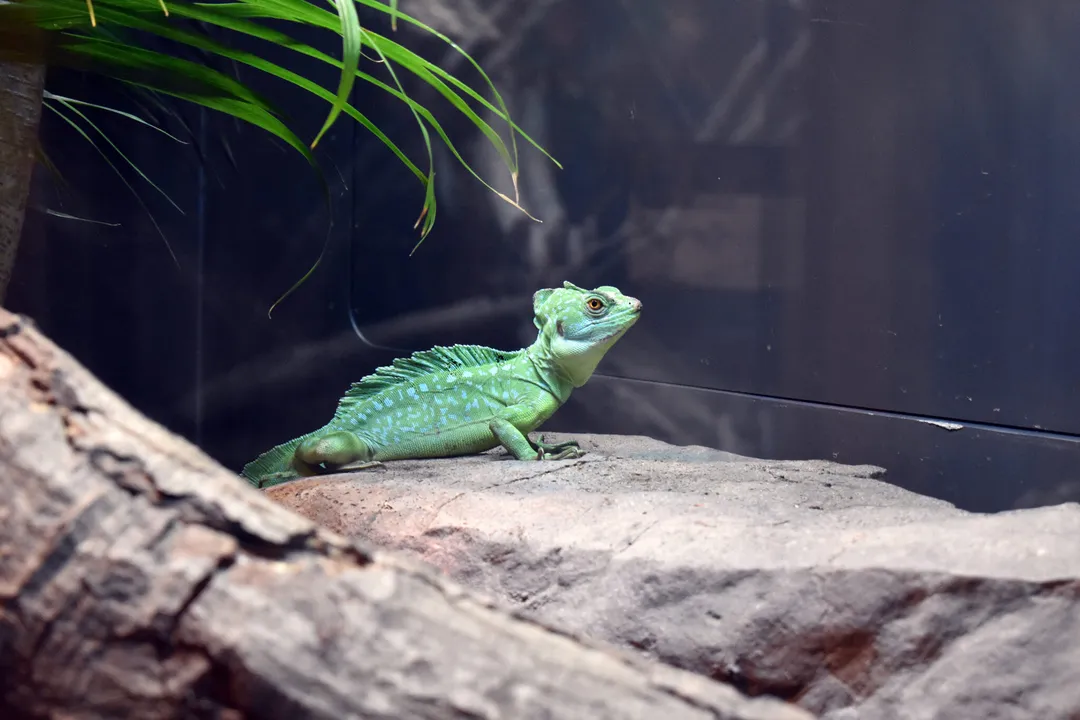
The creature famous for its ability to sprint across water, often earning the nickname "Jesus Christ Lizard," is the basilisk, a group of lizards instantly recognizable by their dramatic crests and dazzling speed. [4][9] When considering whether these reptiles are rare, the answer is nuanced, depending heavily on geography and which specific species one is discussing. Within their native ranges in Central and South America, basilisks are not typically considered rare; rather, they are widespread, though their secretive nature near water can sometimes make them seem elusive. [6]
# Distribution Limits
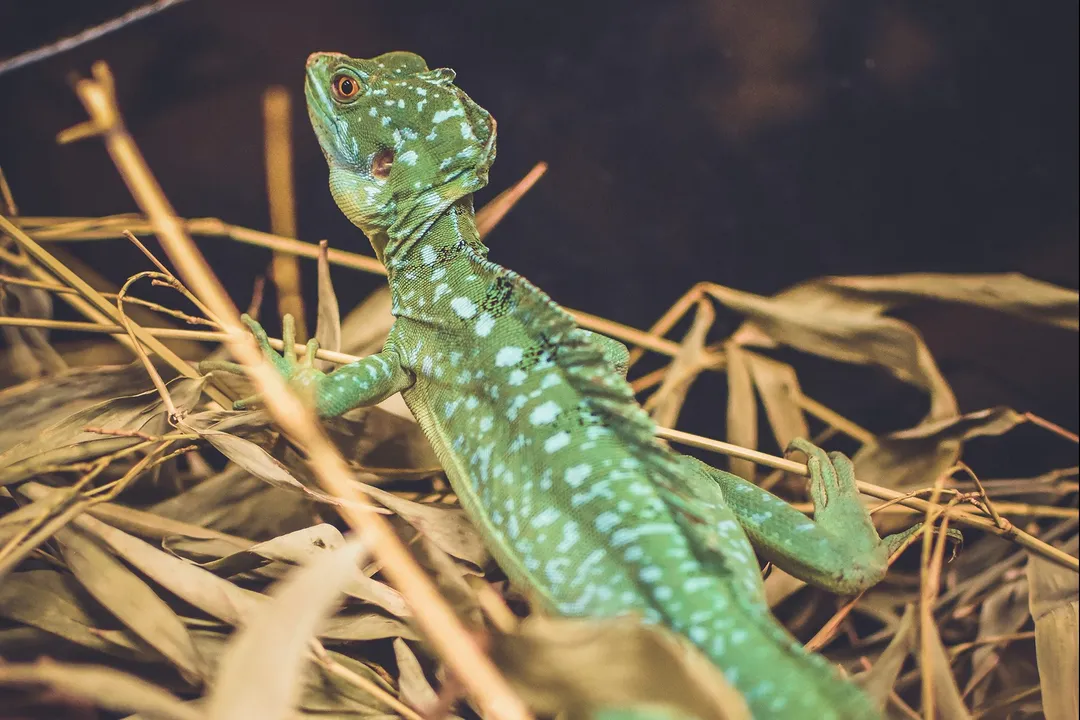
The different species of basilisks occupy specific, though sometimes overlapping, territories across the Neotropics. The Common Basilisk, Basiliscus basiliscus, is found in lowland rainforests spanning from southern Mexico through Central America and into northwestern South America, including countries like Colombia and Ecuador. [2] This species has a broad natural range across Central America. [8] In contrast, the Green Crested Basilisk (Basiliscus plumifrons) is often associated with areas like Costa Rica and Panama. [5][9] Another species, the Plumed Basilisk (Basiliscus plumifrons), is found in parts of Central America, such as Belize, where they are considered a common jungle critter found near waterways. [6] The distribution shows that these lizards are established and common across vast regions of tropical rainforests bordered by water sources. [2][9]
# Recognizing Types
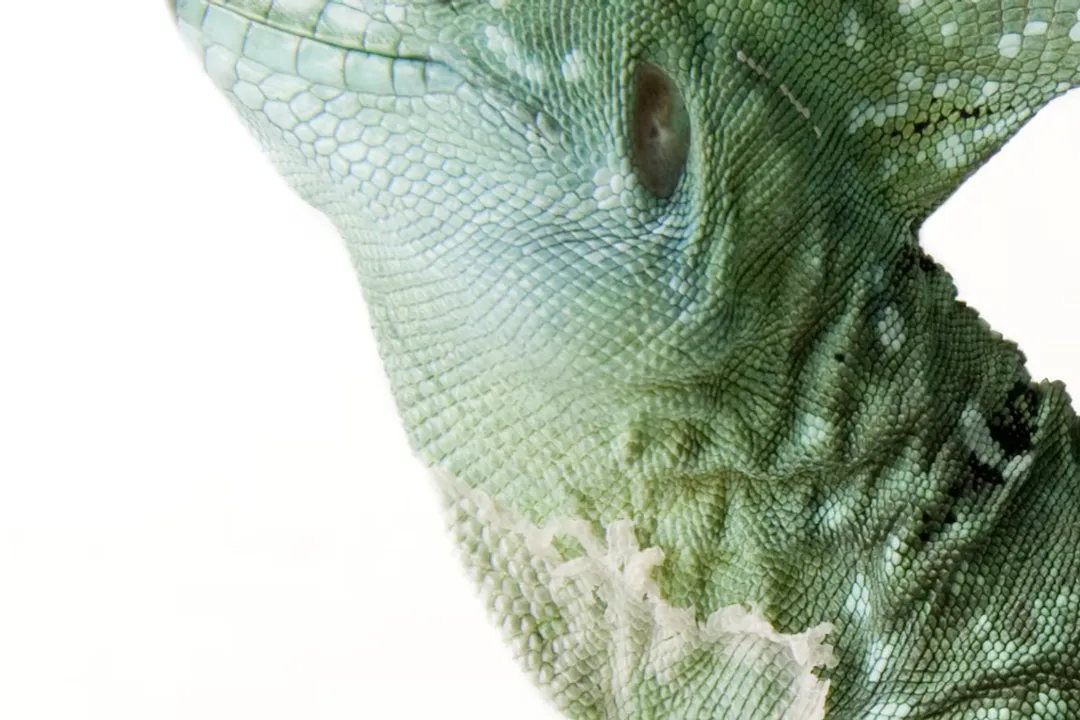
The term "basilisk" encompasses several distinct species, and their rarity assessment can shift between them. The Common Basilisk (Basiliscus basiliscus) is perhaps the most widely known, thanks to its spectacular bipedal running capability. [2] The Green Crested Basilisk is characterized by its prominent dorsal and head crests, which males develop more fully than females. [5][9] These crests, along with their overall emerald hue, help distinguish them. [5] The Brown Basilisk (Basiliscus vittatus), sometimes referred to as the Brown Basilisk Lizard, also shares similar traits but has a different geographical focus or established presence in certain regions. [7] The presence of multiple species across different niches means that "basilisk" as a general group is abundant, but a specific species might have a more localized or restricted habitat requirement. [1][2]

# Florida Establishment
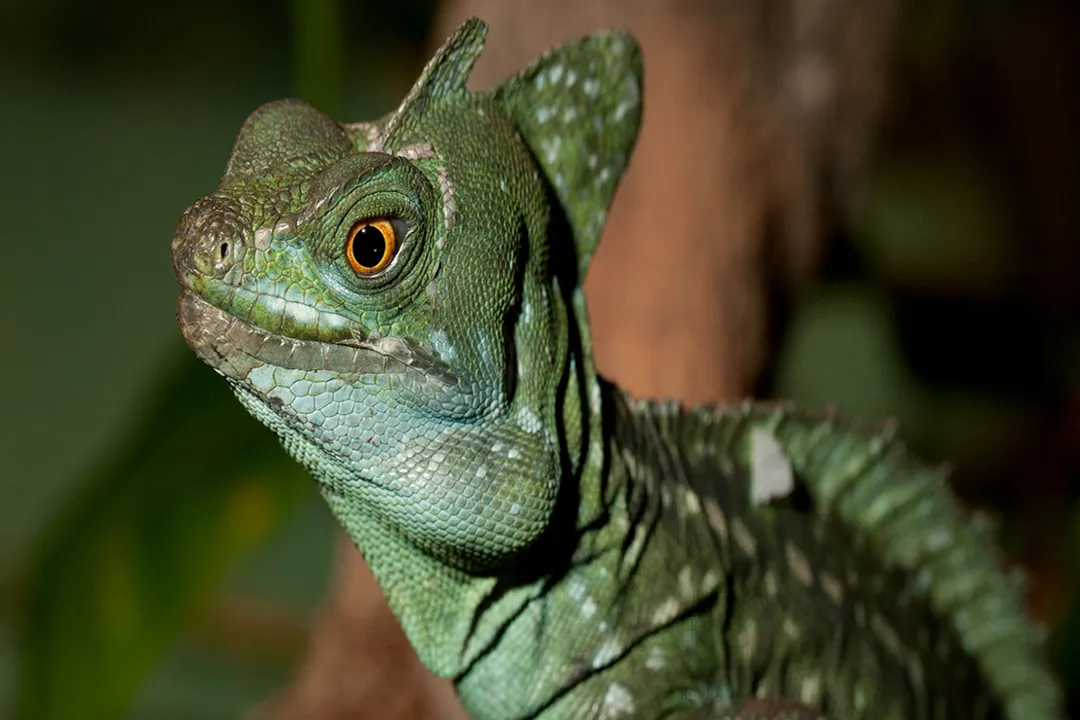
A fascinating dimension to the question of basilisk rarity involves non-native populations. The Brown Basilisk has established a successful, breeding population in South Florida. [7] In this area, they are decidedly not rare; their presence there represents a significant ecological event as an introduced, invasive species that thrives in the subtropical climate. [7] This successful colonization suggests that where conditions are favorable—ample warmth and proximity to water—basilisks are highly successful at establishing large, visible populations, which argues against general rarity in suitable environments. [7] The fact that a non-native species can gain a foothold and thrive speaks to the species' underlying adaptability and reproductive success, which is the opposite characteristic of a rare animal. [2]
# Perceived Elusiveness
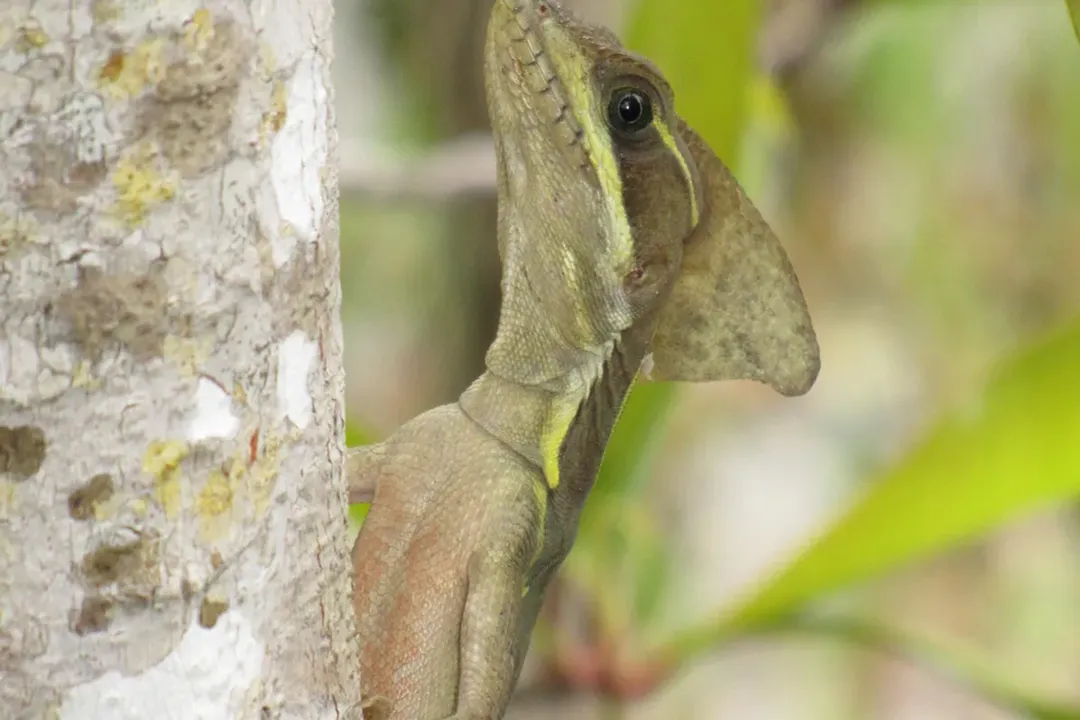
Despite their established presence throughout their native ranges, an observer might still perceive basilisks as rare due to their behavior and specific habitat requirements. Basilisks are strongly tied to the edges of rivers, streams, and ponds. [4][9] They are generally terrestrial but spend most of their time near water bodies, which serves as their primary escape route. [4] When threatened, they flee toward the water, and their famous running ability allows them to cover significant distances across the surface before sinking. [4][7] This means that a traveler hiking deep in the forest away from a water source is unlikely to ever see one, leading to a localized perception of rarity even if the entire population density across the region is high. [6] Their reliance on a specific, narrow riparian habitat naturally limits where one can expect to encounter them. [4]
It is worth noting that the conspicuous, crest-bearing males are often the ones highlighted in literature and observation, potentially skewing perceived abundance. If females or juveniles are less conspicuous or occupy slightly different microhabitats within the riparian zone, the overall population might be larger than casual observation suggests. [5]
# Comparative Conservation Status
When assessing rarity across all life forms, conservation status provides a metric. For the Common Basilisk (Basiliscus basiliscus), the International Union for Conservation of Nature (IUCN) currently lists it as "Least Concern". [8] This classification is assigned to species that are widespread and abundant, confirming that this primary basilisk species is not considered rare on a global scale. [2][8] While specific local populations might face localized threats, the overall biological health of the widespread B. basiliscus suggests stability. [8] In contrast, if a particular, smaller-bodied species like the Plumed Basilisk only occupies a very narrow geographic band—say, the Pacific slope of one country—it might face higher vulnerability to localized habitat destruction, even if the species as a whole is not yet categorized as threatened. [6] The lack of widespread conservation concern for the major species is a strong indicator against general rarity. [8]
# Analyzing Observational Bias
The spectacular nature of the basilisk’s water-running often overshadows the mundane aspects of its daily life, which can skew public perception regarding its commonality. Most documentation focuses on the thrill of this unique locomotion, making it seem like an animal that is constantly making a dramatic escape. [4][7] However, like many reptiles, a significant portion of their time is spent basking, foraging in leaf litter near the water, or resting in low vegetation. [4] An observer expecting a constant spectacle will miss the periods of quiet activity. If researchers or casual visitors spend time only in areas where the lizards are actively fleeing, they might underestimate the resting population density nearby. This reliance on the animal exhibiting its most extreme behavior for observation creates a reporting bias that could incorrectly suggest they are rare, when in fact, they are simply wary and masters of blending in when not fleeing. [6]

# Regional Success vs. Global Definition of Rare
The concept of "rare" needs qualification when discussing widespread tropical animals. In a region like Belize, the Green Crested Basilisk is certainly visible to those familiar with the jungle environment, confirming its local abundance. [6] However, for a species to maintain its "Least Concern" status globally, it must maintain viability across its entire extensive range, from the Amazonian fringes to the drier scrub areas of its distribution. [2][8] If a specific, smaller species within the genus were to experience decline in one section of its range, it wouldn't immediately bump the entire group into a rarer category if the B. basiliscus population remains high. [1] Think of it this way: if an area the size of Pennsylvania harbors a dense population of one basilisk species, but another closely related species only exists in an area the size of a small county, the latter is significantly rarer from a conservation standpoint, even if both are generally called "basilisks". [2][8] This variation within the genus is critical to a precise answer.
The Green Crested Basilisk, for example, is well-represented in captivity and zoos, [3][5] which usually indicates a stable, easily sourced wild population that is not in immediate danger of disappearing, a status inconsistent with true rarity. [3][5] While zoo collections require careful management, the ease of acquiring certain species for the pet trade or zoos often correlates with robust wild numbers, even if data collection on wild density is imperfect. [3]
Ultimately, the scientific consensus and observable evidence point toward basilisks, particularly the Common Basilisk, not being rare throughout their extensive Central and South American territories. [2][8] They are common, widespread reptiles whose occasional elusiveness is a function of specialized habitat preference and highly effective anti-predator behavior rather than low population numbers. [4][6] Only if a specific, less-studied basilisk species has a highly restricted endemic range (information not explicitly detailed across these sources) would the answer lean toward rarity for that particular type. For the general public encountering the iconic, water-running lizard, they are abundant residents of the tropical New World waterways. [9]
Related Questions
#Citations
The Remarkable Basilisks - Tetrapod Zoology
Common basilisk - Wikipedia
Tales of the Tails Not Your Typical Basilisk - Virginia Zoo
Basilisk Lizard, aka 'Jesus Christ Lizard,' Walks on Water
Green crested basilisk - National Zoo
Belize Reptile - Lamar University
'Jesus lizard' in Florida: What to know about brown basilisks
Common Basilisk (Basiliscus basiliscus) - iNaturalist
Green Basilisk Lizard | National Geographic