Is a basking shark a mammal or a fish?
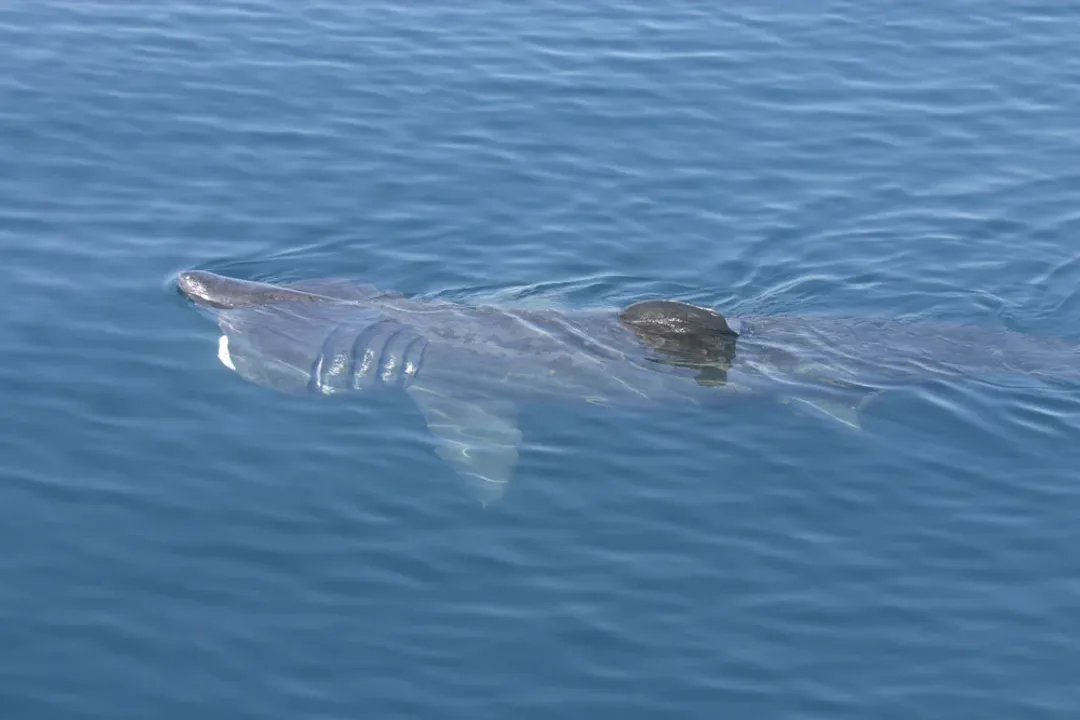
The behemoth gliding silently near the surface of the cool ocean waters is often the subject of intense debate regarding its true identity. This gentle giant, instantly recognizable by its enormous mouth, is definitively a fish, belonging to the species Cetorhinus maximus, commonly known as the basking shark. [1][5] The confusion arises quite understandably; its sheer size rivals some of the largest marine mammals, yet its biological makeup firmly places it within the class Chondrichthyes—the cartilaginous fishes. [1][5][4] To be clear, it lacks the defining characteristics of a mammal, such as lungs, mammary glands, or hair, possessing instead gills and a skeleton made of cartilage. [1][9]
# Size Records
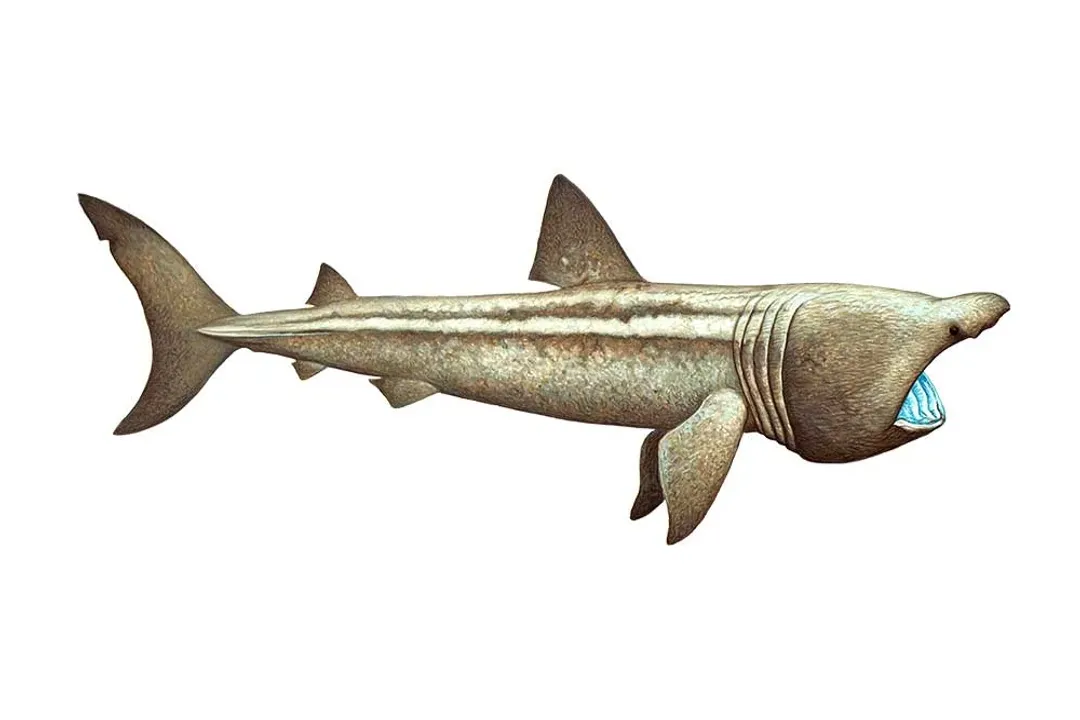
The basking shark earns its reputation in part due to its impressive dimensions. It holds the distinction of being the second-largest fish swimming the world’s oceans today, surpassed only by the whale shark. [3][1] Adult basking sharks can reach lengths exceeding nine meters (about 30 feet), and there are historical, albeit unverified, reports of individuals growing much larger. [1][9] Imagine an animal this large—often bigger than a large bus—moving slowly near the surface, and the immediate association with massive marine mammals like the Blue Whale becomes intuitively apparent to an observer. [1] These immense bodies are necessary to support the vast internal structure required for filter feeding on a massive scale. [2]
# Filter Feeding
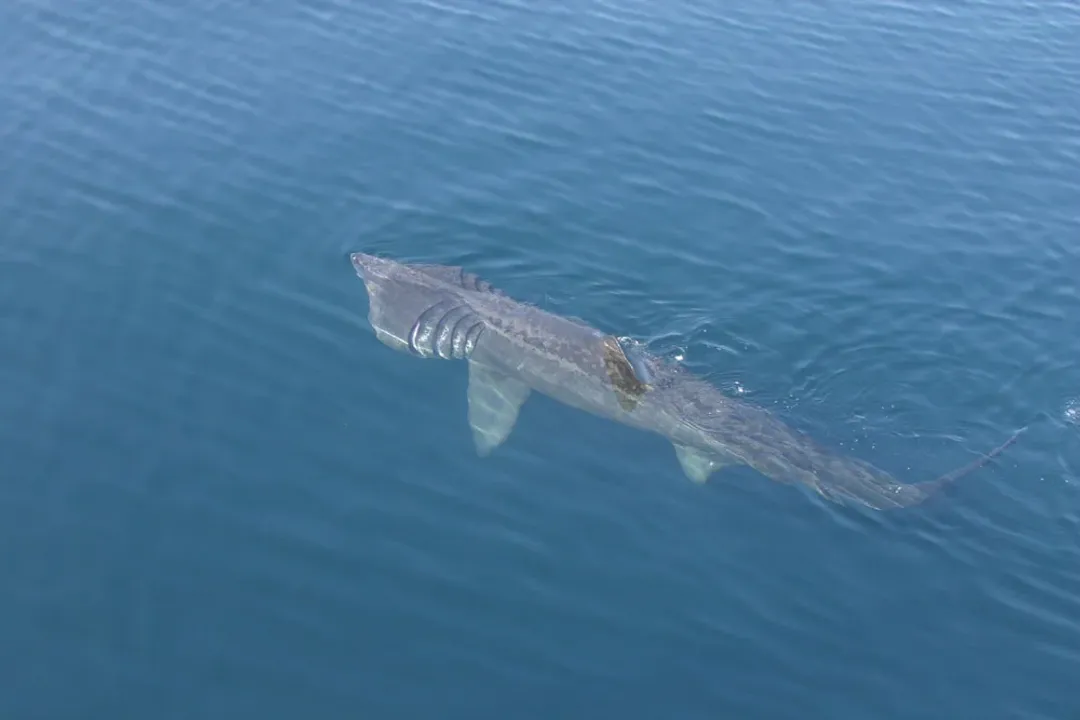
Its method of sustenance is perhaps one of its most fascinating attributes and contributes to its common name. The term "basking" likely originates from the shark’s habit of swimming slowly near the surface with its enormous mouth agape, giving the impression that it is sunbathing. [2][6] This is not leisure; it is an efficient feeding strategy.
The basking shark is a non-selective planktivore, consuming vast quantities of tiny organisms known as zooplankton. [2][5] To process the required volume of water—estimated to be thousands of liters per hour—its mouth can open to an astonishing width, sometimes exceeding one meter. [2][5]
# Gill Rakers
The mechanism for filtering these microscopic meals relies on specialized structures within its mouth: the gill rakers. [2][5] Unlike predatory sharks that use sharp teeth to tear flesh, the basking shark uses these long, comb-like filaments located over its gills to strain food from the water passing over them. [2][5] Once the plankton is trapped, the water is expelled through the gill slits, leaving the nutrient-rich catch behind to be swallowed. [2] This feeding technique is almost identical to that employed by baleen whales, which are mammals, which further blurs the line for the casual observer regarding their functional role in the ecosystem. [2]

# Anatomy Comparison

The true biological separation between the basking shark and any marine mammal, such as dolphins or whales, rests entirely on fundamental physiological differences that define their respective classes. While both groups can reach staggering sizes and inhabit the same marine environments, their internal workings are fundamentally divergent.
| Feature | Basking Shark (Cetorhinus maximus) | Marine Mammal (e.g., Dolphin/Whale) | Significance |
|---|---|---|---|
| Class | Chondrichthyes (Cartilaginous Fish) | Mammalia | Defines core biology |
| Respiration | Gills (extract oxygen from water) | Lungs (must surface to breathe air) | Essential life support |
| Skeleton | Cartilage | Bone | Structural composition |
| Body Covering | Dermal denticles (rough skin) | Hair/Fur (even if vestigial) | Insulation and protection |
| Reproduction | Ovoviviparous (eggs hatch internally) | Live birth (viviparous) | Parental care strategy |
| Thermoregulation | Ectothermic (mostly, with regional warming) | Endothermic (warm-blooded) | Internal heat control |
| [1][9] |
Analyzing this table highlights why the shark is undeniably a fish. The reliance on gills for oxygen extraction makes surfacing for air unnecessary, a key feature distinguishing fish from marine mammals. [1] Furthermore, the presence of cartilage instead of true bone in its skeletal structure is a hallmark trait of sharks. [1][9]
When considering the general appearance, one might notice the basking shark’s conspicuous gill slits—five pairs of them—which are prominent external features that immediately betray its piscine nature. [5] A mammal, even one as large as a Blue Whale, has a blowhole on top of its head, not gill slits on the side of its neck area. [1]
# Reproduction and Life Cycle
The reproductive strategy of the basking shark offers another clear divergence from mammalian norms. Mammals are characterized by giving birth to live young (viviparous) and nursing them with milk produced by mammary glands. [1][9] Basking sharks, like many sharks, are ovoviviparous. [1][9]
This means that the eggs develop and hatch inside the mother, and the young are born live, but there is no placental connection, and crucially, the mother does not produce milk to nurse them after birth. [1][9] The developing embryos within the female shark may engage in intrauterine cannibalism, consuming unfertilized eggs or even each other before birth, a grim but biologically effective strategy rarely seen in mammals. [9] The young are born relatively large—often over a meter long—and are entirely self-sufficient from the moment they exit the mother, contrasting sharply with the prolonged dependency period seen in marine mammals. [1]
Thinking about the vast difference in reproductive output offers an interesting point of comparison. A marine mammal might spend years investing heavily in one or two offspring, ensuring high survival rates through intense parental care. In contrast, the basking shark's ovoviviparous strategy involves a greater initial batch of potential offspring, relying on sheer numbers and early independence to ensure the continuation of the species, even if the individual survival rate of newborns is lower than that of a bottlenose dolphin calf, for example. [9] This contrast between K-selection (mammals) and a different form of investment (sharks) is fundamental to their evolutionary paths.
# Habitat and Movement
Basking sharks inhabit the temperate and cold waters of the continental shelves around the globe. [1][4] They are highly migratory, traveling vast distances, often following the seasonal blooms of the zooplankton they consume. [1][4] Their movement is characterized by slow, steady swimming, typically just beneath the surface or right at it—the "basking" posture. [2][6]
Unlike the powerful, deep-diving bursts of large toothed whales or many predatory fish, the basking shark conserves energy, swimming at speeds generally between 2 to 5 kilometers per hour. [1] This slow, deliberate movement pattern near the surface is what often leads people in coastal areas, perhaps while boating or watching from shore, to mistake them for large, slow-moving pinnipeds or whales resting at the top layer of the water column. [4] If you are observing one near a coastline, such as the waters off New Jersey or the British Isles, remember that its sluggish appearance is a feature of its filter-feeding lifestyle, not an indication that it belongs to the warm-blooded mammal group. [4][8]
Another detail often noted by observers is their unique appearance when viewed from the side: the gaping mouth combined with the pronounced gill slits creates a visual profile unlike any bony fish, making its classification less intuitive without close inspection of its internal anatomy. [5]
# Conservation Status
Despite their imposing size, basking sharks face significant threats, leading to their classification as an endangered species in many regions. [7] Historically, they were targeted by commercial fisheries for their liver oil, flesh, and skin. [1][5] While international protections have been put in place, illegal or unregulated fishing remains a concern in certain areas. [5][7]
The slow movement and surface-dwelling habits that make them easy to spot also unfortunately make them vulnerable to accidental bycatch in fishing gear intended for other species. [8] Moreover, ship strikes represent a danger, particularly in busy shipping lanes where they congregate to feed near the surface. [8] Efforts to monitor and conserve this species often rely on citizen science and sighting networks, such as those operating in areas like the North East Atlantic. [8] Recognizing and reporting sightings correctly—confirming if the animal is a shark (gill slits visible) or a whale (blowhole visible)—is a small but meaningful way the public can assist researchers in understanding their distribution and population health. [4]
# Observing and Identifying
For those fortunate enough to encounter a basking shark in the wild, correct identification is crucial for responsible wildlife viewing. If you are on the water and spot a large shape breaking the surface, a few quick observations can confirm if you are looking at a fish or a mammal.
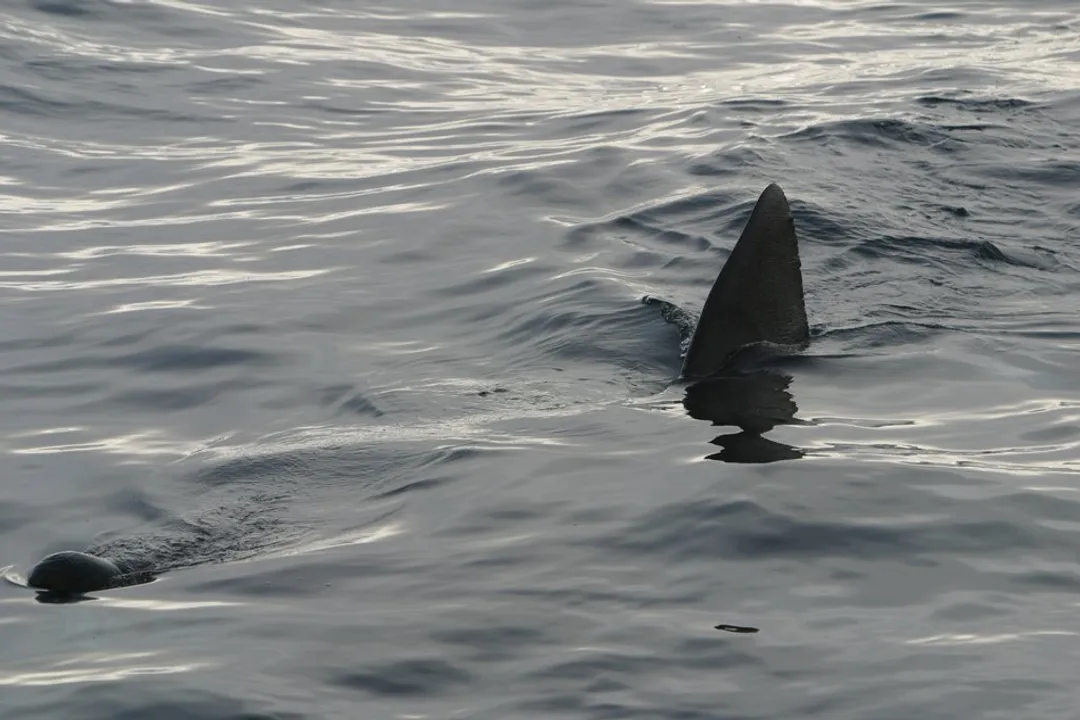
- Look for the Dorsal Fin: The basking shark has a tall, curved dorsal fin, often the first thing seen, positioned about a third of the way back from its head. [1]
- Check the Head: Is the animal exhibiting a massive, horizontal mouth opening, or is there a distinct snout? The shark’s mouth is its most defining surface feature. [2]
- Watch for Respiration: Does the animal suddenly surge upward to expel a column of air and water (a blow)? If it's simply skimming the surface without a distinct, forceful spout, it is almost certainly the shark breathing through its gills. [1]
It is important to maintain a respectful distance, as disturbing these animals while they are feeding or resting can cause them stress and interfere with their vital energy intake. [8] The sheer scale of their food requirements means any interruption to their feeding period can have significant energetic consequences for such a large, slow-moving creature. [2] Recognizing them as a vulnerable fish species, rather than just a large, slow-moving anomaly, should dictate careful, hands-off observation practices. [7] The basking shark remains one of the ocean’s most ancient and magnificent inhabitants, deserving of protection based on its unique biological classification as a fish, despite its mammalian-sized presence. [1][5]
Related Questions
#Citations
Basking shark - Wikipedia
Basking Shark Information
the basking shark (Cetorhinus maximus). This species can grow up ...
Basking shark - Conserve Wildlife Foundation of NJ
Basking Shark – Discover Fishes - Florida Museum of Natural History
Basking shark - Oceana Canada
Topic: Basking shark
Basking Shark - Hebridean Whale & Dolphin Trust
Cetorhinus maximus (basking shark) - Animal Diversity Web