Is kākāpō a mammal?
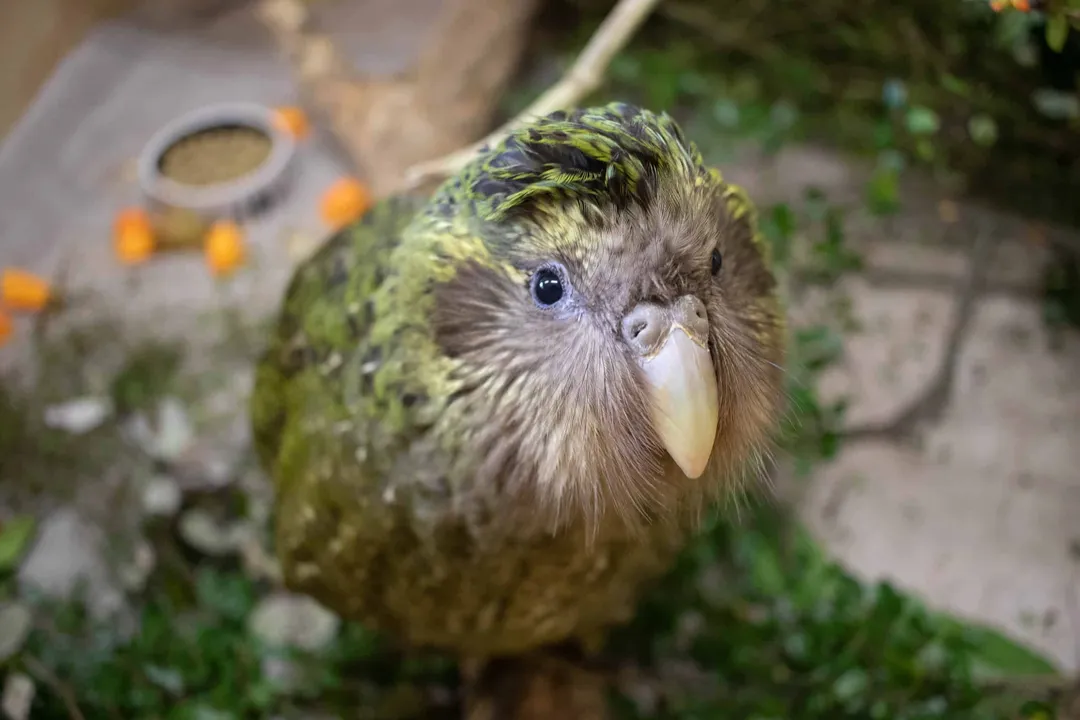
The creature often described as looking like a feathered, squat owl that decided to skip leg day is, without a doubt, a bird. While its appearance—round, plump body, large head, and distinctly terrestrial lifestyle—might confuse an observer expecting a typical parrot, the kākāpō belongs firmly to the class Aves, not Mammalia. [1][2] This unique New Zealand native, known scientifically as Strigops habroptilus, lacks every fundamental characteristic that defines a mammal, such as possessing hair or fur, producing milk to feed its young, or giving live birth. [5] Instead, its entire biological makeup points to an ancient lineage within the parrot order, Psittaciformes. [1][8]
# Feathered Identity
To understand why the kākāpō is unequivocally avian, one must look past its peculiar habits and focus on its fundamental physical structure. The most defining characteristic separating birds from mammals is integument: feathers versus hair. [5] The kākāpō is covered head to toe in feathers, which are described as sporting a gorgeous, mossy green and yellow coloration, providing excellent camouflage against the forest floor. [4][3] This plumage serves the standard avian functions of insulation and display, albeit in a bird that has abandoned flight. [2]
Mammals are defined by mammary glands that produce milk, a trait entirely absent in birds. Kākāpō chicks, like all bird hatchlings, rely on regurgitated food provided by their parents until they are mature enough to forage for themselves. [1] Furthermore, the reproductive strategy is distinctly non-mammalian. Kākāpō reproduce by laying eggs, which are incubated externally by the female parent. [6] The skeletal structure also confirms its avian status; while its sternum (breastbone) is greatly reduced, a feature related to its inability to fly, it retains the hollow, lightweight bone structure typical of birds, not the dense, solid bones found in most terrestrial mammals. [1][7]
# Flightless Parrots
The fact that the kākāpō is flightless is perhaps the most confusing element for casual observers, as flight is so strongly associated with the bird class. [7] This trait is shared by very few other birds globally, and among parrots, the kākāpō stands alone as the world's only flightless parrot species. [1][7] Evolutionarily, this adaptation likely occurred because New Zealand, the bird’s native habitat, was free of terrestrial mammalian predators for millions of years. [8] Without the need to escape ground-based hunters or traverse long distances by air, resources were instead dedicated to developing a heavier body mass and specialized ground-dwelling adaptations. [1] This evolutionary path, taking place in isolation, resulted in a creature that looks far removed from its flying relatives, leading to the understandable misclassification curiosity. [8]
# Sensory World
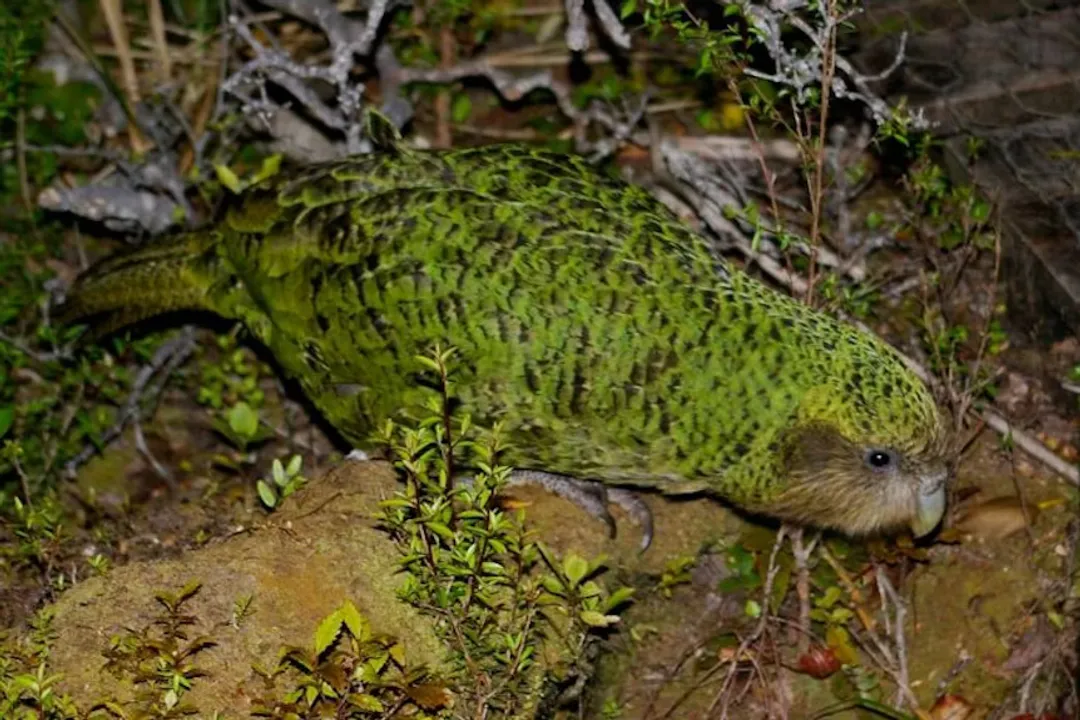
Mammals often rely heavily on a keen sense of smell or touch, but birds generally prioritize vision and hearing. The kākāpō presents a fascinating combination of sensory reliance. While it does possess good eyesight, it is primarily a nocturnal creature, navigating the dense undergrowth after sunset. [2][6] This nocturnal existence necessitates an enhanced sense of smell, which is surprisingly acute for a bird. [3]
What often surprises people is the kākāpō's distinct, musky odor, sometimes described as sweet or musty. [3][2] This powerful scent is used for communication and perhaps for locating mates or food in the dark. [2] While many mammals use scent marking extensively, such a strong olfactory presence in a bird suggests an adaptation driven by its unique, dark-forest niche. [1] This reliance on scent, coupled with its inability to fly and heavy build, creates an ecological profile that perhaps skirts the edges of what we typically expect from an avian species, leading to its peculiar reputation. [3]
# Ancient Lineage

Delving into the kākāpō’s history reveals another crucial aspect of its identity: it is a truly ancient lineage. [8] Genetic studies suggest the kākāpō represents a very old branch of the parrot family, having diverged from other parrot groups an estimated 80 million years ago. [8] This places its evolutionary history deep within the time when dinosaurs still roamed the earth, long before the widespread diversification of modern mammalian groups. [8] This deep antiquity explains why its characteristics are so divergent from other modern parrots, such as the highly social and acrobatic species found elsewhere. [6] It is a living relic of a time when New Zealand's ecosystems developed without the ecological pressures imposed by placental mammals. [8]
A table summarizing the key biological differences between the kākāpō (Aves) and a typical Mammal might help clarify this fundamental split:
| Feature | Kākāpō (Bird/Aves) | Typical Mammal | Source Support |
|---|---|---|---|
| Body Covering | Feathers [4] | Hair or Fur [5] | [4][5] |
| Reproduction | Lays eggs [6] | Live birth (mostly) | [6] |
| Young Rearing | Regurgitated food [1] | Nursing with milk | [1] |
| Skeletal Structure | Lightweight bones (though heavy for a bird) [1] | Dense bones | [1] |
| Metabolism | Warm-blooded (Endothermic) | Warm-blooded (Endothermic) | Inferred/General Knowledge |
# Conservation Crisis
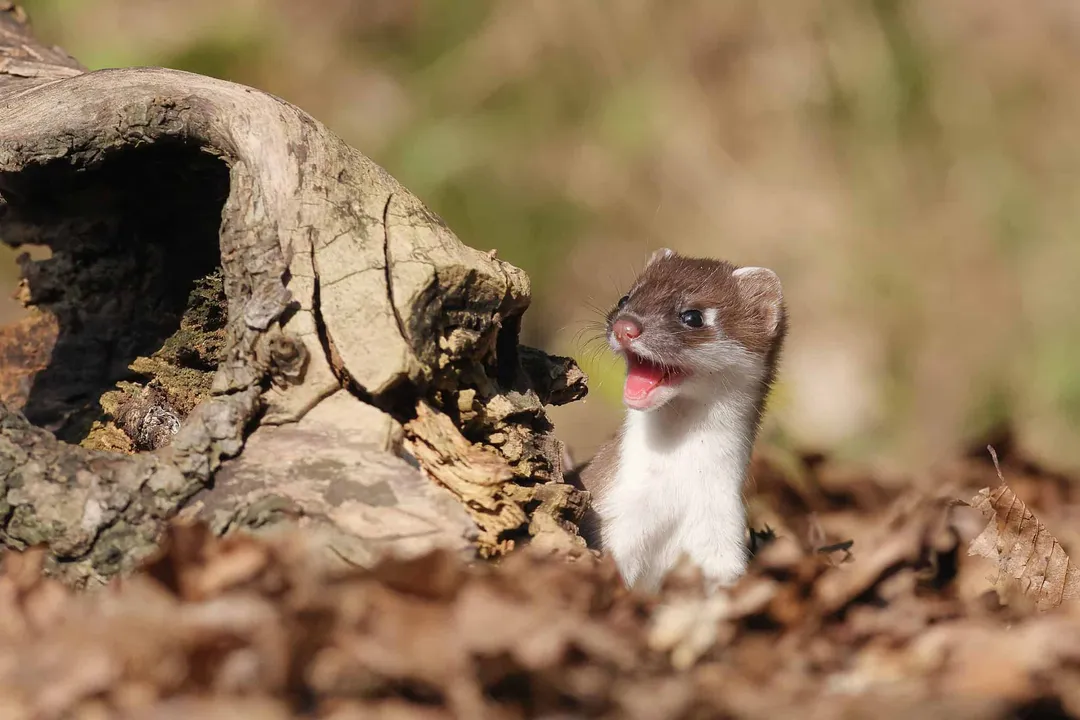
The very traits that allowed the kākāpō to thrive in its predator-free environment—its flightlessness, large size, and slow reproductive rate—have become its greatest vulnerabilities since Polynesian and European settlers introduced mammalian predators like stoats, cats, and rats. [7][1] This highlights a stark evolutionary mismatch: a highly specialized ancient bird encountering a completely new suite of challenges for which it has no innate defense mechanism. [8]
The conservation efforts surrounding the kākāpō are intense because their recovery hinges on managing these introduced threats. [7] The slow breeding cycle is a major limiting factor. Unlike many bird species that can produce multiple clutches annually, kākāpō breeding is irregular, often linked to the masting of the rimu tree, which fruits heavily only every two to four years. [1][6] When conditions are right, males gather at traditional "leks" to display and attract females, but the overall success remains low. [6]
Considering this reality, the population dynamics present a grim calculation. If a managed population averages only a few successful breeding pairs per decade due to environmental cues, and each successful female produces just one or two surviving chicks, the recovery timeline extends significantly. This slow life history strategy, which worked perfectly for millions of years in isolation, now requires intensive, hands-on human intervention to prevent complete extinction. [7] Protecting these birds means actively removing the mammalian threats that now dominate their former range. [7]
# Evolutionary Insights
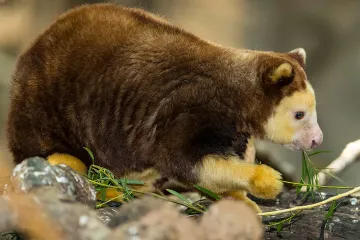
It is compelling to observe how closely the kākāpō skirts the boundary between what we expect from a bird and what we associate with a small, ground-dwelling mammal. Its thick legs and stocky build give it an almost rodent-like profile, walking or scurrying across the forest floor rather than perching or soaring. [3] It even possesses a unique way of foraging, using its strong beak to strip leaves from branches while climbing low shrubs, a behavior more akin to a browsing mammal than a typical parrot. [2] This convergence in form and function, driven by similar ecological pressures (a ground-based, herbivorous niche), demonstrates how different classes of life can arrive at similar solutions when environmental constraints are held constant over vast timescales. [8] This convergence, evident in its terrestrial lifestyle and reliance on ground cover, makes it one of the most compelling cases in avian evolution, even though its internal biology firmly anchors it in the bird kingdom.
Furthermore, the discovery of fossil evidence for kākāpō relatives reinforces its ancient identity. Paleontological findings show that the kākāpō is part of a true ancient New Zealand parrot species lineage, cementing its status as a unique endemic survivor, not a recent arrival or mutation. [8] This deep history underscores the tragedy of its current situation; it is not just a bird, but a representative of an evolutionary line that has persisted since before the rise of many modern animal groups, a legacy now balanced precariously on dedicated conservation programs. [8][7]
# Conclusion on Classification
Ultimately, the kākāpō is classified as a bird because it possesses feathers, lays hard-shelled eggs, nurses its young via regurgitation, and has the skeletal and respiratory anatomy of Aves. [1][5][6] It is a parrot, one of the most unusual parrots to have ever existed, but a parrot nonetheless. While its weight, nocturnal habits, ground-dwelling nature, and strong odor might lead one to mistake it for a small, furry mammal at first glance—especially in the dark—the biological reality remains clear: the kākāpō is a magnificent, critically endangered member of the bird world. [2][3][7] Its survival depends on recognizing and respecting its true biological identity and the specific vulnerabilities that identity brought to the modern, predator-filled New Zealand landscape. [7]
Related Questions
#Citations
Kākāpō - Wikipedia
Strigops habroptila (kakapo) | INFORMATION - Animal Diversity Web
Kakapo Bird Facts - Strigops habroptilus - A-Z Animals
Cornell Lab of Ornithology - Facebook
Scientists Say: Kakapo - Science News Explores
Kākāpō | Kakapo | New Zealand Birds Online
kakapo - National Audubon Society
Kakapo Parrot is True Ancient Species of New Zealand ... - Sci.News
Awesome Animal - Kakapo - Stan C. Smith