Is A pangolin A Mammal or not?
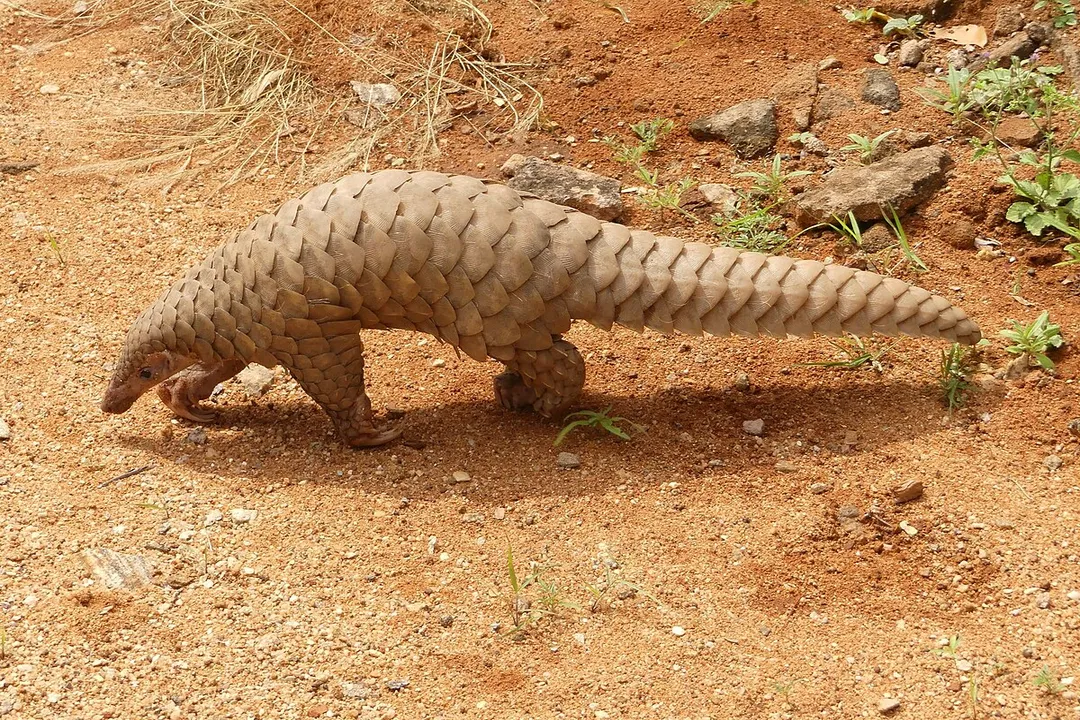
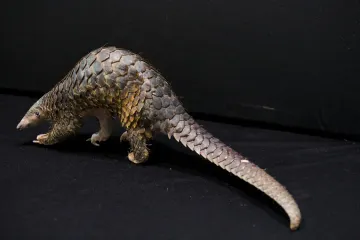
The creature known as the pangolin often causes immediate confusion due to its reptilian appearance, leading many to question its basic biological classification. Despite being covered head-to-tail in overlapping, keratinous scales, the pangolin is unequivocally a mammal. [1][4][6] This unique combination—being the only mammal in the entire world to possess full-body armor—is what sets it apart from every other member of the Class Mammalia. [1][4]
# Mammal Traits
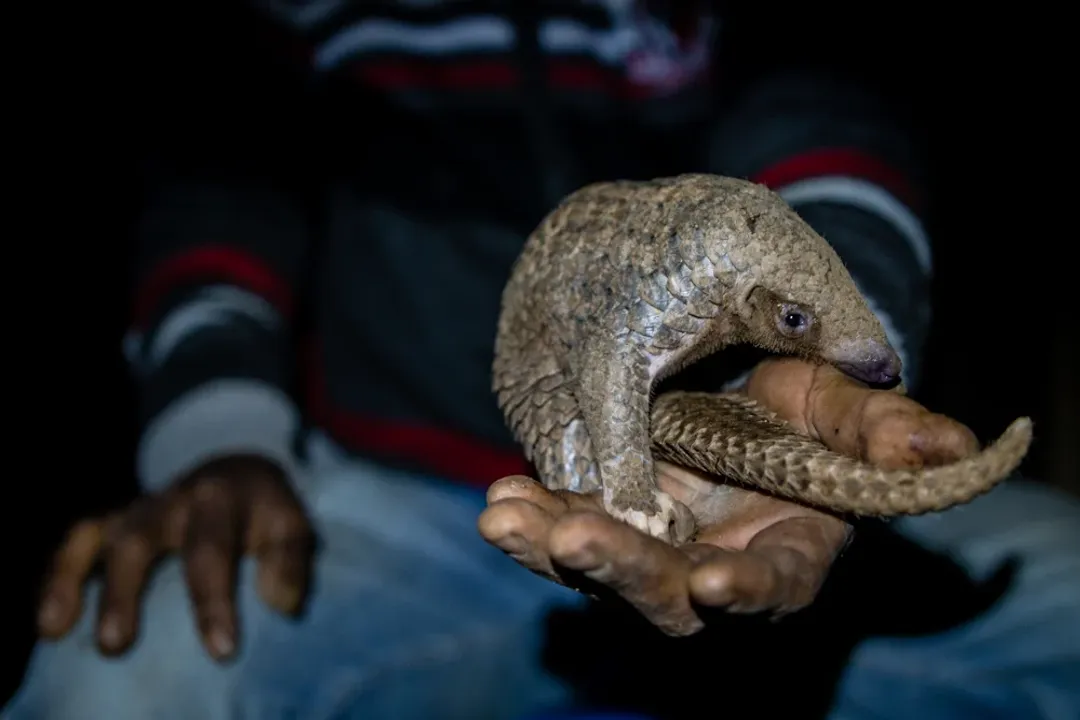
To truly understand why this animal belongs among the warm-blooded, fur-bearing class, one must look past the keratin plates to its fundamental biology. Like all mammals, pangolins are warm-blooded, meaning they regulate their own body temperature internally. [1] They also possess mammary glands and nurse their young with milk, a defining characteristic of the class. [6] While they do have scales, remnants of hair or fur can actually be found between these scales, further cementing their mammalian lineage. [1] They belong to their own unique order, Pholidota. [1]
# Scale Structure

The most striking feature, the scales, warrants a closer look. These scales are not bone or chitin like those found on an insect or reptile; rather, they are composed of keratin. [1][6] This is the exact same material that makes up human fingernails and hair. [1][6] When an animal like a pangolin faces a threat, it instinctually rolls up into a tight, impenetrable ball, using these overlapping scales as defense against predators. [1][6] An interesting point for evolutionary biologists is how this specialized defense mechanism developed; having a hard, external covering is a trait typically associated with reptiles, suggesting a remarkable example of convergent evolution where two different lineages arrive at a similar structural solution to environmental pressure, despite their distant relationship. [4]
# Diet Habits
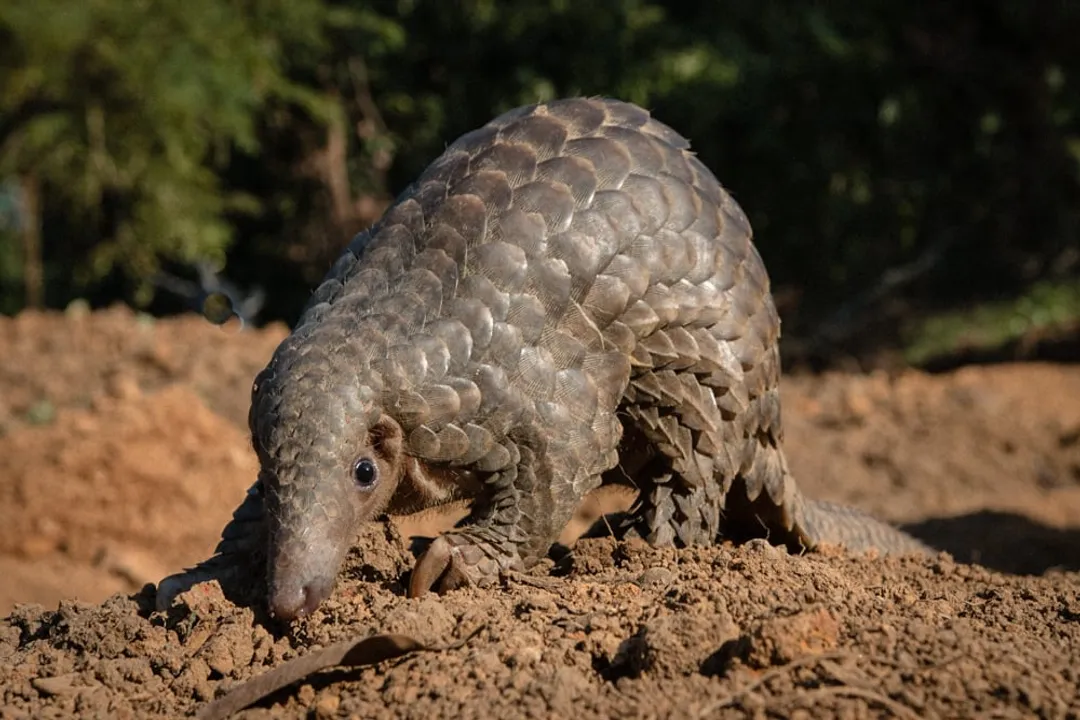
Pangolins are primarily nocturnal animals. [1] Their diet is incredibly specialized, focusing almost entirely on social insects, primarily ants and termites. [1][6][9] They do not possess teeth, making them unique among mammals in this regard. [1] Instead of chewing, they rely on a remarkably long, sticky tongue—which in some species can be longer than the animal’s own body—to probe deep into anthills and termite mounds to lap up their prey. [1][9] They also use their powerful claws to rip open nests. [9] Their eyesight is generally poor, so they rely heavily on an excellent sense of smell to locate food sources. [9]
# Species Count
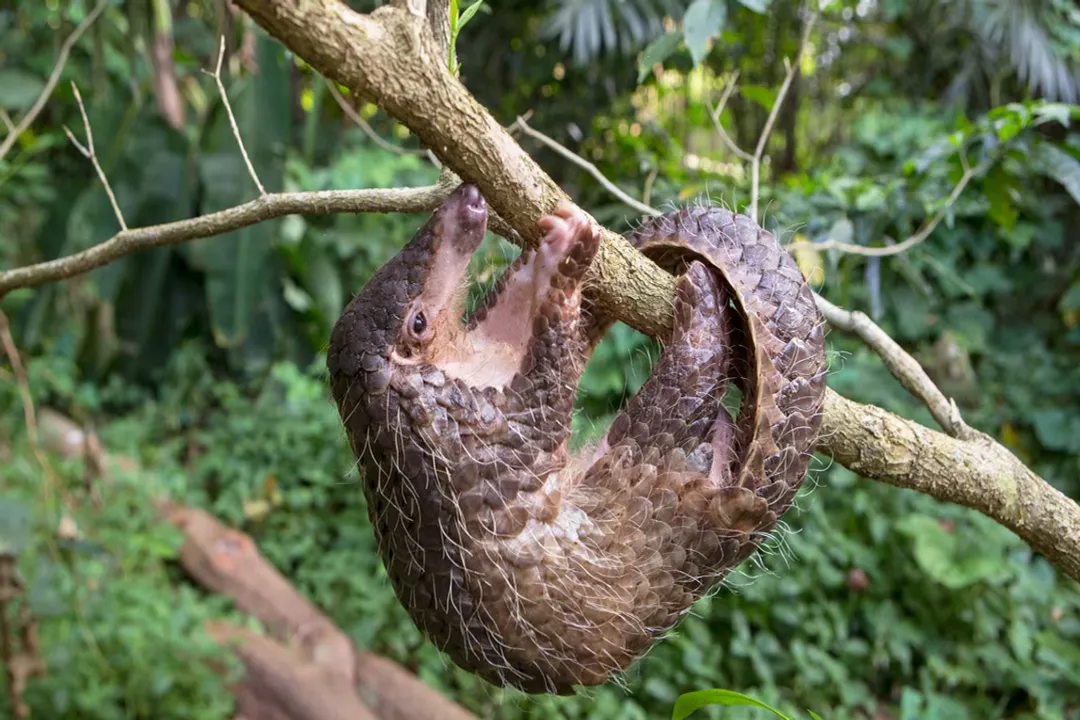
There are currently eight recognized species of pangolin distributed across two continents. [1][6] This group is divided into four species found in Asia and four species residing in Africa. [1][6] The specific type of pangolin, whether Asian or African, often dictates slight differences in habitat preference and even scale density. [1] For instance, while many species are terrestrial, some African species are known to be more arboreal, spending significant time in trees. [1] Recognizing these continental divisions is not just academic; it is vital for conservation efforts, as the pressures and trade routes affecting an Asian pangolin may differ greatly from those impacting their African counterparts. [2]
# Facing Threats
Sadly, the pangolin’s unique features—its scales and its meat—have made it the target of devastating illegal wildlife trade. [8] This intense poaching pressure has earned the pangolin the grim distinction of being the most trafficked mammal on Earth. [8] The demand for their scales in traditional medicine and for their meat as a luxury food item drives this crisis across their range. [6][8] Because of this sustained illegal hunting, all eight species face significant threats, ranging from vulnerable to critically endangered status. [6][7] Organizations like the African Wildlife Foundation (AWF) and the International Fund for Animal Welfare (IFAW) are heavily involved in monitoring populations and working to stop the illegal supply chain that puts these quiet animals at risk. [2][7]
# Conservation Awareness
Understanding the scale of the threat requires a sense of the market forces at play. Since pangolins are often killed in the wild and transported long distances, calculating the sheer volume moved illegally is challenging, but the numbers reported in seizures are staggering. [8] To put this into a local context for anyone living near a pangolin habitat, recognizing an individual species can sometimes offer clues about immediate localized risk. For example, if you observe a species with fewer scale rows across its back, it might lean towards the Sunda or Chinese pangolin group, immediately flagging it as a species of extremely high conservation concern in Asia, whereas a species like the Giant Ground Pangolin in Africa faces different, though equally severe, pressures. [1] Supporting reputable conservation groups or advocating for stronger international enforcement remains the most direct way for the general public to assist in the survival of these unique mammals. [2]
Related Questions
#Citations
Pangolin - Wikipedia
Pangolin | African Wildlife Foundation
Pangolins Are The World's Most Trafficked Mammal - IFAW
Pangolins are the only mammals in the world covered with scales
The pangolin is the only mammal fully covered in scales, and among ...
About Pangolins
7 surprising facts about pangolins and why they need help
Pangolin facts and photos | National Geographic Kids