How to tell if a bird is a finch?
Identifying a bird as a finch involves looking closely at its general shape, bill structure, and plumage, though identifying which finch you have can sometimes be trickier than simply recognizing the family traits. The finch family, Fringillidae, encompasses a wide variety of small, stout-bodied songbirds known for their distinctive conical bills perfectly adapted for cracking seeds. Generally, these birds are active, often seen hopping on the ground or clinging to seed feeders. Size-wise, they are typically small to medium-sized birds.
# Conical Bill
The most universal trait pointing toward a finch is the bill. Look for a short, thick, strong, and distinctly conical bill. This shape is specialized for consuming seeds, which forms the bulk of their diet. When you observe a bird shelling a seed, note how it manipulates the seed in its bill; this powerful structure is a key identifier for many members of the finch family, differentiating them from slender-billed sparrows or insect-eaters. If the bill looks like a tiny, powerful cone, you are likely looking at a finch or a closely related bunting or grosbeak.
# Plumage Coloring
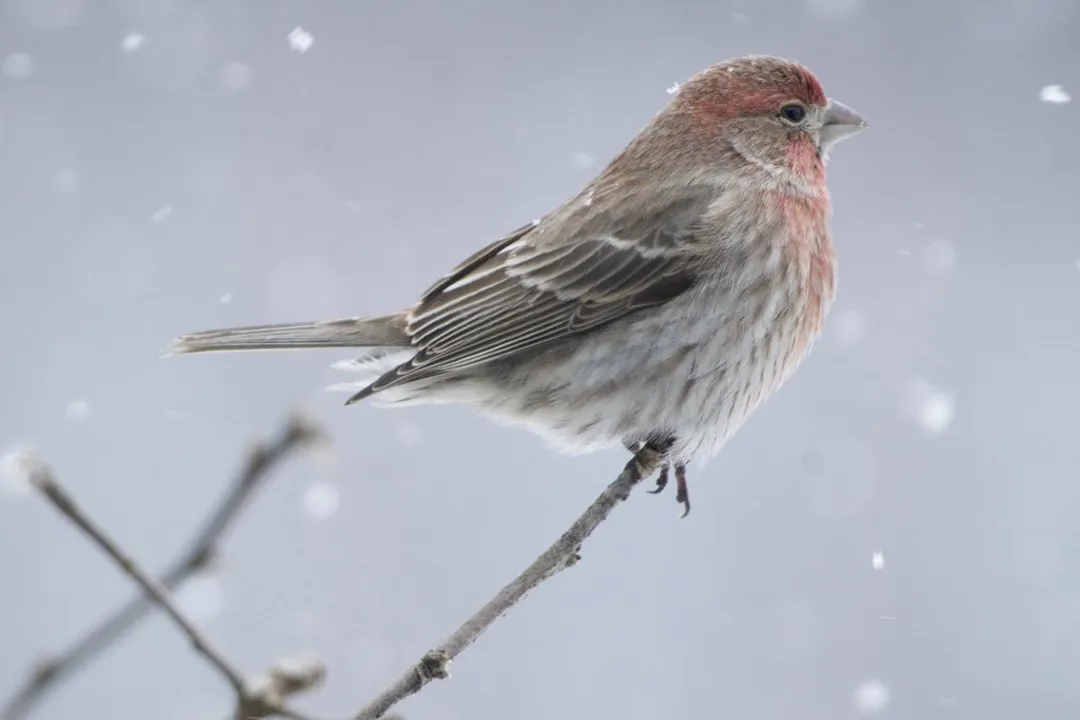
While the bill is structural, the coloration offers the first real clue to the species, though it varies significantly across the family. Many well-known finches, especially in North America, exhibit striking colors, particularly the males. The House Finch, for example, is known for its reddish-pink wash on the head, breast, and rump. The intensity and placement of this color are crucial for distinguishing it from similar species, such as the Purple Finch.
For a quick initial scan, if you see a small, chunky bird with bright red or brown/rose coloring concentrated on the head and chest, particularly around feeders, you can narrow your focus significantly to the Haemorhous finches (House and Purple Finches).
# House Finch Distinctions
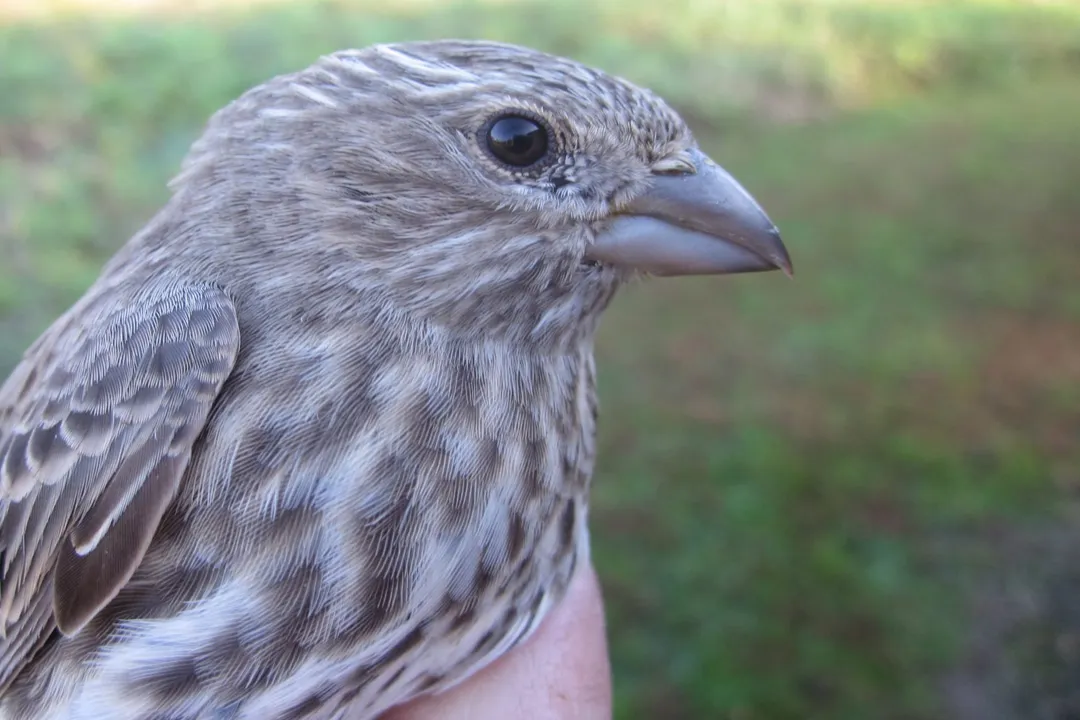
The House Finch male presents a rather specific color pattern. The reddish coloring is often described as raspberry red or orangey-red, and it is generally restricted to the crown, throat, upper breast, and rump, with streaking on the flanks. The back and wings are a dull brown. This color distribution gives the male House Finch a somewhat "painted-on" look to its red areas.
The female House Finch, however, lacks this bright coloration entirely. She is a rather plain, brown-streaked bird. Her identification hinges on subtle features, primarily the blurry, somewhat diffuse brown streaking that covers her entire underside, contrasting with a rather plain face. If you see a plain brown streaker at a feeder, check for that slightly plainer face versus the often bolder streaking of a female sparrow.
# Purple Finch Comparison
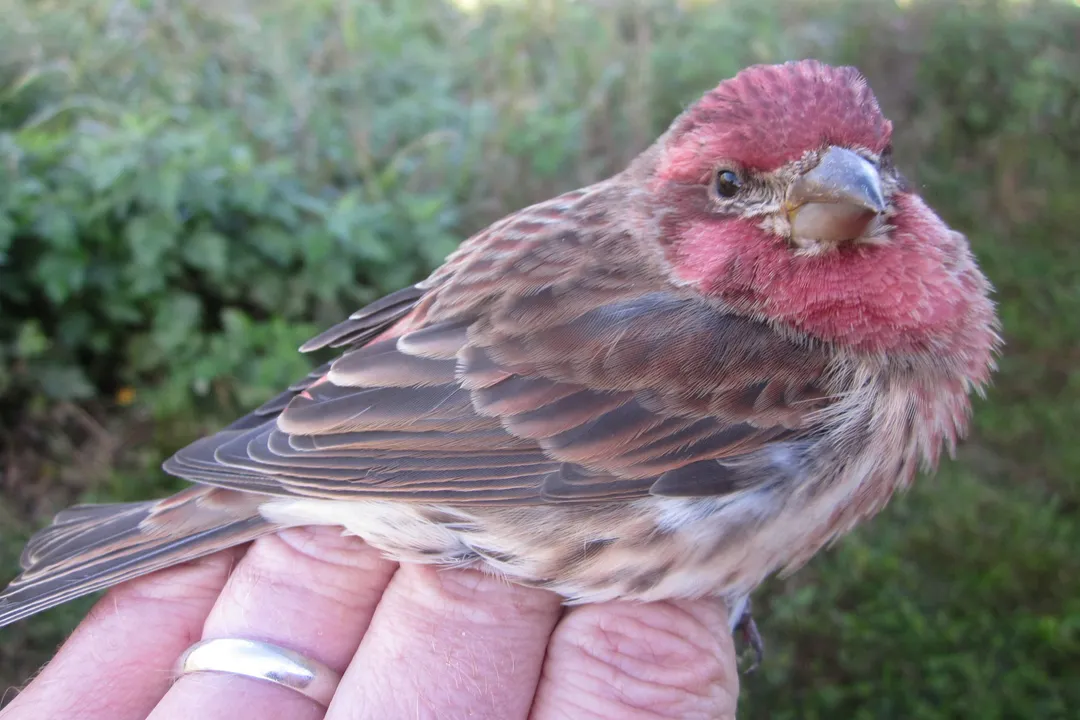
Distinguishing the Purple Finch from the House Finch is a common challenge for many birders, often because their ranges overlap, especially during migration or winter.
# Male Plumage Contrast
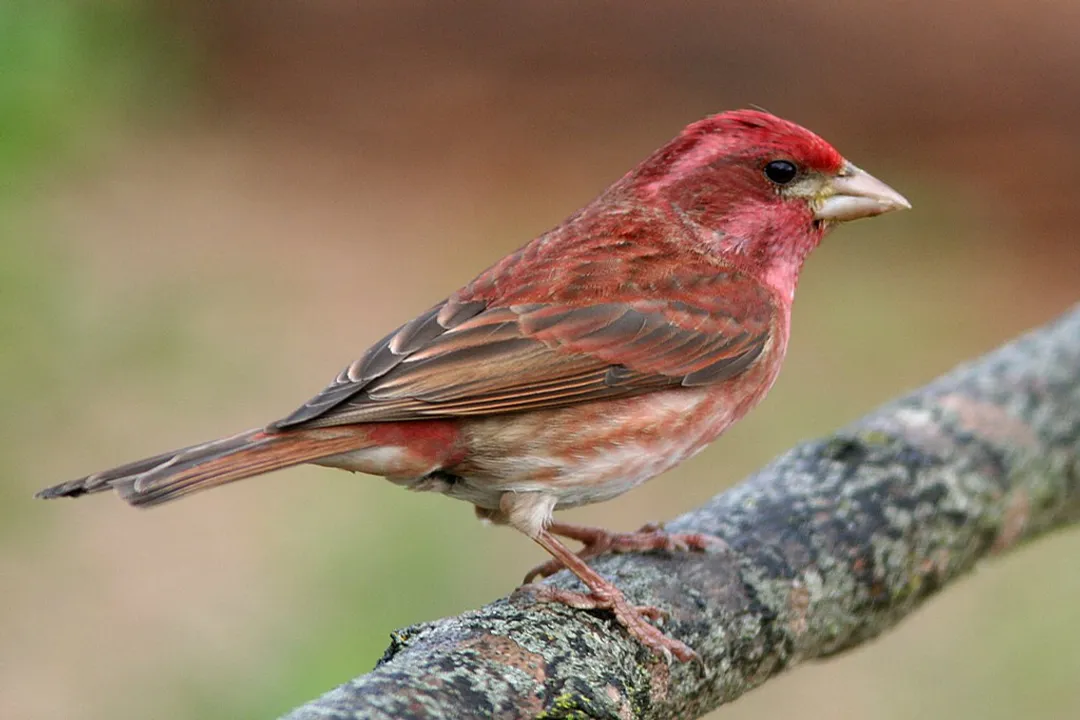
The male Purple Finch is often described as looking "dipped in wine" or a deeper, more purplish-red color, rather than the raspberry red of the House Finch. Crucially, this deep rosy-red color is spread more extensively over the head, breast, and back. Unlike the House Finch, the male Purple Finch often shows less obvious streaking on the flanks. The coloration appears more uniform across the upper body compared to the House Finch's brown back.
# Female Appearance
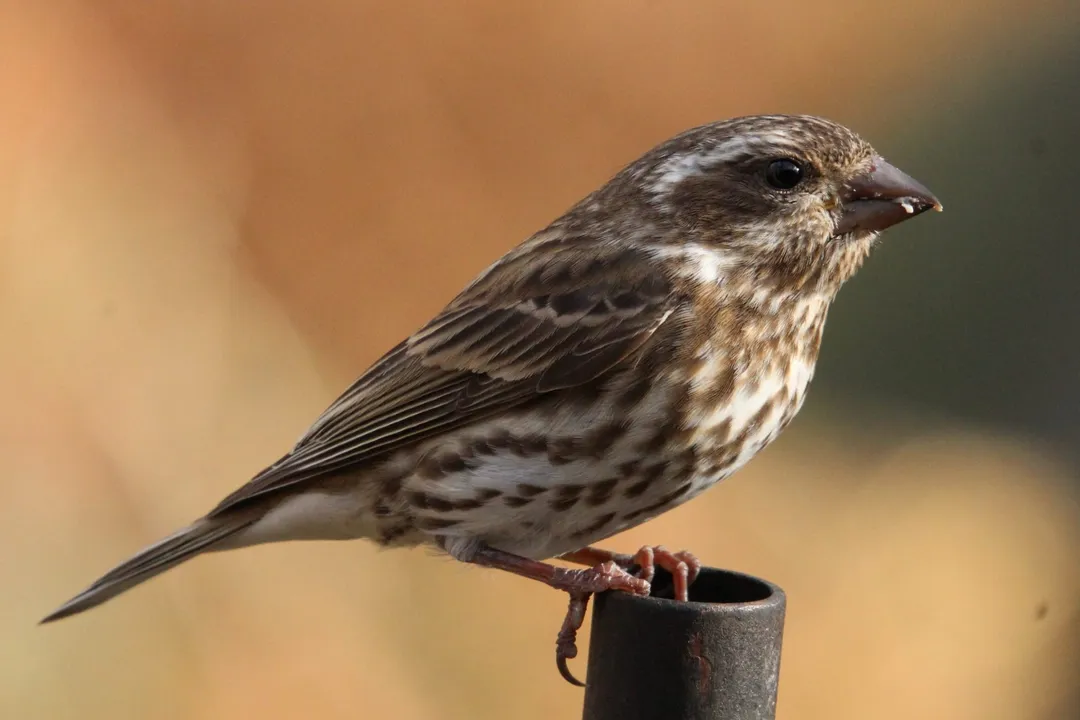
Female Purple Finches are also brown and streaked, but they possess a distinct visual marker: a prominent, whitish stripe that runs over the eye, known as a supercilium. This feature, combined with the overall pattern of streaking, helps separate them from the plainer-faced female House Finch. While both females are streaked underneath, the Purple Finch female generally has bolder streaking, and that white eyebrow stripe is a strong distinguishing feature to look for.
If you are in the field and only catch a brief glimpse, try to assess the pattern of the color on the male, or the presence of that eyebrow stripe on the female. A good field observation trick is to remember that the House Finch's red seems primarily focused around the face and chest, while the Purple Finch's rosy-red seems to soak into the whole head and back area, giving it a darker overall impression.
# Bill Morphology Differences
While both species possess conical finch bills, the shape and size can betray subtle differences upon close inspection. Purple Finches tend to have a slightly thicker, more conical bill overall compared to the House Finch. Some observers note that the Purple Finch bill appears somewhat stockier or "heftier". If you can see the bill clearly, this structural difference can confirm your identification, especially when plumage is inconclusive or dull.
Here is a quick reference table summarizing the key identification points for these two frequently confused species:
| Feature | House Finch Male | Purple Finch Male | Female House Finch | Female Purple Finch |
|---|---|---|---|---|
| Color | Raspberry Red/Orange-Red, brighter on head/chest | Deep Rosy-Red/Purplish, covers more of the body | Brown, plain face, streaked underside | Brown, streaked underside, prominent white eyebrow |
| Streaking | Heavy streaking on flanks/belly | Less obvious flank streaking | Diffuse streaking | Bolder streaking overall |
| Bill | Standard conical finch bill | Slightly thicker/heftier bill | Standard conical finch bill | Standard conical finch bill |
| Range Note | Widespread, adaptable, often urban | More restricted range, often more coniferous habitat | Widespread, adaptable, often urban | More restricted range, often more coniferous habitat |
# Song and Behavior
Beyond sight, sound can often confirm you are dealing with a finch. Finches are known for their singing abilities. House Finches, for instance, sing long, rambling, warbling songs, often delivered from a high perch. It is a cheerful, complex series of notes, though it lacks the distinct whistles of some other songbirds.
Regarding behavior, finches are highly social, particularly outside the breeding season. You will most often encounter them where food is readily available, like at seed feeders. If you observe a flock of small, actively feeding birds, look at how they approach the feeder. House Finches are often noted as being quite comfortable near human habitation and are frequent, sometimes aggressive, visitors to backyard setups.
An interesting observation when studying local feeder birds is how food choice might influence presence. In many regions, Pine Siskins, another type of finch, are heavily attracted to Nyjer (thistle) seed. While House and Purple Finches generally prefer sunflower seeds or mixed seed blends, if you notice a high density of finch-like activity centered around Nyjer feeders, you might be observing species that specialize differently, suggesting a mixed finch habitat, even if the common red ones are not currently visible. Pay attention not just to what they eat, but where they prefer to forage—on the ground, clinging vertically to the feeder tube, or perching nearby.

# Beyond the Common Two
While the House and Purple Finch comparison dominates many identification guides because of their widespread overlap, recognizing a finch generally means looking for those conical bills and seed-eating habits across other species too.
Consider the American Goldfinch, another very common finch. In summer, the male is unmistakable: bright lemon yellow with a black forehead patch and black wings. Outside of breeding season, the male molts into a much duller, olive-yellowish color, but the finch shape and preference for thistle seed remain. The female is plainer year-round, resembling a dull olive version of the winter male. If you see a small yellow bird clinging to a thistle sock feeder, you have likely found a Goldfinch.
Another species to keep in mind, depending on your location, is the Pine Siskin. These are streaky brown birds, often showing a yellowish wash in the wing bars and near the base of the tail feathers. They are often seen in large, erratic flocks, especially in winter, and are known for their slightly sharper, thinner bills compared to the classic heavy finch bill, though they still belong to the family. Their sharp, high-pitched "tseet" calls often betray their presence before you see them clearly.
To solidify your identification skills, try creating a simple mental probability check:
- Bill Check: Is it short, thick, and conical? (If yes, likely finch/bunting/grosbeak).
- Color Check (Male): Is it red/rose, yellow, or drab brown? (Red/Rose points strongly to House/Purple Finch).
- Pattern Check (Female/Dull): If plain brown, does it have a strong supercilium (eyebrow stripe)? (Yes = likely Purple Finch female).
- Habitat/Behavior Check: Is it aggressively feeding at a seed feeder, or is it hanging upside down on a thistle bag? (Feeder aggression often points to House Finch; thistle specialization points to Goldfinch or Siskin).
By systematically moving through these visual and behavioral cues, you move from the general "it's a seed-eater" category to pinpointing the specific finch species visiting your yard or encountered in the field. Remember that individual variation in coloration, lighting conditions, and the age/sex of the bird all influence what you see, making comparison with known field marks the best path to certainty.
#Videos
How To Identify Finches Right Now. - YouTube
Related Questions
#Citations
House Finch Identification, All About Birds, Cornell Lab of Ornithology
Finch ID – Take a Closer Look - Wild Birds Unlimited
How To Identify Finches Right Now. - YouTube
House Sparrow vs House Finch identification chart - Facebook
How can I better tell the difference between finches and sparrows?
How to identify a Purple vs House Finch ? | BirdForum
How to Tell House Finches and Purple Finches Apart
House Finch or Purple Finch? Here's How to Tell Them Apart
The Most Common (and Colorful) Finch Birds You Might See