Are Leghorns easy to take care of?
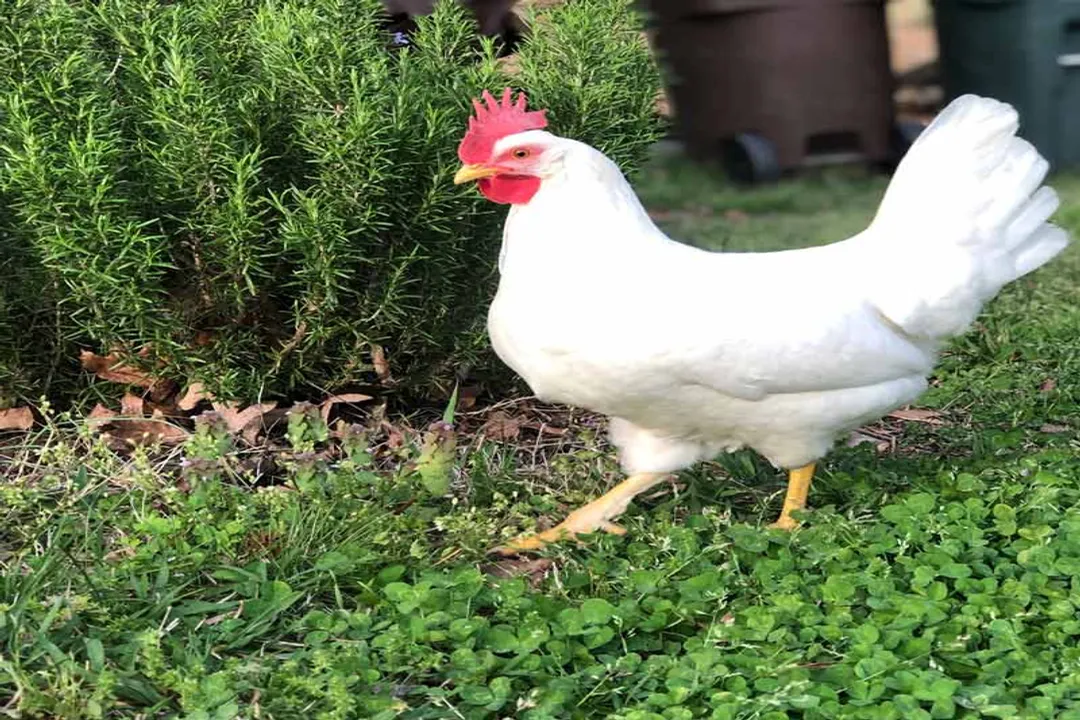
The Leghorn chicken, often recognized by its pristine white feathers and prominent red comb, is a breed that has earned its place in poultry history, primarily as the engine behind commercial white egg production. When asking if they are easy to care for, the answer is nuanced; they are generally low-maintenance regarding basic needs but demand specific considerations due to their high energy and distinctive personality. If your primary goal is consistently obtaining a large volume of white eggs, the Leghorn is remarkably efficient and might be considered "easy" in that regard, provided you meet their requirements for space and stimulation.
# Egg Champions
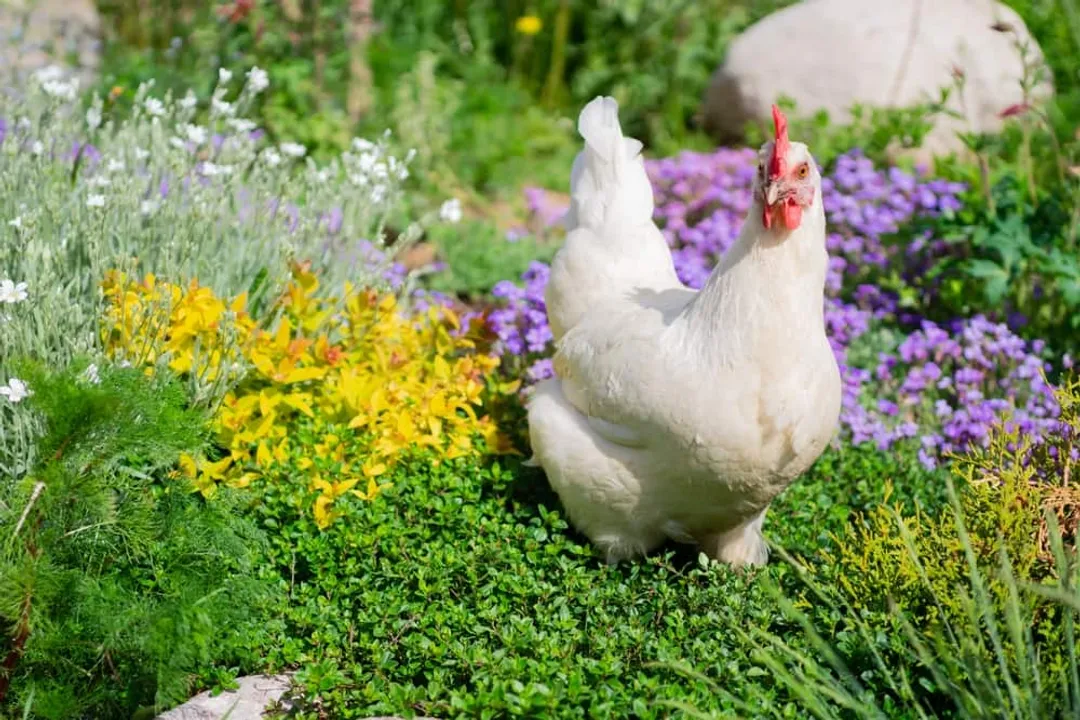
The Leghorn’s greatest claim to fame is its laying prowess. These birds are famous for producing excellent quantities of medium to large, white eggs. A healthy hen can be expected to deliver between 250 to 300 eggs annually, which translates to nearly one egg every single day during their peak production years. Many sources note that the White Leghorn variety, having been intensely developed for industrial use, often leads the production numbers, though heritage varieties like the Light or Dark Brown Leghorns are still fantastic layers.
One characteristic that contributes to their low-maintenance egg operation is that the hens have largely lost the instinct to go broody, meaning they rarely sit on eggs to hatch them. This keeps them focused on laying rather than taking breaks for motherhood. Furthermore, they are recognized for having one of the best feed-to-egg conversion ratios; they produce a high number of eggs relative to the amount of feed they consume, making them an economical choice for the homesteader looking to save on feed bills. Pullets typically start laying early, often between 16 to 20 weeks of age.
# Temperament Profile
If you are seeking a docile, cuddly barnyard companion, the Leghorn is probably not the breed for you. These are classified as light breeds, and they possess an energetic, active, and somewhat independent nature. They are not the type of chicken that will happily settle in your lap for petting; in fact, many owners report that their Leghorns actively avoid human contact unless food is involved. While they are certainly curious and friendly, they are not known for being affectionate.
This independence can lead to owners feeling like the birds "do not like them," as they tend to go about their business without soliciting attention. In mixed flocks, it is often recommended to keep Leghorns with breeds that share their active temperament, as they might clash with more placid breeds. However, their high intelligence is a positive trait, and they enjoy enrichment activities. Owners looking to build a bond should focus on trust-building over physical affection; being willing to take treats from a hand is often considered a sign of trust for this independent breed. This leads to an actionable tip for new keepers: for independent birds like the Leghorn, simple proximity may not be enough to encourage bonding. Try implementing consistent, low-stakes positive reinforcement, such as hand-feeding treats or even light clicker training, to associate your presence with something positive and engaging rather than overwhelming.

# Housing Needs Active Birds
Leghorns require housing that accommodates their need for movement and their natural inclination to fly. Standard requirements apply—a safe, dry, well-ventilated coop with perches and nest boxes—but the space allowance is key. They are lightweight, requiring about 4 square feet of space inside the coop per bird. However, because they are so active, they greatly benefit from ample run space, ideally between 10 to 20 square feet per bird.
Leghorns are notorious flyers; they will seek the highest point available for roosting, meaning coop perches should be installed as high as safely possible. This strong flight capability presents a containment challenge for backyard keepers. If you plan to confine them, the run must be covered, as they can easily fly over standard fencing. If allowed to free-range, they can roam long distances, sometimes miles from home. This tendency to fly high and range far introduces a specific management consideration for the owner: be mindful of where your Leghorns choose to sleep overnight. They often prefer roosting in trees. An original insight for new Leghorn owners is to map out the highest accessible points—both inside the run and in nearby trees—relative to fixed assets like vehicles or outdoor seating areas. If they sleep high up, they will deposit droppings below them, so protect any cars or gathering spots beneath their favorite roosting spots.
# Cold Climate Concerns
Originating in the Mediterranean region of Italy, Leghorns are generally quite heat tolerant, which is aided by their smaller bodies and large combs/wattles that help shed excess body heat. While they can adapt to colder climates, they are less naturally cold-hardy than some heavier breeds. The primary vulnerability in winter is frostbite on their large, single combs.
For keepers in regions experiencing harsh winters, a simple adaptation is to opt for the Rose Comb variety, as these combs are smaller and less susceptible to freezing than the large, floppy single combs. If you already own single-combed birds, preventative measures are necessary: applying a protective salve, such as one based on beeswax, to the comb and wattles can help repel moisture before freezing occurs. Additionally, ensuring the coop is dry and well-ventilated is crucial, as trapped moisture increases the risk of frostbite and other issues. Despite this vulnerability, Leghorns are still considered good winter layers, especially if provided supplemental light during short winter days.

# Diet and Economics
Caring for the Leghorn diet centers on supporting their intense egg production. Chicks require a starter feed with 18–20% protein. Once they mature, they need a layer feed containing at least 16% protein. Because they are such efficient foragers, if you allow them access to safe, fenced-in areas, they will happily supplement their diet by hunting bugs and weeds. However, foraging is supplemental and cannot replace a complete, balanced feed.
It is vital that laying hens have continuous, free-choice access to calcium, usually in the form of crushed oyster shells, unless their primary layer feed is already fortified. This is necessary so they can consume extra calcium as needed to form strong eggshells without leaching it from their own bones. They also may need grit if they cannot access small stones naturally to aid digestion. When the hens enter their annual molt, usually in late summer or fall, their protein needs temporarily increase as they focus energy on regrowing feathers; switching them back to a high-protein starter feed (around 20%) during this period is beneficial.
# Longevity Factors
The expected lifespan for a Leghorn is often cited as 5 to 7 years. However, this figure can vary significantly depending on the strain of bird you acquire. Industrial strain Leghorns are bred almost exclusively for maximum, rapid egg production, which often comes at the expense of longevity. This intense focus on production can predispose industrial birds to health issues like organ failure and reproductive cancer, leading to a shorter average lifespan.
Conversely, heritage strain Leghorns, which are closer to the original ancestral birds, tend to be hardier, with breeders placing more emphasis on sustainability and longevity. While heritage birds might lay slightly fewer eggs than their industrial counterparts, they often maintain strong production rates well into their fourth or even fifth year. Therefore, when assessing the "ease" of care, considering the source matters greatly; selecting heritage birds may offer an easier, longer-lived companion flock compared to pushing industrial lines to their biological limits. Overall, high production like that seen in Leghorns taxes the hen’s body, meaning diet, care quality, and breeding history all contribute to how long your bird will thrive.
#Videos
Pros and Cons of Raising LEGHORNS for EGGS on your Homestead
Related Questions
#Citations
Raising Leghorn Chickens: Guide for Beginners
Leghorn Chickens: A Beginner's Guide - Kalmbach Feeds
How can I get my leghorn hens to like me. Nothing worked. - Reddit
The Leghorn Chicken Deep Dive | Grubbly Farms
Pros and Cons of Raising LEGHORNS for EGGS on your Homestead
LEGHORN QUESTIONS - Learn How to Raise Chickens
Leghorn – Lafeber Company
Breed Spotlight: The White Leghorn - Meyer Hatchery Blog