Did anyone take care of Hachiko after his owner died?
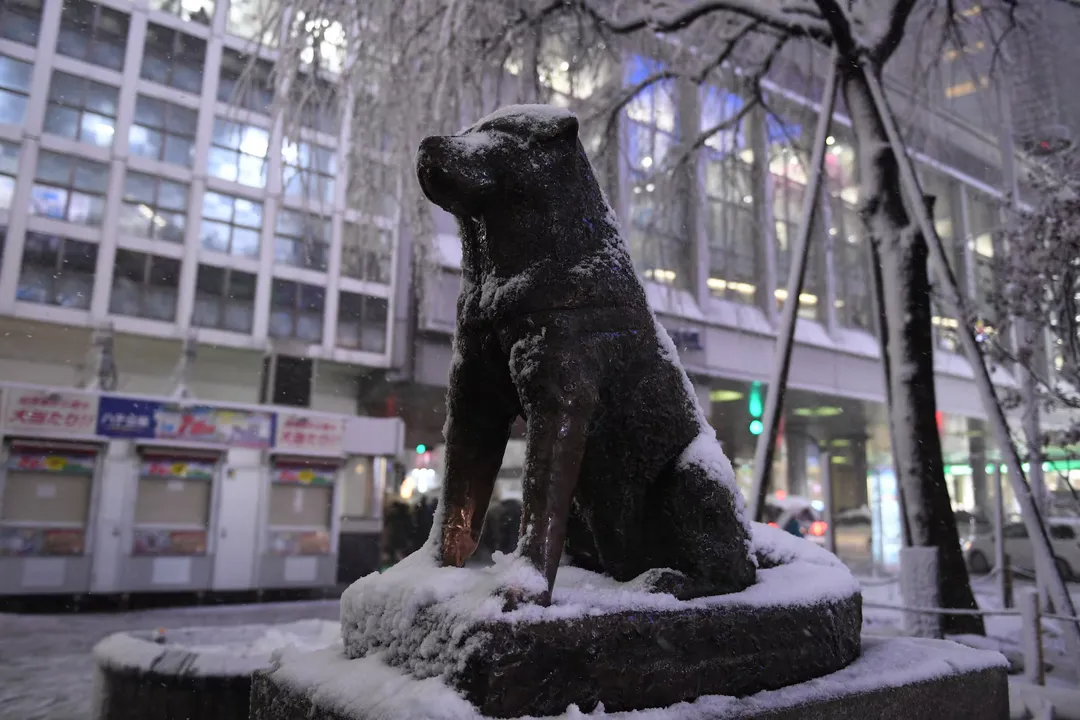
The story of Hachiko, the Akita who waited faithfully at Shibuya Station for his master, Professor Hidesaburō Ueno, is one of the world’s most enduring tales of canine loyalty. When Professor Ueno suffered a fatal cerebral hemorrhage while giving a lecture in May 1925, his routine journey home was suddenly, permanently halted. [1] Hachiko, however, did not stop his own routine, arriving at the station day after day for nearly a decade, hoping for the familiar footsteps that would never appear. [3][5] But while the world watched his unwavering vigil, the practical question remains: who was ensuring the dog was fed, sheltered, and cared for during those long, lonely years after the Professor’s passing?
# First Keeper
Hachiko’s immediate welfare after Professor Ueno’s death was addressed by a specific individual connected to the late professor’s life. For about a year following the professor's passing, Hachiko was taken in by Kikuzaburo Kobayashi, a former colleague of Ueno’s. [1][7] Kobayashi lived in the Azabu district, which required Hachiko to be relocated away from his familiar haunts near Shibuya. [1] This initial placement offered a structured environment, likely with regular meals and shelter, provided by someone who knew and respected Ueno.
However, this arrangement was temporary. Hachiko’s connection to Shibuya Station was too powerful to be broken by distance or comfort. [5] Despite being cared for by Kobayashi, Hachiko eventually returned to the area where he had last seen his owner alive. [1] This return marked a significant shift in his care structure, moving from a dedicated, single household to a broader, less formal support system.
# Station Support
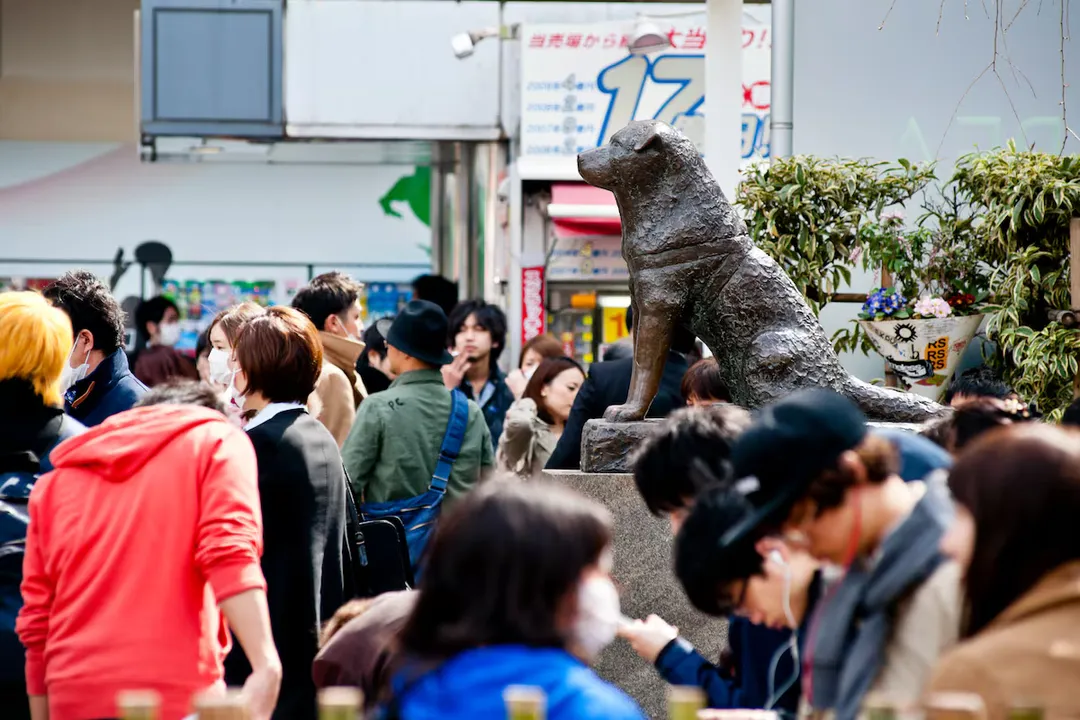
Once Hachiko established his daily waiting spot near the ticket gates of Shibuya Station, his survival depended on the kindness of strangers who became his de facto guardians. [1][5] The staff who worked at the station, accustomed to seeing the dog accompany Ueno, recognized Hachiko and took responsibility for his basic needs. [2]
This support network extended beyond the railway employees. Local vendors, shopkeepers, and residents living or working in the busy Shibuya commercial district began to regularly feed the dog. [5][7] It suggests that Hachiko became an integrated, albeit transient, fixture of the community’s daily rhythm, like a landmark or a quiet local celebrity. [4] The food he received was likely a mixture of scraps, leftovers, or intentional servings prepared by these sympathetic individuals. [2] This communal care ensured he was not starving while he maintained his vigil, even if the consistency and quality of his diet were subject to the fluctuating generosity of the people passing by. [5]

# Local Ecology
The way Hachiko was sustained illustrates a fascinating dynamic within Tokyo’s urban life during the 1920s and 30s. While Professor Ueno was alive, Hachiko’s care was singular, predictable, and entirely contained within the household economy. [1] After Ueno’s death, Hachiko’s sustenance shifted to a distributed care model reliant on the flow of commerce and daily human interaction near the station. [5] This is a subtle but important difference: Ueno provided care as an owner; the vendors provided care as transactions of compassion linked to their business environment. They were feeding the dog who sat outside their shops and livelihoods. [2] The steady stream of commuters, vendors, and station workers created an informal, living insurance policy for the dog. If one person forgot or was unable to feed him one day, another person performing their routine task nearby would likely step in. This contrasts sharply with the modern, highly organized, and often bureaucratic ways stray animals are managed today; Hachiko’s situation was managed entirely by emergent local goodwill. [4]
# Final Years
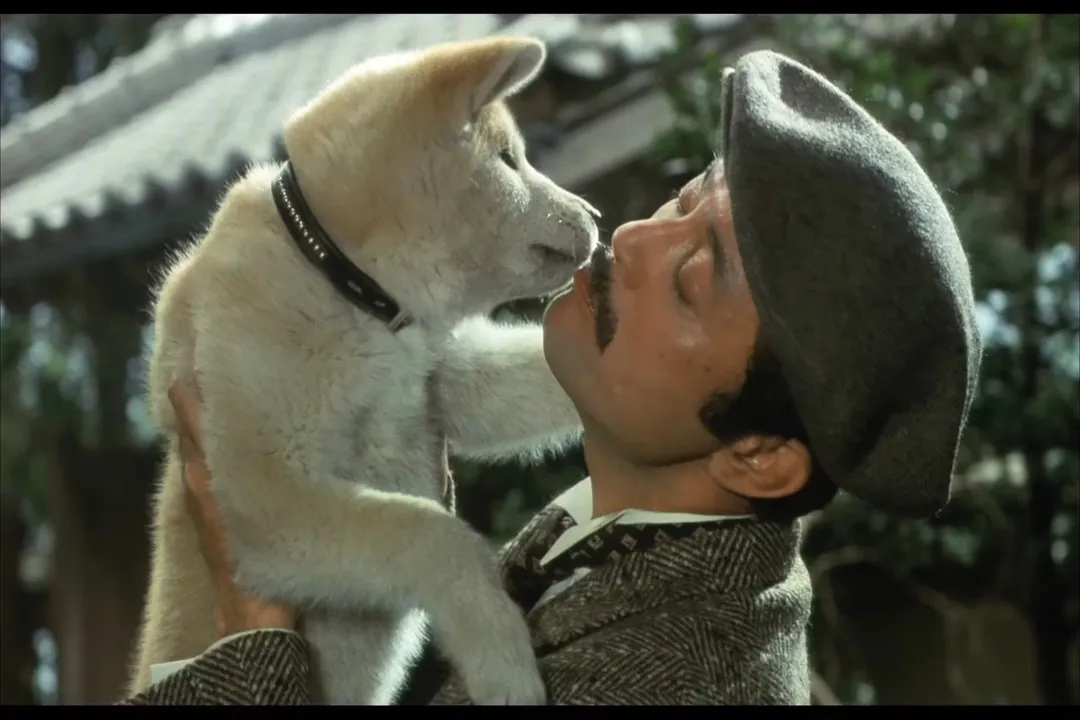
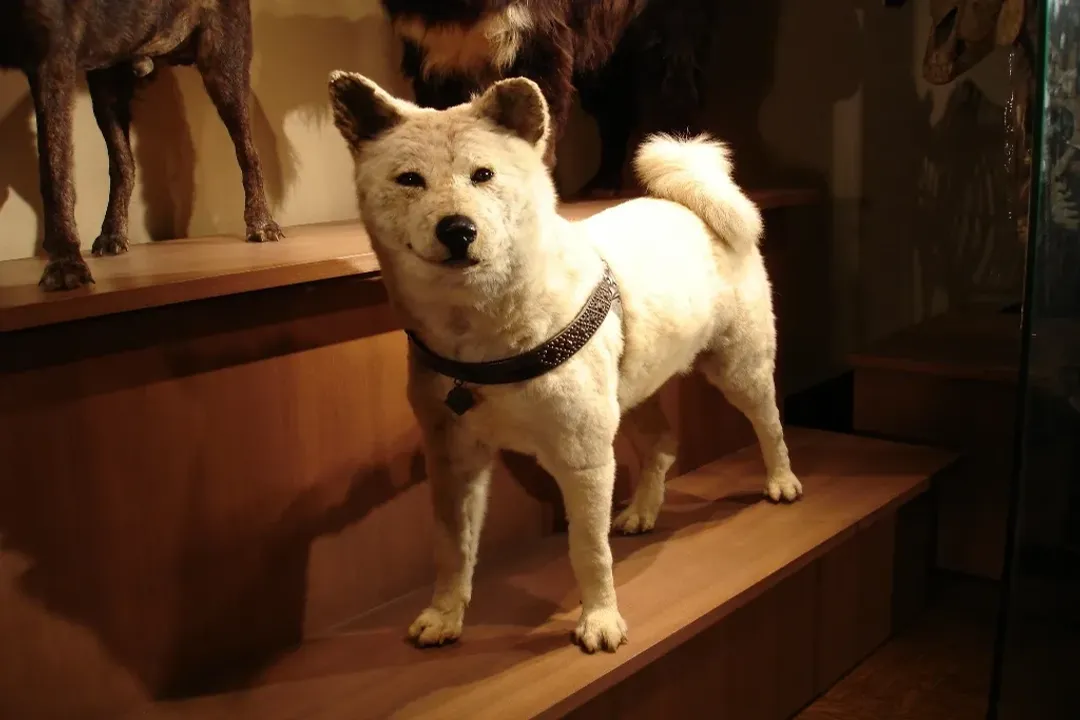
Hachiko’s commitment to his routine persisted for roughly nine years after Ueno’s death, until he passed away in March 1935. [1] During this time, while the local community provided his meals, his health was not entirely sound. By the time he was an old dog, suffering from the physical toll of age and exposure, he developed serious health problems, including stomach worms and advanced liver disease. [1]
His final condition underscores a crucial point: while he was cared for in the sense that he was kept alive through food and water provided by others, he did not receive the kind of consistent, professional veterinary attention that might have alleviated his later suffering. The community managed his daily sustenance, but his advanced age and internal ailments brought his long wait to an end. [1] His body was eventually found near the station, a testament to his persistent dedication until the very end of his life. [1]
The question of who looked after Hachiko after his owner died yields a complex answer. Initially, he had the formal care of a friend and colleague for about a year. [1] Following that, his care transitioned to an informal, ad-hoc system managed by the busy, generous ecosystem surrounding Shibuya Station. [5] This public responsibility allowed the legend to grow, transforming a personal tragedy into a national symbol of fidelity, sustained not by one person, but by the collective conscience of a neighborhood. [3][4]
Related Questions
#Citations
Hachikō - Wikipedia
The Story of Hachiko : r/akita - Reddit
After his owner passed away in 1925, Hachikō continued to return to ...
The Amazing And True Story Of Hachiko The Dog - Nerd Nomads
10 things you didn't know about Hachiko, Japan's most loyal dog
Did Hachiko actually wait for his owner so long? Didn't he ... - Quora
at the Shibuya train station in Japan. Even after his ... - Instagram
Hachiko, the Japanese dog who died waiting 10 years for his owner