How rare is a bull trout?
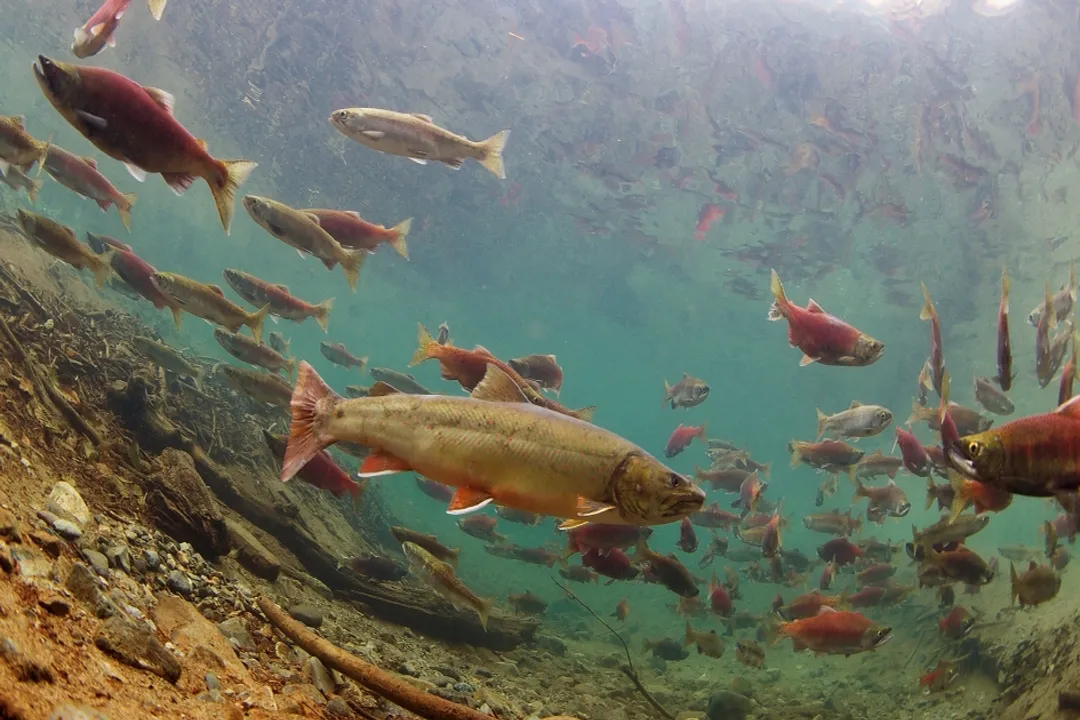
The status of the bull trout (Salvelinus confluentus) is one of concern, placing it firmly on the list of species whose continued presence in many native waters is tenuous. This native char of the Western United States and Canada is not common; rather, its relative rarity stems from a long history of habitat degradation and specific biological requirements that make it acutely sensitive to environmental change. Unlike many trout species, the bull trout is classified as a char, a distinction important for understanding its unique place in cold-water ecosystems.
# Protected Listing
Federal protection status is the clearest indicator of the species' scarcity across its historical range in the lower 48 states. The bull trout is listed as Threatened under the U.S. Endangered Species Act (ESA). This listing applies across its range within the Columbia and Kootenai River basins, as well as other isolated populations where they exist. In specific states, like Washington, local assessments indicate areas where the species faces even more severe peril, sometimes classified as endangered. The ESA listing mandates protective measures for the fish and its designated critical habitat, acknowledging that without these interventions, local extirpations or further declines are likely.
# Range Reduction
The historical range of the bull trout covered vast areas across the northwestern United States and into Canada, but what remains today is significantly diminished and fractured. Estimates suggest that the bull trout has lost more than 70% of its historical distribution. This decline is not a uniform disappearance but rather a pattern of local populations vanishing, leaving behind isolated pockets of remaining fish separated by impassable barriers or unsuitable habitat. While they remain present in the Columbia and Kootenai river systems, the connectivity between these groups is often broken, leading to genetic isolation and increased vulnerability for smaller groups.
# Cold Water Needs
The fundamental reason for the bull trout’s vulnerability, and thus its rarity, lies in its extreme specialization regarding water temperature and quality. Bull trout require exceptionally cold, clean water to thrive. The optimal temperature range for stream survival is quite narrow, ideally between 40 and 50 degrees Fahrenheit. This preference means that bull trout are highly susceptible to water temperature increases that might seem minor to other species. Given that modern climate patterns are trending toward warmer average stream temperatures, the existing, fragmented range becomes even more precarious; a minor, sustained increase in water temperature that might not immediately kill adult fish can severely impact spawning success or juvenile survival across an entire segment of their remaining habitat.
Beyond temperature, their requirement for clean, well-oxygenated gravel is critical. They rely on these substrates for successful redd construction and egg incubation. Any process that introduces fine sediment—such as bank erosion from poor land management or habitat disruption from logging or development—can smother eggs and severely reduce recruitment into the adult population. This dependency means that the health of the bull trout population is an immediate, sensitive barometer for the overall health of the watersheds they inhabit.
# Life Cycle Demands
The life cycle of the bull trout adds another layer to understanding its current scarcity. They exhibit complex migratory behaviors, often moving between large valley lakes or main river channels for feeding and high-elevation, cold tributaries for spawning. Some populations are lake-resident, while others undertake long-distance migrations, sometimes traveling hundreds of miles between feeding and spawning grounds.
These migrations require continuous, high-quality corridors. When dams or major road crossings interrupt these routes, the fish can become trapped, leading to the starvation of non-spawning adults or the failure of an entire spawning group if they cannot reach the necessary natal streams. Because it takes time for these fish to mature and begin spawning—sometimes several years—the loss of even one or two spawning runs due to an impassable barrier or localized habitat destruction can represent a multi-year setback to the population's recovery efforts.
# Major Threats
The pressures leading to the bull trout’s threatened status are varied and often interrelated. Habitat degradation is perhaps the broadest category, encompassing everything from sedimentation to reduced stream flow. Dams and water withdrawals significantly alter stream temperature and flow regimes, often making vast stretches of historical habitat unusable.
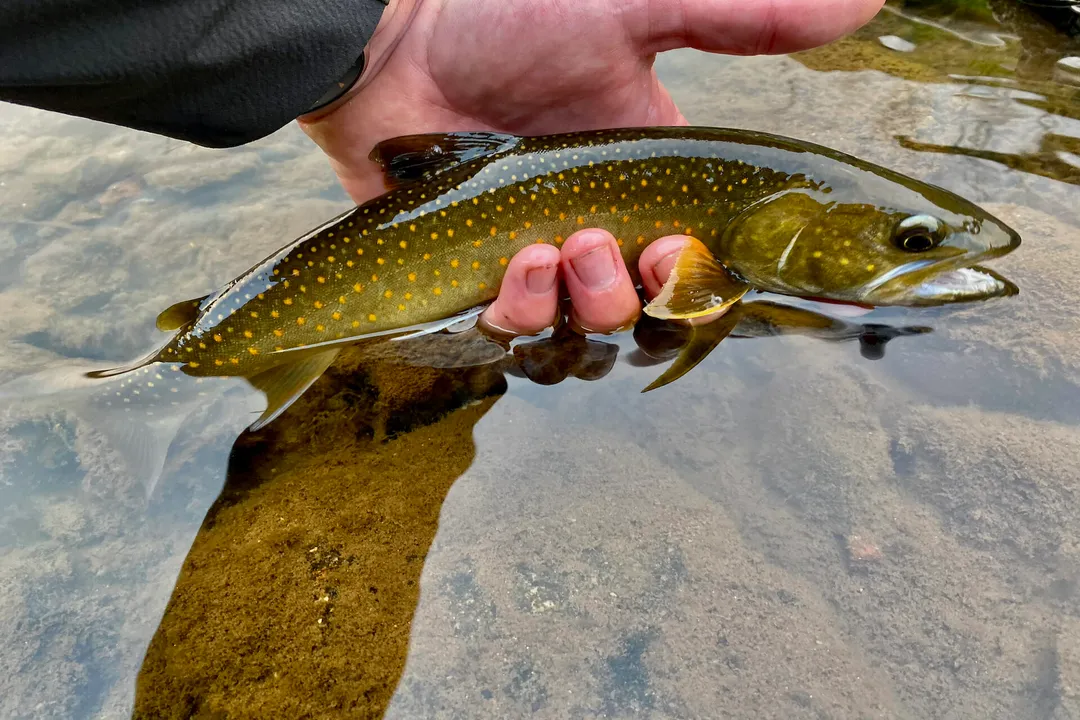
Another substantial threat, particularly where bull trout overlap with introduced species, is hybridization. Because they are closely related to other salmonids, bull trout can interbreed with non-native brook trout, producing sterile or less fit offspring that dilute the native gene pool. When anglers seek out similar-looking species, misidentification can lead to the accidental targeting of bull trout, which are protected. It is helpful for those interested in native species to recognize that since bull trout are char, they generally possess distinct features, such as white leading edges on their lower fins (though this is not unique to them), setting them apart from true trout. Understanding these biological differences is key for conservation, as regulations often differ significantly between trout and char species depending on the specific river system or state.
Furthermore, water quality issues related to mining, agriculture, and urban runoff contribute to stress through pollution and the introduction of fine sediments. Recovery efforts must therefore address these widespread, non-point source pollution issues, which are often more difficult to manage than singular point sources.
# Fragmentation Impacts
The distribution pattern itself creates an inherent fragility. The remaining populations exist in smaller, less interconnected groups. From a genetic standpoint, small, isolated populations are less resilient to disease, environmental fluctuations, or random mortality events compared to a large, contiguous population.
If one isolated stream system suffers a catastrophic die-off due to a sudden pollution event or a short-term severe heatwave, that entire sub-population may be wiped out with no nearby recovery population to naturally repopulate the area, as migration corridors are often blocked. This makes the management of bull trout a highly localized challenge, where the protection of every single tributary used for spawning becomes absolutely essential to the survival of the species as a whole.
# Conservation Outlook
Conservation efforts are focused heavily on restoring habitat connectivity and maintaining water quality in remaining core areas. This includes activities like removing obsolete dams, restoring natural stream flows, and implementing best management practices on private and public lands adjacent to critical spawning and rearing streams. The goal is not necessarily to reclaim the entire historic range—which may be impossible due to permanent alterations like major dams—but to secure and improve the quality of the remaining functioning habitats so that the current populations can stabilize and potentially expand into immediately accessible, restored areas.
The rarity of the bull trout is a direct consequence of large-scale ecological shifts across the American West, driven by habitat fragmentation and the species’ intense sensitivity to warming and sedimentation. While they are federally listed as Threatened, their continued persistence depends on targeted, meticulous local restoration efforts in the cold, clean headwaters they still call home.
Related Questions
#Citations
Bull Trout (Salvelinus confluentus) | U.S. Fish & Wildlife Service
Everything You Wanted To Know: Bull Trout
Bull Trout | California Trout
Convince me targeting bull trout in the Lower 48 is responsible.
[PDF] Bull Trout Salvelinus confluentus
Bull Trout - Idaho Governor's Office of Species Conservation
Bull trout | Washington Department of Fish & Wildlife
Bull Trout - Western Native Trout Initiative