What is the history of bull trout?
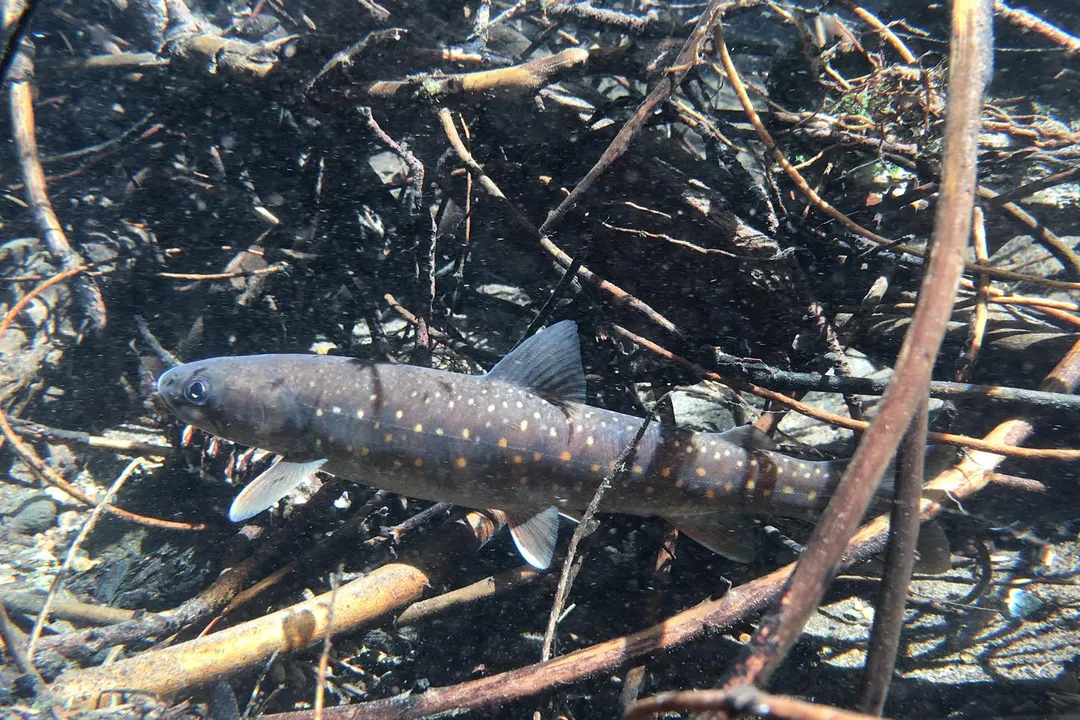
The story of the bull trout, Salvelinus confluentus, is deeply interwoven with the wild, cold waters of western North America, charting a course from ecological abundance to near collapse and ongoing recovery. This species of char, often confused with its close relatives, possesses a history defined by extreme environmental requirements and the escalating pressures of human development across its native range. For thousands of years, the bull trout thrived across a vast territory, utilizing the complex geography of mountain streams and rivers for survival and reproduction.
# Naming Origins
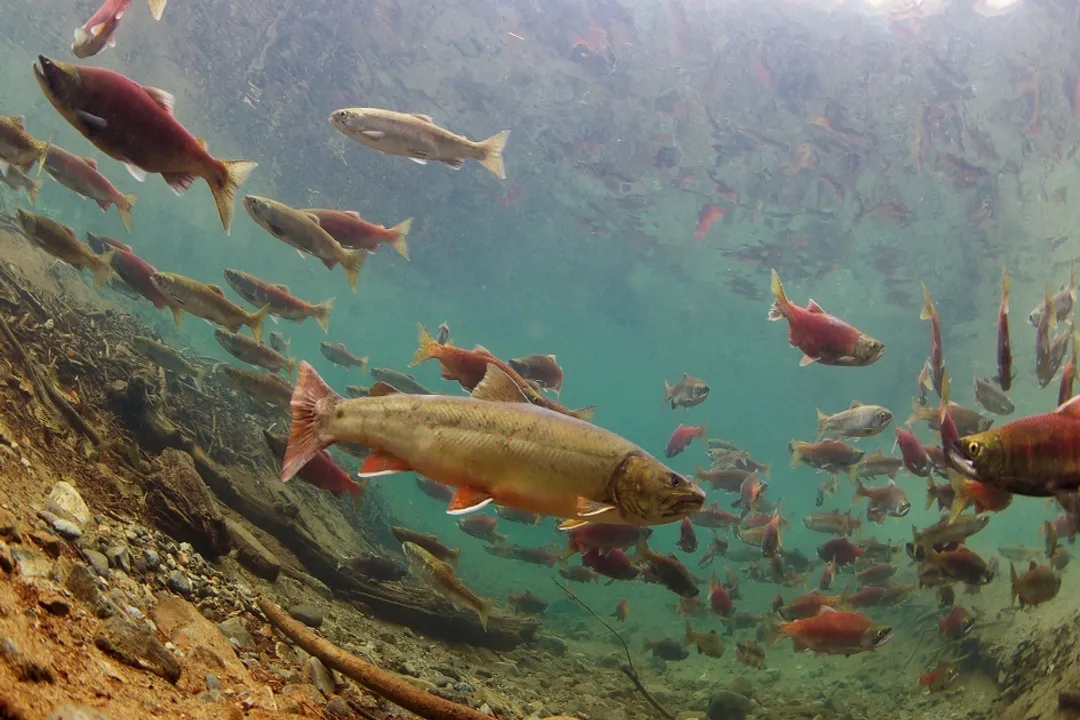
The common name, bull trout, is generally believed to derive from the species' large, somewhat bovine-looking head or perhaps its aggressive nature during the spawning season. Scientifically, its classification has seen some debate, though it is recognized as a distinct species. While closely related to brook trout, lake trout, and Arctic char, the bull trout is genetically distinct enough to warrant its own species designation. A point often overlooked is how much the name Salvelinus itself reflects their char lineage, setting them apart from true trout like the rainbow or cutthroat. For many indigenous peoples, however, the fish carried traditional names tied to local languages, reflecting deep cultural significance long before European settlement.
# Historical Range
Historically, the bull trout occupied an enormous area spanning the Pacific Slope drainages west of the Continental Divide in the United States and Canada. This range encompassed major river systems such as the Columbia, Fraser, Snake, and Klamath basins. They were distributed from southern British Columbia down through Washington, Oregon, Idaho, and into western Montana. Their presence was a clear indicator of high-quality aquatic ecosystems, as these fish have very specific habitat needs.
In the northern portions of their range, such as within the Kootenai River system, bull trout populations were historically robust, migrating extensively between natal streams and larger mainstem rivers or lakes for feeding. Their distribution pattern was not random; it followed the necessity for consistently cold water temperatures, typically below 55 degrees Fahrenheit, which limits where they can successfully spawn and rear young.
# Life History
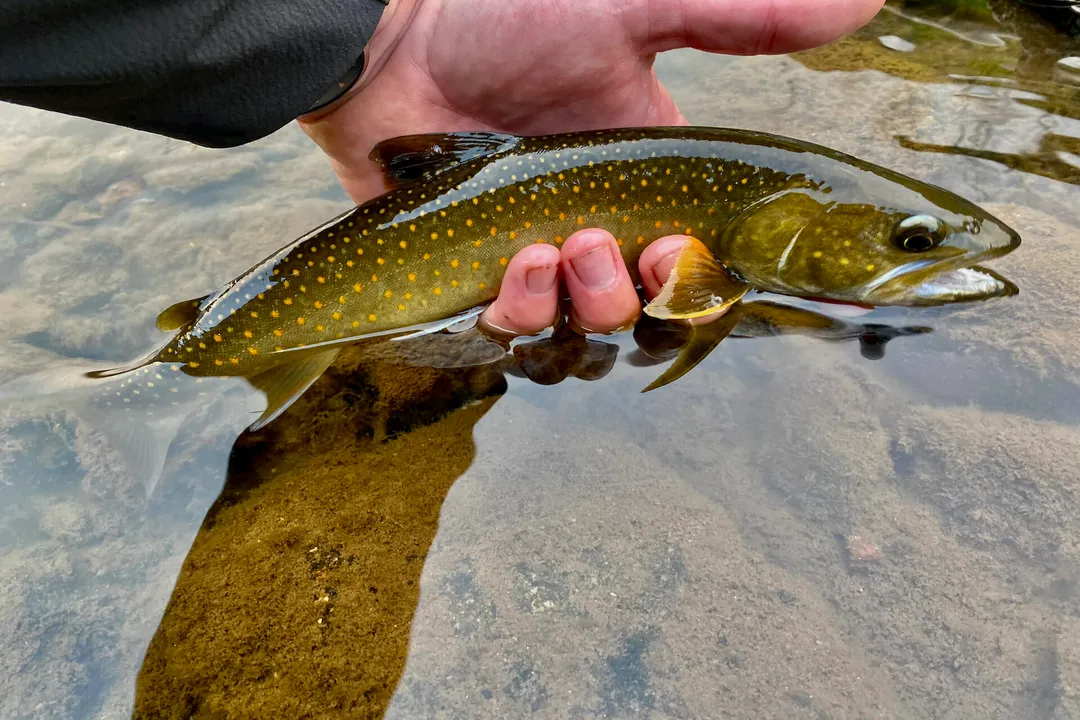
Understanding the bull trout's historical success requires understanding its life cycle, which often involves significant movement. The species is anadromous, meaning some populations migrate between saltwater or large lakes and freshwater streams to spawn, while other populations are resident, remaining entirely within freshwater systems.
Spawning typically occurs in the fall, with fish moving into the shallow, cold headwater streams of their natal drainages. Females excavate nests, called redds, in the gravel beds, where eggs are deposited and fertilized. The young fish spend a considerable amount of time in these high-gradient, clean gravel habitats—sometimes up to three or four years—before migrating out to larger rivers or lakes. This long dependency on pristine natal streams serves as a critical vulnerability when considering the historical pressures placed upon those headwaters.
The life strategy of migrating between feeding grounds and spawning grounds meant that bull trout historically connected vastly different parts of the watershed, acting as a biological link between the valley floor and the high alpine lakes. This ecological role as a connector species helped maintain the health and genetic flow across the entire river network.
# Tribal Relations
For millennia, bull trout were a valued resource for Indigenous communities across their range. They were an important part of the food supply, often harvested sustainably through traditional methods. This long-term relationship meant that local tribes developed intimate knowledge of the fish’s movements, life cycle, and preferred habitats, knowledge that is invaluable in modern conservation efforts. The connection was not just utilitarian; it was woven into the cultural fabric of these groups.

# Environmental Decline
The latter half of the 19th century and much of the 20th century brought dramatic changes that began to unravel the bull trout's long history of survival. The primary drivers of this decline were directly linked to industrial expansion and resource management practices of the time.
# Habitat Alteration
The fundamental requirement for cold, clean water and stable gravel beds made bull trout extremely sensitive to habitat degradation. Logging practices, particularly clear-cutting near streams, increased sediment runoff, which smothers the gravel needed for successful egg incubation. Furthermore, road construction and mining activities contributed to stream channelization and altered hydrology.
The construction of massive hydroelectric dams within the Columbia and Snake River systems fundamentally broke the historical connection between migratory bull trout and their spawning grounds. Dams blocked access to historical spawning tributaries, stranding populations and reducing genetic diversity in isolated segments of the remaining range. When examining historical records, it becomes apparent that the fragmentation caused by these large barriers was far more devastating to migratory strains than the localized pressures of overfishing were to resident populations.
# Threats and Impacts
Several compounding factors accelerated the decline:
- Over-exploitation: Early commercial and recreational fishing put immense pressure on populations, particularly large, slow-growing adults returning to spawn.
- Hatchery Practices: The introduction of non-native species, often through federal and state hatchery programs, introduced disease and competition. Furthermore, hatchery-reared fish competed with wild bull trout juveniles for limited food resources in the main river channels.
- Water Quality: Pollution from various sources lowered water quality and temperature stability, pushing fish out of areas they once inhabited.
It is interesting to note that while the visible impact of dams and logging on stream structure is easy to observe, the historical data suggests that the cumulative impact of all these stressors across the massive range resulted in a much steeper decline than any single factor might have predicted in isolation. The ecosystem's complexity meant that removing one element weakened the entire structure supporting the char.
# Listing Status
By the 1990s, the alarming trend forced federal recognition of the species' precarious position. In 1998, the U.S. Fish and Wildlife Service (FWS) listed the bull trout as a threatened species under the Endangered Species Act (ESA) across most of its U.S. range, though some distinct population segments were listed earlier or remain unlisted in Canada. The listing immediately placed significant legal requirements on federal agencies to ensure their actions did not jeopardize the species or destroy its critical habitat.
In the Pacific Northwest, the bull trout’s status is closely tied to the fate of the larger salmon recovery efforts. Because bull trout rely on the same clean, cold water and habitat structure as Pacific salmon and steelhead, conservation measures aimed at the salmon often benefit the bull trout simultaneously.

# Modern Conservation
Contemporary conservation focuses heavily on habitat protection and restoration, recognizing that without the physical environment, the fish cannot persist. Efforts involve removing obsolete barriers, stabilizing stream banks, controlling sediment, and reintroducing fire regimes that historically kept upper-elevation forests open and regulated stream temperatures.
The recovery plans emphasize the need to secure passage for migratory fish and restore the functionality of entire sub-basins. A key modern insight gained from decades of research is that conservation success is highly dependent on connectivity. If a stream segment that once fed into the main river is blocked, the genetic exchange that allows the species to adapt to changing conditions ceases, essentially turning once robust populations into isolated, vulnerable relics.
The FWS has identified specific geographic areas where recovery efforts are concentrated, often referred to as Recovery Units. These units recognize that populations are separated and require tailored strategies based on local threats, whether they be water withdrawals in arid regions or habitat connectivity issues in heavily forested mountainous areas. The ongoing management requires careful monitoring of population trends, which often involves telemetry and redd counts to measure reproductive success.
While the overall historical range has shrunk considerably—for instance, losing significant portions of the Snake River drainage—the dedication to protecting the remaining strongholds has slowed the rate of decline. The history of the bull trout serves as a stark reminder of how sensitive apex, cold-water predators are to cumulative watershed disturbance, illustrating that "pristine" is a relative term that, once lost, is incredibly difficult and expensive to recreate. The char's survival today is less about finding new habitats and more about painstakingly mending the broken pathways within its ancestral home.
Related Questions
#Citations
Everything You Wanted To Know: Bull Trout
Bull trout - Wikipedia
History of Bull Trout and the Salish and Pend d'Oreille People - CSKT
Bull Trout (Salvelinus confluentus) | U.S. Fish & Wildlife Service
Bull Trout - Northwest Power and Conservation Council
Bull Trout (U.S. National Park Service)
[PDF] @1sh:Bull Trout, Salvelinus confluentus (Suckley) - California Trout
[PDF] Facts about Bull Trout (Native Char)
[PDF] a review of bull trout (salvelinus confluentus) life-history and habitat ...