How rare are Mudi dogs?
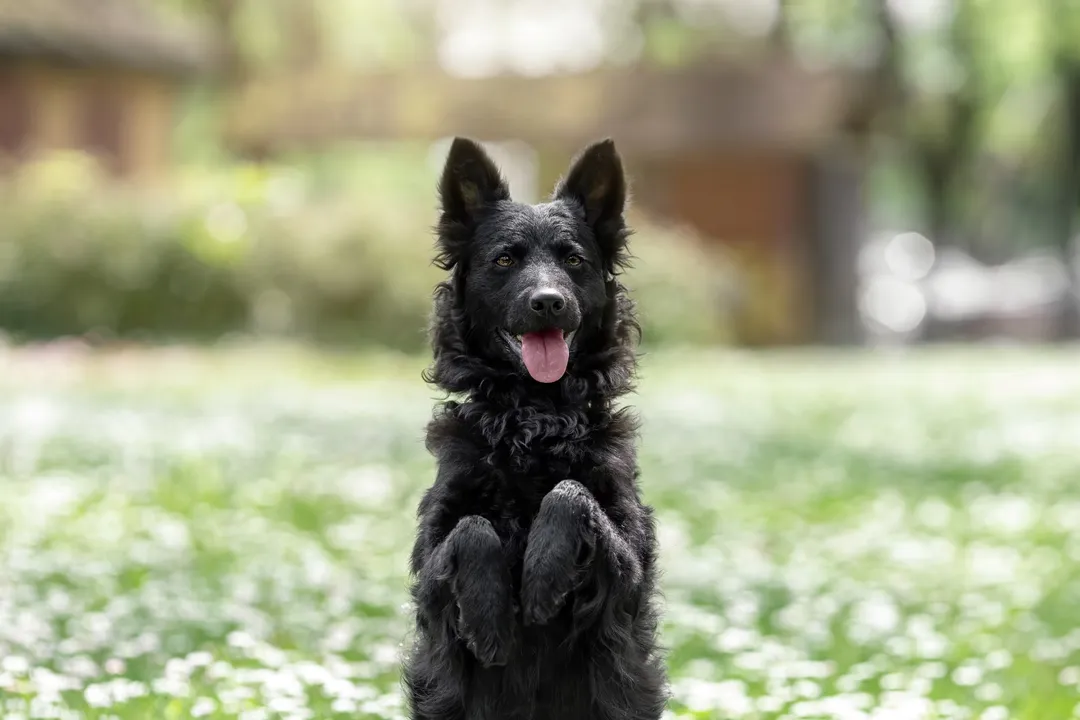
The Mudi dog, an energetic herding breed hailing from Hungary, is certainly not a household name like the Labrador or the German Shepherd. In fact, for many dog enthusiasts outside of Central Europe, this breed remains largely unknown, which immediately suggests a degree of rarity in the global canine population. [9] Their scarcity isn't necessarily due to poor health or a recent, negative split from a parent breed, but rather a reflection of their history—a working dog that has only recently begun the formal process of international recognition. [6]
The journey of the Mudi into the international spotlight is intrinsically linked to kennel club acceptance, which dictates how many breeders register litters and how visible the breed becomes to the general public. [2] While their lineage stretches back centuries as an all-purpose farm dog in Hungary, their modern rarity is a matter of paperwork and geographic concentration. [9] They exist primarily where dedicated enthusiasts have worked to maintain the integrity of the breed against cross-breeding. [4]
# Hungarian Origins

The Mudi breed originates from Hungary, where it developed over a long period through the intermixing of various local herding dogs. [9] Unlike some breeds with very specific, documented founders, the Mudi's beginnings are tied to practical necessity on Hungarian farms. [6] They were essential companions for herding livestock, often working in terrain that required agility and intelligence. [1]
The breed's development involved various native Hungarian sheepdogs, including the Puli and Pumi. [9] The dogs that came to be known as Mudi were selected for their medium size, intelligence, and intense working drive. [6] Historically, they were often simply grouped with other provincial herding types until dedicated breeders began to standardize the look and temperament we recognize today, a process that took significant time and careful selection within Hungary itself. [4]
# New Recognition Status
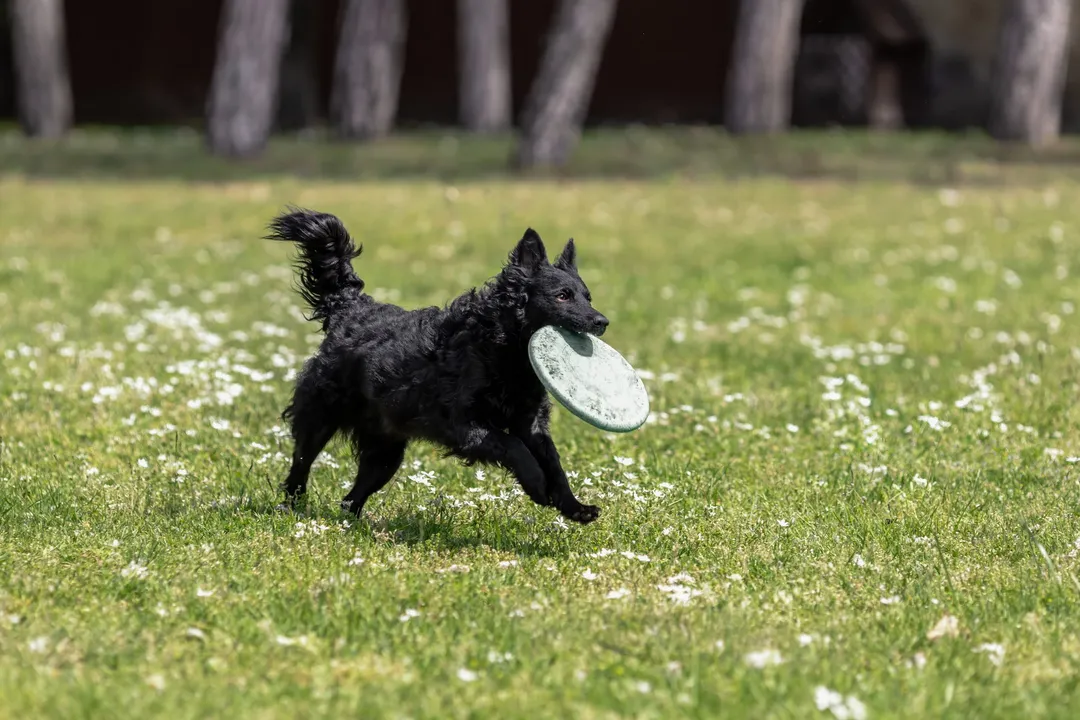
The most concrete measure of a breed's current rarity in places like North America relates to its official status with major registry bodies. [2] In the United States, the American Kennel Club (AKC) officially recognized the Mudi, officially adding them to the Herding Group in early 2022. [2][8] This recognition is a massive step, but it also highlights their newness to the American registry; they are among the newest breeds to gain full AKC acceptance. [2]
Before full recognition, dogs often compete in the Miscellaneous Class, allowing breeders to establish sufficient numbers and adhere to standard requirements. [2] Being a newly accepted breed means the purebred population pool in countries like the US is inherently small when compared to established groups like the Sporting or Toy groups. [3] While they have gained FCI (Fédération Cynologique Internationale) recognition, the density of the population outside of Hungary remains low. [9]

# Availability Factors
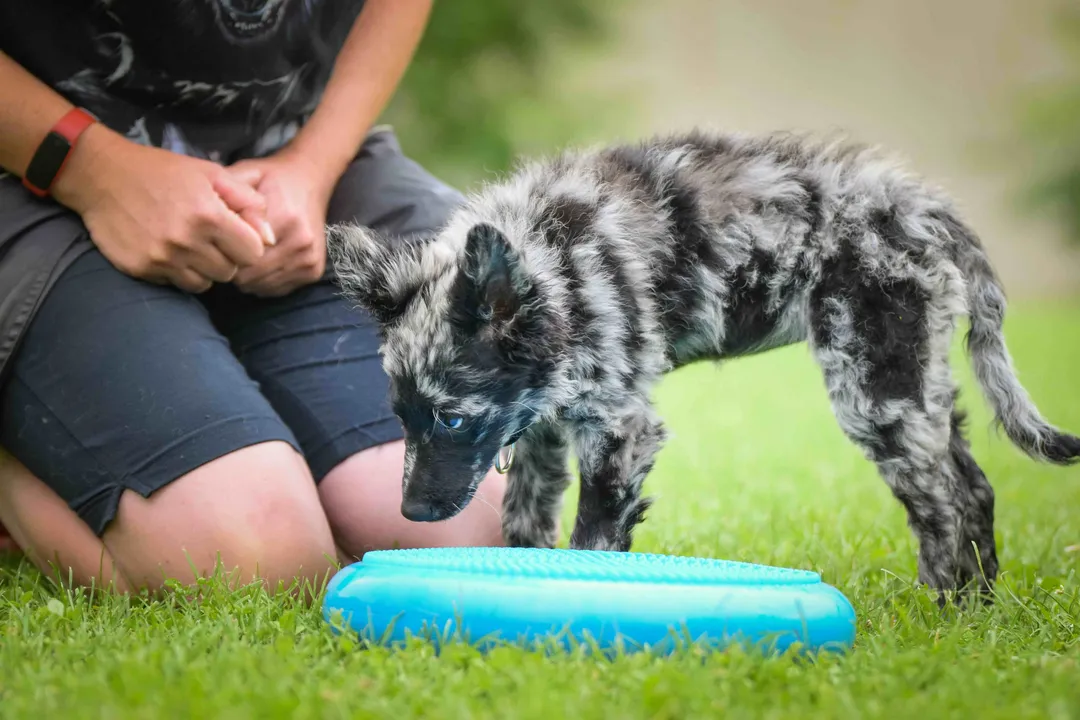
Rarity often translates directly into difficulty finding a puppy or an adult dog for adoption. [7] Because the Mudi population is still relatively small and highly concentrated among dedicated enthusiasts, prospective owners may face waiting lists. [3] This situation is typical for any breed transitioning from regional favorite to international contender. The supply chain for puppies simply hasn't caught up with the potential, or just emerging, demand fueled by the new AKC status. [2]
It is important to note that the Mudi is not merely rare due to low numbers; it is also rare because breeders focus heavily on preserving the breed’s working ability, which sometimes limits how many litters are produced. [4]
Here is a simplified comparison showing how the Mudi's registry status impacts immediate availability in the US context:
| Registration Status | Approximate Time Since US Recognition | Population Size Expectation | Typical Waiting Time for a Puppy |
|---|---|---|---|
| Established Breed (e.g., Golden Retriever) | Decades | Very Large | Weeks to a few Months |
| Recently Recognized (Mudi) | Since 2022 | Small to Moderate | Several Months to Over a Year |
| Not Yet Recognized (e.g., Certain Rare European Types) | N/A | Very Small/Informal | Highly Dependent on Hobby Breeders |
If we look at the timeline of breeds achieving AKC recognition, the Mudi's journey reflects the slow, deliberate introduction of niche European utility dogs to the wider American market. Unlike breeds that exploded in popularity after an initial media appearance, the Mudi's ascent has been gradual, relying on dedicated enthusiasts and the gradual acceptance by official bodies like the AKC, suggesting a dedication to preserving working characteristics over immediate commercial appeal.
# Breed Appeal Driving Interest
The Mudi’s increasing visibility is supported by its desirable traits, which often appeal to experienced dog owners seeking an active companion. [1] They are known for being intelligent, alert, and possessing high energy levels suitable for dog sports or active households. [6] They are also described as moderately sized, which makes them more adaptable to various living situations than some larger herding breeds, potentially increasing their demand among apartment dwellers or those with smaller properties, provided their exercise needs are met. [1]
Their coat maintenance is often cited as a plus; they possess a medium-length coat that is wavy or curly but generally lacks the heavy undercoat that requires intensive stripping found in breeds like the Puli. [1] This relatively easier grooming requirement, combined with high intelligence, makes them attractive targets for people looking for a capable working dog without extreme upkeep demands. [1]

# Seeking a Mudi Owner
For those interested in acquiring a Mudi, the process often involves a higher degree of due diligence than when seeking a more common breed. [3] Because the community is smaller, connections are often made through dedicated breed clubs or specialized online groups, rather than general pet classifieds. [3][5] This reliance on established networks means that finding a puppy often involves learning about the breeder’s philosophy regarding health testing and working aptitude. [3]
Prospective owners investigating the Mudi should look beyond simple breeder listings, as the true experts often belong to national breed clubs. Checking the requirements for breeders recognized by the Mudi Club of America, for instance, might reveal health testing standards that go above and beyond the basic registry requirements, offering a layer of assurance when dealing with a smaller, newer gene pool.
Ultimately, while the Mudi is rare in terms of overall registration numbers globally, their rarity is set to decrease as their positive traits become more widely known following their official recognition in various international registries. [2][9] For now, owning one means possessing a piece of Hungarian heritage that is still just beginning its ascent in the wider world of purebred dogs. [4]
Related Questions
#Citations
Mudi dog: Dog breed characteristics & care - BetterPet
A New AKC Breed: The Hungarian Mudi - Winchester Veterinary Clinic
Frequently Asked Questions - Mudi Club Of America
Mudi Facts - Dog Breeds - Wisdom Panel
Hungarian Mudi breed characteristics and needs - Facebook
Mudi Dog Breed Health and Care | PetMD
[Breeds] Anyone own/ have experience with a Hungarian Mudi?
Hungarian Mudi Breed: Characteristics & Care Guide | 2025
Mudi - Wikipedia