Is Kooikerhondje rare?
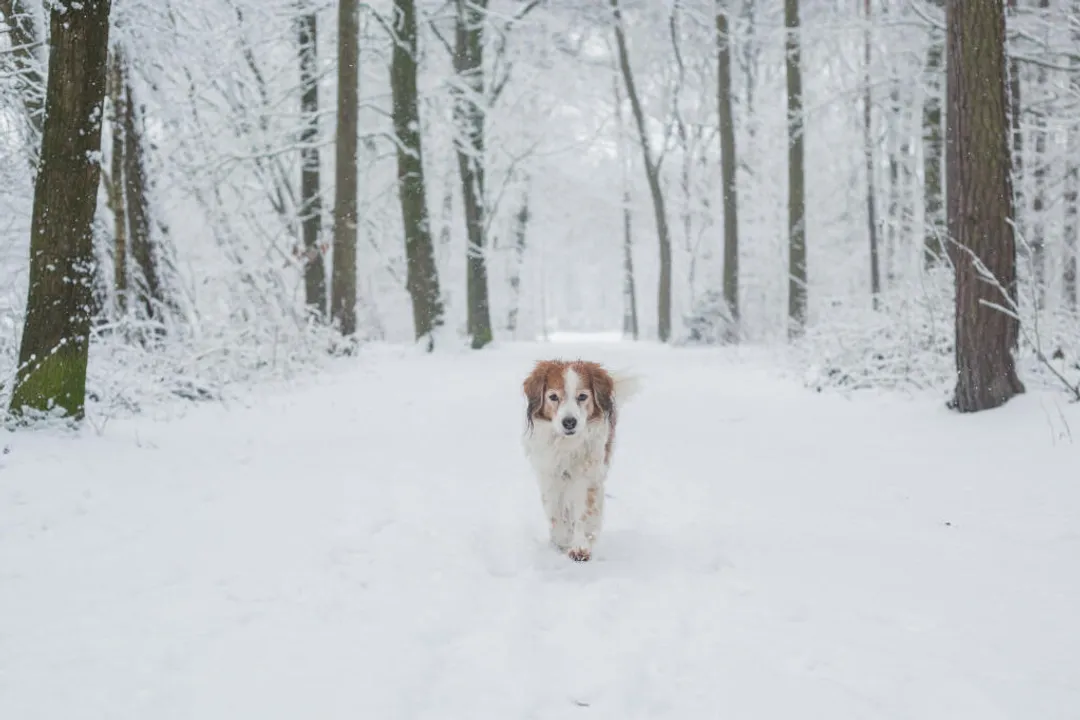
The little orange-and-white spaniel known as the Nederlandse Kooikerhondje often sparks curiosity, leading many admirers to ask if this charming dog is truly rare. The reality is nuanced; the Kooikerhondje occupies a unique position—it is a historically scarce breed that remains relatively uncommon in many parts of the world today, sustained by careful, dedicated breeding programs. Its rarity isn't necessarily due to a lack of interest, but rather a consequence of its history and the specialized nature of its care.
# Recognition Status

To understand its rarity, one must first look at its official standing within major kennel clubs. The Kooikerhondje is certainly established in its native country, recognized as a Dutch breed. Internationally, its acceptance shows a slow but steady climb. The Fédération Cynologique Internationale (FCI), which governs many international dog shows, fully recognizes the breed.
In the United States, the path is more gradual, which can make the breed feel rarer to American enthusiasts. The American Kennel Club (AKC) currently places the Kooikerhondje in its Miscellaneous Class. This classification means the breed is eligible to participate in certain AKC events, but it is not yet fully recognized for championship competition. This interim status reflects a need for further growth in the population and standardized participation before achieving full breed status. However, indicators show increasing visibility; for example, the breed was highlighted as one of the Westminster Kennel Club Dog Show's "Hidden Gem" breeds for their 2026 event, signaling significant interest from the purebred community.
# Historical Numbers

The breed's current population size is heavily influenced by its tumultuous past. At one point, the Kooikerhondje was perilously close to disappearing forever. Historical accounts suggest that by 1942, the population had dwindled to alarmingly low numbers, perhaps only about 400 dogs remaining. Dedicated conservation efforts by breeders were required to pull the breed back from the brink of extinction.
This near-extinction event is critical to understanding its contemporary scarcity. Unlike breeds that have maintained large working or companion populations for centuries, the Kooikerhondje is essentially being rebuilt by preservationists. This careful stewardship, focused on maintaining breed integrity rather than rapid expansion, inherently keeps the annual number of available puppies low compared to more common breeds.

# Temperament Factors

The intrinsic nature of the Kooikerhondje also plays a role in how widespread the breed becomes. They are not typically suited for passive owners; they are intelligent, active dogs that thrive when they have a job. Prospective owners often note that the breed is generally clever but can be reserved or wary around unfamiliar people.
This necessary wariness means they require early and consistent socialization to develop into well-adjusted companions. They possess high energy and require regular engagement, whether through formal training like obedience or agility, or simply involving them in active outdoor pursuits. If potential owners seek a low-maintenance lap dog, the Kooikerhondje is not the right fit, and this natural selectivity helps maintain a lower population in non-specialist homes.
The energy level required suggests that a prospective owner should assess their own lifestyle realistically. A typical Kooikerhondje needs more than just a daily walk; they often benefit from activities that engage their natural retrieving or lure instincts. Think of them as keen amateurs in nearly any dog sport; their enthusiasm must be channeled constructively.
# Health Management
Responsible breeding practices aimed at minimizing genetic issues also impact population growth rates. While generally a healthy breed, enthusiasts and responsible breeders pay close attention to known health concerns, such as certain eye conditions and the hereditary bleeding disorder known as Factor XI deficiency.
Breeders committed to the Kooikerhondje standard will ensure that breeding stock is thoroughly tested for these specific genetic markers. The necessity of rigorous health screening—and subsequently, the decision not to breed dogs that carry concerning genetic results—means that only a fraction of healthy, viable dogs can be put into the breeding pool at any given time. This scientific approach to population management, while vital for the breed's long-term viability, naturally restricts the output of puppies compared to breeds with fewer documented genetic hurdles requiring mandatory testing.
# Sourcing Puppies
For someone looking to acquire a Kooikerhondje, the rarity is most immediately felt in the waiting period for a puppy. Because the global population is modest and dedicated breeders prioritize placing puppies in appropriate homes, securing a dog often involves significant patience.
If you live outside the Netherlands or in an area with only one or two established national breed clubs, the dog becomes exceedingly rare locally. You might find yourself needing to import a puppy or wait for several years for a local breeder to have a litter ready for placement. This scarcity in local availability, tied to the low overall numbers and meticulous placement process, is the clearest demonstration of the breed’s rare status for the average enthusiast.
When contacting breeders, it is important to note that you are likely communicating with people deeply invested in the breed's history and future. They will ask detailed questions about your living situation, your experience with active or sensitive dogs, and your plans for exercise and socialization. This thorough vetting process is a direct result of their commitment to protecting the breed from unsuitable environments.
One key difference that prospective owners should internalize compared to buying a common breed is the expected timeline. For a popular breed, a few months might cover a waitlist; for a Kooikerhondje, committing to a reputable breeder often means being prepared for a year or more of waiting while maintaining open communication. This patience is the entry ticket into owning this "Dutch delight".
# Comparison Insights
It is helpful to place the Kooikerhondje's rarity in context against similar types of dogs. Consider the relationship between the Kooikerhondje and the slightly more common Papillon. Both are small, feathered spaniel-type dogs with Dutch or Belgian roots, often recognized for their cheerful demeanor. However, the Papillon has a much larger international footprint and significantly higher registration numbers across major global registries, making the Kooikerhondje considerably scarcer outside of its native environment.
Another useful comparison is the Cavalier King Charles Spaniel. While Cavaliers are also companion dogs that require responsible sourcing, their population numbers globally are vastly larger, resulting in far more breeders and puppies available at any time. The Kooikerhondje's specialized history and ongoing conservation status place it in a much smaller pool.
The breed's unique visual signature—the black ear tufts, often called earrings, contrasting with the rich red/orange and white coat—is striking. This distinctive look contributes to their high visibility when they are seen in public, often leading to the misperception that they must be common, but this visual appeal has not yet translated into large-scale population growth due to the factors discussed.
In summary, the Nederlandse Kooikerhondje is rare because it was nearly extinct, it remains subject to careful, controlled breeding focused on health and temperament, and it is not yet fully established across all major international kennel club structures. It is a rare gem, requiring dedicated enthusiasts to seek it out and provide the active, loving homes it needs to continue its successful recovery.
Related Questions
#Citations
Nederlandse Kooikerhondje Facts You May Not Know
I'm considering a kooiker. I want to know what it's like to own one ...
Kooikerhondje - Wikipedia
Kooikerhondje Dogs - Breeds - Omlet
The Nederlandse Kooikerhondje is one of our 2026 Hidden Gem ...
Dog Breed Profile: Nederlandse Kooikerhondje – A Charming Dutch
Nederlandse Kooikerhondjes - Dog Breeds - Embark
Kooikerhondje - Pet glossary term and definition - Dan's Pet Care
Nederlandse Kooikerhondje Dog Breed and Characteristics