How many margays are left?
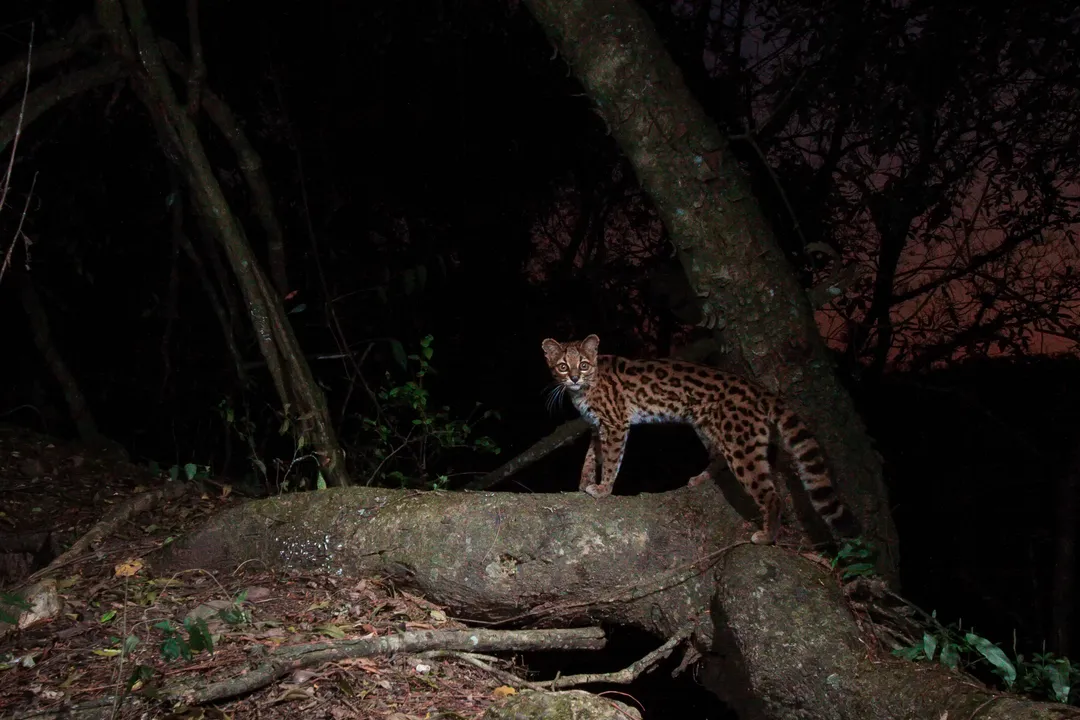
Determining the precise number of margays remaining in the wild is an exercise fraught with difficulty, a common challenge when tracking rare, cryptic, and highly arboreal wild cats. These beautiful, spotted creatures, sometimes mistaken for smaller Ocelots, possess elusive habits that keep them largely hidden from scientific scrutiny across their extensive range. [1][5] While sources confirm they are still present across parts of Central and South America, an exact census count is unavailable because the methods required to reliably monitor a population of such a secretive species simply do not yield concrete, global totals. [3] The best current understanding relies on population trend assessments and conservation risk categories assigned by international bodies. [3]
# Status Assessment
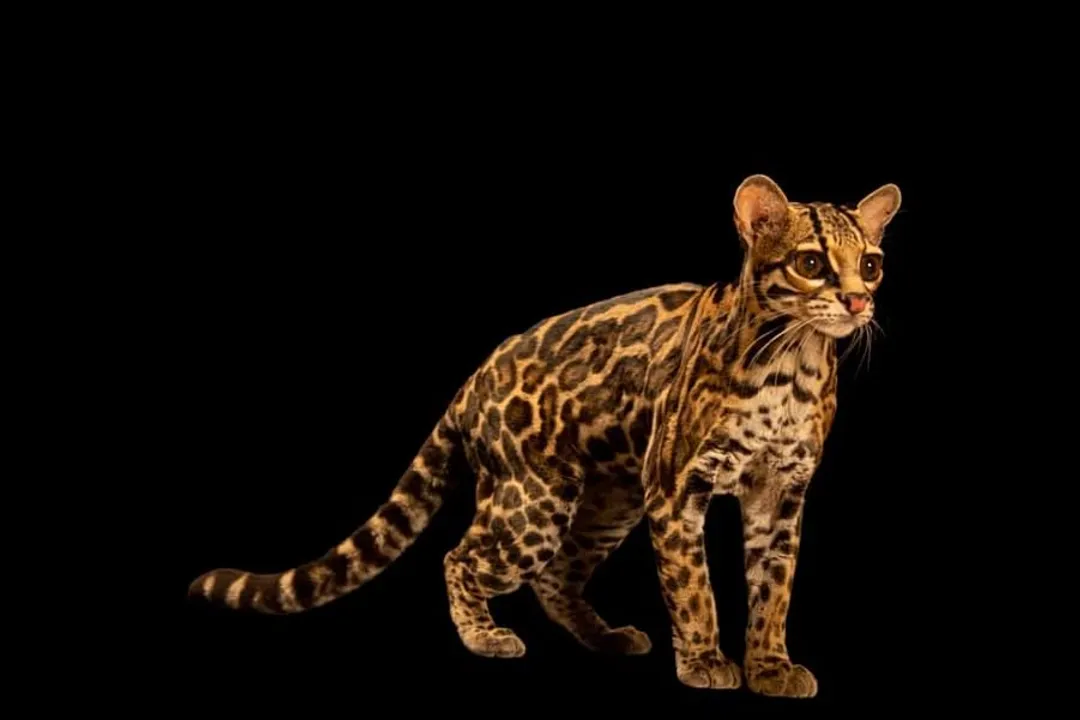
The official conservation status for the margay (Leopardus wiedii) generally places them in the category of Near Threatened on the IUCN Red List of Threatened Species. [3][5] This classification suggests that while they are not yet critically endangered, they are close to qualifying for a threatened category or would likely qualify in the near future if current trends continue. [3] Some sources indicate that while they are widely distributed, their numbers are decreasing due to ongoing pressures on their environments. [1][4] The scarcity of hard data means that conservation efforts often rely on understanding their ecological requirements and the severity of the threats they face, rather than tracking a specific known population size. [8]
It is important to note the distinction between historical scientific understanding and current consensus. At one point, taxonomy recognized a greater diversity within the species. For instance, past records indicated the existence of up to eleven different recognized subspecies of margays, a fact that speaks to the historical breadth of their successful distribution. [9] Today, while the classification of subspecies can vary among researchers, the general status of the species as a whole dictates the primary conservation focus. [9][3]
# Forest Dweller
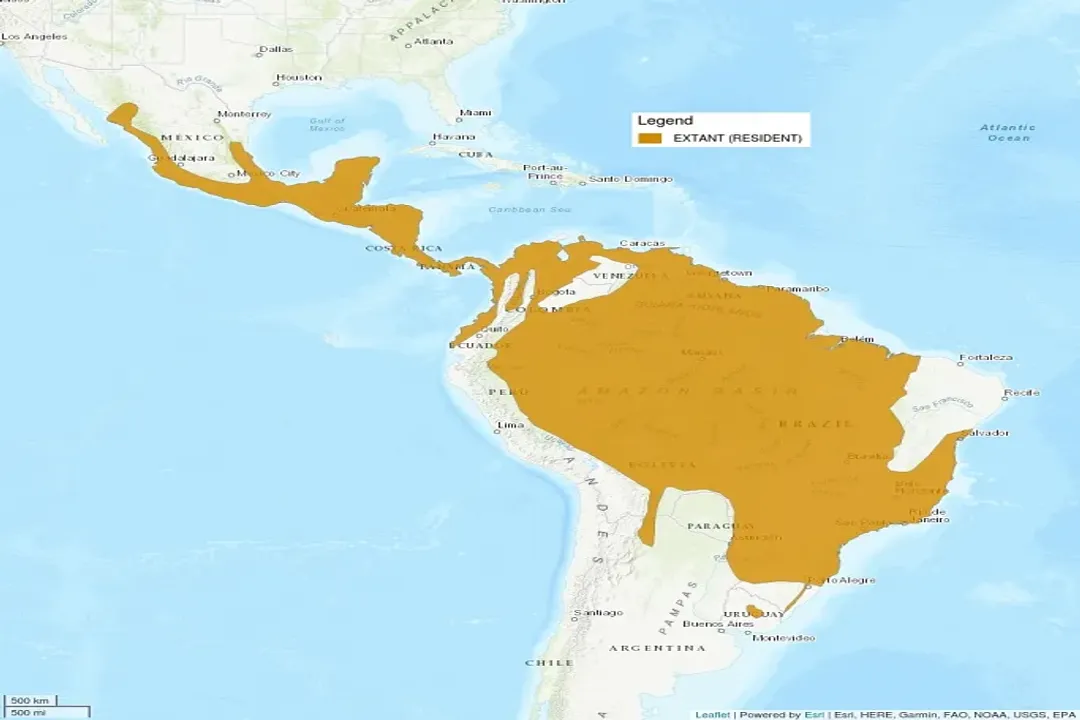
The geographic span of the margay covers a wide swath of the Americas, extending from southern Mexico down through Central America and into much of South America, reaching as far south as northern Argentina and Uruguay. [3][5] They typically prefer dense, humid forests, including tropical rainforests, cloud forests, and occasionally drier montane forests. [1][4] Their reliance on mature forest cover is a significant factor in population stability. When we consider how difficult it is to conduct accurate surveys in dense, remote canopy environments, it becomes clear why population estimates remain speculative. [5]
The fragmented nature of their habitat presents a subtle but serious problem for long-term viability that simple population counts often fail to capture. Even if global data suggests the species is "Near Threatened," localized extinction, or extirpation, can occur when continuous tracts of forest are broken up by roads, cattle pastures, or logging operations. [1] A series of small, disconnected populations inhabiting forest fragments are far more vulnerable to inbreeding and local catastrophic events than a single large, contiguous group, meaning that the quality and connectivity of their remaining habitat are more critical than the sheer estimated total count. [4]
# Arboreal Skills

One feature that makes studying and counting the margay uniquely challenging is its exceptional adaptation to an arboreal lifestyle, giving it a climbing prowess often compared to monkeys. [6] They possess the remarkable ability to rotate their ankles 180 degrees, allowing them to descend trees headfirst, a feat shared by very few other felines. [1][6] Furthermore, they have large eyes relative to their skull size, which aids in nocturnal hunting within the dimly lit understory and canopy. [5] Their large, rounded ears are also crucial for pinpointing prey sounds. [5]
This specialized adaptation means that standard ground-based census methods, which work reasonably well for terrestrial species like cougars or jaguars, are inherently inefficient for the margay. [6] A significant portion of their life cycle, including resting, traveling, and hunting, occurs high above the forest floor, keeping them out of the sightlines of human observers and camera traps primarily set at ground level. [1] This innate ability to remain unseen contributes heavily to the uncertainty surrounding their current numbers.
# Habitat Loss
The primary factor driving the species toward its current conservation ranking is human encroachment and habitat modification. [8] Deforestation, driven by agricultural expansion, cattle ranching, and logging, directly removes the structural complexity the margay needs to survive. [1][4] Because they require relatively intact forest ecosystems, large-scale clearing has a disproportionate negative impact on their viability. [4]
Beyond habitat destruction, other significant threats contribute to population decline. The illegal wildlife trade represents a serious concern, as margays have historically been trapped for their beautiful, spotted pelts. [1][8] While international trade restrictions are in place, illegal trapping for the exotic pet trade or fur still occurs. [8] Additionally, like many small predators, they face retaliatory killings from farmers who may mistake them for threats to poultry or other domestic animals. [1] Collisions with vehicles, a growing threat as infrastructure expands into wild areas, also contribute to localized losses. [8]
# Protection Needs
Given the difficulty in obtaining firm population numbers, conservation strategies must focus heavily on habitat protection and corridor maintenance. [4] Protecting large, intact blocks of mature Neotropical forest is the most direct way to safeguard existing populations. [1] Supporting initiatives that advocate for sustainable land use in areas where the margay is known to persist is critical. [8] Because their niche is so specialized—requiring both dense cover and rich prey availability—focusing protection efforts specifically on the remaining cloud forests, which represent a high-quality but often fragile habitat type, yields the most significant protective benefit for the species as a whole. [3] While tracking individual counts is important for specific research projects, the broader conservation goal must remain securing and connecting the necessary ecosystem infrastructure for this remarkable, agile cat to persist across its historical range. [1]
Related Questions
#Citations
Margay | Felidae Conservation Fund
overview : Margay : Meet the Animals
Margay - Wikipedia
Living Species - Margay | IUCN CatSG
The mega-cute cat that thinks it's a monkey, which can hang from a ...
Margay wildcat: The Rare Wildcat That Climbs Like a Monkey
margay on the move - ZooChat
Margay Facts | Wild cats in the wild: Our mission, their future.
In the past, up to eleven different subspecies of margays including ...