How many types of pygmy rattlesnakes are there?
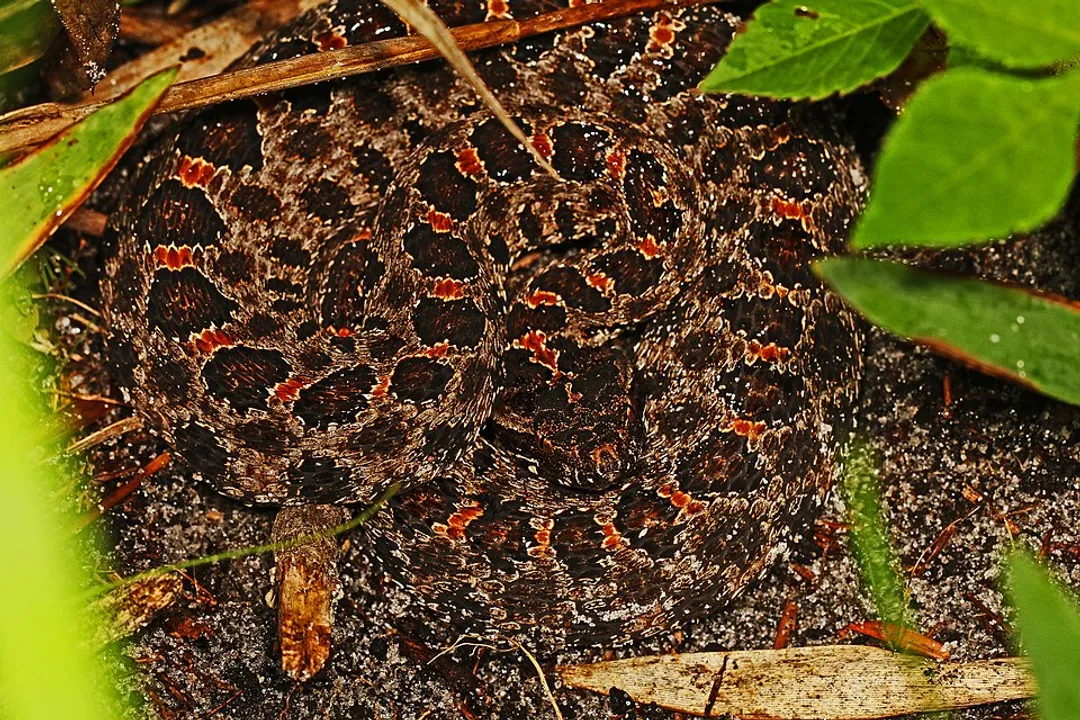
The common name Pygmy Rattlesnake applies to a specific group of small pit vipers found primarily in the southeastern United States. When people ask how many types exist, they are usually referring to the recognized subspecies that share the scientific designation Sistrurus miliarius. [1][5] While they are all distinct, they share characteristic traits like small stature and a relatively mild venom compared to their larger cousins. [8] The accepted scientific classification generally breaks this species down into three officially recognized subspecies, although regional guides often highlight the two most commonly encountered variations within their specific state boundaries. [1][3]
# The Count

The species Sistrurus miliarius is recognized by herpetologists as containing three distinct subspecies across its range, which stretches throughout the southeastern US. [1] Understanding these variations is key to understanding the distribution and subtle differences in appearance that the snakes exhibit across habitats stretching from the Carolinas westward. [3][4]
The three recognized subspecies are:
- The Carolina Pygmy Rattlesnake (Sistrurus miliarius miliarius). [1][3]
- The Dusky Pygmy Rattlesnake (Sistrurus miliarius barbouri). [1][6]
- The Slender or New Mexico Pygmy Rattlesnake (Sistrurus miliarius putnamus). [1]
It is important to note that not all sources or field guides will recognize all three names equally, especially when focusing only on states like South Carolina or Alabama, where only one or two subspecies might naturally occur. [2][3][5] For instance, an observer in North Carolina is highly likely to only encounter the Carolina Pygmy Rattlesnake, as its range is concentrated in the coastal plain regions of the Carolinas and Georgia. [4]
# Subspecies Details
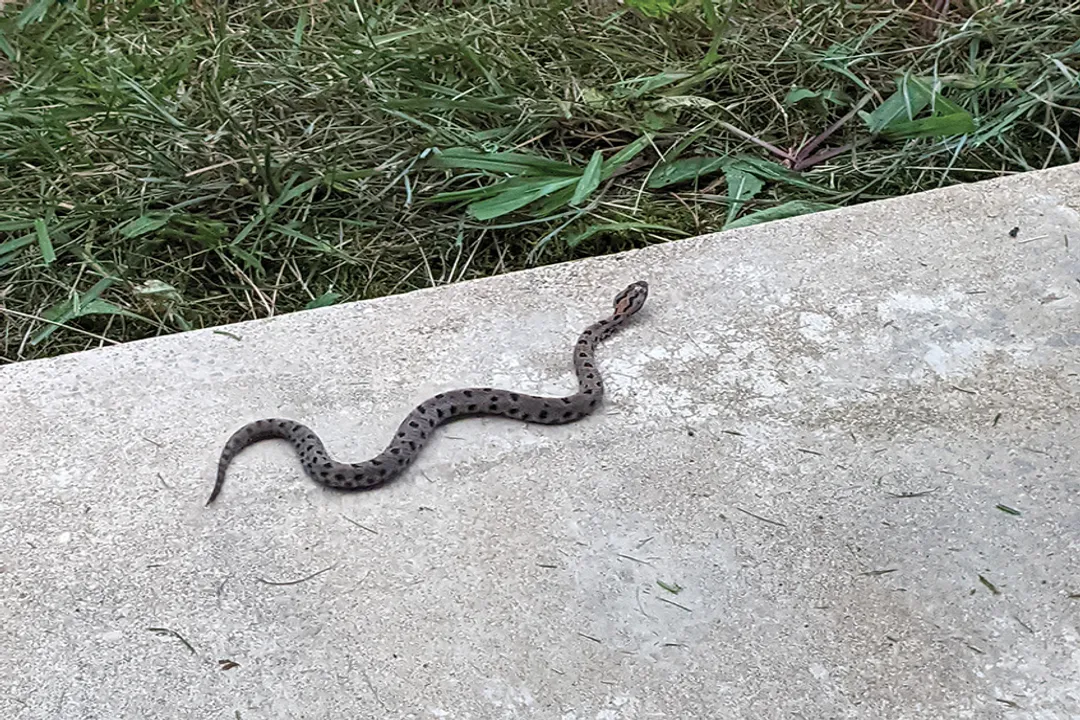
Diving into the specific characteristics helps explain why these subspecies are differentiated, usually based on subtle patterning or geography. [1]
# Carolina Pygmy
The Sistrurus miliarius miliarius is often associated with the Atlantic Coastal Plain. [4] These snakes tend to have a grayish or brownish base color. Their dorsal blotches—the dark spots running down the back—are usually distinct and often appear reddish or brownish-red, contrasting with the background color. [1][3] For anyone studying snakes in states like North Carolina, this is the primary pygmy rattlesnake of interest. [4] They are often found in damp, pine-dominated habitats, which can include scrub areas and near gopher tortoise burrows. [10]
# Dusky Pygmy
The Dusky Pygmy Rattlesnake, Sistrurus miliarius barbouri, covers a much broader area in the deep south, including Alabama, Mississippi, and peninsular Florida. [2][6][9] As its name implies, this subspecies often exhibits a darker, sometimes almost blackish or dusky ground coloration. [1] The blotches along the back may be less distinctly red than in the Carolina subspecies, sometimes appearing brown or gray, and they can sometimes be more connected or irregular. [5] In Alabama, for example, this is the principal subspecies encountered. [2] Comparing the two most widespread types, the barbouri often appears visually "darker" or more muted than the miliarius when viewed across their ranges, though individual variation is high. [1][5]
# Slender Pygmy
The third, Sistrurus miliarius putnamus, is often referred to as the Slender or sometimes the Western Pygmy Rattlesnake. [1] Its historical or current range is centered further west than the others, perhaps extending into regions near Texas or New Mexico, although the precise extent of its historical range versus modern presence can be complex in older literature. [8] These snakes are generally smaller than the other two subspecies and often have less distinct markings, fitting the "slender" moniker. [1]
When organizing field observations across the Southeast, it becomes clear that the three subspecies effectively divide the region geographically. While barbouri dominates the western and southern parts of the historical range, miliarius holds the northeastern coastal stronghold. [3][5] The presence of putnamus creates a distinct western demarcation, though detailed, current range maps often show overlap or areas where its presence is less confirmed than the two eastern forms. [1]
| Subspecies | Scientific Name | Typical Coloration Note | Primary Association |
|---|---|---|---|
| Carolina Pygmy | S. m. miliarius | Often distinct reddish dorsal blotches | Atlantic Coastal Plain (e.g., NC) [4] |
| Dusky Pygmy | S. m. barbouri | Darker, dusky, or muted ground color | Deep South (e.g., AL, MS, FL) [2][6] |
| Slender Pygmy | S. m. putnamus | Generally smaller, less distinct markings | Western extent of the species range [1][8] |

# Habitat Context
Regardless of the subspecies, pygmy rattlesnakes share certain ecological preferences that link them closely to specific southern ecosystems. [10] They thrive in habitats that offer cover and a ready supply of prey, which often includes small rodents, lizards, and frogs. [5] Pine flatwoods, sandy scrub, and hammocks are very common environments for these snakes. [2][10]
A recurring theme in their ecology is their association with the gopher tortoise (Gopherus polyphemus). Pygmy rattlesnakes frequently utilize the burrows created by these keystone species for shelter from temperature extremes and predators. [10] This dependency means that areas where gopher tortoise populations are healthy are often good places to find pygmy rattlesnakes, provided the local subspecies is present. [10] The habitat requirements for Sistrurus miliarius make it particularly sensitive to habitat fragmentation caused by development in the rapidly growing Southeastern states. [7]
# Size and Safety
One of the most defining features of Sistrurus miliarius is its diminutive size. They are among the smallest rattlesnakes in North America, rarely exceeding two feet in length, with many specimens measuring closer to 16 to 20 inches. [5][9] This small size directly impacts their defense mechanism.
The rattle itself is inconspicuous, often described as sounding like a buzzing insect or a tiny, dry hiss when vibrated, rather than the loud, unmistakable buzz of the Eastern Diamondback. [5] This difference in acoustic warning presents a unique challenge in the field. While they are capable of delivering venomous bites, the quantity injected is small, and bites are generally considered medically significant but rarely fatal to healthy adults. [8] Bites are often associated with attempts to handle them or stepping directly near them, as their camouflage makes them difficult to spot when they remain still. [2] Medical management for envenomation typically focuses on supportive care, as antivenom is often not indicated due to the low venom yield, though severe local reactions can occur. [8]
If you are walking through dry, grassy scrubland in a state like Georgia or South Carolina, the key difference between being bitten by a pygmy versus a larger rattlesnake lies entirely in your ability to recognize the subtle threat. The very attribute that makes them small—their quiet warning—means they are sometimes encountered at closer range than a large rattlesnake might allow. [5] Therefore, understanding the difference between the darker barbouri in a Florida hammock and the red-blotched miliarius in a South Carolina pine stand is not just academic; it informs awareness of the potential dangers present in that specific environment. [3][4]
# Ecological Niche
The relationship between these small vipers and their environment is finely tuned. Because they are small predators, their diet is tailored to smaller prey than larger snakes consume. [5] This specialization helps them fit into the ecosystem without competing directly with larger pit vipers like the Eastern Diamondback or Timber Rattlesnakes. Their prevalence in areas supporting gopher tortoises suggests a deep interconnection in the structure of these sandhill communities. [10]
Thinking about the distribution, one can observe a pattern where the environmental pressures might favor one subspecies over another. For example, the extremely sandy, dry scrub habitats sometimes found in the interior regions might favor the putnamus subspecies due to its slightly different camouflage or thermal regulation needs compared to the moister, heavily vegetated low country preferred by some miliarius populations. [1] This subtle niche differentiation, driven by geological and climatic differences across the Southeast, is what maintains the separation between these otherwise visually similar reptiles.
Another practical consideration for hikers or landowners arises from their behavior. Pygmy rattlesnakes are often described as being more likely to flee than larger rattlesnakes, but their small size means they often freeze instead of retreating when disturbed at close range, relying entirely on their excellent camouflage. [2] If you are actively searching for signs of the species, focusing your search around areas where leaf litter is thin or where granite outcrops provide rocky cover might yield results, depending on which of the three types you are tracking in that locale. [9] The subtle coloring that separates barbouri from miliarius is precisely what helps them vanish against the specific soil and debris of their respective territories.
Related Questions
#Citations
Sistrurus miliarius - Wikipedia
Pigmy Rattlesnake | Outdoor Alabama
Pygmy Rattlesnake (Sistrurus miliarius)
Reptiles of North Carolina
Pigmy Rattlesnake (Sistrurus miliarius) – Venomous
Alabama is home to three subspecies of pygmy rattlesnake, the ...
[PDF] Pigmy Rattlesnake
Western Pygmy Rattlesnake Envenomation and Bite Management
Pygmy Rattlesnake | Mississippi Department of Wildlife ... - MDWFP
[PDF] Pygmy Rattlesnake - Gopher Tortoise Council