How many takins are left?
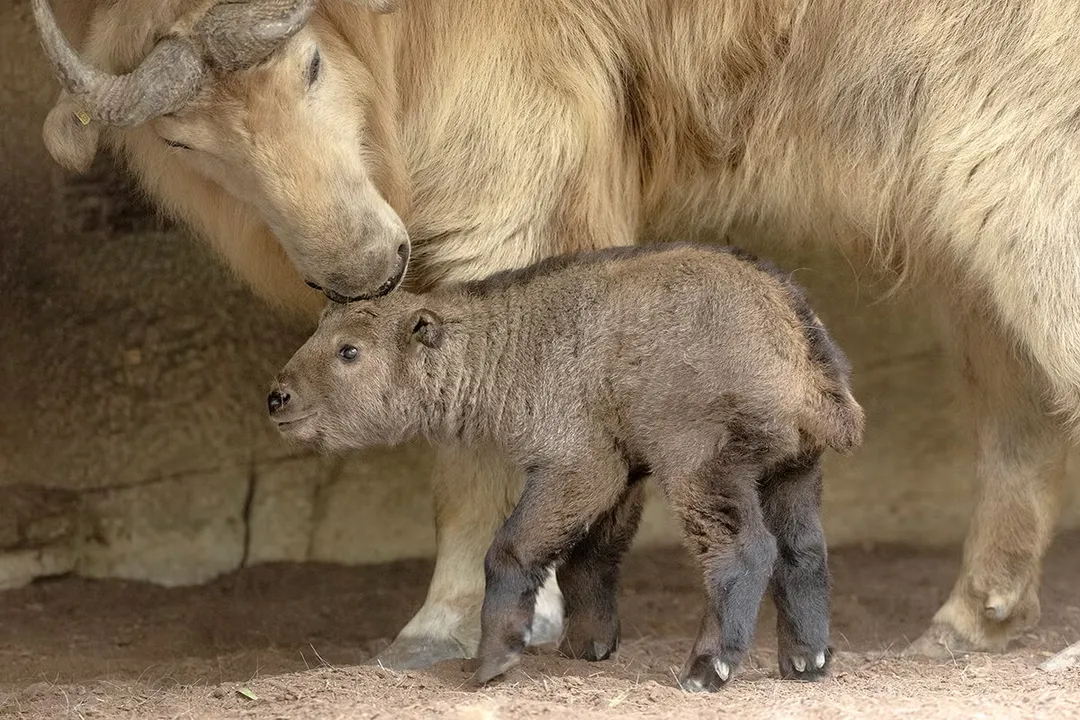
The elusive nature of the takin, Budorcas taxicolor, makes determining an exact, real-time global population count a near impossibility for researchers, much like tracking many specialized high-altitude ungulates. What is clear, however, is that this magnificent, shaggy mammal, often described as a bizarre cross between a cow and a goat, holds a special, if precarious, place in the wild ecosystems of the eastern Himalayas and adjacent mountain ranges. [1][4] While definitive census figures remain elusive, conservation status and regional protection efforts paint a picture of a species requiring vigilant management to ensure its continued presence.
# A Shaggy Enigma
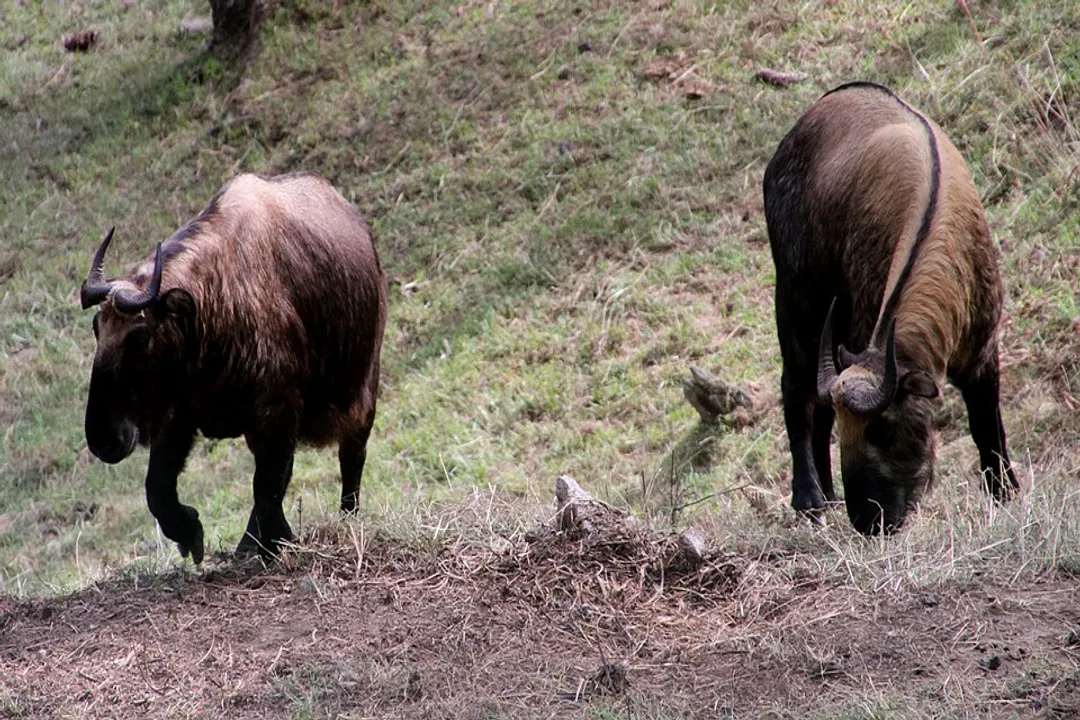
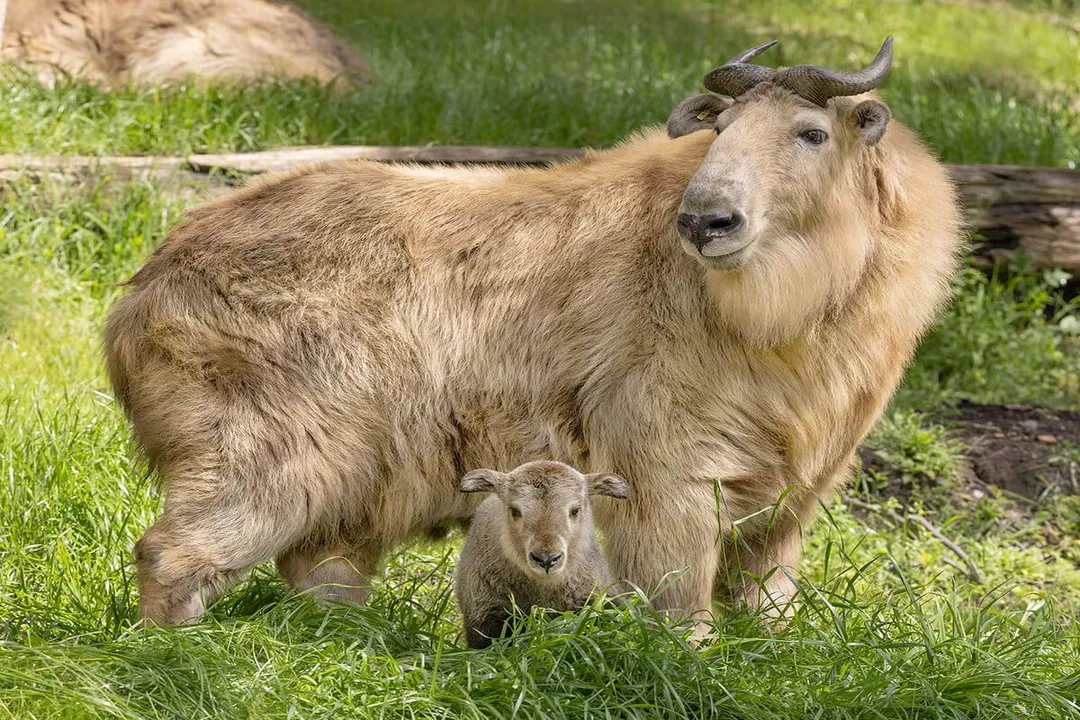
The takin is instantly recognizable due to its distinctive features. It possesses a robust, stocky build, with a heavy head, short, stout horns that curve backward and outward in both sexes, and a thick, shaggy coat that can range in color from dark brown to golden yellow, depending on the subspecies and season. [1][5] Its name, Budorcas taxicolor, hints at its appearance; "takin" likely originates from the local language of Bhutan, where it is revered as the national animal. [1] Its specialized morphology reflects a life lived on steep, often treacherous slopes, allowing it to navigate terrain where few other large mammals dare tread. [4] The way its powerful legs and broad hooves grip the rocky outcrops speaks to an evolutionary mastery of high-altitude living.
# Population Status
The most current assessment of the takin’s worldwide numbers, as determined by major conservation bodies, places it in the Vulnerable category on the IUCN Red List of Threatened Species. [2][4] This classification signifies that the species faces a high risk of extinction in the wild. While precise, ongoing counts across its entire fragmented range—spanning Bhutan, India, China, and Myanmar—are not regularly aggregated into one definitive global tally, the overall trend noted by observers has been one of decline. [2]
It is important to distinguish between population data gathered in captivity and those derived from the wild. Zoos around the world maintain healthy breeding populations, which serves as a genetic backup and a significant educational tool. [4] However, these captive numbers do not reflect the health of the species in its natural habitat. In the wild, the difficulty in obtaining an accurate census stems directly from their preferred environment: dense, mist-shrouded forests and rugged alpine meadows far from human settlements. [6] Imagine trying to conduct a systematic grid count across vast swathes of the Himalayan foothills, where visibility is low and the animals are often solitary or found in small, dispersed groups. This ecological reality means conservation efforts often rely on regional surveys and monitoring of habitat health rather than total headcounts.
# Subspecies Diversity
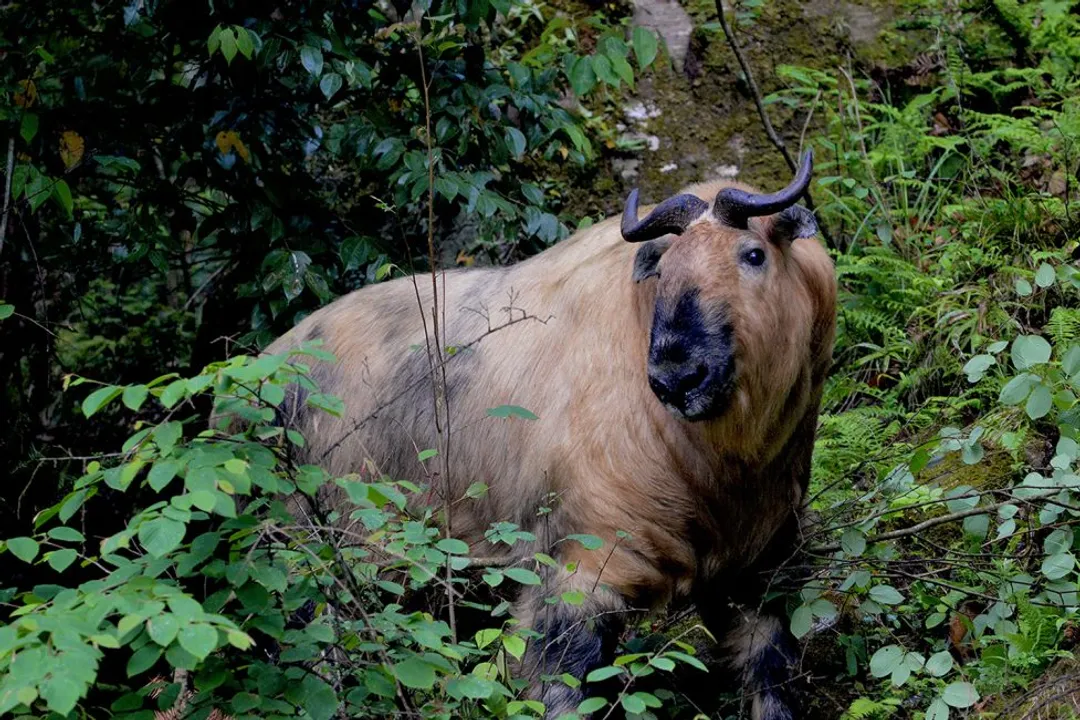
Understanding the "how many" question also requires looking at where the takins are. The species is not monolithic; it is divided into several recognized subspecies, each adapted to its specific geographical niche. [5] This internal diversity presents a unique challenge for overall species conservation.
The recognized forms include:
- The Sichuan Takin (B. t. tibetana): Found in the mountains of central China, this subspecies is often found at altitudes between 1,000 and 4,500 meters. [3] Its habitat generally lies within the Tibetan Plateau's eastern edge and surrounding provinces.
- The Mishmi Takin (B. t. taxicolor): Inhabiting the remote, easternmost stretches of the takin's range, the Mishmi Takin is distributed across Northeast India (specifically Arunachal Pradesh), northern Myanmar, and southeastern Tibet. [6] This group is often considered the most distinct, and its remote distribution makes monitoring particularly challenging.
- The Bhutan Takin (B. t. bhringso): As the national animal of Bhutan, this subspecies is central to the identity of that nation. [1]
- The Qinling Takin (B. t. bedfordi): This subspecies is restricted to the Qinling Mountains in Shaanxi Province, China. [5]
When considering the overall species vulnerability, the fragmentation between these four groups is a significant factor. A recovery program succeeding in the Sichuan mountains might not benefit the Mishmi population at all, as geographic barriers prevent interbreeding. This means the "Vulnerable" status is an aggregate of several smaller, potentially more endangered local populations, each facing localized pressures. [2]
# Terrain Mastery
The takin's adaptation to its environment is perhaps its greatest asset against natural predators, but it also defines the difficulty in tracking and counting them. They thrive in steep, precipitous terrain, often favoring areas where dense undergrowth meets high-altitude scrub. [4] Their movement patterns, typically involving seasonal altitudinal migration—moving lower in the winter months and higher in the summer—complicate any fixed survey methodology. [5]
When considering conservation management, the specific terrain preference of the takin suggests that habitat connectivity is more critical than simple habitat area. For example, a large swath of forest might be deemed suitable, but if the necessary migratory routes through the high passes are blocked by human infrastructure or degradation, the takin population relying on that corridor effectively becomes trapped or forced into suboptimal areas. [4] This subtle interplay between altitude, vegetation type, and path accessibility creates an invisible map of risk that conservationists must navigate. If one were to compare tracking a takin to tracking a lowland species like a white-tailed deer, the difference is stark: one requires binoculars and patience on a relatively open slope, while the other demands technical climbing gear and aerial surveys across cloud-covered peaks.
# Principal Threats
The primary drivers pushing the takin toward its Vulnerable status are decidedly human-centered. Poaching remains a severe threat across much of its range, often driven by the demand for its meat, hide, and traditional medicine ingredients. [2] Although protected by law in many regions, enforcement in vast, sparsely populated mountain areas can be inconsistent. [6]
Habitat loss and degradation present a slower, yet equally potent, danger. As human populations expand into the foothills of the Himalayas, agricultural encroachment, logging, and infrastructure development—such as roads and dams—fragment the suitable habitat. [2] This fragmentation isolates groups, reduces genetic diversity over time, and increases human-wildlife conflict as animals are pushed closer to settlements in search of forage. The Qinling subspecies, for instance, is restricted to a smaller, more developed region compared to the vast Tibetan plateau populations, placing greater pressure on its remaining pockets of wilderness. [5]
# Conservation Focus
In response to these pressures, several key conservation strategies are in place, though they vary by country. In Bhutan, the takin's status as the national animal grants it high visibility and legal protection, often leading to dedicated reserve areas. [1] Similarly, China has implemented significant measures, classifying the takin as a national second-class protected animal and establishing reserves that aim to safeguard critical populations, especially for the Sichuan and Qinling subspecies. [6] In areas like Northeast India, protection centers around preserving the Mishmi subspecies within protected forest divisions. [6]
Effective conservation, however, goes beyond mere protection laws on paper. It requires active, on-the-ground management, which includes anti-poaching patrols and, crucially, community engagement. Where local communities benefit, directly or indirectly, from the maintenance of healthy ecosystems that support the takin, their incentive to protect the animal increases dramatically. This shift from viewing the takin as a resource to be exploited to seeing it as a natural heritage to be preserved is essential for long-term survival. Observing the differing success rates between reserves strictly enforced by rangers versus those that actively partner with local indigenous groups would provide the most telling insight into future strategies for this high-altitude specialist.
# Understanding Population Dynamics
To better grasp the conservation outlook, one must consider the species' reproductive biology, which naturally limits its ability to rebound quickly from population shocks. Takins typically give birth to a single calf after a gestation period of about seven to nine months. [4] While single births are common in many large ungulates, this low reproductive rate means that even moderate levels of mortality from poaching or environmental disasters can result in a multi-year deficit in population recruitment.
When examining the four main groups—Bhutan, Sichuan, Mishmi, and Qinling—the data suggests a pattern of isolated vulnerability rather than a single, widespread crisis. A significant portion of the remaining population is likely held within the massive, protected zones of China, particularly the Sichuan and Tibetan regions. [3] This concentration, while providing security, also carries a singular risk: a single, unforeseen disease outbreak or a major localized climate event could devastate a huge percentage of the known global population in one fell swoop. This geographic clustering, necessary for protection against human encroachment, paradoxically increases vulnerability to natural catastrophe.
The future viability of the takin hinges not just on increasing the number of animals, but on ensuring the genetic health and geographic spread of those numbers across the four subspecies. Securing the remote Mishmi populations, for instance, provides crucial genetic variance that may not exist in the more managed Sichuan groups. Therefore, a successful conservation program must track multiple metrics: overall population trend, habitat quality, and subspecies connectivity, even when an exact global total remains a fluctuating estimate defined more by educated guesswork than precise counting.
Related Questions
#Citations
Takin (Budorcas spp.) Fact Sheet: Population & Conservation Status
Takin - Facts, Diet, Habitat & Pictures on Animalia.bio
Takin - Wikipedia
Takin (Budorcas taxicolor)
Budorcas taxicolor (takin) | INFORMATION - Animal Diversity Web
TAKIN
A "Golden" Moment | San Diego Zoo Wildlife Alliance
Look Who's Takin | Wild View - Wildlife Conservation Society
Takin | San Diego Zoo Animals & Plants