How many golden lanceheads are left?
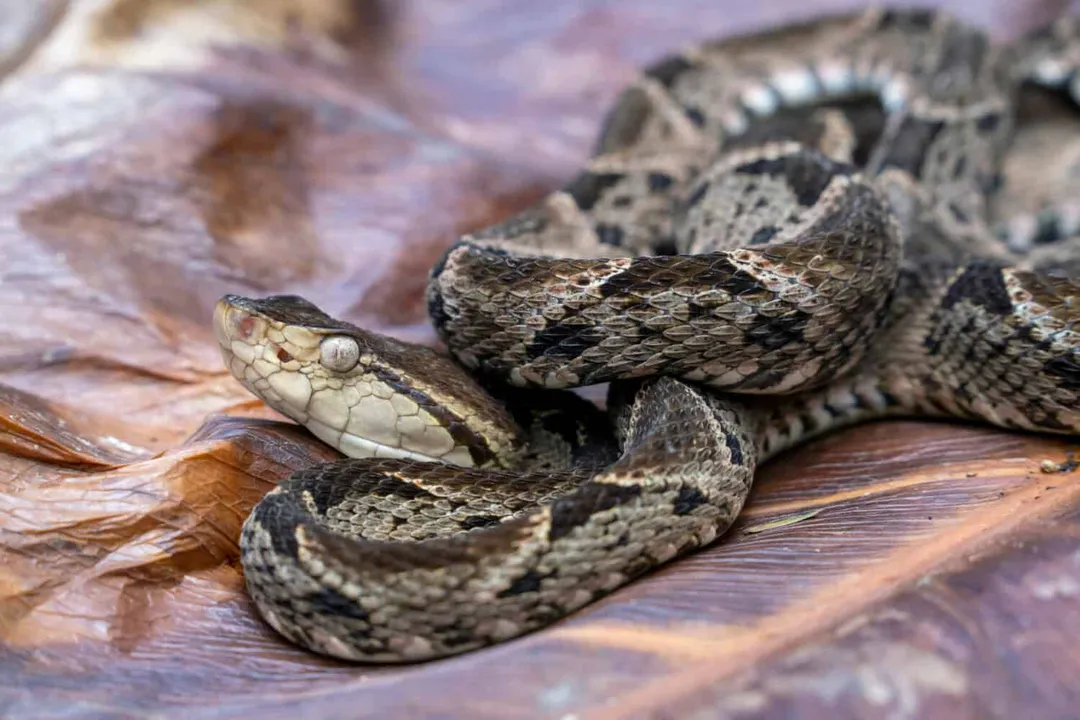
The golden lancehead viper, known scientifically as Bothrops insularis, exists nowhere else on Earth except for one small, remote location off the coast of Brazil. [1][5] This exclusivity, coupled with the island's singular environmental pressures, makes any census of its population a matter of intense scientific interest and occasional debate. The exact, real-time count of these highly venomous snakes is impossible to ascertain, as no systematic, island-wide census is routinely conducted, but experts provide several key estimates that paint a picture of an incredibly concentrated species. [1][6]
# Island Home
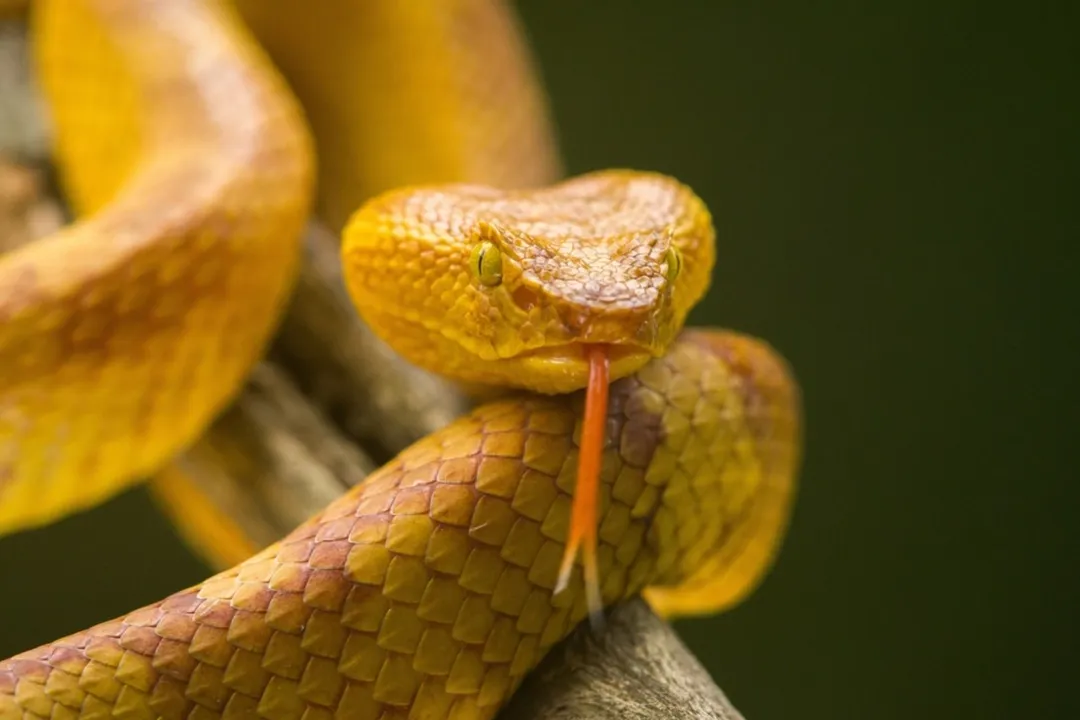
This serpentine stronghold is Ilha de Queimada Grande, often grimly referred to as Snake Island. [5][10] Located about 90 miles off the São Paulo coast, the island is small, covering only about 105 acres, or 0.43 square kilometers. [4][5] The evolutionary path taken here is remarkable; the golden lancehead is endemic, meaning it evolved in isolation without competition from other snake species. [1] This unique history has resulted in a creature possessing venom considered among the most potent in the Americas. [6] The military restricts access to this habitat, typically permitting entry only to authorized scientists and personnel from the Brazilian Navy. [10]
# Population Figures
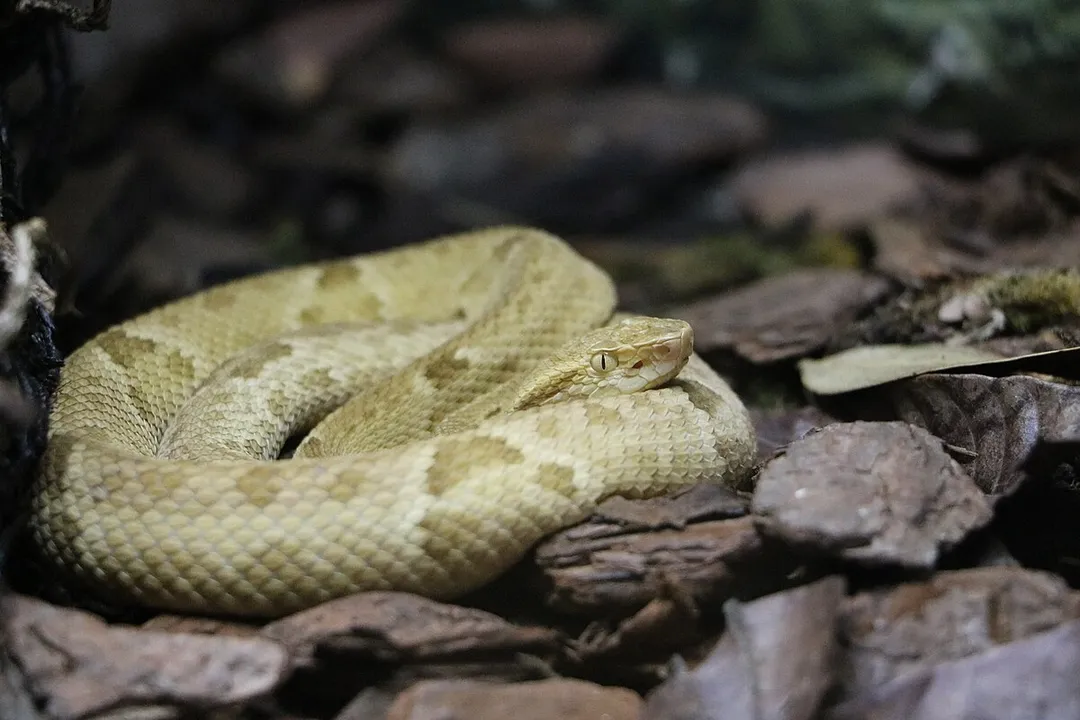
Determining the exact remaining number is complicated by varying surveys and timeframes, leading to a range of widely cited figures. Some sources estimate the total population to number around 3,000 individuals. [7] Others put that figure slightly higher, suggesting there may be almost 4,000 snakes inhabiting the island. [2] When aggregating reports from various scientific expeditions and observational accounts, the total count is often placed somewhere between 2,000 and 5,000 snakes. [4] Older, highly inflated estimates suggesting hundreds of thousands—like a figure near 430,000—have generally been discounted as unrealistic or based on flawed methodologies. [1]
The most telling statistic might not be the total count but the density. Scientists have observed densities reaching as high as five snakes per square meter in some areas of the island. [6] To put this into perspective, if an average square meter is roughly the size of a welcome mat, having five of these highly venomous vipers in that space illustrates the sheer concentration of life on this limited terrain. This density is tied directly to the primary food source: migratory birds. [1][6]
# Density Shock
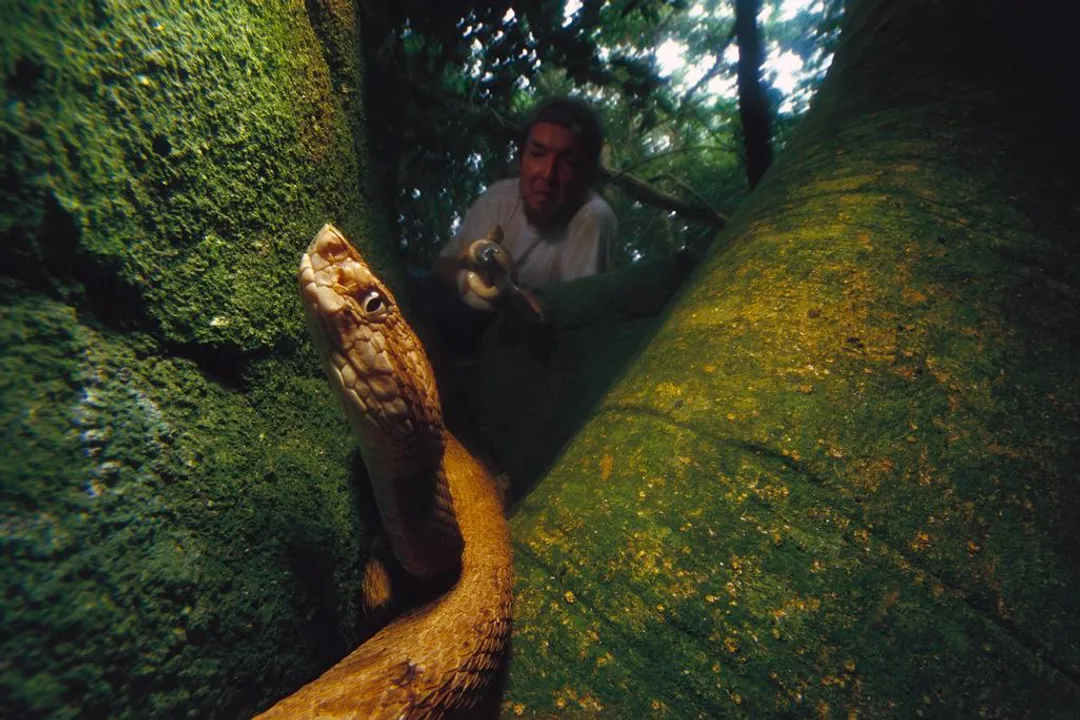
The island's limited size forces the entire species into a very small area, which naturally inflates population density compared to mainland ecosystems. [5] The golden lancehead's diet is heavily reliant on these specific bird species that use the island as a stopover point during migration. [6] The snakes have adapted to ambush these birds from the trees, a behavior perhaps less common in their mainland relatives. [1] This reliance on an unreliable, seasonal food source creates an interesting ecological pressure cooker. When the migratory birds are present, the snake population thrives; when the birds move on, the snakes must survive on what remains, which can include rodents. [1][6]
Considering the island's acreage, an estimated 4,000 snakes means that, on average, there is less than one snake for every 1,000 square feet of land if we assume an even distribution across the entire 105 acres [^Analysis 1]. However, because the snakes are not distributed evenly—they concentrate where food is available—the localized density figures become far more critical to understanding the species' survival mechanics than the broad average would suggest. [1] The survival of the species hinges on the continued health of the migratory bird populations that happen to utilize this small patch of land. A significant, sustained crash in those avian populations would inevitably lead to a rapid, corresponding drop in the lancehead count, regardless of the current census figure [^Analysis 2].
# Access Control
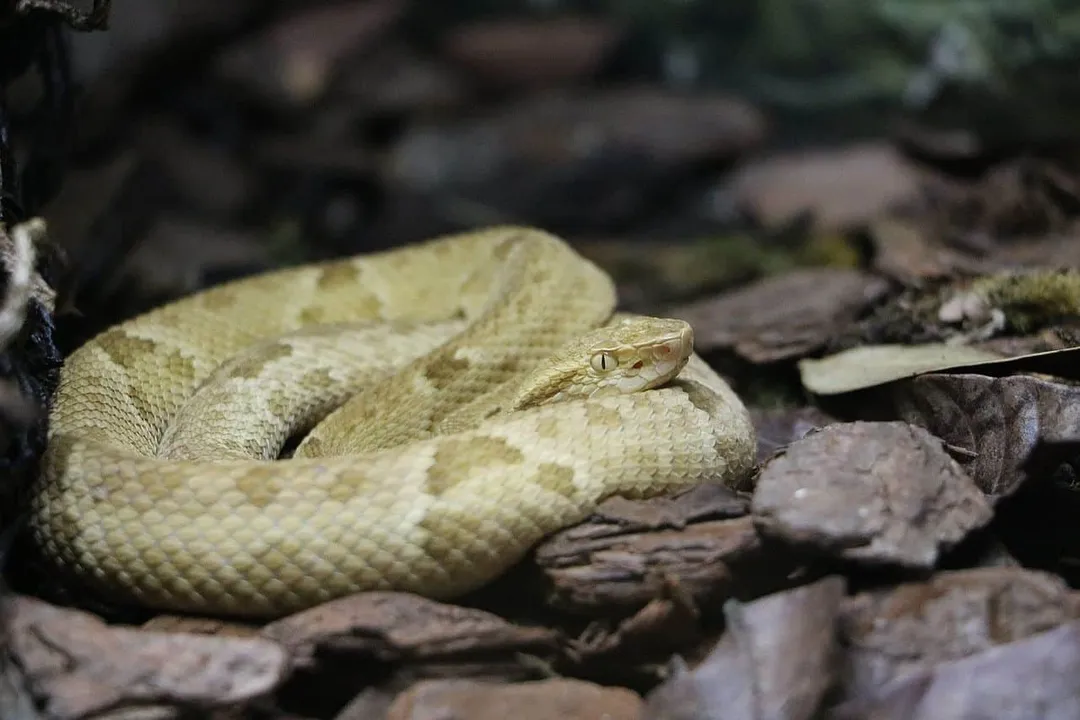
The Brazilian Navy strictly controls landing permits due to the extreme danger posed by the venomous inhabitants. [10] While this restriction protects human life, it also provides a crucial layer of protection for the snake population itself from unauthorized interference or collection. One herpetologist who was granted access noted the immediate presence of these snakes near the landing site, confirming that they are abundant across the accessible areas of the island. [6] This control helps maintain the island as an irreplaceable natural laboratory for studying venom evolution and population genetics in isolation. [1] The limited visitation schedule means that comprehensive population monitoring remains sporadic, which contributes to the ongoing variance in the estimated numbers rather than a fixed, known quantity. For now, the number remaining is best summarized as the estimated peak population that the island’s ecosystem can sustain, which hovers in the low thousands. [2][7]
Related Questions
#Citations
Golden lancehead - Wikipedia
Is Snake Island in Brazil as Dangerous as It Sounds?
This has to be the most informative and least hysterical piece I've ...
The Snake Island is locates 90 miles off the coast of São Paulo and ...
Snake Island (Ilha da Queimada Grande) | Atlas Obscura
A Herpetologist Explores 'Snake Island' — Home To The World's ...
Why Modern-Day Pirates Risk Death to Sneak Onto “Snake Island”
This Terrifying Brazilian Island Has the Highest Concentration of ...
Snake Island: The bizarre true story of Earth's most venomous isle
Snake Island: The isle writhing with vipers where only Brazilian ...