Can a Keeshond be left alone?
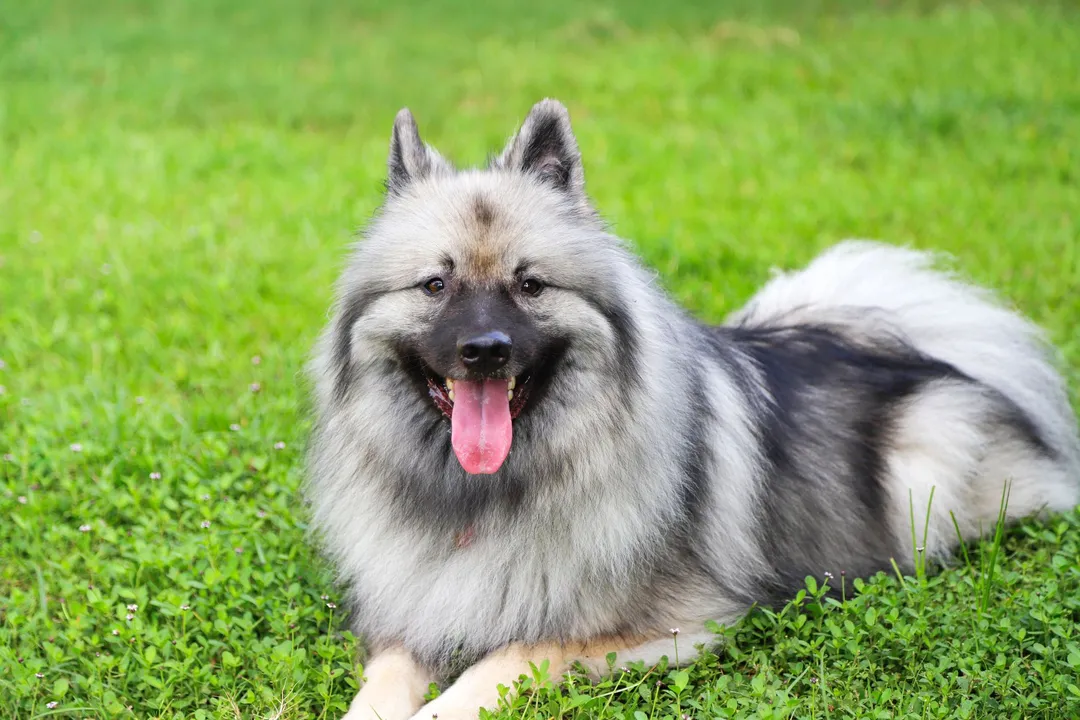
The Keeshond is fundamentally bred to be a companion, a trait that heavily dictates how they cope when left to their own devices. These dogs thrive on human interaction and social closeness, meaning that prolonged solitude is often a recipe for distress rather than mere boredom. They are not the type of dog that settles easily into a long workday alone; their history and temperament strongly suggest a need for consistent presence and engagement.
# Companion Nature
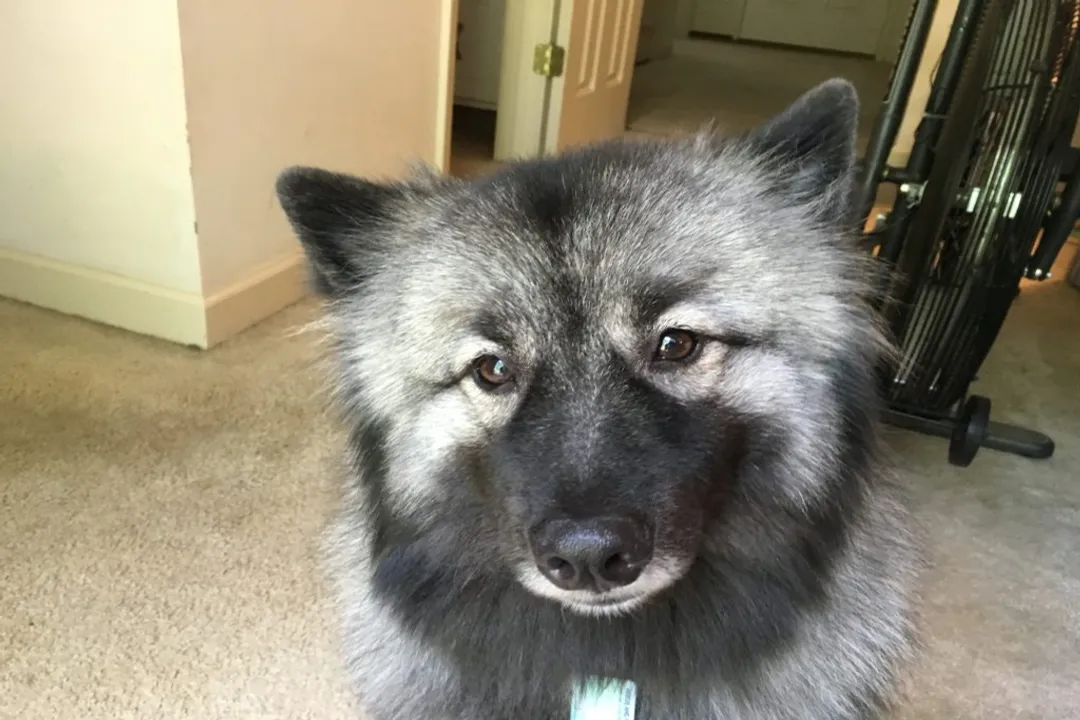
Describing the Keeshond as a sociable creature is an understatement; they are deeply bonded to their families. Their intelligence is frequently noted, which, while beneficial for training, also means they are keenly aware of their environment and the absence of their people. This acute awareness contributes to their tendency to develop strong separation anxiety when their needs for companionship are unmet. Unlike some breeds that can be content with a secure yard and a toy, the Keeshond seeks partnership and proximity. If you are looking for a dog that is happy to entertain itself for eight or more hours daily, this breed profile suggests a significant mismatch in expectations.
# Loneliness Symptoms
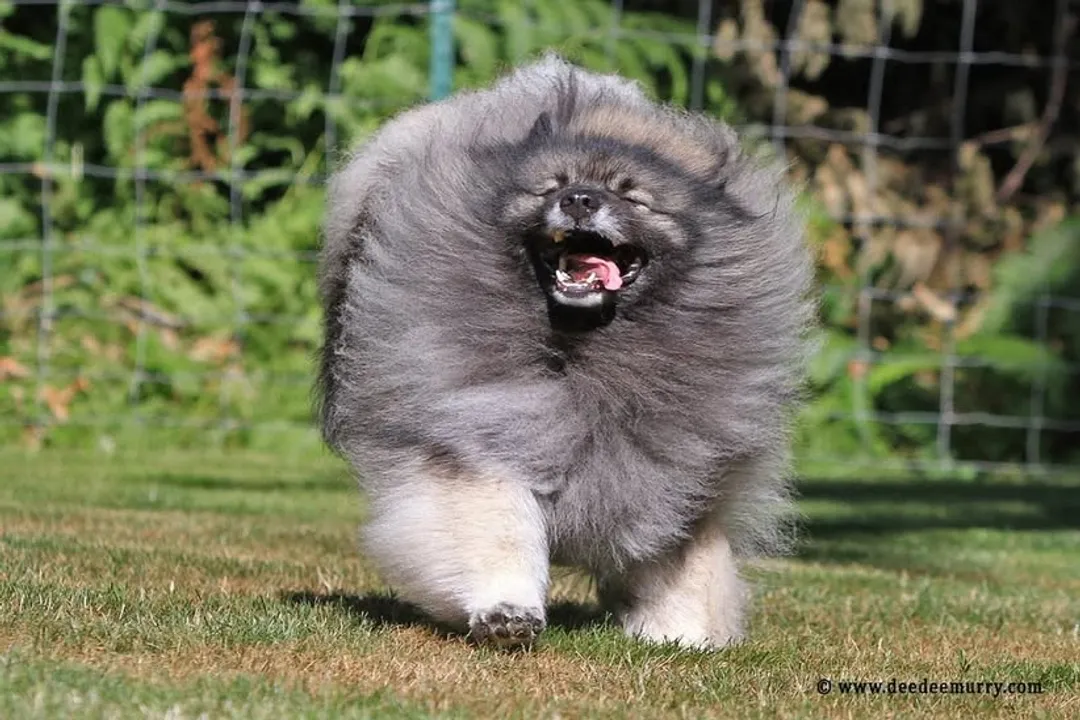
When a Keeshond faces isolation that exceeds their comfort threshold, the resulting stress often manifests in noticeable, sometimes destructive, behaviors. Owners frequently report excessive vocalization, such as persistent barking or howling, becoming a primary coping mechanism. Beyond noise complaints, more tangible problems can arise. Destructive chewing is a common outlet for pent-up anxiety or frustration. In severe cases, this can escalate into what is classified as acute separation anxiety, where the dog exhibits genuine panic upon departure. One owner shared an experience with a young male Keeshond who displayed pacing, destruction, and anxiety specifically linked to being left alone. This highlights that for some individuals, even relatively short periods away can trigger significant distress.

# Time Limits
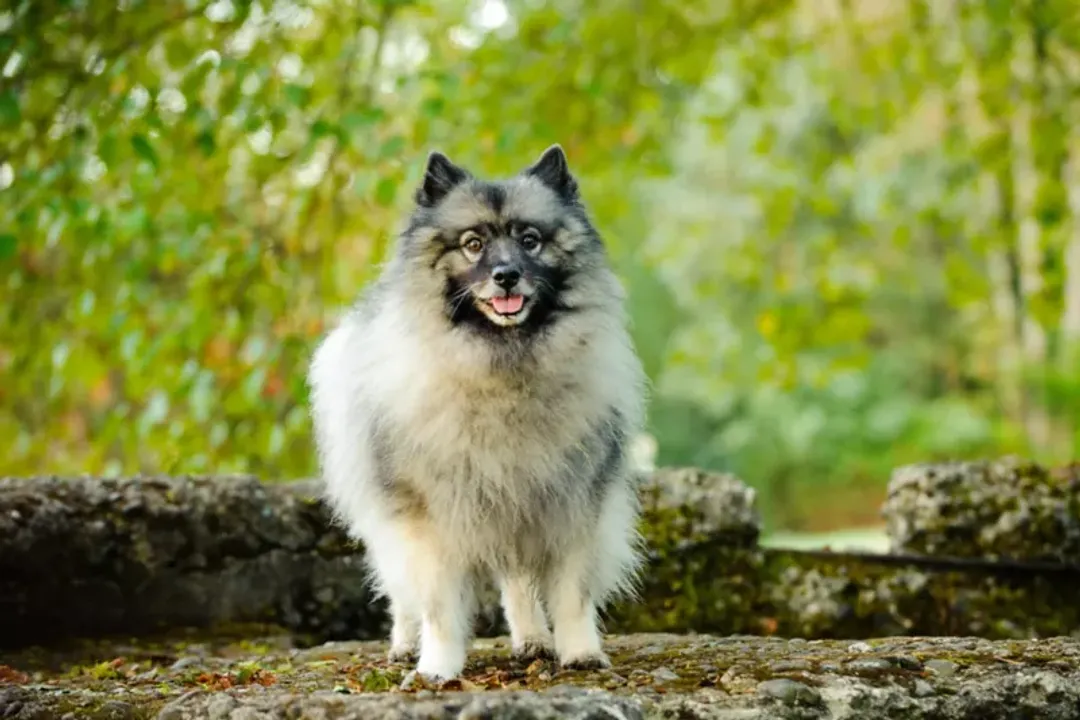
Determining an exact, universal maximum duration for leaving any dog alone is difficult, but the Keeshond breed parameters suggest a very conservative approach is necessary. While generic advice might suggest eight hours for an adult, established breed knowledge indicates this breed pushes those boundaries due to their needy nature. Sources suggest they do well for short periods if training is in place, but caution that they are unsuitable for owners with long work hours away from home. The anecdotal evidence from owners dealing with anxiety paints a stark picture: for an anxious or younger Keeshond, even one hour can feel like an eternity leading to undesirable behavior. Think of it less as a maximum time limit and more as a "minimum interaction requirement" that needs to be met daily to keep them psychologically sound.
# Historical Roles
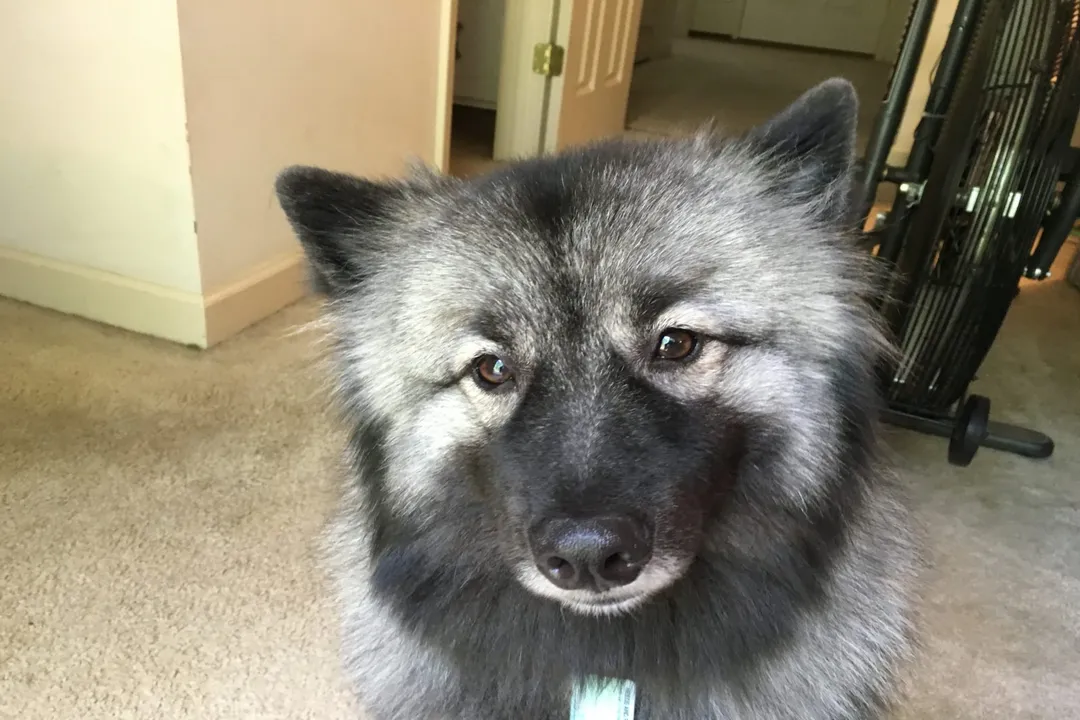
To truly appreciate why this breed struggles with being alone, one might consider their history. The Keeshond originated in the Netherlands, often serving as a companion and watchdog aboard barges and as an alarm system in homes. Their job was essentially to be present and be aware of everything happening around their people. They were bred for constant companionship and surveillance, making their social wiring incredibly strong. This historical context is key: they were not developed as a solitary farm dog or an independent hunter; they were developed as an attached family sentinel. When we bring a modern Keeshond into a quiet, empty house for ten hours, we are asking a dog whose entire genetic makeup is geared toward immediate response and proximity to do the opposite of its purpose.
Here is a comparison of potential solitary activities versus a Keeshond's inherent need:
| Activity Type | Description for Many Breeds | Keeshond Suitability | Primary Need Addressed |
|---|---|---|---|
| Backyard Security | Patrolling fence line, observing environment. | Low | Territorial duty without companionship. |
| Independent Play | Chewing a bone or puzzle toy. | Moderate (Short-term) | Mental stimulation, but lacks social component. |
| True Solitude | Dog left entirely alone in a closed space. | Very Low | Isolation conflicts with their core social programming. |
# Training Management
Mitigating the risk of separation anxiety requires proactive preparation and management, not just hoping the dog will "get used to it". Because they are intelligent, mental enrichment is as vital as physical exercise when preparing them for short absences.
A critical, often overlooked, component in establishing comfort with solitude is managing the departure and arrival routines. Dogs pick up on cues that signal you are leaving, which can spike their anxiety before you even walk out the door. To counteract this, owners can implement a staged departure protocol. For example, practice picking up keys, putting on your coat, and then sitting back down—doing this randomly throughout the day without leaving. This desensitizes the dog to the pre-departure rituals that trigger stress.
When you return home, another subtle factor can negatively impact their training baseline. Many owners greet their returning dog with intense excitement, which reinforces the idea that your absence was a major, emotionally charged event worth panicking over. Instead, practice a "Decompression Period" upon entry.
This means that for the first 15 to 20 minutes after you walk in the door:
- Ignore the dog completely upon entry, or give a calm, single-word acknowledgment like "Hello."
- Put away your own things (bags, mail, keys).
- Allow the dog to settle down naturally, perhaps engaging with a pre-prepared, high-value, long-lasting chew only available at this time.
- Once the dog is calm—perhaps sitting quietly or lying down away from you—then initiate calm, positive greetings.
This technique helps normalize your return, teaching the dog that your coming and going is a neutral event rather than the climax of their day, which can gradually reduce the emotional weight placed on your absence [This technique subtly manages the reinforcement cycle of departure-related anxiety].
# Owner Lifestyle
The decision to bring a Keeshond into the home must align with the household's schedule and structure. These dogs are best suited for homes where someone is present for a significant portion of the day, or where arrangements can be made for mid-day visits or daycare. They are excellent family dogs precisely because they want to be part of the family activities. If a lifestyle involves regular 9-to-5 workday absences, or frequent, unexpected long days out, the owner must be prepared to invest heavily in professional training, dog walkers, or an alternative caregiver to prevent chronic stress and destructive behaviors. A Keeshond owner accepts the commitment to companionship as part of the breed ownership package.
Related Questions
#Citations
How long can a Keeshond be left alone for? - Reddit
Keeshond Dogs - Breeds - Omlet
Keeshond owners, do you have any words of advice for potential ...
Keeshond - All About Dogs | Orvis
Keeshond: Dog Breed Characteristics & Care - The Spruce Pets
Keeshond - Breed Info - Alldredge Veterinary Hospital
Expert Answers on Keeshond Mix Breeds and Separation Anxiety
Kennel Training a Keeshond to Help Him with His Separation Anxiety
What is a Keeshond? - FAQ - Klompen Keeshonden