How many kowari are left?
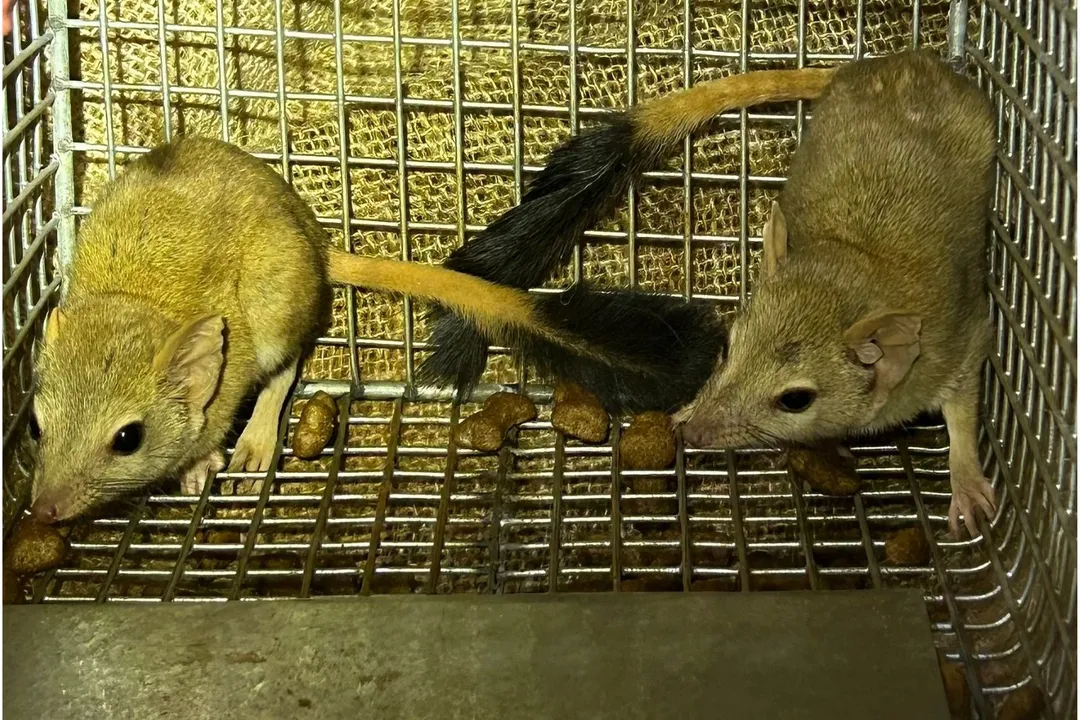
The status of the kowari, a tenacious little carnivorous marsupial, is a pressing concern for Australian conservationists. While finding an exact, real-time headcount is almost impossible for such elusive, nocturnal animals living in remote deserts, the scientific consensus points toward a precarious existence. Current estimates suggest there may be as few as 1,200 kowari left in the wild. This alarming figure reflects a significant decline that has culminated in a recent, serious reclassification of its conservation standing.
# Species Profile
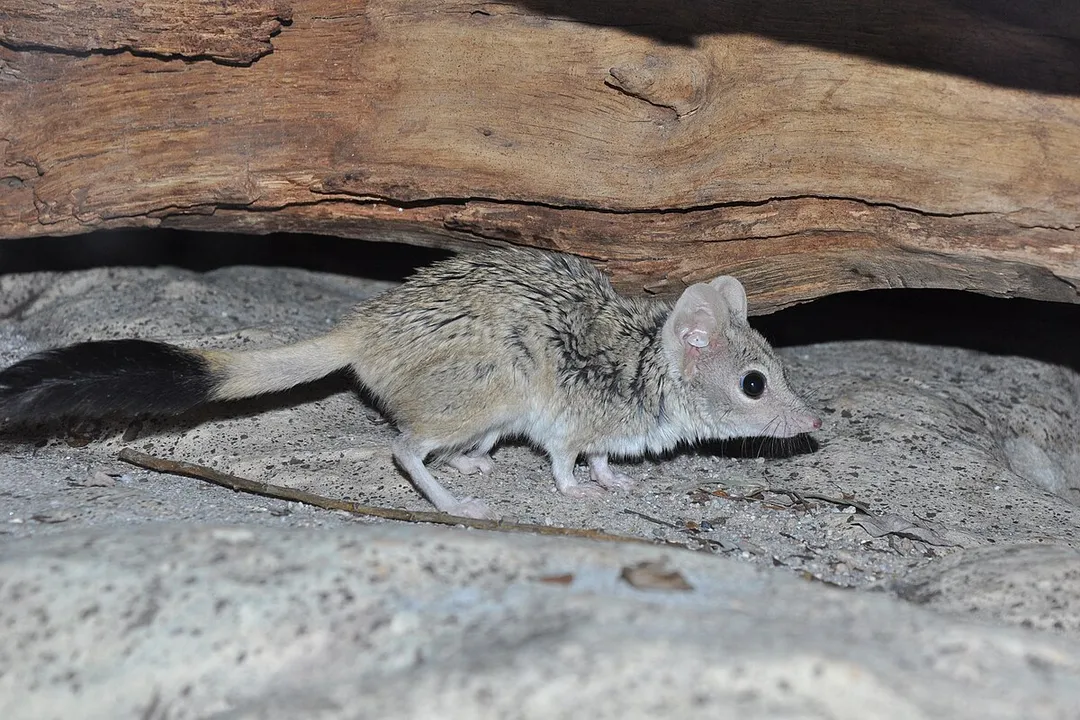
The kowari, scientifically known as Dasyuroides byrnei, belongs to the Dasyuridae family, placing it among Australia's native carnivorous marsupials. Its appearance sets it apart; it possesses large, upright ears, a pointed muzzle, and is characterized by a distinctive, dense black brush covering the end of its tail, which is never fattened at the base. Weighing up to 175 grams for males and 140 grams for females, this pint-sized predator is built for arid survival.
Kowaris thrive in environments few other mammals can tolerate: the sparsely vegetated gibber (stony) plains interspersed with small sand mounds in south-west Queensland and north-east South Australia. They are exquisitely adapted to desert life, managing without drinking water by deriving all necessary moisture from their food, which includes insects, arthropods like centipedes, geckos, and particularly small rodents such as the long-haired rat and the house mouse. During the day, they retreat into burrows dug into the sand mounds, though they might be seen basking near the entrance during cooler weather.
# Status Update
Historically, the kowari was more widespread across the central Australian desert region. Today, its range has dramatically shrunk, and the species is considered extinct in the Northern Territory. The remaining populations are confined to small refuges, existing in less than 20% of their former territory.
The shrinking range and population stress led to a critical reassessment of its status. In 2023, the conservation status of the kowari was officially upgraded from Vulnerable to Endangered under the federal Environment Protection and Biodiversity Conservation Act. This elevation signifies that the threats facing the species are accelerating its path toward extinction. Furthermore, research suggests a sobering reality: without dedicated conservation intervention, there is a 20% risk that the kowari could vanish from the wild within the next two decades.
The distribution today is highly fragmented. In Queensland, populations persist in Astrebla Downs National Park, although they have not been sighted at the nearby Diamantina National Park study sites since 2012. In South Australia, all remaining populations are restricted to private pastoral properties.
# Primary Threats
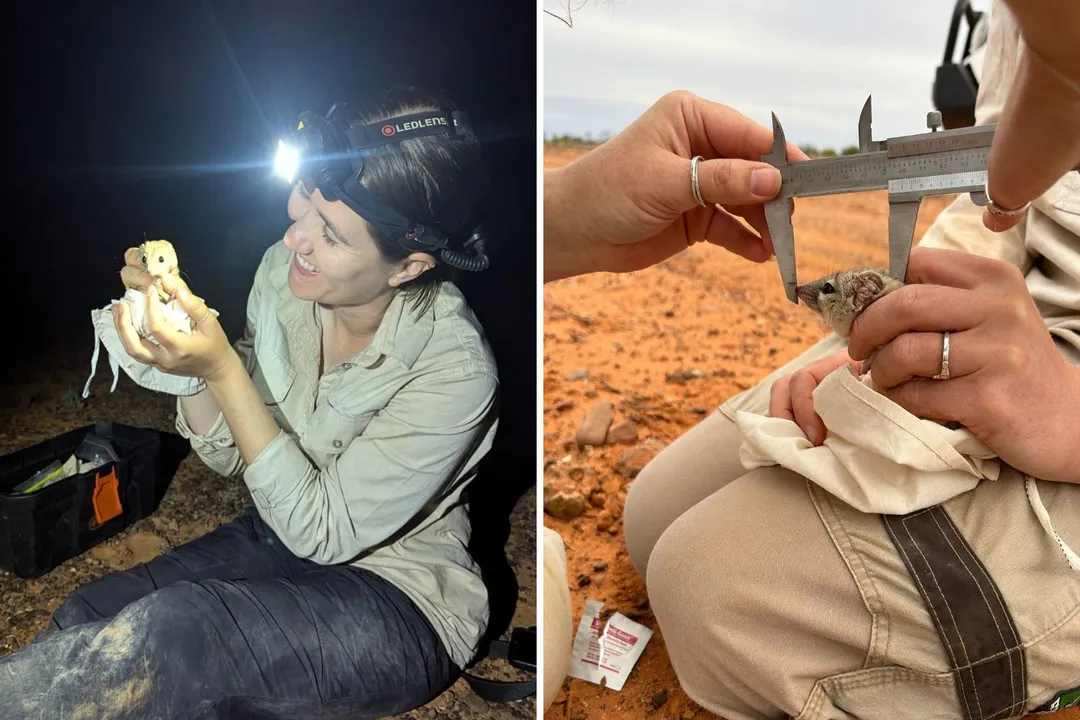
Understanding the exact cause of decline remains complex, which is why intensive research is currently underway. However, several key threats have been clearly identified as major pressures on the species.
# Predation Pressure
Feral predators represent a significant hurdle for kowari survival and expansion. The list of suspects includes feral cats, foxes, and wild dogs. These introduced carnivores compete with kowaris for prey and directly prey upon them. The interaction between these predators and the kowari's preferred habitat is a major focus of current study, especially concerning how the predators influence juvenile dispersal and survival.
# Habitat Alteration
The kowari's reliance on specific habitat features makes it highly vulnerable to changes in land management practices, particularly intensive pastoral activity. Kowaris use burrows within small sand mounds for shelter. Overstocking by cattle is known to degrade these crucial sand mounds through compaction. Furthermore, grazing removes the sparse vegetation associated with these mounds, which reduces cover for both the kowaris and the small prey they rely on. Researchers are actively assessing the long-term impact of vegetation cover changes, especially in relation to the installation of new cattle water points on pastoral leases.
# Conservation Efforts
The severity of the situation has spurred several organized responses aimed at halting, and hopefully reversing, the decline. The Queensland Government is involved through a kowari recovery team established after the 2023 listing. Park rangers have dedicated over a decade to reducing feral cat populations within Diamantina and Astrebla Downs National Parks, successfully removing more than 3,400 cats in that area alone.
Beyond government action, partnerships with non-governmental organizations are vital. Groups like the Australian Wildlife Conservancy (AWC) are working alongside pastoral companies on properties like Coorabulka and Monkira Stations. A key focus in these collaborations is establishing sustainable grazing thresholds that can support healthy kowari populations alongside cattle production.
# Insurance Populations
A significant conservation strategy involves establishing populations in secure environments away from direct threats. The Arid Recovery organization, for instance, undertook a translocation program. In 2022, twelve kowaris were introduced to the Arid Recovery reserve in South Australia to establish an insurance population. This reserve is a fenced, predator-free area. The results from this specific effort have been very encouraging: by 2024, surveys recorded 47 individuals, showing that the population was not only surviving but thriving and expanding its range across the reserve paddocks. Signs of reproduction, including lactating females and juveniles, were also noted. This success highlights the immediate positive impact of eliminating key threats like predation.
# Research Focus
Since the causes of decline are not fully understood across the entire species range, targeted research is crucial to develop evidence-based guidelines for land managers. A major project, supported by organizations like the Conservation and Wildlife Research Trust (CWRT), is specifically designed to investigate these interacting factors.
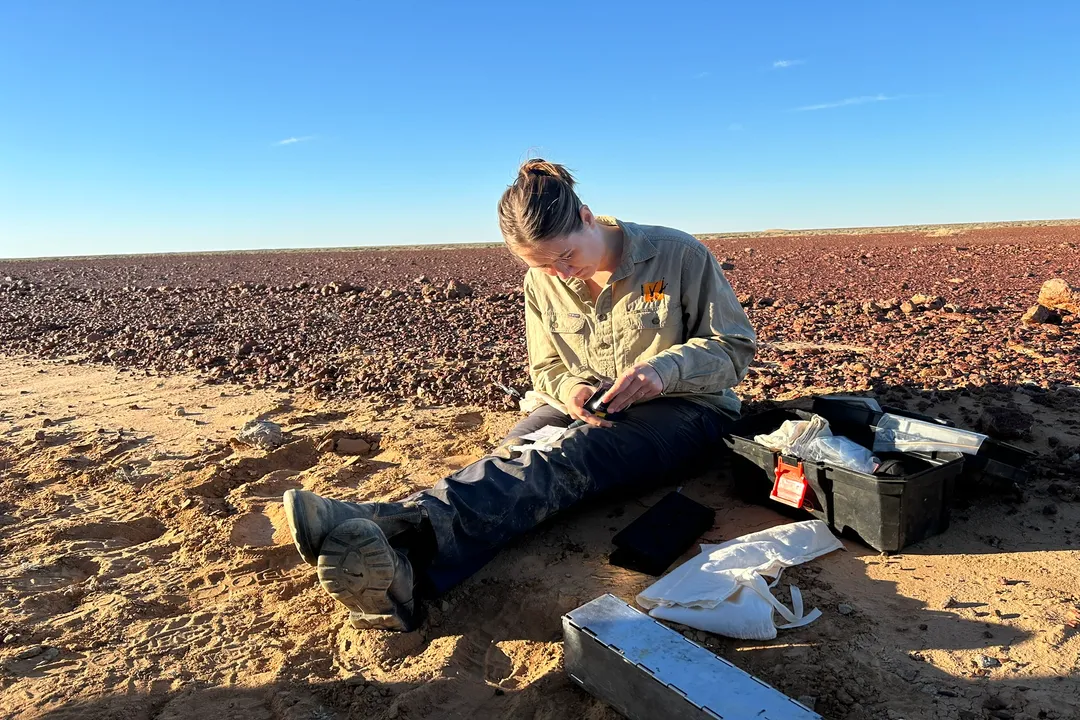
One fundamental unknown is dispersal. It is hypothesized that a lack of successful dispersal into new areas or re-colonization of locally extinct areas is limiting overall recovery. Research involves tracking juveniles fitted with radio-transmitter collars to understand their movement patterns, how far they travel, and where they choose to shelter. Initial data from Arid Recovery suggests that juveniles may remain near their natal den sites for a while, possibly moving out later in the season.
Another essential research avenue is genetics. Scientists are collecting ear biopsy samples from populations in both South Australia and Queensland to measure the genetic health and population structure, helping determine if isolation is leading to inbreeding depression.
The study attempts to quantify the influence of predators across different landscapes by using baited camera grids set at varying distances from the kowari's preferred dune systems, comparing activity levels on pastoral land versus the predator-free Arid Recovery site. This comparative approach between a protected site and a typical wild range is vital for isolating the effect of specific management actions, like predator control, versus environmental factors.
# Conservation Context
The very fact that scientists can estimate the population at "as few as 1,200" while simultaneously noting a 20% extinction risk within 20 years provides a stark illustration of conservation triage. This isn't a species with millions of individuals that can absorb minor losses; every single individual and every successful breeding season directly impacts the long-term viability of the entire species. The status change to Endangered confirms that current conditions—even in areas considered protected—are insufficient to ensure long-term survival, suggesting that the known threats are either operating at a higher intensity or there are undocumented factors at play. If the species is already extinct in one territory (NT), and struggling in long-term study sites within another (Diamantina NP), the remaining occupied areas—like Astrebla Downs and specific SA stations—are disproportionately important.
When observing the successes at Arid Recovery, where numbers more than quadrupled in two years after translocation into a safe area, it strongly suggests that predation and habitat suitability are the primary drivers limiting population growth in the wild. This realization guides management: while securing habitat is necessary, active, intensive removal of feral predators might be the only way to create "safe corridors" or "stepping stones" that allow isolated populations to connect before genetic isolation becomes irreversible. An estimated 1,200 individuals spread thinly across a large, threatened range means many small subpopulations might already be too small to sustain themselves independently, making the tracking of juvenile dispersal especially critical for identifying where reintroduction or population boosting efforts would have the highest return on investment.
The complex reliance on pastoral land also presents a unique challenge and opportunity. Much of the kowari's remaining habitat is managed for beef production. This necessitates a conservation approach that is inherently collaborative rather than purely regulatory. The work involving AWC and NAPCo to define "threshold levels of grazing" that allow for both cattle viability and kowari persistence is a necessary, though slow, pathway forward. This interdependence means that conservation success is directly tied to the willingness of landholders to adapt management—a key insight for any species sharing its range with commercial activities. If land managers can prove that careful grazing management prevents sand mound degradation, it offers a scalable, sustainable solution across the vast private lands holding the species, unlike relying solely on government-managed national parks which cover only a portion of the range.
# The Path Forward
The future of the kowari hinges on translating ongoing research findings into immediate, effective management actions. The species is a charismatic indicator of the health of the arid zone ecosystem; its struggle reflects broader environmental pressures. The research aims to provide concrete guidelines on dispersal corridors, optimal predator control levels, and grazing impacts.
For the general public, the most tangible way to assist is by supporting the conservation groups actively engaged in this front-line work. Donating to organizations like the CWRT, AWC, or Arid Recovery directly fuels the monitoring programs, the radio-tracking equipment, and the genetic sequencing required to understand and combat the threats. Securing the kowari's survival is not just about protecting one small marsupial; it is about safeguarding the biodiversity of the Australian outback itself. The success seen in the managed environment at Arid Recovery proves that when threats are removed, this fierce little hunter can begin to recover. The goal now is to replicate those conditions across the vast, challenging landscapes where they still remain.
Related Questions
#Citations
Understanding the ongoing decline of a threatened arid mesopredator
Kowaris were on the move in 2024 - Arid Recovery
Kowari - Wikipedia
Understanding the decline of the kowari - CWRT
Kowari | Environment, land and water - Queensland Government
Meet the kowari: a pint-sized predator on the fast track to extinction