How many Egyptian tortoises are left?
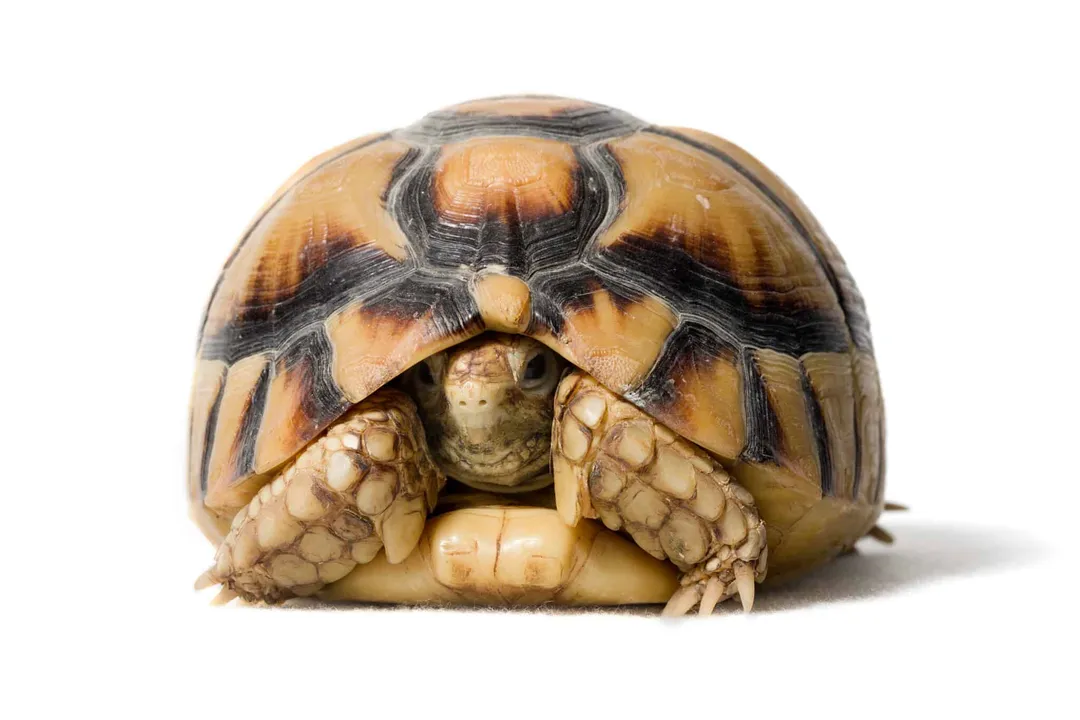
Pinpointing the exact current number of Egyptian tortoises remaining in the wild is extraordinarily difficult, a common challenge when assessing species that are naturally small, secretive, and distributed across fragmented, politically complex regions. Instead of a precise census number, which rarely exists for species in this precarious position, conservationists focus on their official status, the threats they face, and the success of ongoing recovery efforts. [1][7] These tiny reptiles, scientifically known as Testudo kleinmanni, are among the smallest tortoises globally, barely reaching lengths of 5 inches, making field counting a major undertaking. [2][6]
# Listing Status
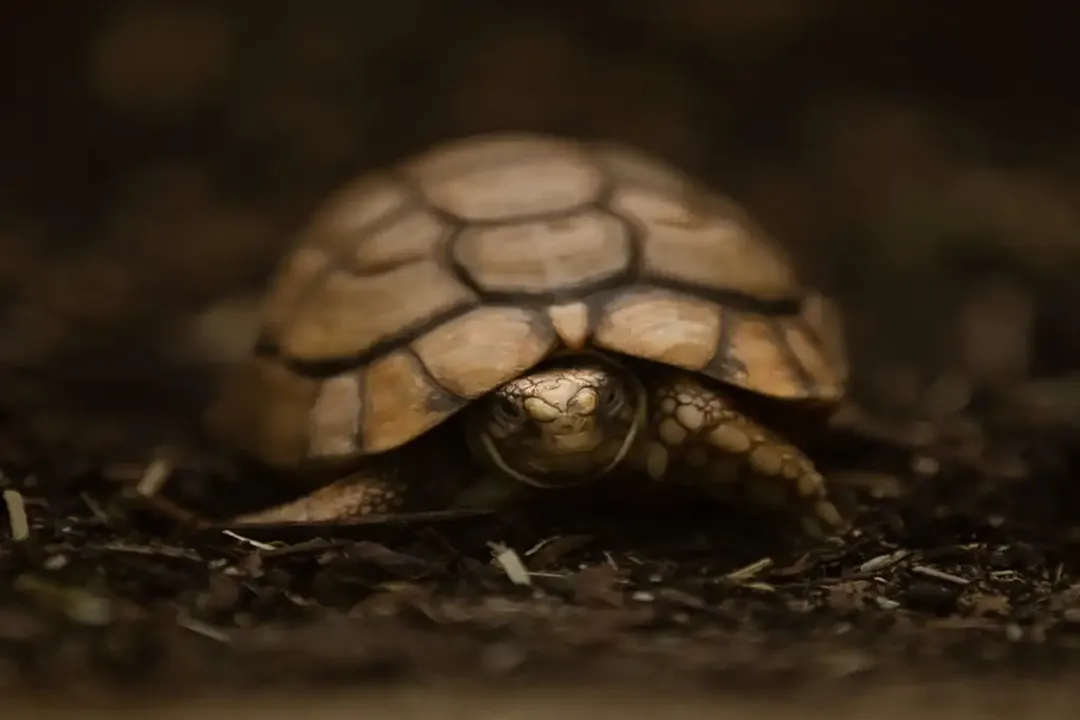
The conservation status of the Egyptian tortoise has seen formal recognition from major international and national bodies, reflecting severe population declines across its historic range. In early 2023, the U.S. Fish and Wildlife Service (FWS) formally listed the Egyptian tortoise as threatened under the Endangered Species Act (ESA). [1] This listing was a direct acknowledgment that habitat loss, illegal collection for the pet trade, and other threats jeopardize the species' continued existence. [1]
However, reports from different conservation groups sometimes use a more severe classification. Some sources indicate the species is considered critically endangered. [9] This disparity in reporting—threatened versus critically endangered—often stems from the specific criteria used by the listing body (e.g., the IUCN Red List versus a specific national law like the ESA) or the point in time the assessment was made. When a species is listed as threatened under the ESA, it means it is likely to become endangered within the foreseeable future throughout all or a significant portion of its range. [1] This difference in terminology should be seen not as a contradiction, but as a snapshot showing how urgent the situation is across its entire distribution, where some local populations may already be functionally extinct. [10]
# Geographic Scope
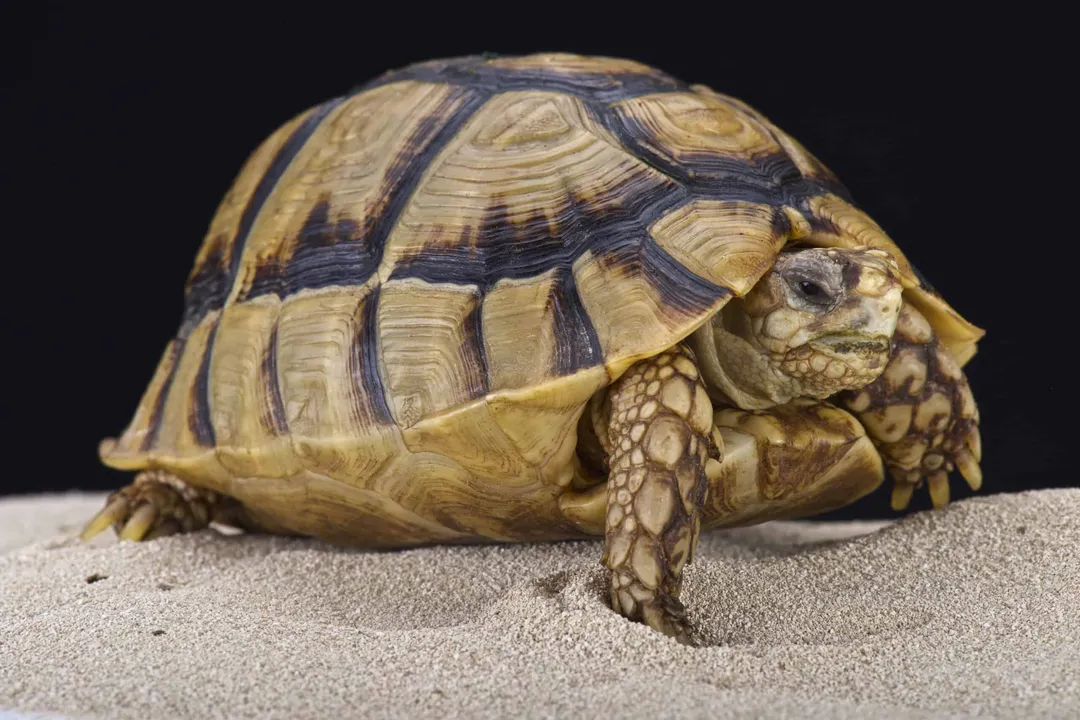
The historical distribution of the Egyptian tortoise spanned a narrow band across North Africa and the Middle East, stretching from Libya eastward through Egypt and into Israel. [2][6] Today, the picture is much more fragmented. The tortoise has disappeared entirely from large parts of this historic area. [1]
In Egypt, for example, significant habitat loss has dramatically reduced their numbers, making them incredibly difficult to find. [1][7] While wild populations still exist in certain areas, the fragmented nature of these remaining habitats means the tortoises are isolated from one another. This isolation prevents healthy genetic exchange, a critical factor for long-term survival, even if the total count stabilized tomorrow.
For a species that once occupied territories across several nations, understanding how many are left requires coordinating surveys across international borders, which presents significant logistical and political hurdles. This fragmentation is one reason why population estimates remain elusive; a count in one area might not reflect the health of the species elsewhere. [1] It is worth noting that many conservation plans focus intensely on specific strongholds, accepting that peripheral populations may already be lost. [7]

# Pressures Mounting
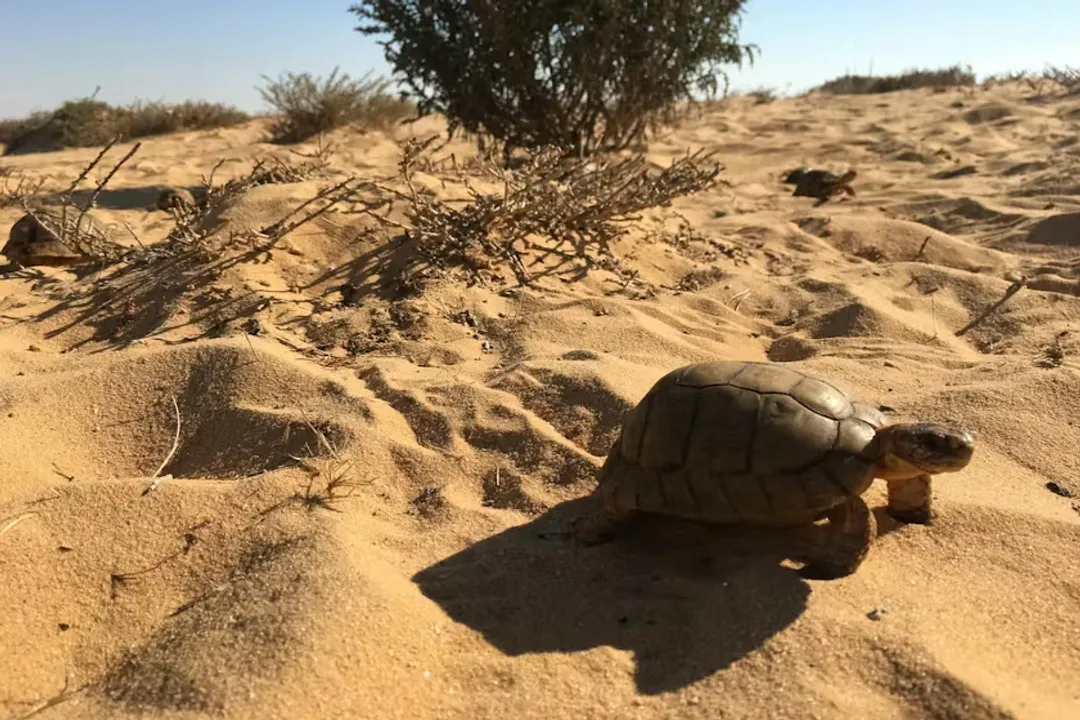
The primary drivers pushing the Egyptian tortoise toward the brink are familiar antagonists in the world of herpetology: habitat destruction and over-collection.
Habitat loss is directly tied to human expansion and the conversion of arid and semi-arid lands into agricultural zones or development areas. [1] These tortoises require specific, often sparse, vegetation for food and cover. As these natural areas shrink or become degraded, the remaining tortoises are squeezed into smaller, more vulnerable patches. [1][7]
Perhaps even more immediate is the impact of the illegal pet trade. Because of their incredibly small size, often topping out around 4 to 5 inches in adulthood, they are highly desirable to international collectors. [2][6] Being so small, they are easily smuggled, and the ease with which they can be transported in large numbers adds immense pressure to wild populations when they are targeted. [1][10] CITES listings, which regulate international trade, are put in place specifically to address this commercial threat, aiming to stop unsustainable removals from the wild. [10]
This combination of pressures means that while one small community might be fighting hard to protect a local group of tortoises, the cumulative effect of trade and development across the wider region can still lead to species decline. [7]
# Conservation Responses
In the face of these severe threats, focused conservation work is underway, utilizing both captive management and in-situ (in-the-field) protection. [7]
# Captive Breeding
Zoos and specialized breeding centers play a vital role in safeguarding the species' genetic future. [3][8] These facilities maintain assurance colonies—groups of tortoises safely housed and bred in captivity—which act as a genetic insurance policy against sudden catastrophe in the wild. Facilities like the Saginaw Zoo actively participate in species survival plans, working to maintain healthy, genetically diverse populations of Egyptian tortoises. [3] While captive breeding does not solve the habitat problem, it ensures that the species does not vanish completely while scientists and governments work on habitat restoration and anti-poaching measures. [8]
# Community Action
A particularly encouraging element of the conservation narrative involves local involvement. In some regions, successful efforts hinge on partnerships between scientists, NGOs, and local residents who live alongside the tortoises. [7] These community-led initiatives focus on sustainable management practices and education, turning local inhabitants into the species' most effective guardians. [7] When local stakeholders benefit from the protection of the habitat—perhaps through eco-tourism or sustainable land management—the incentive to protect the tortoise increases significantly. This grassroots approach is often cited as essential for long-term success, as it provides the daily vigilance that governmental agencies alone cannot maintain. [7]
If we consider the effort required to protect this species, it becomes clear that even small numbers of individuals require disproportionate conservation resources due to their high demand in the illicit pet market. A single kilogram of tortoises represents potentially dozens of individuals, allowing smugglers to move a high volume of protected animals relatively easily, meaning successful enforcement relies heavily on intercepting trade routes rather than just monitoring habitat—a much harder target to hit consistently. [10]
It is fascinating to compare the small physical scale of the Egyptian tortoise—a creature that can fit in the palm of a hand—with the immense global effort required to secure its survival. The successful conservation stories, like those highlighted by community action, often involve dedicated, long-term monitoring that tracks individuals or small family groups over years, providing data that is far more valuable than a single, static population count that is out of date the moment it is published. [7] The true measure of recovery might be found not in an absolute number, but in the increasing stability and connectedness of the remaining wild pockets.
# Understanding Population Data
When trying to answer "how many are left," it is important to understand how conservation organizations assign status when hard numbers are unavailable. If a species has vanished from 70% of its historic range, even if the remaining 30% holds a small number of healthy animals, the species is still considered highly threatened. [1] The ESA listing acknowledges this decline across the range, even if pinpointing the exact count in, say, the Libyan desert territories is not feasible for the listing agency. [1][4]
To add context to the severity, one can look at the lifespan and reproductive rates. While sources may not detail the exact generation time for T. kleinmanni, tortoises are generally slow to mature and have relatively low reproductive output compared to generalist species. This means that populations hit hard by collection or habitat loss take a very long time to bounce back, even if the immediate threats are removed. This biological reality underscores why even a few hundred individuals remaining in the wild might signify a much more urgent crisis than the same number in a fast-reproducing mammal species. [2]
The future of the Egyptian tortoise hinges not on reaching a specific numerical target, but on establishing resilient, legally protected zones where community support ensures those zones are respected. The conservation community is working toward a future where the species is secure enough to be potentially down-listed, but that goal requires steady, verifiable growth in the surviving wild groups, data that is currently being gathered by those on the ground. [7][1]
# Ongoing Vigilance
The listing of the Egyptian tortoise as threatened under the ESA means that federal agencies in the United States are now required to take action to protect the species and its habitat within U.S. jurisdiction, though the species is primarily found abroad. [1] This action often involves international cooperation to curb the flow of illegally imported tortoises into the U.S. market. [10]
Ultimately, while the exact number is hidden by geography and biology, the consensus among experts is clear: the population is severely diminished, fragmented, and critically dependent on ongoing legal protection and boots-on-the-ground conservation efforts to prevent total extinction. [1][9] The fight is less about counting and more about ensuring that the next generation of conservationists has habitat left to protect.
Related Questions
#Citations
Egyptian Tortoise Listed as Threatened Under the ...
Egyptian Tortoise - Facts, Diet, Habitat & Pictures on ...
Egyptian Tortoise
Egyptian tortoise
Egyptian Tortoise (Testudo kleinmanni) IUCN Red List ...
Egyptian Tortoise Animal Facts - Testudo kleinmanni
How community-led action is successfully saving the ...
Egyptian Tortoise Archives
CRITICALLY ENDANGERED – AND INCREDIBLY CUTE!
Egyptian tortoise