How many fish a day does a cormorant eat?
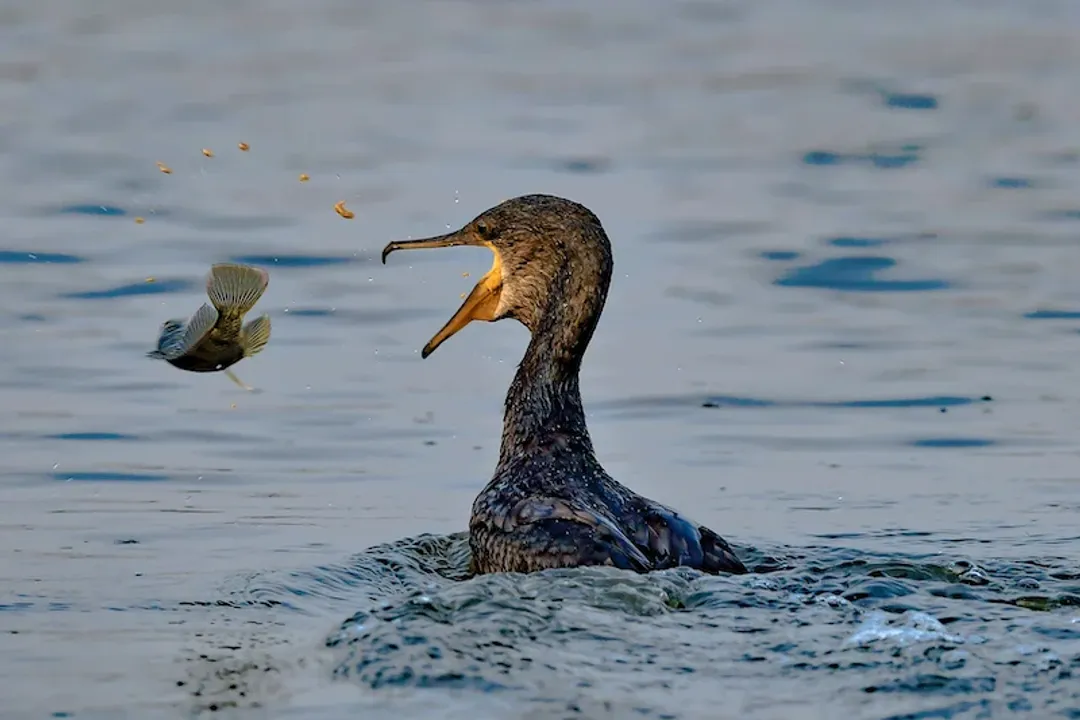
The calculation of how many fish a cormorant consumes daily is a topic frequently debated by anglers and fisheries managers, often because the sheer volume represents a significant ecological pressure point. On average, a single cormorant requires approximately 500 grams of fish per day just to sustain itself. [4] This figure gives us a concrete starting point for understanding the scale of their foraging activity, though the exact number can fluctuate based on the bird’s size, the temperature, and the energy demands of the breeding season. [3] While 500 grams might not sound like much in isolation—it’s roughly one pound—when multiplied across a colony, the cumulative impact becomes substantial and is the reason why management discussions often arise regarding their presence near sensitive fishing waters. [2]
# Daily Intake
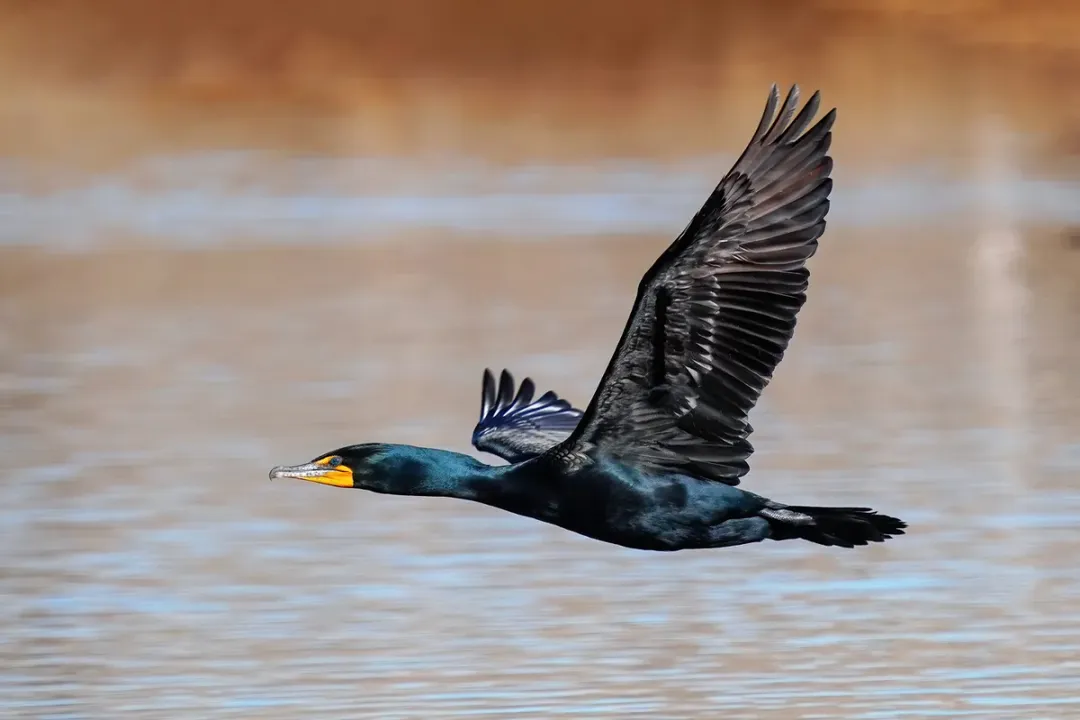
The standard benchmark of roughly 500 grams per day appears consistently when assessing the survival needs of these piscivorous birds. [4] This estimation generally applies to an adult bird outside of peak energy expenditure periods. It is important to recognize that this is the minimum required for survival. [3] A bird that is molting, or one that is feeding young in the nest, will naturally consume considerably more than this baseline figure. [3]
When we look at this weight in terms of individual fish, the context changes depending on the local forage base. If a cormorant is targeting smaller baitfish, it might eat dozens of individuals daily to meet that half-kilogram target. Conversely, if its preference—or necessity—leads it to larger sport fish, it might only consume one or two larger specimens to reach the same weight goal. [7] The precise number of fish consumed is less important to the ecosystem than the total biomass removed, yet understanding the typical prey size helps managers assess the specific species being targeted. [2]
# Weight Versus Quantity
Comparing the daily intake across different geographic locations reveals why there is sometimes a discrepancy in reported observations. In areas where the average fish size is small, say under 100 grams, a cormorant will be actively catching and eating food for a good portion of the day. [7] In contrast, a bird focusing on larger, stocked trout or bass might satisfy its daily needs relatively quickly before spending the rest of the day resting or preening. [5] This variability in hunting success and prey size dictates the frequency of dives and the observable feeding pattern.
For instance, considering the data point of 500 grams, if we imagine a common recreational fish like a rainbow trout stocked at 250 grams (about half a pound), a single cormorant would need to successfully consume two of these fish daily to meet its energy requirement. [4] If a rookery has fifty birds, that equates to 100 such trout removed from the water system every single day. This calculation illustrates how quickly the pressure adds up, even if the individual bird’s meal seems modest. [2]
# What They Consume
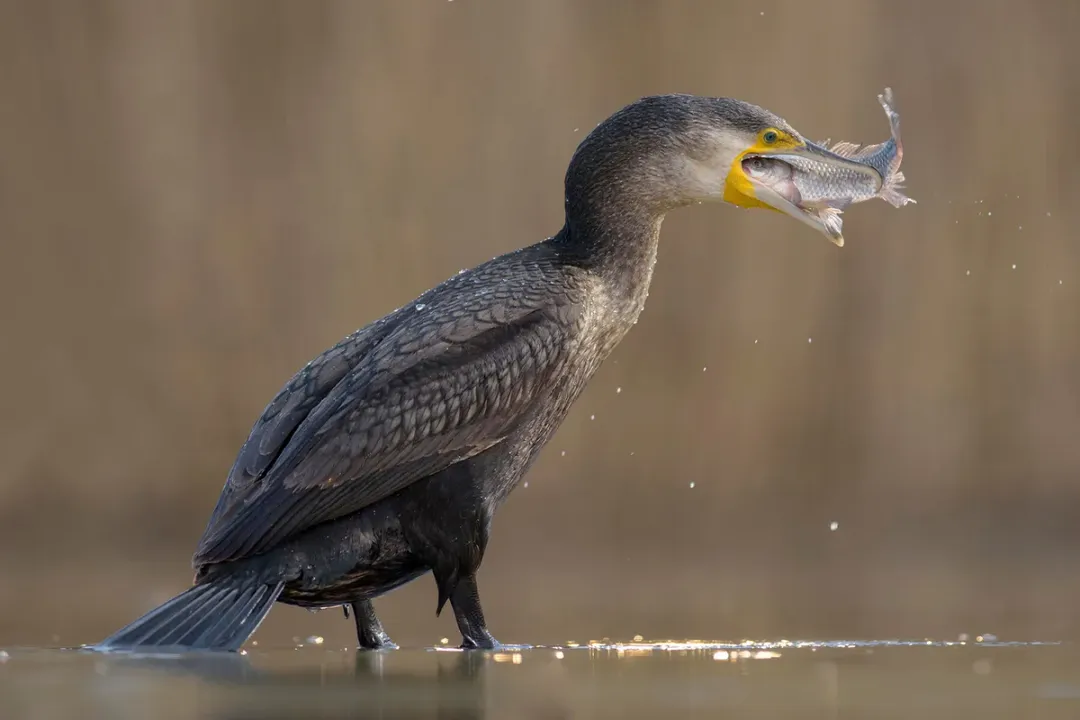
Cormorants are generalists when it comes to their diet, provided the prey is available and catchable via their diving method. [7] Their primary food source is, overwhelmingly, fish. [7] They are visual, pursuit-divers, meaning they spot their prey underwater and then use their powerful, webbed feet to chase it down, eventually swallowing it whole. [7] This hunting technique favors fish that are active, swimming near the surface or in relatively clear, shallow water, rather than bottom-dwelling, cryptic species.
The species they consume directly correlates with what is most abundant in their hunting grounds. [7] In certain regions, this leads to significant pressure on specific managed stocks. For example, documented impacts have been noted regarding catfish populations, where cormorants have been shown to prey heavily on these species, leading to declines in certain areas. [10] Their diet is not limited to game fish; they will readily take less desirable species if they are easier to catch or more numerous, which can sometimes be a benefit to the overall health of the water body by removing abundant, less desirable species. [7]

# Population Pressure
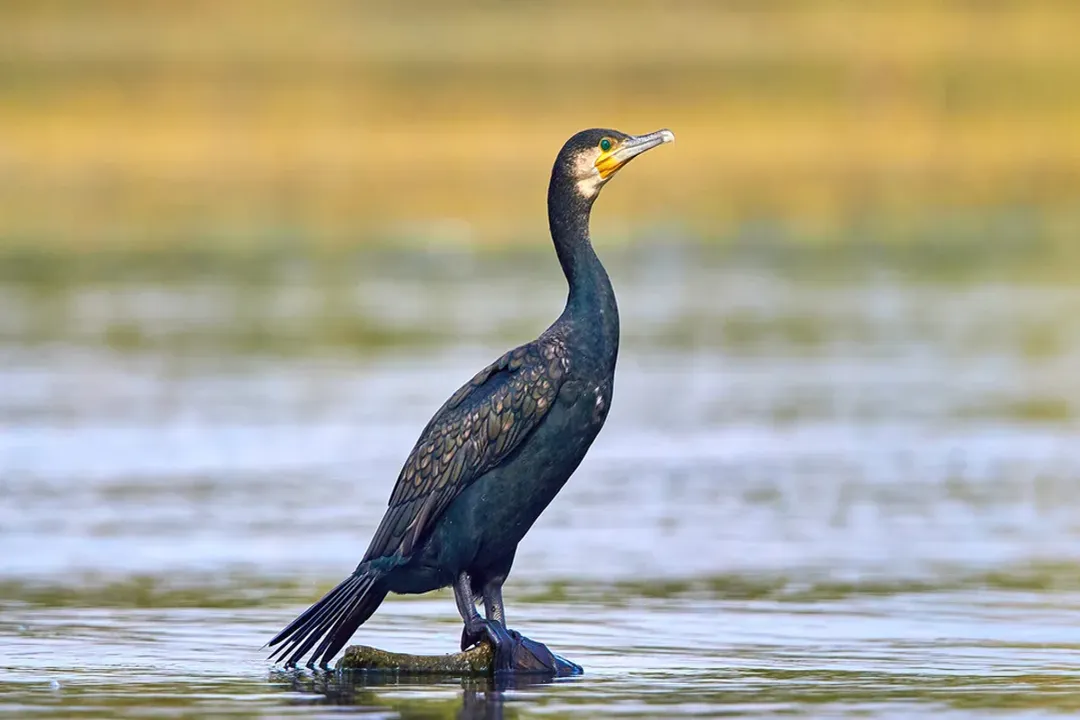
While an individual bird's 500-gram daily meal is manageable for a healthy lake, the issue scales rapidly with colony size. Waterways hosting large numbers of breeding or non-breeding cormorants experience significant sustained removal of fish biomass. [2] It is this colonial effect that shifts the perception of cormorants from a natural predator to a threat to stocked fisheries or vulnerable native populations. [2][10]
The true impact is often measured not just by weight, but by the age class of fish taken. If cormorants consistently remove the young-of-the-year or yearlings, they prevent those fish from ever reaching maturity or catchable size, thereby collapsing the recruitment needed to sustain the fishery for the future. [2] This selective removal of juvenile fish is often more damaging than taking a few larger, older individuals. When assessing the problem, managers must determine if the birds are impacting the survival of the established population or hindering the growth of the next generation.
We can contextualize the impact based on location. In a large, sprawling natural lake, the 500g daily intake might be negligible, dispersed over thousands of acres of fish habitat. However, in smaller, contained environments like private ponds or specific angling club reservoirs—areas where fish stocking occurs to guarantee recreational success—that same 500-gram requirement becomes highly concentrated and immediately noticeable. [9] An angling club might stock 10,000 pounds of fish annually; if a local cormorant population consistently removes a calculated percentage of that weight daily, the stocking budget and angler success rates suffer noticeable deficits. [8]
# Management Concerns
The documented need for substantial daily intake places cormorants squarely in the center of management discussions, especially where commercial or recreational fishing is a priority. [2][10] Angling groups and pond owners have actively sought methods to mitigate predation when the numbers become detrimental to their interests. [8][9] These concerns arise because the birds are highly efficient at what they do, and once established in an area, they can return reliably year after year.
Preventing successful predation is often the first line of defense, moving beyond simple population control. [9] Strategies for pond owners often involve using visual deterrents or even physical barriers around high-value areas like net pens or shallow nursery areas where vulnerable juvenile fish congregate. [9] For instance, some managers have experimented with floating scare-eye balloons or strategically placed effigies, aiming to break the birds’ hunting concentration long enough for fish to escape the immediate danger zone. [9]
Fisheries managers face a more complex situation, often dealing with migratory populations protected under various regulations. [1] In these instances, management must be carefully balanced, considering the bird’s role in the wider ecosystem against local economic or conservation goals. [1][8] This often leads to specialized programs, sometimes involving the U.S. Fish and Wildlife Service, to address localized, high-impact scenarios, such as those affecting specific commercial aquaculture operations or federally managed fish recovery efforts. [1][10]

# Foraging Context
It is crucial to differentiate between natural predation and the concentrated feeding pressure seen near human-managed fish stocks. In a natural setting, cormorants function as a check on overpopulation and remove the weak or slow-moving fish, potentially strengthening the overall gene pool of the prey species over time. [7] Their hunting success is tied to visibility and water conditions, meaning that murky water or high wave action can significantly reduce their daily caloric intake, forcing them to fly further or fast until conditions improve. [7]
When observing a cormorant feeding near a known stocking point, the efficiency is almost unnerving. They often hunt in small groups, coordinating their efforts to flush fish toward the surface or toward a shoreline where escape is difficult. This cooperative hunting in predictable locations increases the harvest rate far above what an individual bird hunting alone in the open water might achieve. [7] This focused, habitual behavior is what transforms a general predator into a specific problem for stocked fish management, where the fish have been intentionally concentrated for easy harvest by humans, and in turn, easy harvest by avian predators. [9] The sheer reliability of the food source near stocked areas creates an artificial attraction that magnifies their localized impact well beyond their natural distribution patterns.
Related Questions
#Citations
What is a double-crested cormorant? - U.S. Fish and Wildlife Service
Cormorants damaging fish populations - Huron Daily Tribune
How many lbs of fish do Cormorants need to eat per day to survive?
On average, a cormorant requires around 500 g of food each day ...
cormorants eat large amounts of fish daily - Facebook
Cormorants: how much fish does one need? - Fly Fishing Forum
What Do Cormorants Eat? (Complete Guide) - Birdfact
Cormorant Watch - Wimborne and District Angling Club
Best Practices to Prevent Cormorant Predation - Pond King Blog
NWRC Spotlight: Cormorant Impacts to Catfish - usda aphis