How much should an American bully eat a day?
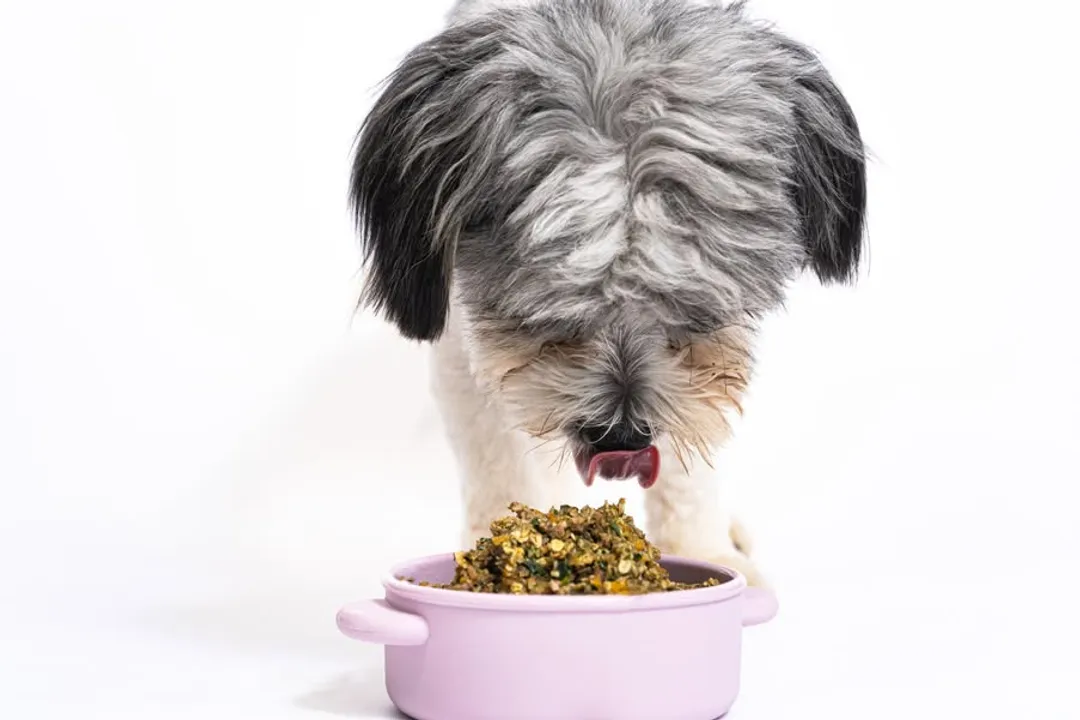
Determining the precise daily food volume for an American Bully isn't as simple as finding a single number on a chart, as this breed's needs—spanning the compact Pocket to the massive XL—vary significantly based on age, activity level, and the specific nutritional density of the food being offered. [3][8] What works perfectly for a moderately active adult male might lead to weight gain in a sedentary female or stunt growth in an overfed puppy. The core of successful feeding lies in understanding the principles of canine nutrition as they apply to this muscular, fast-growing breed type, rather than adhering rigidly to a single scoop measurement. [2]
# Age Differences
The nutritional demands shift dramatically throughout the American Bully's life cycle, making age the most critical determinant of portion size. [6] Puppies, especially those destined to be larger varieties like the Standard or XL, require substantially more calories and specific nutrient ratios to support their rapid bone and muscle development. [6][7] They need frequent meals to keep their energy levels stable and support their high metabolic rate during explosive growth phases. [6]
For puppies around four months old, for example, one source suggests feeding roughly one to three cups of high-quality dry kibble per day, split into three meals, though this is acknowledged as a rough starting point that requires significant owner observation. [7] This frequency of feeding is important for pups; smaller, more frequent meals are often easier on their developing digestive systems compared to one or two huge feedings. [6] Conversely, adult Bullies transition to fewer meals, typically two per day, once they are fully grown, often around 12 to 18 months, depending on the specific bloodline and size variation. [3] A common recommendation for an adult measuring around 50 to 90 pounds is approximately 3 to 6 cups of kibble daily, though this range immediately highlights the variability inherent in this breed. [3]
# Food Quality Impact
It is vital to recognize that "cups" are not a universal measure across different dog foods. [8] A cup of a highly dense, premium kibble formulated for high-performance dogs may contain significantly more calories and protein than a cup of a lower-quality, filler-heavy food. [2][8] This means that if you switch brands, you cannot simply use the old volume measurement; you must re-evaluate the feeding amount based on the new product's caloric content per cup or serving size listed on the bag. [8]
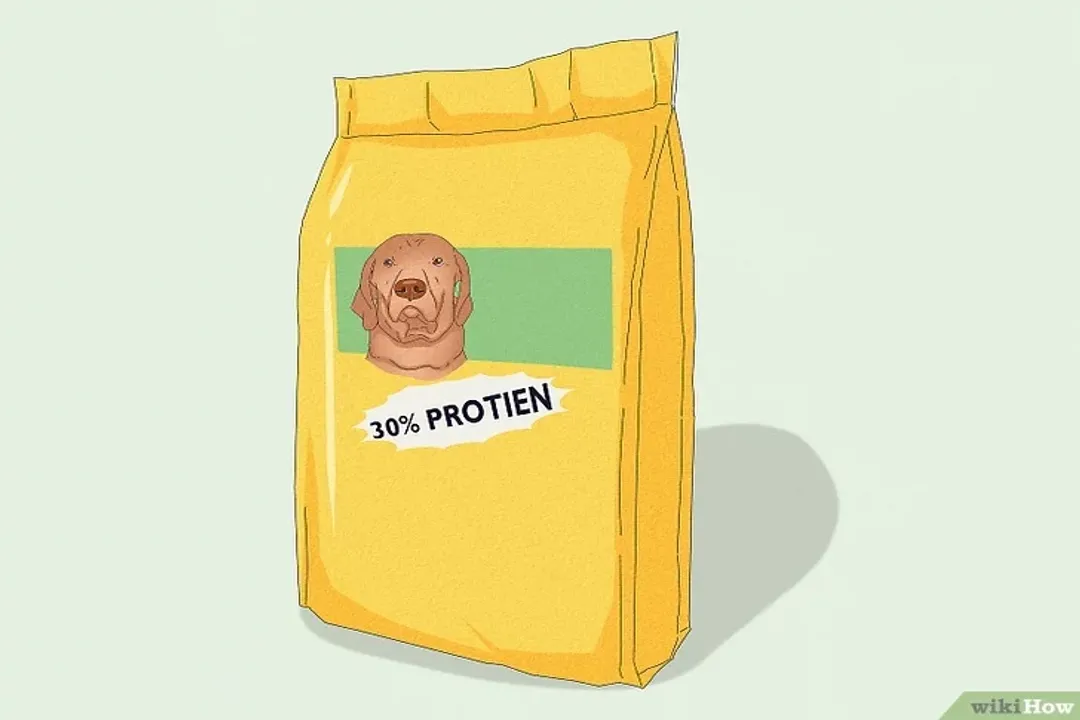
When assessing commercial foods, particularly those marketed toward active or large breeds, look closely at the guaranteed analysis for protein and fat percentages. [3] High-quality sources often emphasize feeding a certain percentage of body weight or use specialized calculators that factor in metabolic rate rather than just offering a static cup measurement. [8] For instance, some specialized brands recommend feeding amounts that correlate to a specific percentage of the dog's current body weight, which is often a more accurate baseline than generic volume suggestions. [2][8]
Considering the sheer muscle mass of the breed, owners focused on maintaining a dense, athletic physique often gravitate toward high-protein formulas. [5] If a food is designed to fuel high activity, the required volume might decrease because the caloric density is higher, whereas a lower-calorie food will necessitate larger portions to meet the dog's energy demands. [2]

# Calculating Daily Intake
Many manufacturers provide feeding charts based on the dog's weight, which serves as the starting reference point. [2][3] However, these charts are usually guidelines, not laws. One effective approach involves using a formula based on the dog's weight and activity level, often seen in specialized feeding guides. [8]
For example, a very active adult Bully might require food calculated at roughly 2-3% of its body weight daily, while a more sedentary companion might need closer to 1.5%. [8] To translate this into a practical scenario, imagine a 75-pound Standard American Bully. If their food has 400 calories per cup, and they are moderately active, you would calculate their daily caloric need (which must be estimated or known through veterinarian guidance) and then divide that by 400 to determine the total cups needed for the day. [8] If the established rule of thumb suggests 2 cups per 50 pounds of body weight for maintenance, a 75-pound dog would need 3 cups split between two meals. [3]
When reviewing community discussions, you often see a wide variance that reflects these real-world adjustments. Some owners on forums report feeding their 60-pound adults anywhere from 2.5 to 4 cups daily, strongly suggesting that what the dog looks like and how it feels takes precedence over the numbers on the bag. [1] This anecdotal evidence underscores the need for careful, personalized assessment rather than blind adherence to a printed chart. [1][7]
# Body Condition Monitoring
The most critical, hands-on metric for determining if your American Bully is eating the right amount is its Body Condition Score (BCS). This transcends specific cup measurements entirely. [3] You should be able to easily feel your dog's ribs without pressing hard, though they should not be visibly protruding unless you are conditioning a dog for a specific show standard. [3][9] When viewed from above, the dog should exhibit a visible waist tuck behind the rib cage. [3]
- Too Thin: If you can easily see the ribs, spine, or hip bones, or if you have to press significantly to feel the ribs, the dog needs more food. [3] This is especially concerning in rapidly growing puppies where underfeeding can impact skeletal structure. [6]
- Ideal: The waist is defined, and the ribs are easily palpable with a thin layer of fat covering them. [3] This is the target state for most pet owners.
- Too Heavy: If you cannot feel the ribs without digging through a thick layer of fat, or if the dog lacks any discernible waistline from above, reduce the daily portion size and increase exercise. [9] Excess weight puts undue stress on the joints, which are already naturally prone to issues in heavy, muscular breeds. [5]
This observational check is arguably the most important actionable step an owner can take. It requires experience—the more you handle your dog, the better you become at assessing its condition, which builds the owner's expertise in their pet's specific needs. [5]

# Structuring the Daily Mealtime
Consistency in when you feed is almost as important as how much you feed, particularly for a deep-chested, muscular breed like the American Bully. [5] Generally, feeding adult dogs twice a day is recommended over a single large meal. [3]
Splitting the total daily allowance into two equal meals—morning and evening—helps distribute the caloric load evenly and supports better digestion. [3] Furthermore, some experts strongly advise against exercising a dog immediately before or after a meal, as this practice is linked to an increased risk of Gastric Dilatation-Volvulus (GDV), or bloat, a life-threatening condition that deep-chested breeds can be susceptible to. [5]
A valuable habit to instill early is the "wait and watch" approach to meal schedules. For example, if you feed your puppy in the morning and again in the evening, always pick up the bowl after 15 to 20 minutes, regardless of how much is left. [6] This teaches the puppy to eat when food is presented, prevents "grazing," and gives you a clear metric for how much they actually consumed versus how much you offered. If they consistently leave food, you know the offering is too large for that specific mealtime. [7]
# Homemade Versus Commercial Food Calculations
While many owners rely on commercial kibble or pre-prepared wet food, some dedicated owners explore home-prepared or raw diets. [4] If you venture into homemade food, the complexity of portion control skyrockets, moving far beyond simple cup measurements. Preparing a balanced diet for an American Bully requires careful calculation to ensure the correct macro- and micronutrient profile, especially calcium and phosphorus ratios for growing puppies. [6] A homemade diet requires consultation with a veterinary nutritionist to ensure that the volume of food provided meets all energy requirements without causing deficiencies or excesses that could harm the dog's development or long-term health. [4]
When preparing a home meal, think in terms of percentages of total body weight or specific gram measurements based on established nutritional guidelines for active breeds, rather than relying on volume alone, which can be deceiving for dense meats and vegetables. [4] For example, a raw diet might mandate that a certain percentage be lean muscle meat, another percentage organs, and the remainder bone and vegetables, making the composition of the "serving" the primary concern over simple volume. [4]

# Adjusting for Life Stages and Environment
It is common for owners to overestimate the food requirements of their pets, especially when dealing with a breed known for its powerful build. [9] A common pitfall is failing to adjust food downwards when a dog transitions from the high-energy, high-growth phase of puppyhood to the more stable, mature adult phase. [2][6] Once growth plates close and muscle mass stabilizes, the caloric intake must often decrease to prevent obesity, even if the dog maintains a relatively active lifestyle. [5]
Consider the environment. A dog living in a very cold climate or one that spends significant time working or training intensely (e.g., weight pull sports, which some Bully enthusiasts engage in) will burn hundreds more calories daily than a companion dog living indoors in a temperate climate. [8] In these high-output situations, you might need to increase the daily ration by 10% to 25% above the baseline recommendation, closely monitoring that BCS to ensure the added calories are being used for energy and lean muscle maintenance, not fat storage. [8] If the dog is spayed or neutered, their metabolic rate may also slightly decrease compared to an intact counterpart, necessitating a minor reduction in daily volume to maintain the same weight. [3]
Ultimately, the amount an American Bully should eat daily is a dynamic figure derived from three main inputs: the food's nutritional data, the dog's current weight and age, and the owner's consistent visual assessment of the dog’s body condition. [1][3] There is no magic number of cups; there is only the educated adjustment of volume based on observable results. [2][9]
#Videos
American Bully Feeding Tips - YouTube
How Much Food my American Bullies Eat Daily - YouTube
Related Questions
#Citations
How much should a bully eat? : r/AmericanBully - Reddit
How Much Should I Feed My Dog? (Feeding Guide Included)
Feeding Guide - Kibble - Made by Bully Owners for all Bully Breeds
What is the daily food portion for American Bully breed? - Facebook
American Bully Feeding Tips - YouTube
When & How Much to Feed an American Bully Puppy - wikiHow
What should I feed my 4-month-old American Bully puppy? - Quora
American Bully Feeding Calculator 2025 | How Much to Feed Your ...