How many times should a Bichon Frise eat?

Determining the right feeding schedule for a Bichon Frise comes down to more than just looking at a clock; it involves understanding the dog’s age, activity level, and overall health needs. [1][7] While puppies have vastly different requirements than their senior counterparts, for the average, healthy adult Bichon, establishing a consistent routine, usually involving two to three meals per day, is the widely accepted standard. [7][8] This practice helps maintain stable blood sugar levels and aids in predictable digestive rhythms. [1]
# Adult Frequency

Most veterinary and breed guides recommend dividing the adult Bichon’s total daily food allowance into two distinct meals. [7][8] Offering food twice daily, perhaps once in the morning and again in the early evening, promotes steady energy release throughout the day. [1] Some owners opt for three smaller meals, especially if their dog shows signs of hunger between the two standard feedings or has a slightly more sensitive stomach. [7] The key takeaway, regardless of whether you choose two or three, is consistency. When you feed your fluffy companion at the same general times each day, you help regulate their system, which can make house-training easier and make it simpler to monitor appetite changes, as any sudden refusal to eat becomes immediately noticeable. [5]
# Age Variations
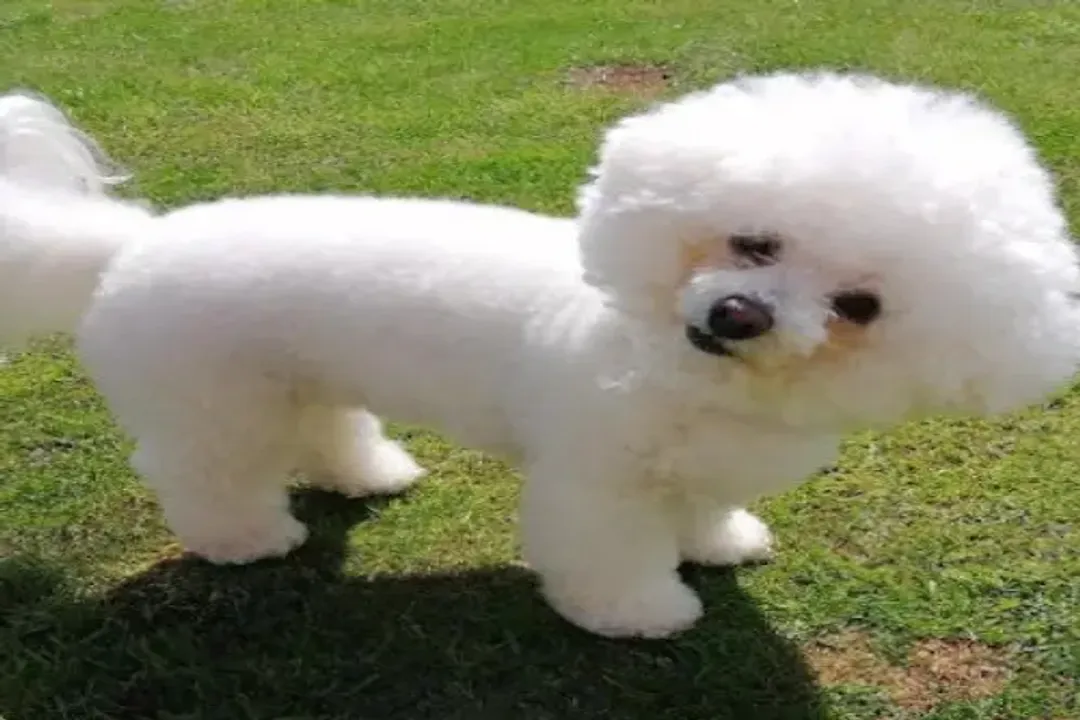
The feeding frequency is heavily dictated by the dog's life stage, a critical factor often overlooked when owners simply copy an adult feeding plan onto a puppy. [7]
# Puppy Schedules
Bichon puppies are tiny engines that burn fuel quickly and cannot go long periods without eating. They require a much more frequent feeding schedule than adults to support their rapid growth and development. [7]
- Young Puppies (up to 6 months): These little clouds often need to eat three to four times a day. [7] Their small stomachs cannot hold enough food to last all day, leading to potential low blood sugar if meals are spaced too far apart. [1]
- Adolescent Dogs: As they approach six months, you can often begin transitioning them down to the adult schedule of two or three meals daily, provided they are growing steadily and maintaining good weight. [7]
# Senior Adjustments
As Bichons enter their senior years, their metabolism may slow down, and they might become less active. This doesn't always mean feeding less often, but it often means monitoring portion size closely. [6][8] One owner of a very senior 15-year-old Bichon asked about feeding frequency, suggesting that older dogs might have different tolerances or needs depending on any concurrent health issues, like kidney concerns. [2][9] It is wise to stick to the two-meal-a-day standard for seniors unless a veterinarian advises otherwise, as stability is important for older systems, but watch for signs of lethargy or weight loss that might signal a need for smaller, more frequent nutrient boosts. [1]

# Portion Control

Frequency is only half the equation; the amount you feed is just as vital for maintaining a healthy coat and preventing obesity, a common issue in smaller breeds. [4] A Bichon Frise's food intake should be based on the specific food's calorie density and the dog's ideal weight, not simply the volume recommended on the bag for a generic "small dog". [8] The recommended daily amount, regardless of how you divide it (two or three times), should be carefully measured using a standard measuring cup or, even better, a small kitchen scale for accuracy. [4] If you are feeding a high-quality kibble formulated for small breeds, it will be nutrient-dense, meaning you feed less volume but get more nutritional value. [4]
For instance, if a particular food suggests a total of one cup per day for a 12-pound adult:
- Two Meals: Feed 1/2 cup in the morning and 1/2 cup in the evening.
- Three Meals: Feed approximately 1/3 cup for each of the three feedings.
It is often beneficial to coordinate the feeding schedule with your own daily rhythm to ensure success. Establishing fixed mealtimes—perhaps 7:00 AM and 5:30 PM—creates a predictable structure. This predictability is incredibly useful not just for digestion, but because it allows you to accurately associate urination and defecation times with recent meals, helping to manage house-training success when they are outside shortly after eating. [5]
# Life Stage Feeding Summary
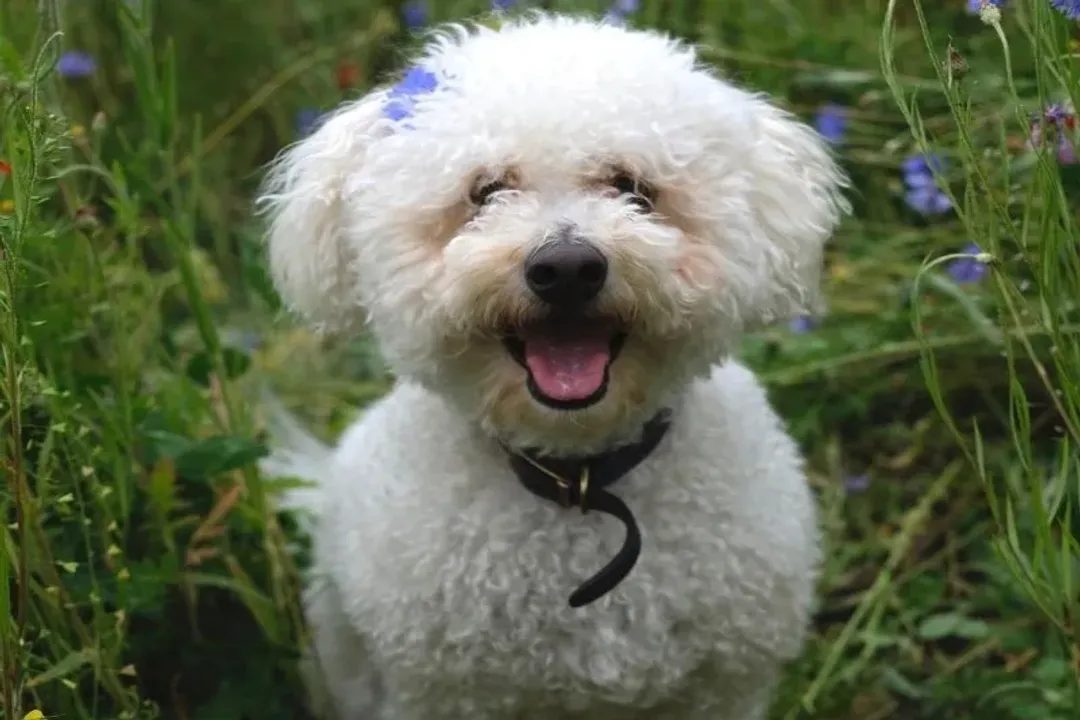
To provide a clearer picture of how frequency changes over a Bichon's life, here is a general guideline synthesized from breed care information:
| Life Stage | Suggested Frequency | Primary Goal |
|---|---|---|
| Puppy (Under 6 months) | 3–4 times daily | Fueling rapid growth and maintaining blood sugar |
| Adult (1 year +) | 2–3 times daily | Maintaining stable weight and digestion |
| Senior (Approx. 8 years +) | 2 times daily (Adjust for health) | Maintaining weight; easy digestion |
| [5][7][8] |

# Watching Health Cues
Ultimately, the absolute best indicator that your feeding frequency is correct is your dog’s physical condition and behavior. [1] A Bichon eating the right amount, at the right time, will exhibit a healthy, energetic demeanor and maintain a proper weight where you can easily feel the ribs without pressing hard. [6] If your dog consistently acts frantic or excessively hungry shortly before the next scheduled meal, you might need to slightly increase the amount per meal or consider adding that third meal back into the rotation, assuming their total daily caloric intake remains appropriate. [1][7] Conversely, if the dog consistently leaves food behind, you might be feeding too much at one time, or perhaps the timing needs adjustment if they are waiting too long between meals, causing loss of appetite. [9] Never leave food out all day, as this leads to overeating, rapid weight gain, and poor appetite control. [7] Free-feeding is generally discouraged for Bichons due to their tendency toward obesity and the inability to track how much they actually consume. [5]
Related Questions
#Citations
Dietary Needs of the Bichon Frise | PetCareRx
Question - how often should a 1.5-year-old dog have meals in a day?
How many times a day should I feed my bichon and how much?
Best Dog Food for Bichon Frise: A Comprehensive Nutritional Guide
Bichon Frise Nutrition Guide: Safe Foods & Feeding Tips
Bichon Frise Dog Breed Guide - BorrowMyDoggy
Owner Reminder - Bichon Frise
Feeding Guide – Bichon Frise - Harringtons Customer Care
Feeding Guide for 9-Week Bichon Frise Puppies | Q&A - JustAnswer