How much should a Papillon eat per day?
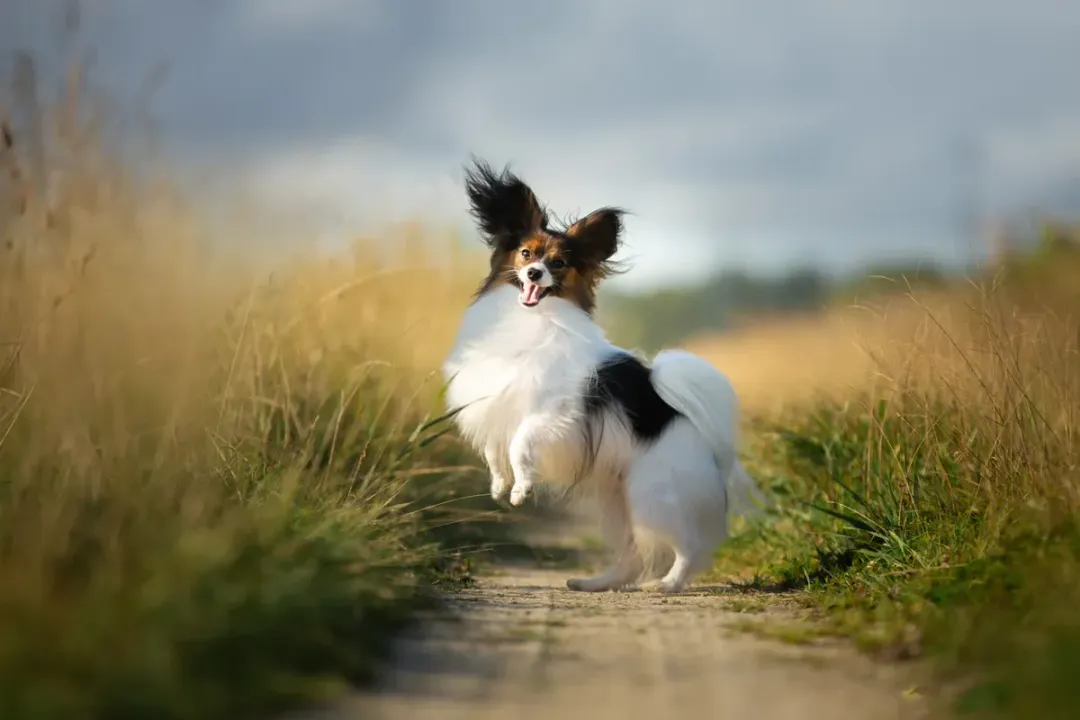
Determining the correct daily intake for a spirited little butterfly dog like the Papillon involves far more nuance than simply looking at a chart or guessing based on their small stature. These dogs possess surprisingly high energy levels for their size, meaning their food needs to be dense in quality nutrients to fuel that vitality, yet the volume of that food is quite minimal compared to larger breeds. [3][6] For many Papillon owners, the daily feeding quantity revolves around an amount as small as a quarter to a half cup of dry kibble daily, ideally split between two meals for the average adult. [6]
# Volume Versus Value
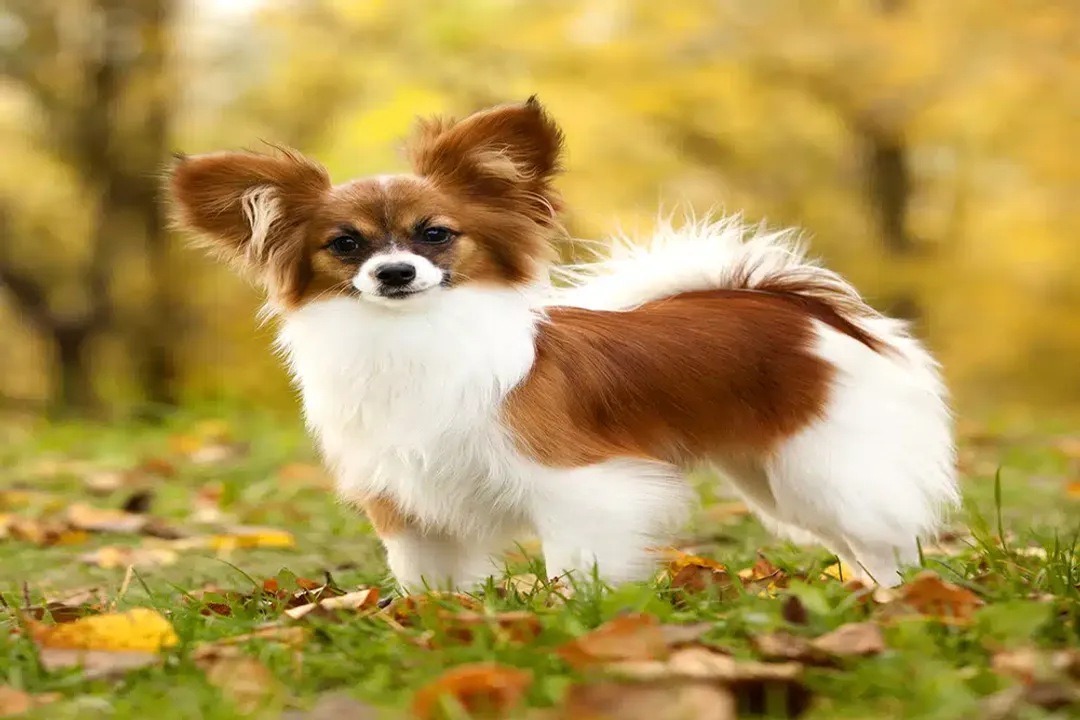
The key discrepancy in feeding small breeds often lies between the quantity of food recommended on the bag and the actual caloric density of what is in the bowl. [4][6] Manufacturers often base their feeding guides on averages that may not account for the Papillon's naturally fast metabolism or, critically, whether the dog has been spayed or neutered. [4] An altered Papillon, for instance, may need significantly less—sometimes as little as one-quarter cup daily—to maintain a healthy weight, as hormonal changes can lead to quicker weight gain. [4]
This brings up an important point regarding food type. When comparing traditional kibble—which can contain 30 to 60 percent starch—to fresher, minimally processed options, the required volume changes drastically. Human-grade fresh foods tend to be lower in carbohydrates and higher in bioavailable protein and moisture. If you switch from a dry kibble diet to a fresh or raw diet, you might find that your Papillon needs less volume but gains more nutritional benefit, making it vital to calculate the new amount based on the new food's calorie profile rather than sticking to the old cup measurement.
# Life Stage Intake
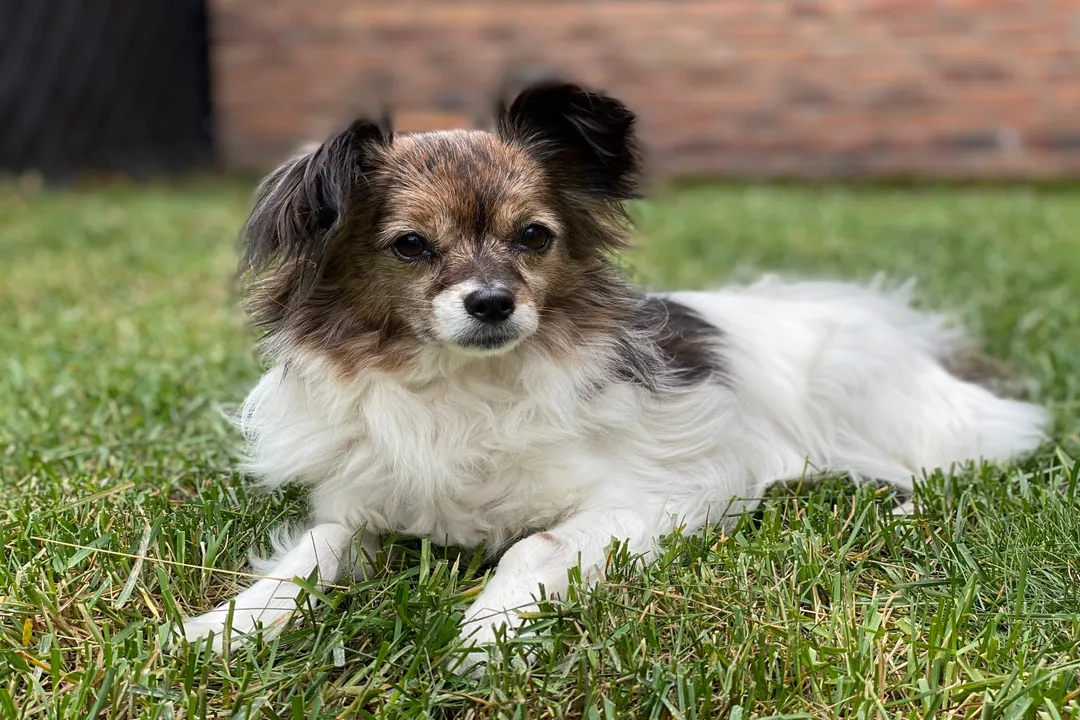
A Papillon’s nutritional demands shift dynamically from puppyhood through their senior years, requiring owners to adjust feeding schedules and amounts accordingly.
# Puppy Needs
Papillon puppies are undergoing rapid development—building strong bones, developing their brains, and fueling that intense puppy curiosity. [3] They need higher caloric intake and more frequent meals than adults to keep their blood sugar stable and prevent hypoglycemia, a concern for many toy breeds. [6]
- Frequency: Aim for three to four meals per day. [3][6]
- Volume Estimate: While one guideline suggests 1/4 to 1/3 cup per meal for a lively puppy, [3] another source notes a 3-month-old, 2-pound puppy might only consume about 1/4 cup total per day initially due to environmental stress, highlighting the need for observation over strict adherence to charts. [5]
- Transition: They typically reach full growth around 9 to 12 months, at which point you should begin transitioning from puppy formula to adult food over 7 to 10 days to prevent digestive upset.
# Adult Maintenance
Once mature (around 9 to 12 months), the focus shifts from growth to maintenance, balancing energy needs with preventing obesity. [6]
- Frequency: Most owners find twice daily feedings (morning and evening) sufficient. [6]
- Volume Estimate (Dry Food): The consensus suggests 1/4 to 1/2 cup total per day. [6] As noted, some responsible owners adhere to as little as 1/4 cup total for an altered adult, instructing owners to ignore the bag’s recommendations. [4]
# Senior Adjustments
As Papillons pass age 8, their metabolism naturally slows down. [6]
- Volume Estimate: The general advice is to reduce their food slightly to accommodate lower activity levels and prevent unnecessary weight gain, while focusing on nutrients that support aging joints. [6] Incorporating easier-to-eat options, like wet food, can also be beneficial. [3]

# Judging Condition Over Cups
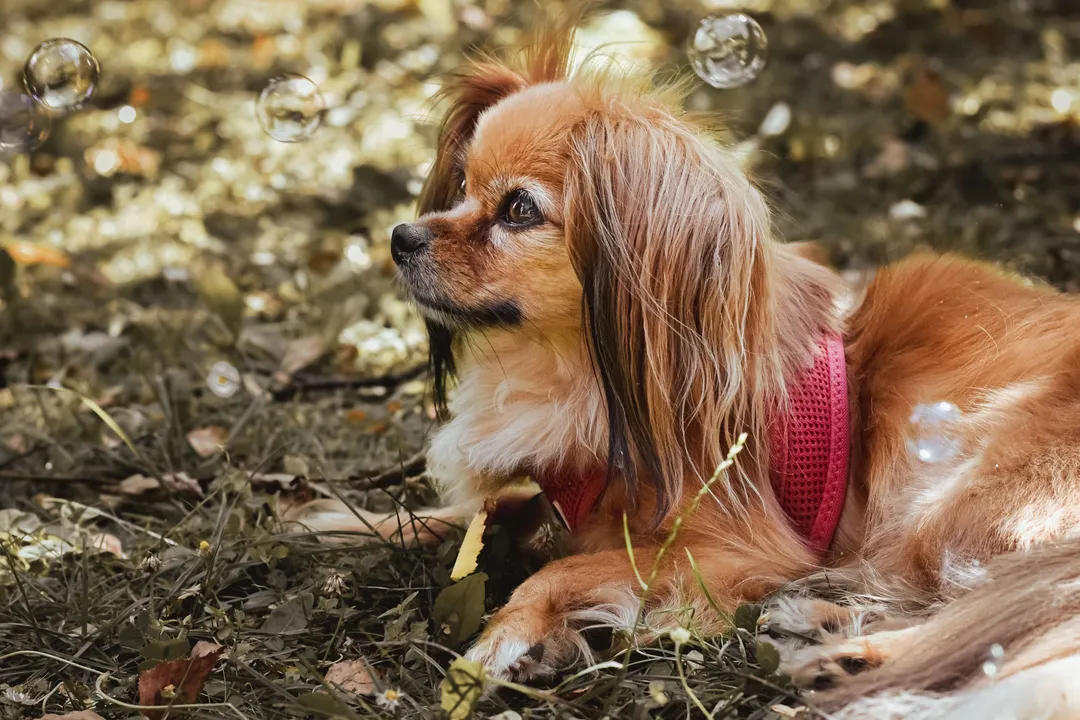
The most reliable way to gauge if your Papillon is eating the right amount is to assess their body condition, not their measured intake. [4] The quantity of food is secondary to the visual and physical feedback your dog provides.
The ideal Papillon body condition is described by these tactile and visual cues:
- Rib Check: You should be able to easily feel their ribs when running your hands along their side. [4] Crucially, you should not be able to see the ribs sticking out. [4]
- Waistline: When viewed from above, your dog should exhibit a slight waist or tuck behind the rib cage. [6]
If you cannot easily feel the ribs, you are likely overfeeding, even if you are sticking strictly to the amount listed on the dog food bag. [4] This physical assessment must be done regularly, as the amount you feed should always be tailored to their current body condition, not just a fixed daily routine. [4]
# Managing Fickle Appetites
Papillons can sometimes be less than enthusiastic about mealtimes, which can cause significant anxiety for an owner accustomed to feeding charts. [4][5] It is essential to differentiate between true hunger, pickiness, and underlying health issues. [4][6]
# Root Causes and Quick Fixes
If your Papillon turns up their nose at their meal, the cause is often behavioral rather than a lack of appetite due to illness, unless they are unexpectedly losing weight or showing other symptoms like lethargy or vomiting. [4][6]
- Routine Training: One expert suggests that pickiness develops when an owner reinforces the behavior by switching foods or adding exciting toppers like canned food. [4] A structured approach involves offering a measured amount of their regular food for a short window—say, 15 to 30 minutes. [4] If they refuse, the food is removed until the next scheduled mealtime, with no other options offered. This teaches the dog that the available food must be eaten when presented. [4]
- Stress and Adjustment: A new puppy may refuse food due to the stress of a new environment; in this case, patience, positive reinforcement, and ensuring adequate hydration are key while waiting for them to settle in. [5]
- Flavor Enhancement: If you prefer a gentler approach than timed feeding, you can enhance flavor by moistening the kibble with water or adding a flavorful, low-sodium broth or a small amount of wet food as a topper. [5][6]
# Actionable Weight Management Checklist
Since Papillons are prone to becoming overweight quickly due to their small size and tendency to be spayed/neutered, precise management of all caloric intake is paramount. Think of their daily allotment like a budget:
| Calorie Source | Recommended Practice | Notes/Adjustments |
|---|---|---|
| Main Meal | Measure precisely using a standard measuring cup or, ideally, a small kitchen scale for consistency. [4] | If feeding human-grade/raw, use the manufacturer's guide based on ideal body weight, not current weight if they are overweight. |
| Treats/Training | Limit treats to a very small portion of their total daily calories. [6] | If you use high-calorie treats (like small pieces of cooked chicken or deli meat) frequently during training, you must subtract that caloric value from the main meal serving. [4][6] |
| Supplements | Ensure any high-calorie supplements (like certain oils or chews) are accounted for in the total daily energy budget. | Bone broth is great for hydration but can add nominal calories if overused. |
| Monitoring | Check body condition (feel the ribs) every week until a stable, healthy weight is achieved, then monitor monthly. [4] | If the dog is gaining weight, reduce the main meal portion by 5% and observe for two weeks before adjusting again. |
# Hydration and Nutritional Integrity
While not strictly about the amount of food, the quality of hydration and food directly affects how efficiently the Papillon uses the small amount they eat. Because Papillons are small and can be prone to issues like hypoglycemia if they go too long without fuel, maintaining consistent hydration is crucial to support digestion and nutrient absorption. [6] Offering fresh water constantly is essential, and adding a moisture-rich element like bone broth—which also provides gut-soothing collagen—to meals can support overall vitality.
When selecting food, understanding the difference between feed-grade ingredients, which may include lower-quality byproducts, and human-grade ingredients is a valuable step for an owner focused on optimal nutrition. Because these tiny dogs burn through calories quickly, making sure that small portion is packed with bioavailable, high-quality protein and essential fats, rather than cheap, starchy fillers, is the single most effective way to support their energetic lifestyle.
Ultimately, establishing a consistent feeding time and strictly adhering to body condition monitoring will guide you far more accurately than any chart when answering how much your individual Papillon needs each day. [4][6] Their daily requirement is measured in ounces, but the payoff in health is immeasurable.
Related Questions
#Citations
My Papillon is picky with food. How can I get him to eat more?
Caring for Your Papillon Dog: Easy Care Guide
How much does your pup eat? : r/papillon
What's the Best Dog Food for a Papillon?
How Much Do You Feed a Papillon