Do cormorants eat snakes?
The dietary preferences of cormorants center overwhelmingly on aquatic life, with fish forming the staple of their meals across the globe. [2] These dark, diving birds are highly adapted pursuit hunters, using their powerful feet to propel themselves underwater in search of sustenance. [1] While their reputation is tied to their fishing prowess, the specific menu changes depending on where a colony resides and the species involved. [2] Besides schooling fish, their intake often includes crustaceans, aquatic insects, and, importantly for this discussion, various amphibians. [2] This documented inclusion of amphibians provides a biological bridge toward considering reptiles, such as snakes, as a potential, albeit less common, food item within their opportunistic feeding spectrum.
# Primary Prey
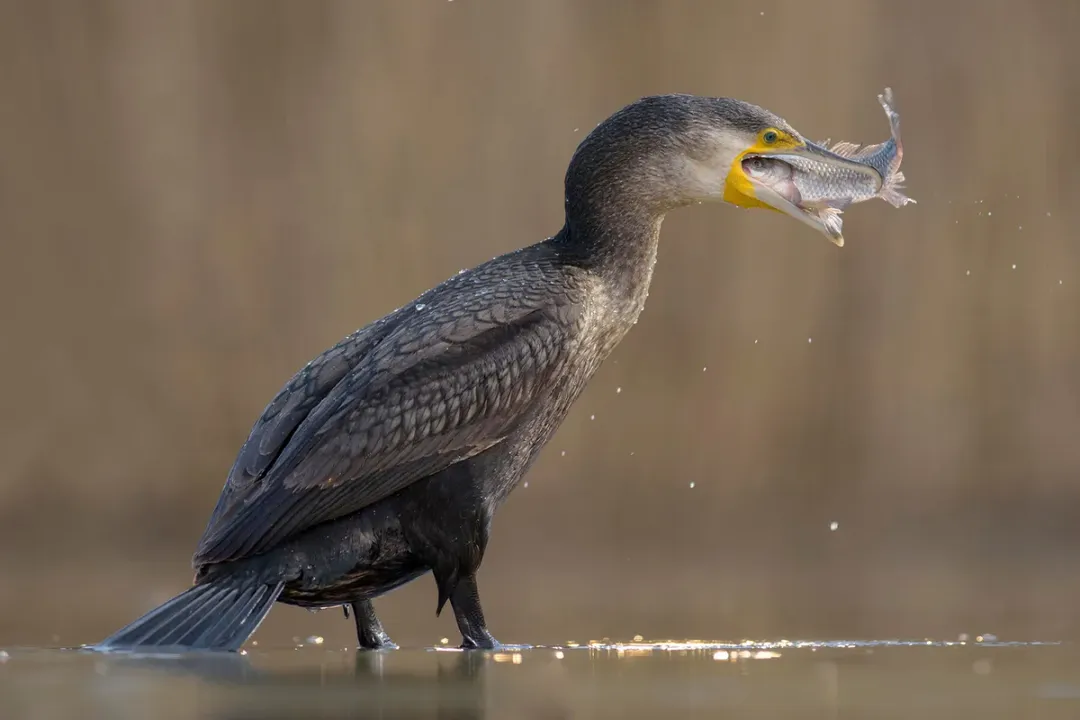
Cormorants are expert anglers, often diving dozens of times an hour when food is plentiful. [2] A successful dive usually results in the bird capturing a single item before returning to the surface. [8] In many North American locales, species like the Double-crested Cormorant heavily target fish species common in their aquatic environments, such as carp, catfish, suckers, and shad. [5] The exact composition of the catch—whether it is saltwater or freshwater species—dictates the required hunting environment, leading to regional specialization. [2] For instance, coastal cormorants feed heavily on marine life, whereas those inhabiting inland lakes concentrate on freshwater inhabitants. [2]
# Reptile Confusion
When the topic turns specifically to snakes, the common perception often becomes blurred with another similar aquatic bird: the Anhinga. [6] The Anhinga is sometimes colloquially referred to as the "snakebird" because of its long, thin neck, which remains visible above the water when the rest of its body is submerged during stalking. [7] Anhingas are known to prey on snakes, as well as turtles and eels, making them more frequently associated with reptile consumption than their cormorant counterparts. [6][7] It is crucial for keen observers to differentiate between the two species, as the bird actively known for swallowing long, snake-like prey in one gulp is usually the Anhinga. [6]
# Hunting Style
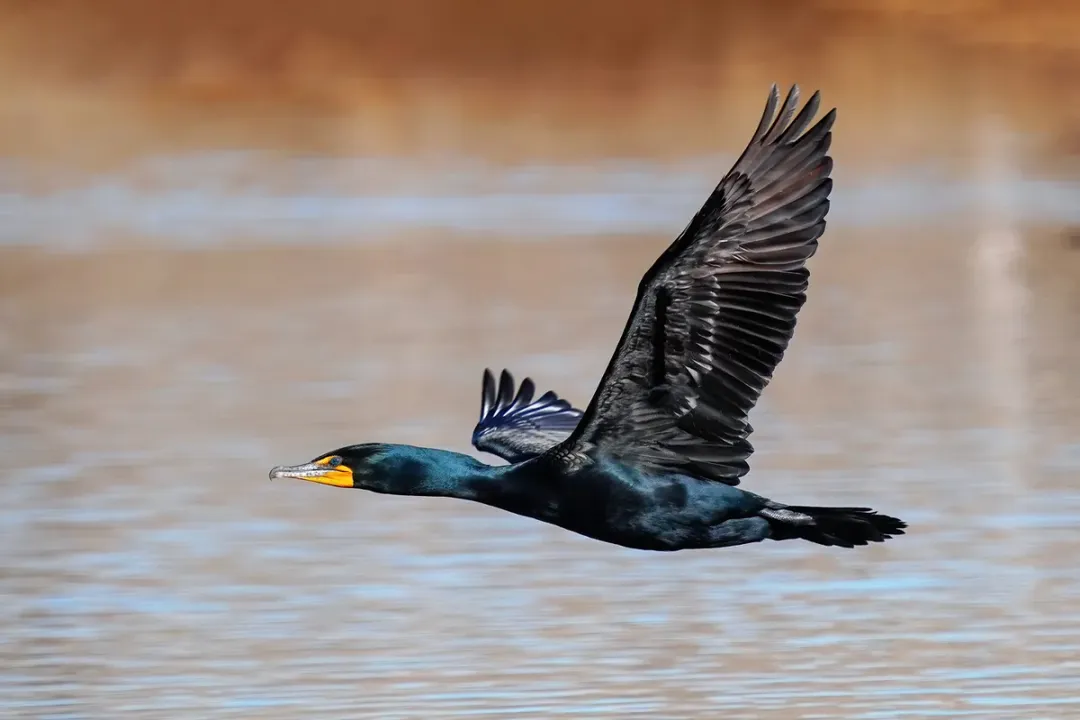
The mechanics of how a cormorant handles its catch speak volumes about its suitability for eating reptiles. Once prey is captured underwater, the cormorant resurfaces and must manipulate the item before swallowing it whole, always headfirst. [8] This orientation prevents sharp fins or scales from snagging its throat during ingestion. [8] Fish are typically tossed into the air and caught correctly down the gullet. [8] This process is efficient for streamlined, tapered prey like fish, but it requires a different handling technique for thicker or more angular creatures. The sheer volume of fish they consume suggests that consuming an entirely different class of vertebrate, like a snake, would likely be an occasional deviation rather than a dietary mainstay, reserved for times when preferred prey is scarce or a suitable small snake is encountered near the water's edge. [2]
# Habitat Influence
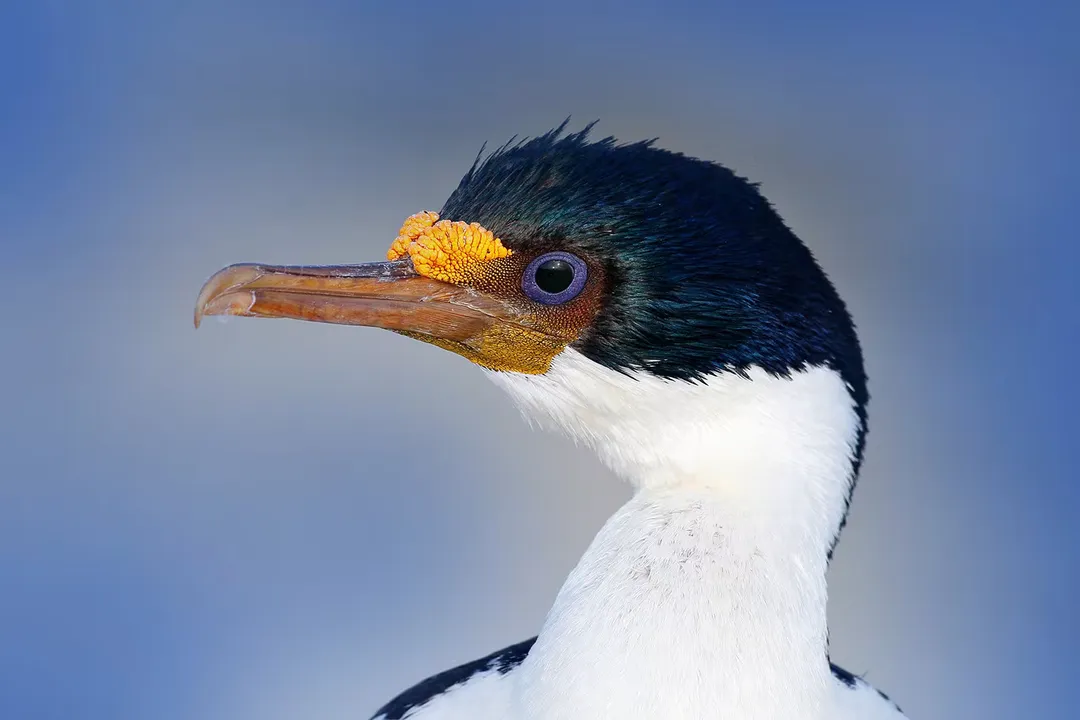
The likelihood of a cormorant encountering and consuming a snake is directly proportional to the overlap between their respective habitats and the local prevalence of small, aquatic reptiles. While the general diet remains fish-centric, consider a scenario in a slow-moving, marshy area in the American Southeast where both the Double-crested Cormorant and the Anhinga reside. [7] In such an environment, the opportunity for a cormorant to consume a small water snake might increase simply due to availability, even if the bird instinctively prefers a fish of comparable size and nutrient profile. [2] In stark contrast, a cormorant living on a remote, rocky Pacific coast is significantly less likely to encounter a terrestrial or semi-aquatic snake than it is to find schooling herring.
# Bird Identification
Understanding the physical differences between the two birds helps clarify why one is famed for eating snakes while the other is not. Cormorants generally have a thicker, slightly hooked bill designed for grasping slippery fish. [6][7] They also tend to have a more robust, stocky body structure relative to their size. [6] Anhingas, on the other hand, possess a much longer, more slender bill that ends in a very sharp point, resembling an ancient spear or dagger—an adaptation that assists in stabbing slippery prey like eels or snakes, rather than just grasping them. [6][7] When observing a large dark waterbird feeding, noting the bill shape is often the quickest way to determine if you are watching a grasping fisher or a spearing predator. [6]
# Post-Hunt Behavior
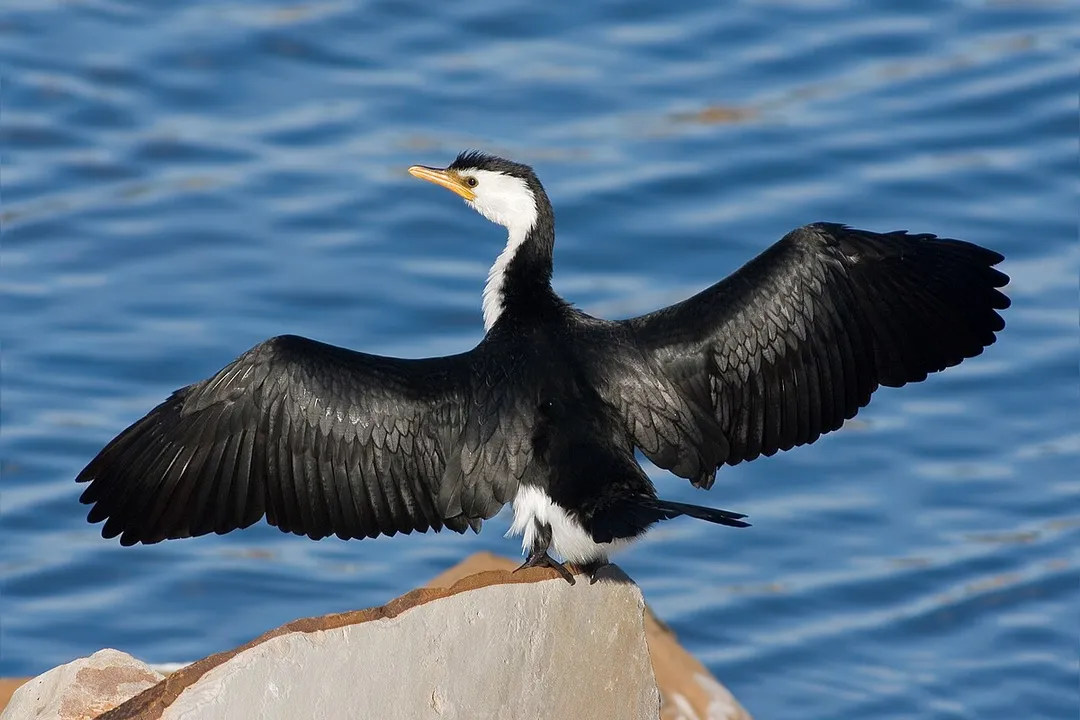
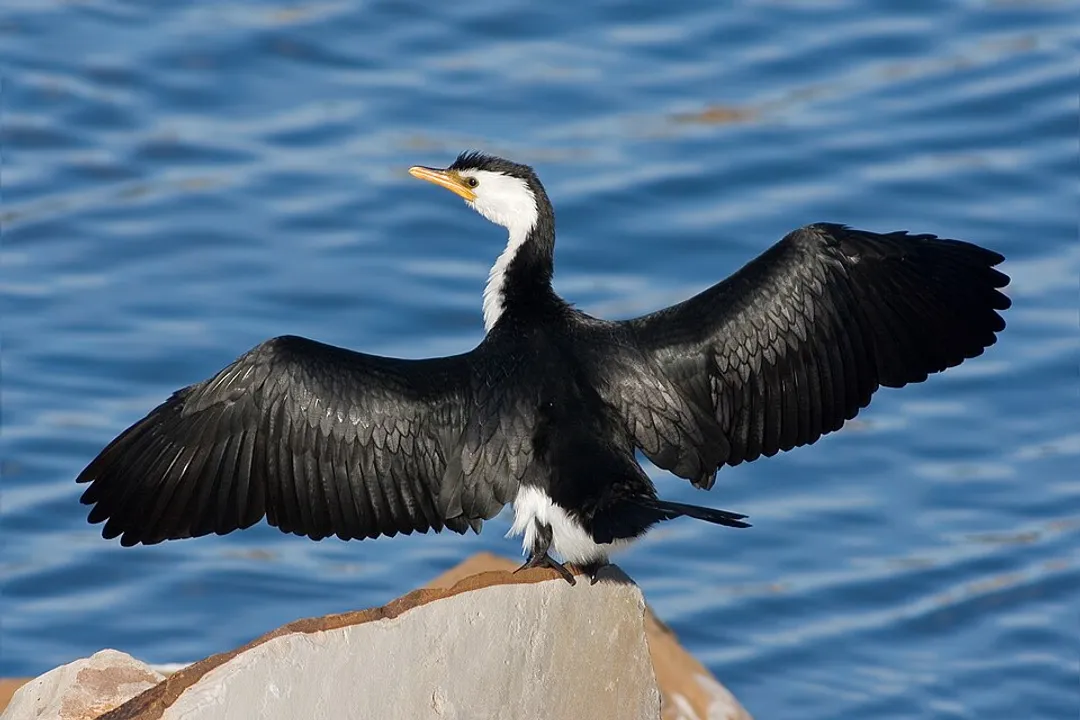
Another key differentiator lies in how these birds behave immediately after a successful foraging bout. Cormorants are famous for their "sunbathing" posture; they often perch with their wings fully spread out in an attempt to dry their feathers. [1][4] This behavior is necessary because, unlike ducks, their feathers are not completely waterproof, allowing them to dive more easily. [1] Anhingas also dry their wings, but their overall shape and the spear-like bill remain the most reliable field marks for distinguishing them from cormorants, especially when viewing them perched on branches near the water's surface. [6][7] If you see a large, dark waterbird drying its wings, remember that the bird with the thicker neck is likely the cormorant, while the one with the extremely elongated neck resembling a stick protruding from the water is the Anhinga, the bird more strongly linked to consuming snakes. [6] This post-dive ritual provides a reliable viewing opportunity to confirm the identity of the bird that has just finished a meal, whether it was a bass or perhaps an aquatic reptile. [1][4]
Related Questions
#Citations
Cormorant - Wikipedia
What Do Cormorants Eat? (Complete Guide) - Birdfact
Wildlife Guide: Cormorant Facts - Quark Expeditions
Cormorants eat small eels, fish, and water snakes - Facebook
Double-crested Cormorant | Audubon Field Guide
Anhinga or Cormorant- How to Tell the Difference
[PDF] Anhinga Double- crested Cormorant
A cormorant swallowing a fish, this is possible due to their unique ...
First experience with Cormorants - Pond Boss Forum