How long do boxwood moths live?
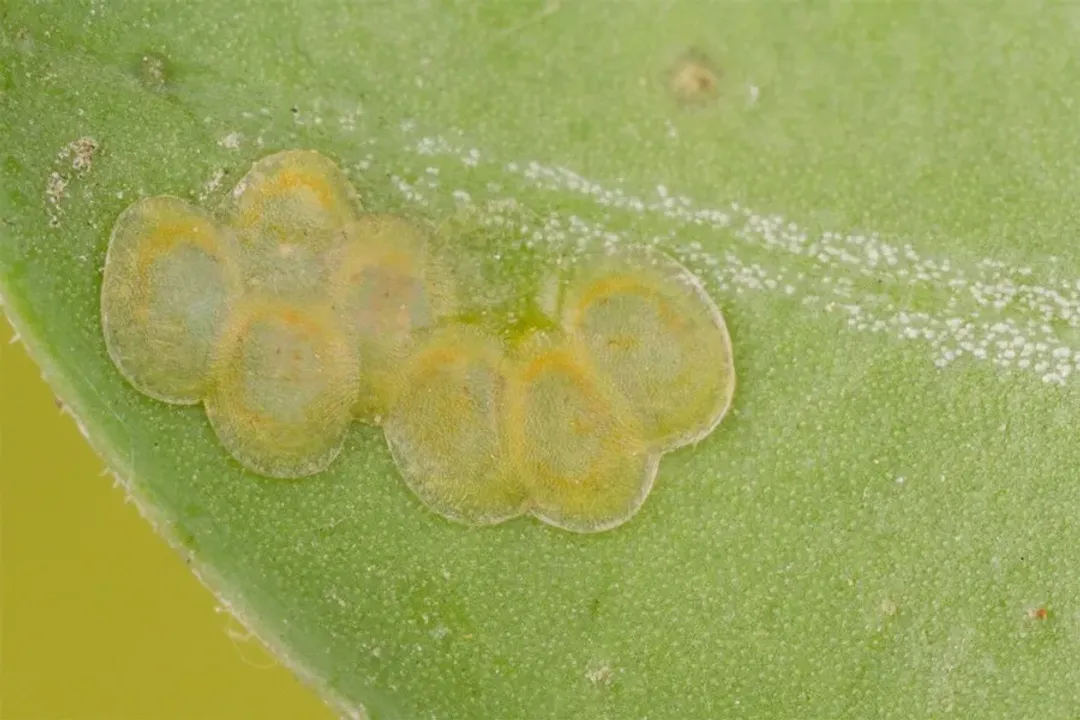
The appearance of the box tree moth, Cydalima perspectalis, marks a significant concern for anyone cultivating those iconic, meticulously pruned boxwood hedges and topiaries. While the sight of the adult moth flitting about might seem like a fleeting summer nuisance, understanding the duration of its life cycle—from tiny egg to destructive larva and finally to the adult flyer—is key to effective management. The lifespan of the box tree moth is not a single, simple number; rather, it is a cycle broken into distinct phases, each with its own timeline, heavily influenced by the warmth of the season.
# Adult Flight Time
When most people wonder how long boxwood moths live, they are usually referring to the winged, adult stage that emerges from the pupa. This flying insect, which is responsible for mating and laying the next generation of eggs, actually has a surprisingly brief tenure. The adult moth typically lives for only about one to three weeks. This relatively short adult life span is efficient for the species, as its sole biological purpose during this time is reproduction. The adult moths are generally active during the warmer months of the growing season.
If you spot the adult moths fluttering around your garden in late spring or early summer, you are witnessing the first wave of the season. They are quite distinctive, often appearing white with dark borders, or sometimes entirely dark (black or brown). Recognizing their brief window of activity is crucial because management efforts focused only on this stage are rarely sufficient to control a heavy infestation, given their rapid egg-laying capabilities.
# Larval Duration
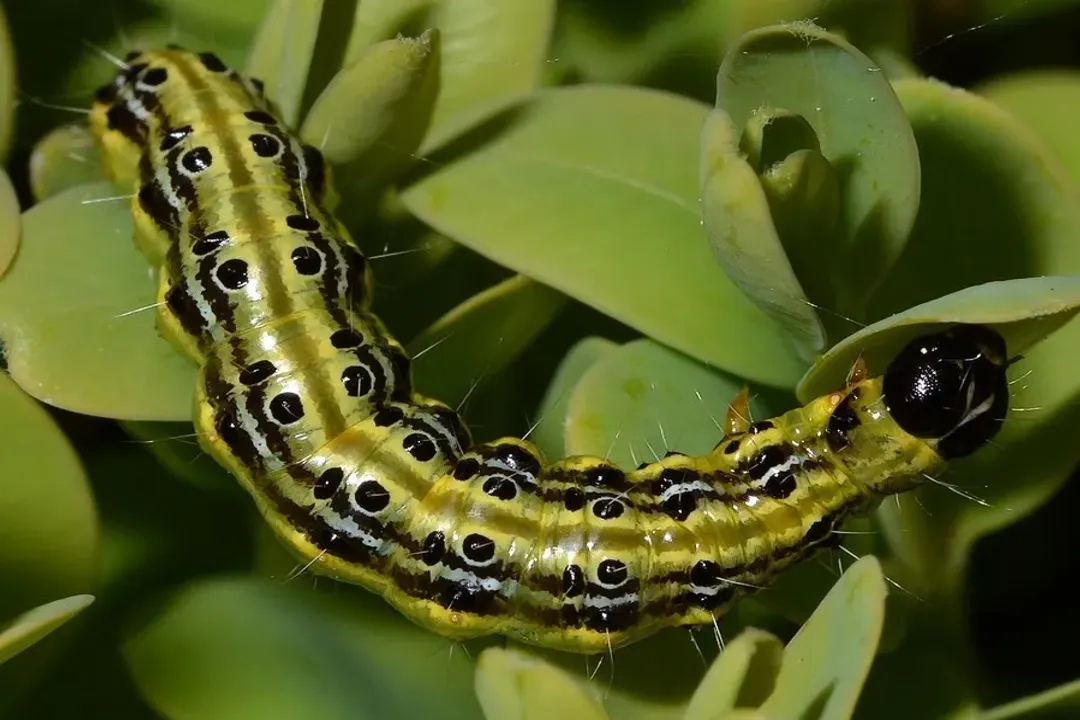
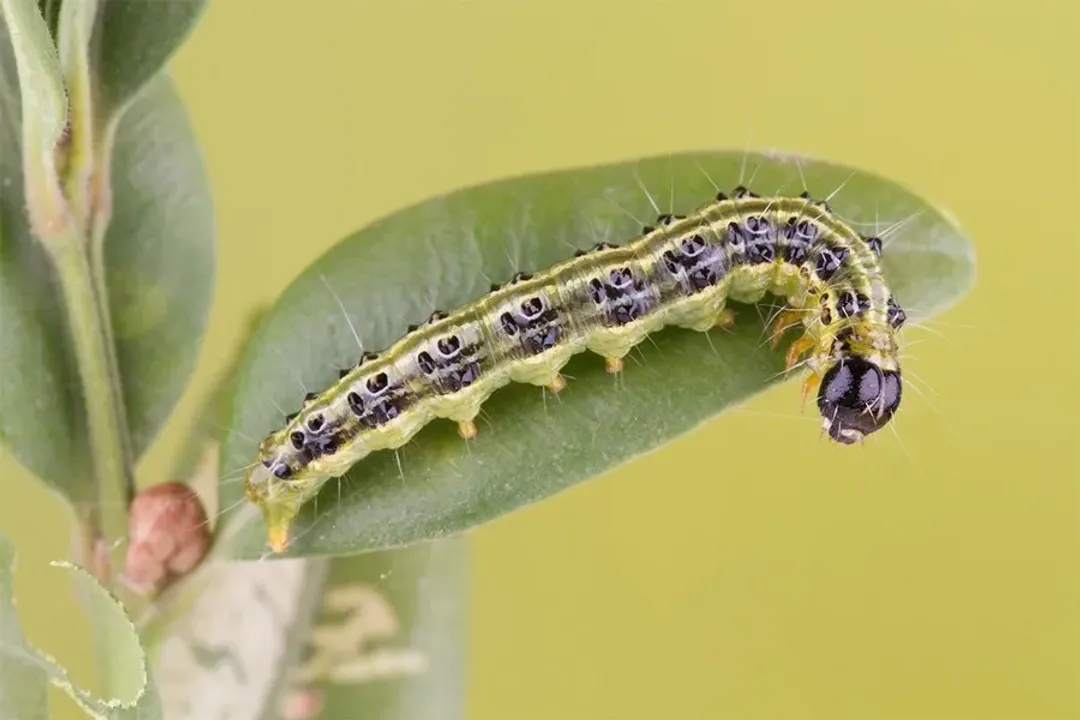
The true powerhouse of damage, and the stage that occupies the majority of the box tree moth’s existence, is the caterpillar, or larval stage. This is where the insect consumes the foliage, often creating visible bare patches or skeletonized leaves on boxwood plants. The duration of the larval stage is far more variable than that of the adult moth, primarily dictated by temperature and food availability.
In favorable, warm conditions, the caterpillars develop quickly, passing through several instars (growth stages) over a matter of weeks. However, the larvae are the stage that endures the winter. In climates experiencing cold winters, the caterpillars will typically enter a diapause, essentially pausing their development to survive the cold temperatures. This overwintering phase means that some larvae can persist for many months before resuming feeding and pupating the following spring.
When considering management, this prolonged larval existence explains why simply removing a few caterpillars found in the fall may not eliminate the problem; others might be tucked away, waiting for spring warmth to trigger their next molt. The survival of the larvae through winter is the most significant factor in predicting the severity of the following year's infestation.
# Generations Per Year
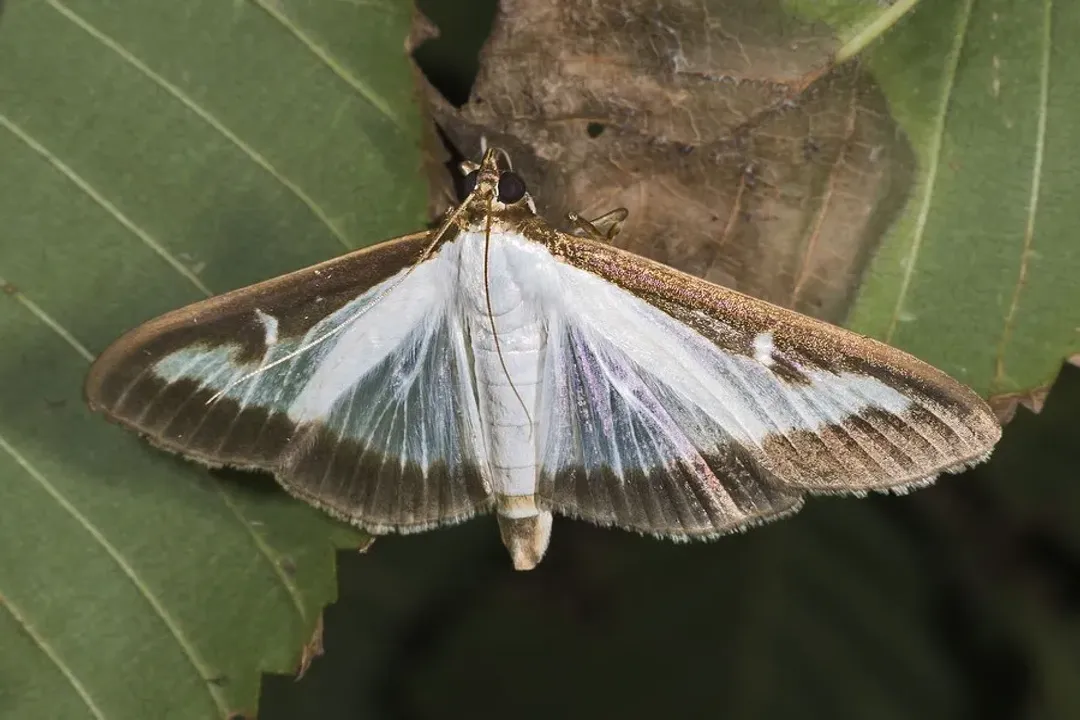
A critical aspect influencing the overall impact and perceived duration of the pest's presence is how many generations the moth produces within a single growing season. Box tree moths are known to be multivoltine, meaning they can complete multiple life cycles annually depending on the local climate.
In warmer regions, such as the southern parts of their invaded range, the species can produce two or even three overlapping generations throughout the year.
- First Generation: Adults emerge in spring/early summer, lay eggs, which hatch into larvae that feed through mid-summer.
- Second Generation: These larvae develop and pupate, with adults emerging later in the summer to lay eggs for the third brood, or simply to overwinter as larvae if the season is winding down.
This rapid succession is why the problem can escalate so quickly. If the adult moth only lives for two weeks, a new batch is ready to lay eggs almost immediately after the previous one has completed its job. This multi-generational capability means that while the adult moth lives only a short time, the pest pressure from larvae can last from spring until the first hard frost.
To illustrate the timing difference, consider a region where the first flight occurs around late May. If the larval stage for that generation takes six weeks to mature, and the adult lives for two weeks before reproducing, the second generation of larvae begins feeding in mid-July. This cycle repeats, creating continuous feeding pressure rather than distinct, isolated outbreaks. This layering effect is something gardeners must account for when deciding when to apply preventative treatments.
# The Complete Life Cycle Timing
Putting all the stages together reveals why managing the box tree moth requires year-round vigilance. The entire cycle from egg to the death of the resulting adult moth can span from a few weeks in the height of summer to nearly a full year if the final larval stage overwinters.
| Life Stage | Typical Duration (Warm Season) | Critical Activity |
|---|---|---|
| Egg | 3–10 days | Hatching |
| Larva (Caterpillar) | 4–8 weeks (non-overwintering) | Foliage feeding, damage |
| Pupa (Chrysalis) | 10–20 days | Transformation |
| Adult Moth | 1–3 weeks | Reproduction and dispersal |
| Overwintering Larva | 6–9 months | Dormancy |
The time an individual moth lives as an adult is negligible compared to the time spent as a larva waiting for ideal conditions or surviving winter. For instance, a caterpillar hatching in September might spend nine months as a larva before pupating in late May, while a summer larva might complete its feeding cycle in just five weeks. This stark contrast highlights that focusing solely on the adult moth's short lifespan misses the main biological strategy of this invasive pest.

# Environmental Influence on Lifespan
The environmental context, particularly temperature, acts as the master switch controlling the pace of the box tree moth's development. Warmer springs and extended autumns directly translate to longer periods of pest activity and the potential for more full generations within a season.
In areas where freezing temperatures are rare or temperatures remain mild late into the year, the larval stage may continue feeding well into what would typically be considered late fall, perhaps even allowing for a partial third generation before the deep cold sets in. Conversely, a sudden, sharp drop in temperature in the fall can halt the development of later-stage larvae, effectively "freezing" the population in the overwintering larval stage until spring.
Understanding the local climate patterns allows growers to anticipate when the first significant flight might occur and, more importantly, when the subsequent larval generations are likely to be active feeders. For example, knowing the average last frost date helps predict when the overwintered larvae will resume feeding vigorously enough to warrant scouting and treatment, which is often a more effective intervention window than waiting for the adult moths to appear later in the season. If an area typically experiences warm springs, an earlier-than-average emergence of the first adult generation should be expected, shortening the window available for preparatory action against the first wave of caterpillars.
# Practical Implications for Management
Because the adult moth has such a short lifespan, broad-spectrum pesticide applications timed to hit the flying adults are often inefficient. It's a classic case where the most vulnerable, damaging stage is not the adult flyer. The adult's primary role is to ensure the continuation of the species by producing eggs that hatch into the damaging larvae. Therefore, effective control strategies often pivot toward monitoring and targeting the larval stages when they are actively feeding.
One technique to gauge the activity level of the adult population, even if you cannot effectively eliminate them in their short flight window, is using pheromone traps. While these traps capture males and provide an indication of the moth presence and flight timing, they do not solve the problem. They serve as a warning system: once traps start catching significant numbers, gardeners know that egg-laying is occurring, and they must prepare to monitor for the tiny new caterpillars that will emerge shortly thereafter. A single adult moth laying eggs is far less concerning than a large number of them flying over several days, resulting in thousands of tiny larvae beginning to feed simultaneously.
When inspecting plants, remember that the youngest caterpillars are very small and feed deep within the interior of the boxwood where the foliage is thickest, often making them easy to miss until their feeding causes noticeable damage. By the time you see the tell-tale signs of skeletonized leaves or webbing, the larvae may already be large and close to pupation, potentially having already produced the next generation of adults that will soon emerge to repeat the cycle. Managing this pest demands a perspective shift from "killing the moth" to "interrupting the larval cycle" across multiple overlapping generations throughout the warm season.
Related Questions
#Citations
Cydalima perspectalis (Walker) – (Box tree moth) – Fact sheet
Safeguard against spreading the invasive box tree moth
Box Tree Moth - Penn State Extension
Box Tree Moth | Extension | West Virginia University
Box Tree Moth | Davey Tree
[PDF] Pest Alert: Box Tree Moth - usda aphis
box tree moth (Cydalima perspectalis (Walker, 1859)) - EDDMapS
Box Tree Moth (BTM) - Ohio Department of Agriculture