How long can an anglerfish live?
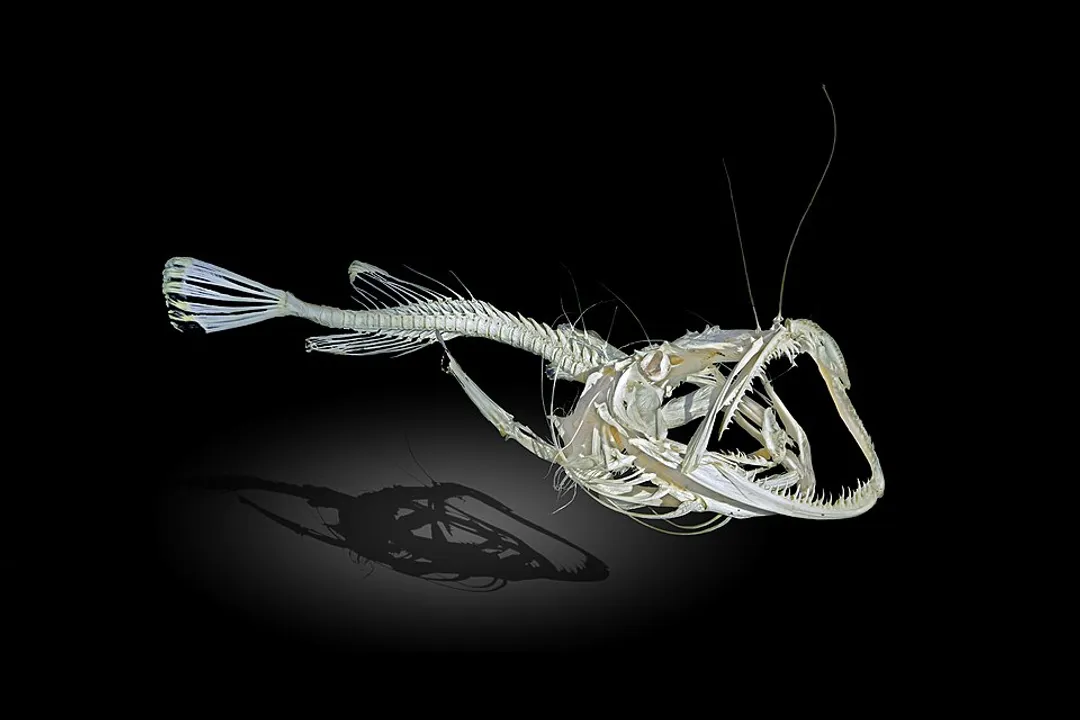
The lives of anglerfish are shrouded in the crushing dark and immense pressure of the ocean depths, making concrete data on their longevity difficult to capture. Despite this inherent mystery, scientists have pieced together some fascinating details about how long these unique predators survive, revealing a stark divide between their shallower-dwelling relatives and their truly abyssal counterparts. For many species, the general estimation for the lifespan of a female anglerfish reaches up to 25 years. However, when we look closer at specific families, the numbers become more nuanced, especially when contrasting the sexes.
# Species Longevity
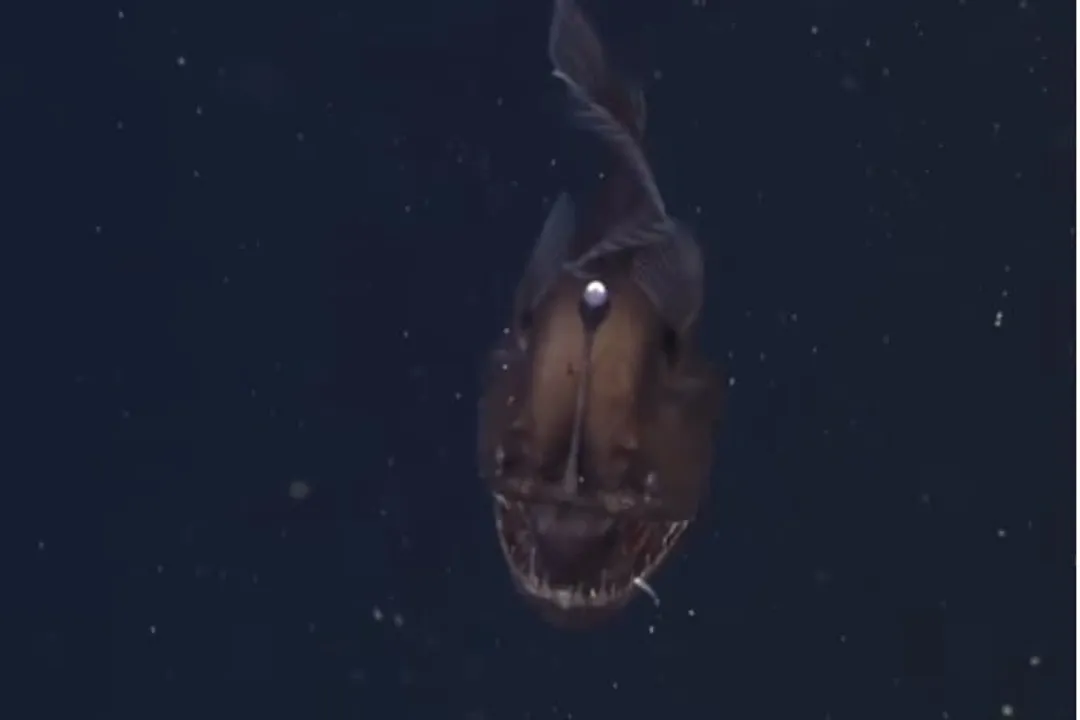
Focusing on the common anglerfish, Lophius piscatorius (often marketed as monkfish), researchers have established distinct life expectations for males and females. The females of this species are built for endurance, capable of living as long as 25 years in the wild. Males, conversely, have a slightly shorter projection, capable of reaching about 21 years. This difference is underpinned by their differing developmental timelines. A female L. piscatorius typically reaches sexual maturity around age 14, whereas the male is ready to reproduce much earlier, at just 6 years old. This gap in maturity suggests a significant investment of time and energy in female growth, as they must attain a far greater size to successfully reproduce and survive the demands of bearing their large egg masses.
When considering deep-sea anglerfish, such as the ceratioids, the general maximum lifespan estimate for the dominant female can extend even further, sometimes cited up to 30 years. However, in these extreme environments, the concept of an individual male lifespan becomes almost irrelevant due to their bizarre reproductive strategy.
# Parasitic Existence
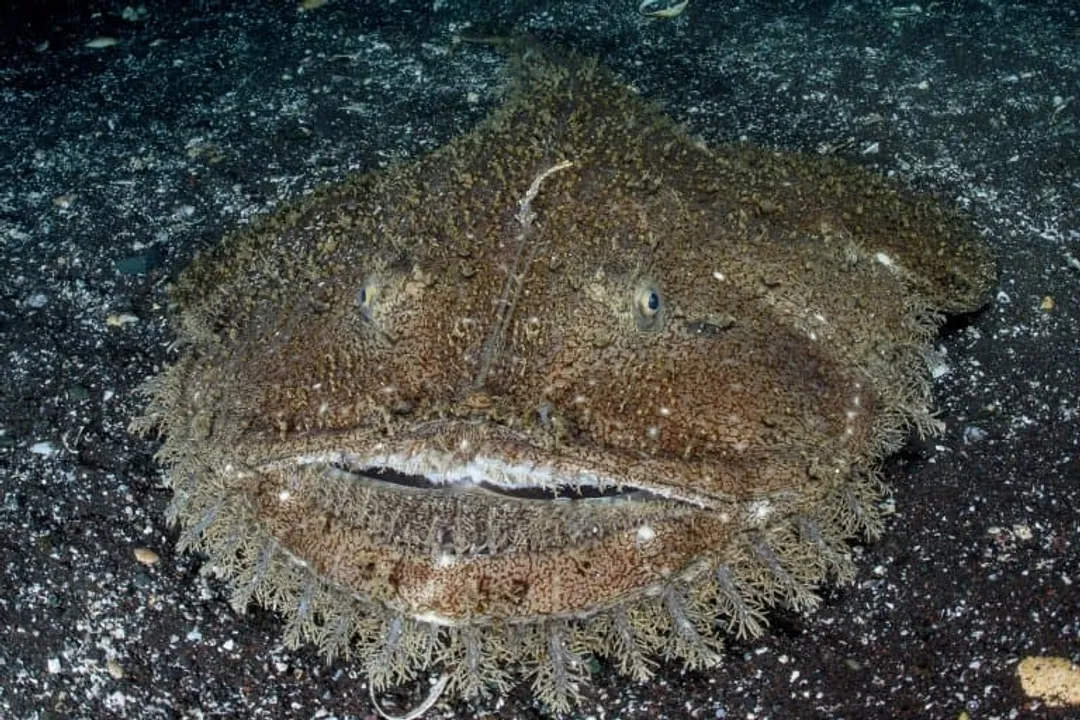
The most extreme illustration of sexual dimorphism in the animal kingdom is found among deep-sea anglerfish, where the male’s entire life path is dictated by the need to find a female. In many of these species, the male is a fraction of the female’s mass—in some cases, she can be more than 60 times his length. When the tiny male locates a female, often by scent in the pitch-black water, he bites onto her body. This bite initiates a fusion of tissues and circulatory systems, transforming the male into a permanent, parasitic appendage.
This parasitic attachment means the male is sustained by the female’s bloodstream for the remainder of his existence, essentially becoming a living sperm bank attached to his host. A single female may host several males simultaneously. This adaptation effectively eliminates the individual mortality risk associated with a free-swimming male continually searching for a mate in the energy-poor abyss. While the female’s lifespan remains the limiting factor for this reproductive unit, the male trades his independent life for guaranteed reproductive success that might last for decades.
# Environmental Pressures
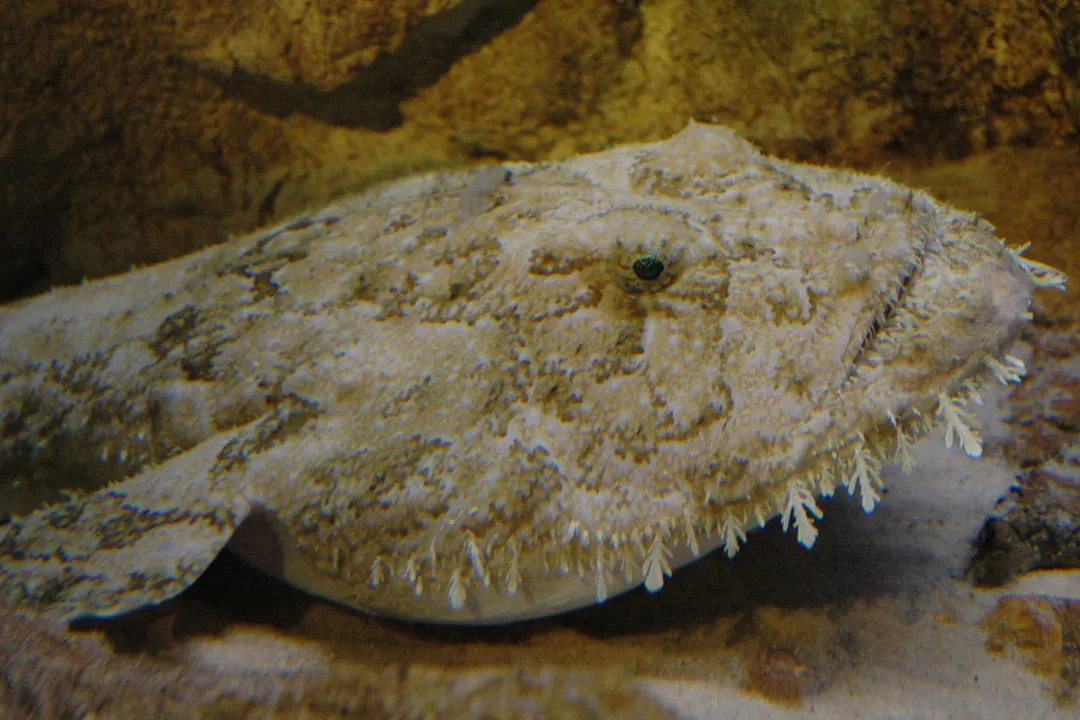
The potential lifespan derived from biological data is often reduced by external factors, particularly for species like Lophius piscatorius that inhabit shallower, commercially accessible waters. These bottom-dwellers are subject to significant human interaction; they are heavily fished and their commercial value means high harvest rates. The fact that their juvenile stages are sometimes caught before they reach maturity compounds the pressure on their populations. Their low energy budget and slow movement, typical of ambush predators, make them vulnerable to being caught, even if they are not actively seeking out danger.
The deep-sea residents, while safe from trawling nets, face a different set of survival challenges. Their lives are defined by the scarcity of food, which is why they have evolved expandable stomachs capable of swallowing prey up to twice their own size. Surviving long enough to encounter a mate is statistically difficult, which is why the parasitic relationship evolved in the first place. For these deep dwellers, surviving the decades necessary to reproduce successfully relies heavily on the efficiency of that single, crucial encounter.
# Longevity and Development Contrast
It is insightful to compare the developmental paths that lead to these long lives. The L. piscatorius female takes 14 years to reach maturity, while the male achieves it in 6 years. This suggests that the energy required for female growth and later egg production necessitates a longer juvenile phase, perhaps reflecting a greater biological investment in the next generation before the reproductive "clock" starts ticking. Meanwhile, the deep-sea male, by fusing, completely skips the energy drain of courtship and the risks of not finding a mate, essentially ensuring his longevity is dictated by the female's success, a strategy that has proven successful across millions of years of evolution in the planet's most challenging habitat. This fundamental difference in reproductive investment—a long, independent maturation for the shallow-water female versus immediate, permanent dependence for the deep-sea male—is the most significant factor in discussing the "lifespan" of an anglerfish.
Related Questions
#Citations
Lophius piscatorius (Monkfish) | INFORMATION | Animal Diversity Web
Anglerfish - Wikipedia
Anglerfish are our mysterious, deep-sea lifeform of the week
Anglerfish Facts & Photos | Wowzerful
16 Amazing Deep-sea Anglerfish Facts - Fact Animal
Common anglerfish | Nausicaa
First-ever observations of a living anglerfish, a female with her tiny ...