How do bisons survive extreme weather?
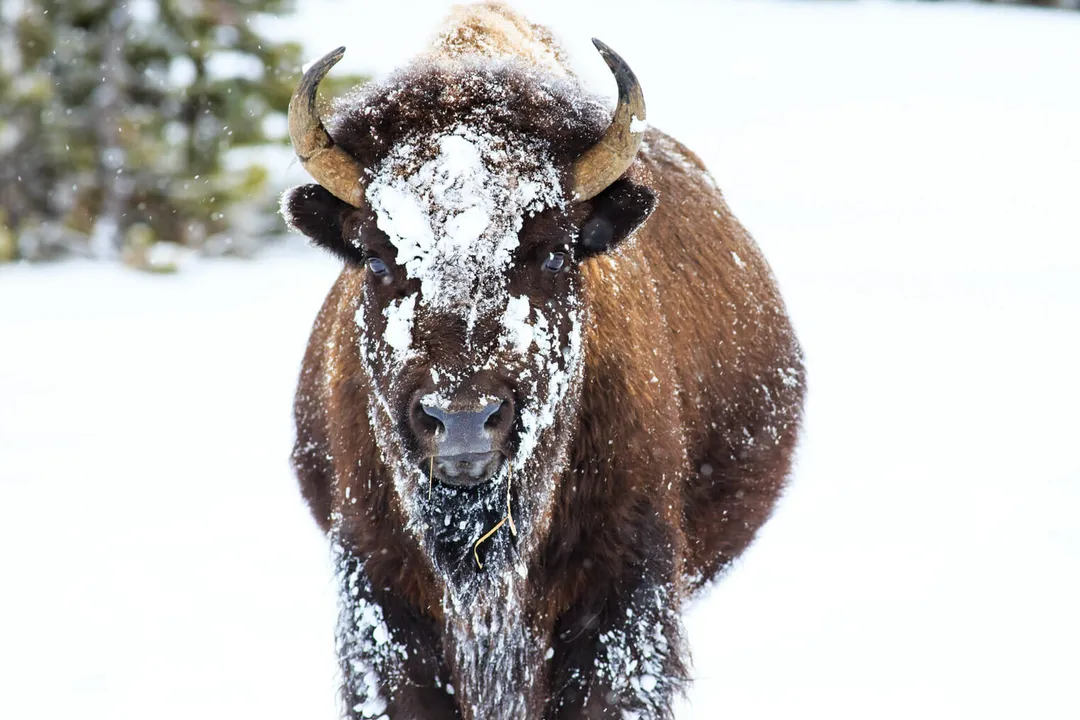
The American bison, often simply called the buffalo, is an animal seemingly crafted by evolution specifically to conquer some of North America’s most unforgiving environments. When the skies turn dark and the temperature plummets far below zero, these massive herbivores don't just seek shelter; they actively thrive. Their survival in regions like Yellowstone National Park, where winter storms can bury the landscape under feet of snow and ice, is a testament to extraordinary biological and behavioral engineering. It’s easy to look at their massive size and assume brute strength is their only defense, but the reality involves sophisticated insulation, strategic energy conservation, and unique foraging techniques honed over millennia. ()()()
# Coat Structure
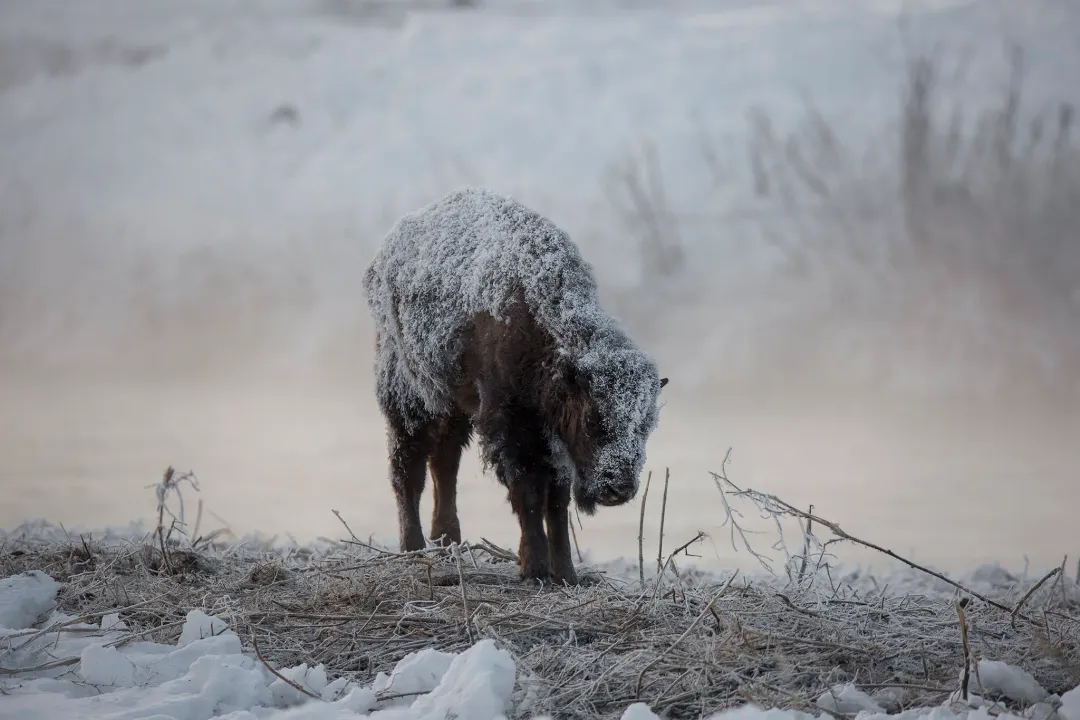
The most immediate clue to the bison’s resilience lies in its legendary winter coat. This isn't just a single, thick layer of fur; it’s a multi-layered textile system far superior to most synthetic materials developed by humans for extreme cold. Bison grow two distinct layers for winter: a dense, woolly undercoat designed for insulation and a shaggy, coarse outer layer that provides a protective barrier against wind and moisture. [7] The outer guard hairs are long and thick, helping to shed snow and ice away from the body's surface. [4][8] This unique arrangement ensures that even when the animal is coated in frozen precipitation, the insulating air trapped next to the skin remains warm and dry, keeping the bison’s core temperature remarkably stable. [4][7] If one could measure the insulating capacity of this coat, it would likely rival the R-value of significant man-made insulation used in home construction, allowing the bison to maintain its internal furnace without excessive caloric burn simply to stay warm. [4]
The shedding process itself is another marvel of biological timing. As spring approaches, the bison begins to lose this heavy mantle in large sheets, sometimes looking quite ragged for a time, preparing for the summer heat. [4] This seasonal transition means they carry only the necessary weight and insulation for the current conditions, a highly efficient trade-off for a large grazer. [7]
# Snow Clearing
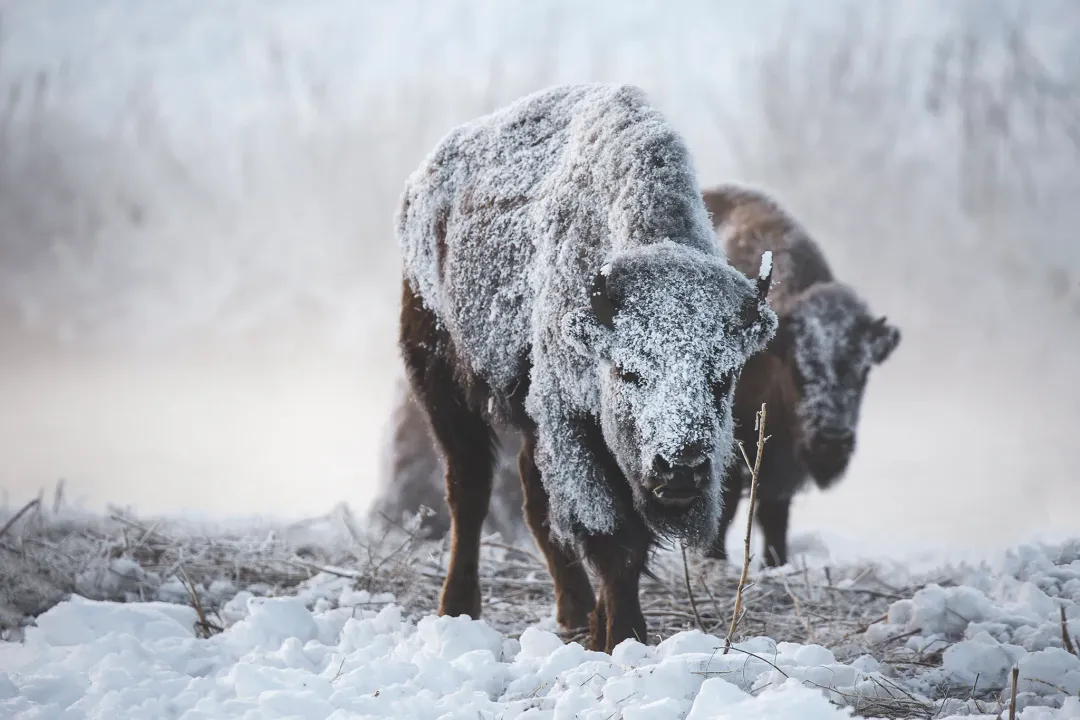
Surviving the cold is only half the battle; the other half is eating. When snow depths exceed a few inches, accessing the dormant, cured grasses beneath becomes a significant physical challenge. This is where the bison’s massive head and neck come into play as specialized snow-clearing tools. [2][4] Bison use their powerful necks and thick skulls to swing their heads from side to side, effectively plowing the snow away from the ground in front of them to uncover forage. [2][5]
In the deep snows common in the Rockies, bison are capable of clearing snowdrifts that reach depths of up to three feet to reach the vegetation underneath. [5] This requires immense physical effort, and it’s an expenditure of precious winter energy. A key calculation in a bison's winter survival strategy involves weighing the caloric return of the exposed grass against the energy spent using the head as a plow. [4] If the snow is too deep or crusted over with ice, it simply isn't worth the effort, and the herd will move to an area with more manageable depths or shelter. [6] This isn't just random wandering; it’s an active, energy-conscious search for the path of least resistance to necessary calories.
# Energy Conservation
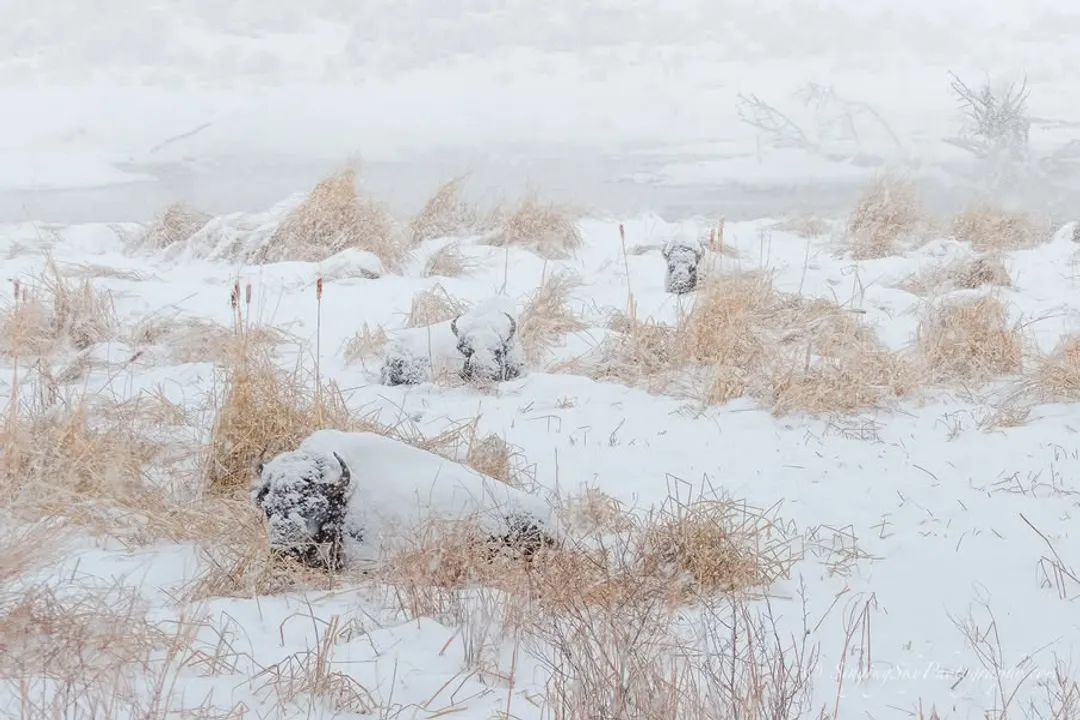
When food resources are scarcer and the physical demands of moving through deep snow are high, a successful wintering animal must drastically reduce its overall energy needs. Bison are adept at this physiological downshifting. [4] They possess the ability to lower their metabolic rate during periods of scarcity. [4] This is a non-voluntary, internal mechanism that slows down the body’s energy consumption when the intake from foraging is insufficient to cover the high costs of thermal regulation and movement.
The success of this conservation hinges entirely on the previous growing season. Bison must capitalize on the abundance of summer and fall by consuming vast quantities of energy-rich forage, building up substantial fat reserves that will fuel their slower metabolism through the lean winter months. [4] While the winter grass is less nutritious, their digestive system is capable of extracting what it can from this lower-quality forage, sustained by the energy banked earlier. [4]
# Behavioral Group Dynamics
Survival isn't purely an individual endeavor; herd behavior plays a vital role in mitigating the harshness of extreme weather, especially concerning wind and shelter. While bison are built to withstand wind chill due to their thick coats, reducing exposure remains beneficial. [4] When powerful storms strike, herds often seek out areas that offer natural protection from the brunt of the wind and drifting snow. [6]
These preferred locations are frequently valleys, draws, or the lee side of ridges where topographical features break the wind’s velocity. [6] Moving as a herd also provides a collective thermal benefit; animals huddle together, reducing the surface area exposed to the cold for each individual. [3] The younger and more vulnerable calves benefit significantly from being nestled in the center of these protective groupings. [3] In management settings, understanding these site preferences is key; if supplemental feeding is necessary due to unusual circumstances—like an ice storm cementing the snowpack shut—placing feed in these naturally sheltered areas maximizes intake efficiency for the animals. [6]
# Dealing with Wet and Icy Conditions
While deep snow is manageable with the head-plow technique, ice presents a different, often more serious, threat. If rain falls on snow and then freezes, it creates a dense, impenetrable layer of ice over the forage, rendering the bison's primary foraging tool—their head—nearly useless against the solid barrier. [4] This is perhaps the most dangerous winter scenario, as it effectively cuts off their food supply completely, forcing rapid reliance on body reserves. [4]
In areas like Yellowstone, managers monitor these conditions closely. While bison are generally left to manage themselves, an extended, severe icing event can lead to significant die-offs because their physical adaptations are optimized for snow depth, not for breaking through thick sheets of ice. [5] The fact that they rely so heavily on their dense, water-resistant outer coat shows an adaptation primarily for dry, cold, snowy environments rather than prolonged, freezing rain or sleet that penetrates insulation. [8]
# The Extreme Temperature Gradient
It is easy to focus solely on cold, but bison are also subjected to massive fluctuations in temperature, which their bodies must manage efficiently. The difference between a brutal morning and a relatively mild afternoon with sun exposure is significant. [7] Their layered coat, which acts as a high-performance insulator, also allows them to tolerate these swings without overheating during periods of intense sun or movement. They don't possess the efficient internal thermoregulation of, say, an antelope, but their insulating physical covering acts as a buffer against rapid external changes. [7]
When viewing bison in winter, one might notice steam rising from their backs even on very cold days. This is visual evidence of the heat generated by their metabolism being trapped by the inner coat, but escaping through the outer layer, signifying that the insulation is working to keep that heat contained close to the body rather than letting it dissipate immediately into the frigid air. [4]
Bison are truly built to inhabit extremes. Their survival isn't based on hiding from the weather but on possessing the specific physical attributes—a dual-layer coat, a powerful clearing mechanism, and the internal capacity to downshift their metabolism—that allow them to utilize resources other animals cannot access when conditions are at their worst. [2][4] They transition from being summer grazers to winter endurance athletes, conserving every ounce of energy until the milder conditions return. ()()
Related Questions
#Citations
Bison Bellows: The winter survivor (U.S. National Park Service)
Winter Warriors: Bison - Jackson Hole Wildlife Safaris
Bison thriving in Yellowstone's rugged winter landscape - Facebook
Explainer: How Bison survive the winter - Buckrail
How do Yellowstone Bison survive harsh winters?
Considerations for Winter Bison Management - SDSU Extension
Yellowstone Bison Are Built for Winter Survival Smithsonian Magazine
Just keep walking. During the winter, bison develop thick ... - Instagram