How big are midget faded rattlesnakes?
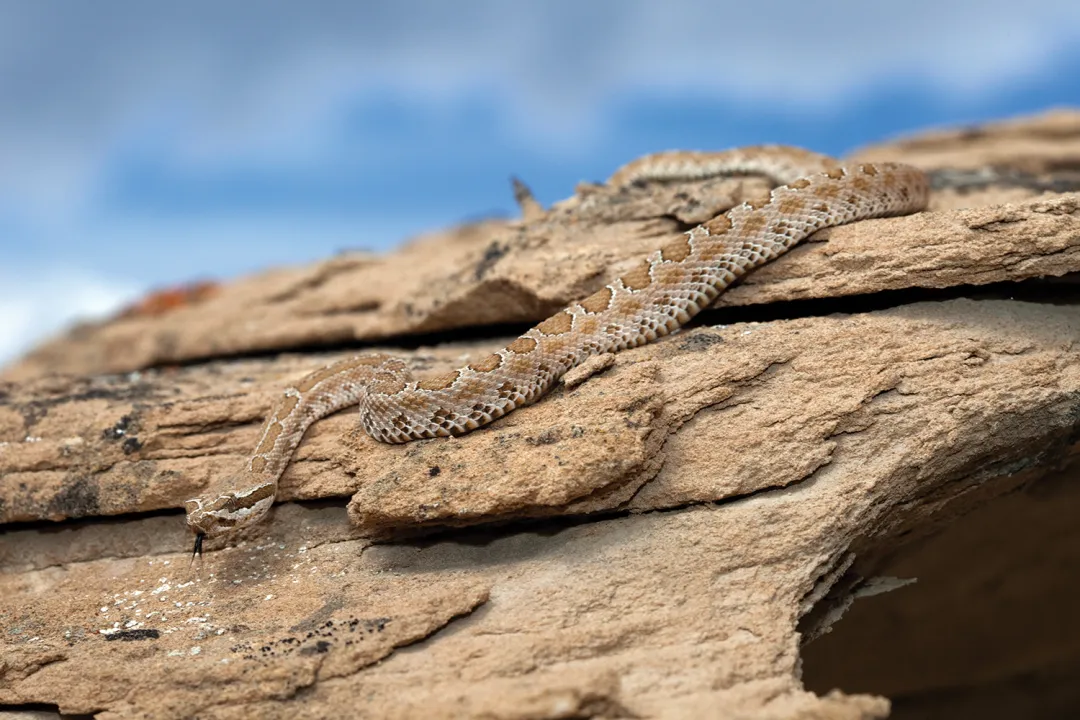
The Midget Faded Rattlesnake, scientifically designated as Crotalus concolor concolor, holds a distinct place among North American pit vipers primarily due to its diminutive stature. This snake is frequently noted for being one of the smallest members of the rattlesnake family, a characteristic that sets it apart from its larger cousins found across the continent. [1][2] While specific maximum sizes can vary slightly depending on the source or the exact geographic population studied, a consensus exists around its typical adult dimensions.
# Average Dimensions
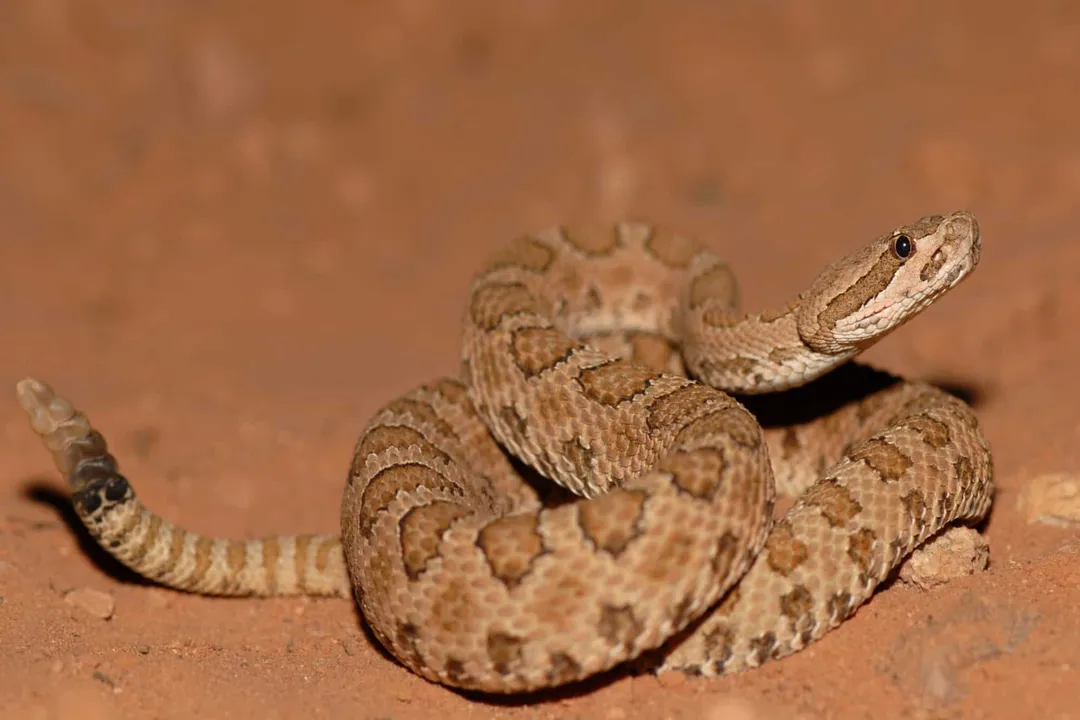
For most observers and researchers, the expected length of a mature Midget Faded Rattlesnake hovers between 18 to 24 inches. [2][3][5] This range represents the healthy, fully grown adult found throughout its distribution. [3][5] Looking at broader estimates, the length of this species often falls somewhere between 15 inches on the shorter end and extending up to 30 inches at the upper limit of what is commonly encountered. [4][6]
It is interesting to note the consistency in the average measurement across different specialists and conservation groups; the 18 to 24-inch band appears to be the reliable benchmark for establishing what a typical adult looks like. [2][3][5] When one pictures this particular rattlesnake, the mental image should align with a relatively slender reptile, seldom exceeding the length of a standard ruler by a significant margin.
# Maximum Size Limits
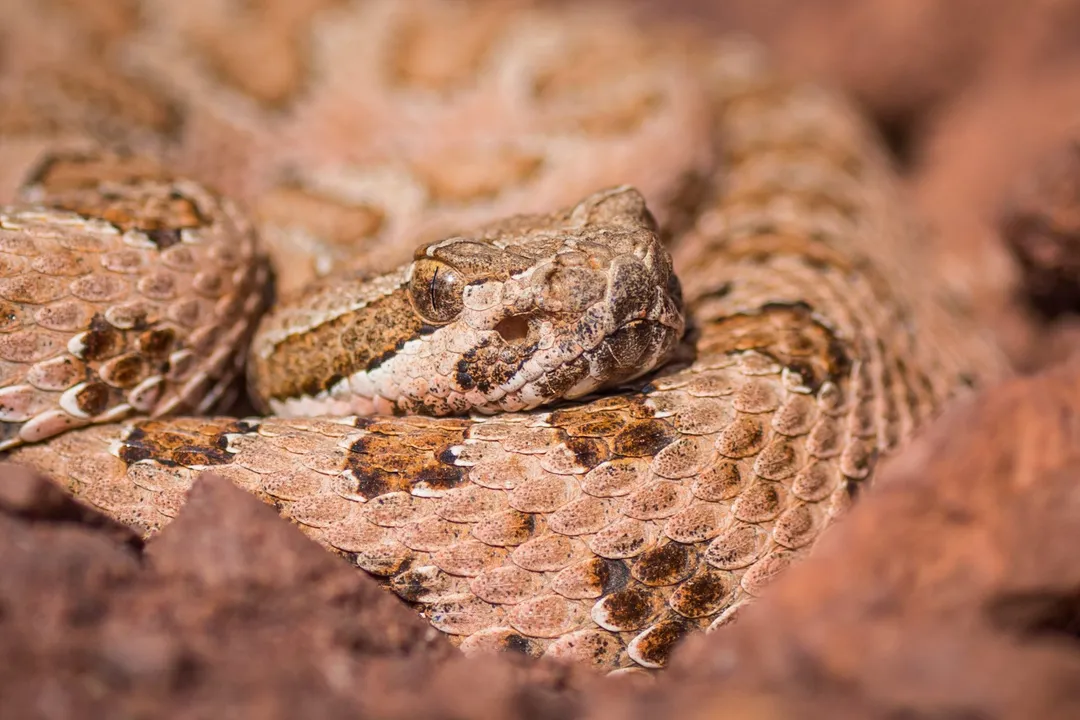
While the average is modest, snakes, like all reptiles, exhibit indeterminate growth, meaning they can continue growing throughout their lives if conditions permit. For Crotalus concolor generally, the upper bound rarely surpasses 36 inches. [1] Because the Midget Faded Rattlesnake is the smallest named entity within the Crotalus concolor species complex, reaching or approaching that 30-inch mark would classify it as a very large, impressive specimen for its kind. [1][7][8][9]
When field researchers encounter a snake pushing the upper limit of 30 inches, it represents a significant data point. Considering that the typical adult is closer to 20 inches, a specimen that is 50% longer might not sound massive compared to the 6-foot Eastern Diamondback Rattlesnake, but within its own species context, it is considerably larger than its peers. This difference between a 17-inch juvenile and a 30-inch adult translates to a substantial increase in mass and venom potency, even if the overall length remains small by pit viper standards.
# Species Context
The designation "Midget Faded" is descriptive of both its size and its coloration, but its smallness is relative. It is specifically recognized as the smallest entity within the Crotalus concolor species complex. [8][9] This implies that other subspecies or forms within the C. concolor grouping might achieve greater lengths, cementing the Midget Faded as the miniature version of this type of rattlesnake. [7]
To put this into perspective, imagine a spectrum of rattlesnakes. On one end are giants that can easily exceed four or five feet. On the other end are these smaller species. The Midget Faded Rattlesnake occupies a space near the lower extreme of the rattlesnake size chart. [1] This small size often correlates with the specific, sometimes restricted, habitats these snakes occupy, often featuring arid or semi-arid environments where resource availability might naturally limit overall growth potential compared to environments supporting larger, more robust predators.
# Appearance Correlates
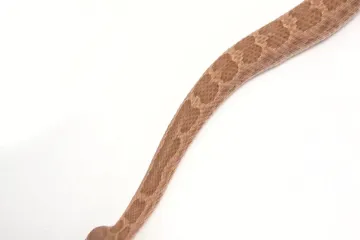
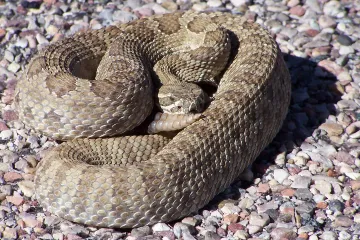
Although this article focuses on length, the "Faded" aspect of its name relates to its coloration, which often features soft, muted browns, grays, and tans—a camouflage perfectly suited to its desert environment. [4] While color doesn't determine size, the slender build and muted patterning can sometimes lead to an underestimation of the snake's actual length when viewed from a distance or among rocks. A snake that is 22 inches long might look smaller if its color blends perfectly with the substrate, giving the impression of a much shorter animal.
# Tracking Size
Understanding the precise size distribution is essential for population modeling and conservation efforts. Wildlife agencies and researchers often work to establish baseline metrics for endemic species like this one. [7] When conducting surveys, researchers aren't just counting heads; they are often measuring them. Documenting the lengths of captured and released snakes contributes to the data pool that helps define the species' norms and extremes. [8]
One way researchers can make sense of the data, rather than just averaging it, is by looking at the growth rate distribution. If a survey in a specific region yields a high percentage of snakes in the 15 to 18-inch range, it strongly suggests a healthy recruitment of young individuals into the population. Conversely, if most captured individuals are clustered tightly between 22 and 25 inches, it might indicate a stagnation in younger age classes or a highly successful cohort of adults dominating the sample. This level of detail, focusing on where the average falls within the possible range, provides more insight than simply stating the range itself. [5]
# Habitat Factors Influencing Growth
The Midget Faded Rattlesnake is geographically associated with specific arid regions, such as areas in Utah, Colorado, and Wyoming. [5] The environment plays a direct role in how large any individual can get. In areas where prey density—such as lizards, rodents, and birds—is high, and cover is abundant, the snake has more opportunities to feed and store energy necessary for growth. [4]
It is often the case in resource-limited environments that snakes mature earlier at a smaller size, perhaps sacrificing maximum potential length for earlier reproductive success. This is an evolutionary trade-off. A smaller snake requires less food to maintain itself through lean winters. Therefore, the observed maximum size of 30 inches might not be a biological ceiling but rather an environmental ceiling imposed by the average carrying capacity of its specific desert habitat niche. If the species were introduced to a captive setting with unlimited, nutrient-rich food, it is plausible that individuals could exceed the 36-inch theoretical maximum seen in the wild, although this remains speculative without direct captive study data.
# Conservation Significance
The fact that this snake is the smallest entity in its complex is often tied to its conservation status and the specific management attention it receives from bodies like the Bureau of Land Management (BLM). [7][8] Smaller species can sometimes be more vulnerable to habitat fragmentation or specific local threats because their entire viable range might be quite restricted. If the primary habitat for the Midget Faded Rattlesnake is impacted—say, by energy development or changes in grazing patterns—the loss of even a few square miles could disproportionately affect the local population compared to the impact on a much larger-bodied species that ranges over hundreds of miles. [7] Therefore, accurately measuring and monitoring the size of the population gives conservationists a critical metric for assessing the health of these localized populations.
Ultimately, when discussing the size of the Midget Faded Rattlesnake, we are discussing a creature that is defined by its smallness, typically measuring under two feet, yet capable of surprising researchers by occasionally pushing near the three-foot mark, all while existing as a crucial, delicate component of the intermountain West's arid ecosystems. [1][4]
Related Questions
#Citations
Crotalus concolor - Wikipedia
Midget Faded Rattlesnake
Midget Faded Rattlesnake – Arizona Snake Identification and ...
Midget Faded Rattlesnake Animal Facts - Crotalus concolor
Midget Faded Rattlesnake - The Reptiles and Amphibians of Utah
Midget Faded Rattlesnake - Snake Snap
BLM teams with researchers to protect midget faded rattlesnake
Midget Faded Rattlesnake - coparc
Capitol Reef National Park - Midget-faded Rattlesnake Although this ...