How big will an aussiedor get?
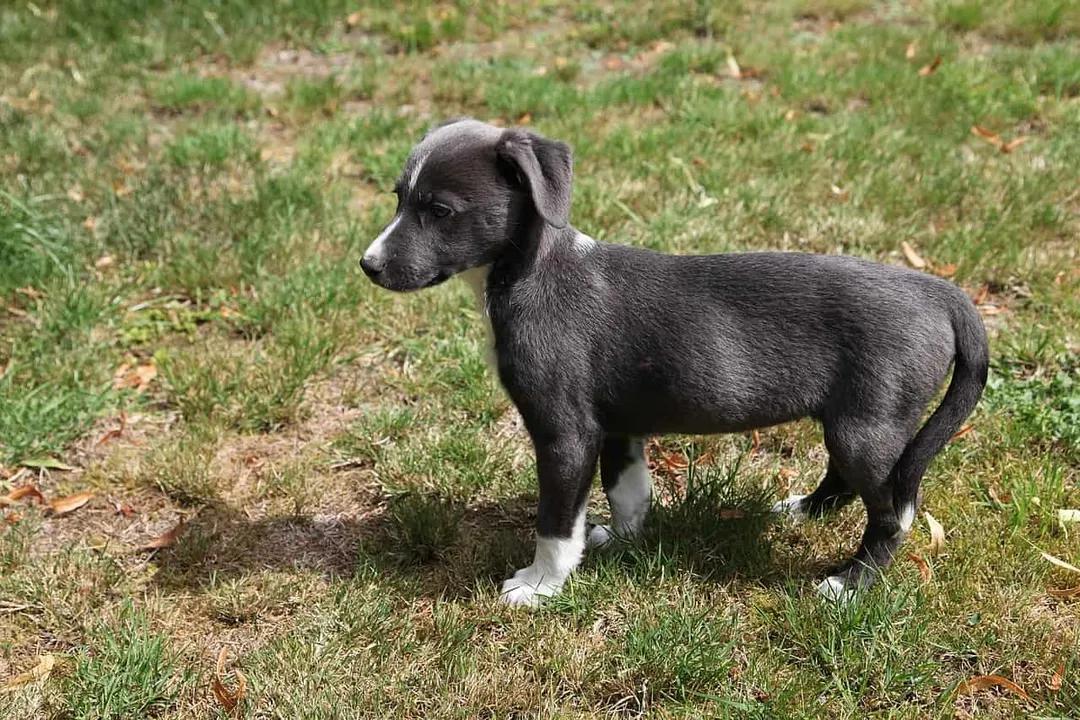
Determining the exact dimensions of an Aussiedor—the cross between an Australian Shepherd and a Labrador Retriever—is less about finding a single number and more about understanding a probable spectrum. Because this dog is a hybrid, the resulting size can vary significantly, often mirroring the range of its two parent breeds, sometimes landing somewhere in the middle, and occasionally leaning heavily toward one side or the other. [3][4][5] Prospective owners need to look at the typical size profiles of both the Aussie and the Lab to get a realistic expectation for the mature dog they bring home.
# Parental Benchmarks
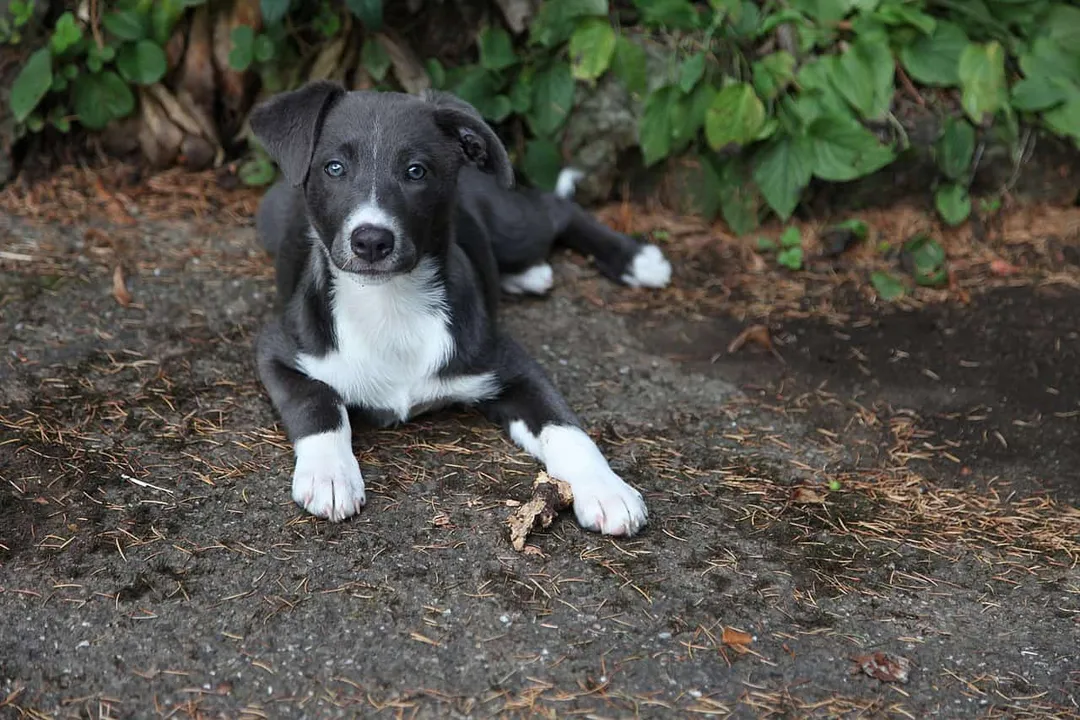
To grasp the potential size of the Aussiedor, one must first look at the expected dimensions of its foundation breeds. The Labrador Retriever generally contributes a larger, stockier build, while the Australian Shepherd often contributes a slightly lighter frame and more varied stature. [7][9]
# Labrador Profiles
Labrador Retrievers are substantial dogs, known for their athletic build and friendly demeanor. [3][7] Males in this breed typically weigh between 65 to 80 pounds and stand about 22.5 to 24.5 inches tall at the shoulder. [3][8] Females usually fall slightly smaller, ranging from about 55 to 70 pounds and measuring around 21.5 to 23.5 inches in height. [3][8] These measurements establish the upper boundary for what an Aussiedor might attain, especially if the puppy inherits more of the Lab traits. [1][7]
# Aussie Stature
The Australian Shepherd, on the other hand, is generally considered a medium-sized dog. [7][9] Aussies typically weigh between 40 and 65 pounds, though some individuals may fall outside this bracket. [8] Height-wise, they usually measure between 18 and 23 inches tall. [8] Given that they often outweigh the average female Lab but are lighter than the average male Lab, their contribution to the hybrid's size creates a wide potential spread. [3][5]
# Final Size Range
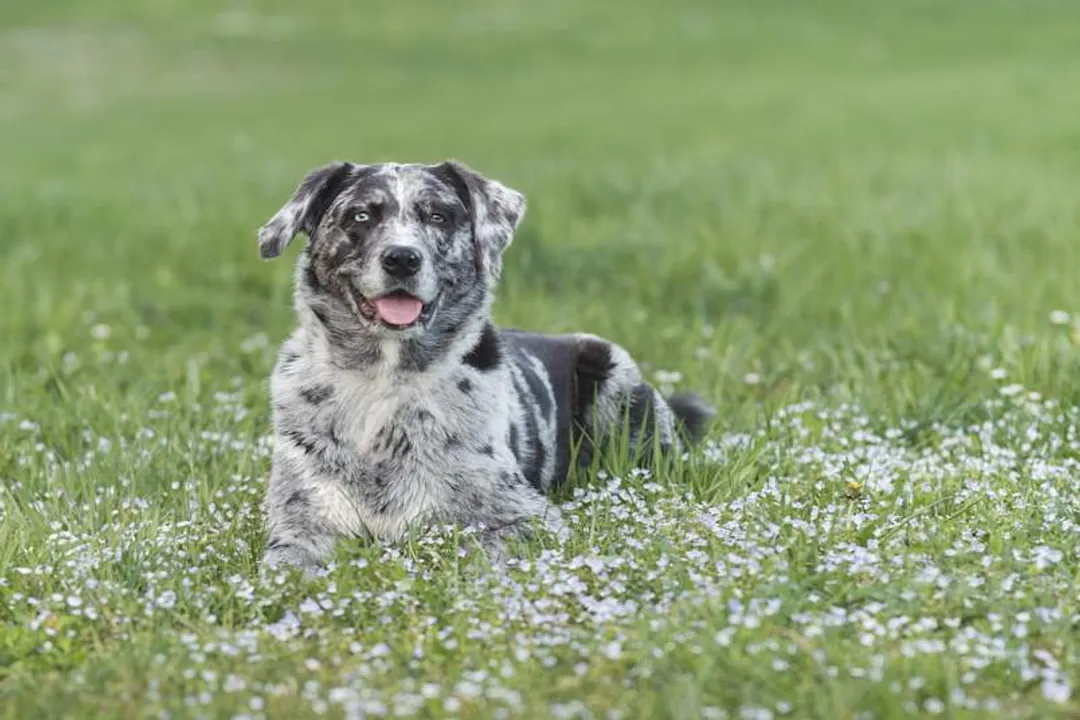
When these two breeds are mixed, the resulting Aussiedor lands within a predictable, yet wide, range of weights and heights. [1][4] Generally, an Aussiedor will be classified as a medium to large dog. [5]
# Weight Expectations
The consensus across various breed information sources places the typical weight for an adult Aussiedor between 40 and 80 pounds. [1][3][4][5][7] This nearly 40-pound spread highlights the variability inherent in a crossbreed. [5] For instance, a male Aussiedor might easily hit the 70 to 80-pound mark if he takes after a larger parent, while a smaller female might stay closer to the 45 to 55-pound range. [3][8] It is not uncommon to see a dog hovering near the lower end of the Lab spectrum or the upper end of the Aussie spectrum. [9]
# Height Measurements
In terms of height, the Aussiedor usually measures between 21 and 25 inches tall when standing at the shoulder. [1][3][5][7] Some sources suggest a slightly broader range, sometimes citing heights starting around 20 inches up to 26 inches. [8] This means most Aussiedors will likely be tall enough to easily look over a standard coffee table but may not reach the towering height of a Great Dane or Mastiff mix. [4]
Here is a comparative view of the expected mature size parameters:
| Characteristic | Lower End Estimate | Upper End Estimate | Basis |
|---|---|---|---|
| Weight (lbs) | 40 | 80 | Hybrid Range [1][3] |
| Height (in) | 21 | 25 | Hybrid Range [1][5] |
| Male Weight (lbs) | 65 | 80 | Leaning Lab Influence [3] |
| Female Weight (lbs) | 55 | 70 | Leaning Lab Influence [3] |

# Genetic Influences
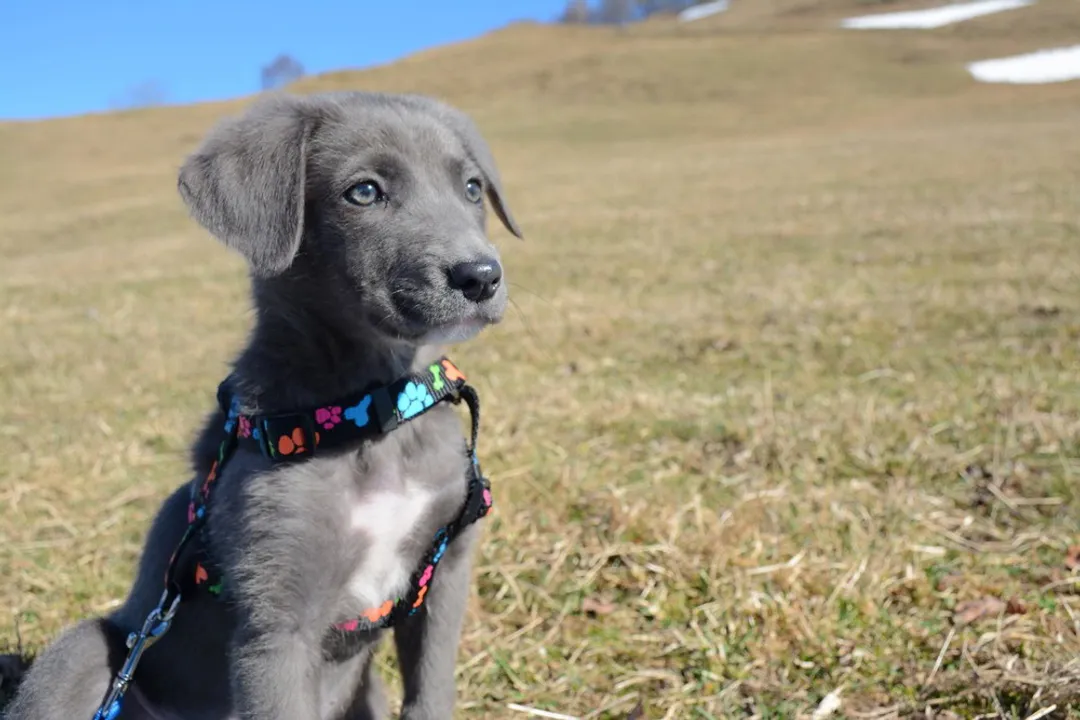
The size a specific Aussiedor puppy achieves is heavily dictated by which parent’s genes are more dominant in that individual pup. This concept is central to predicting size in any crossbreed. [5]
# First Generation Variation
In a first-generation cross, or F1 mix, where one parent is a purebred Labrador and the other is a purebred Australian Shepherd, the genetic mix is theoretically 50/50. [5] While this often results in a dog with a balanced appearance, their size will still follow the Mendelian laws of inheritance, meaning some F1 dogs will be taller and heavier than others, depending on which specific combination of alleles they receive. [5][6] One owner noted their puppy, being 75% Lab and 25% Australian Shepherd, was exhibiting traits and size expectations leaning heavily toward the Lab side even at a young age. [6] This skew indicates that even the reported heritage might not perfectly align with the expressed phenotype in terms of physical structure. [6]
# Generations and Backcrossing
The size variability increases if the dog is not a strict F1 mix. If an Aussiedor is bred back to a purebred Labrador (a backcross), the resulting litter will, on average, be larger than the standard 50/50 mix. [5] Conversely, breeding an Aussiedor to a purebred Australian Shepherd will likely yield a smaller average size. [5] Understanding the pedigree of the parents—whether they are F1, F2, or a backcross—is the single best way to narrow down the potential mature size, even more so than just knowing the breed pairing. [4]
It is worth noting that while genetics largely determine the potential adult size, environmental factors play a critical role in reaching that potential. For example, if a dog is genetically programmed to be 75 pounds but receives insufficient, poor-quality nutrition during its crucial growth phases, it may end up smaller and less structurally sound than its potential suggests. [1] Conversely, overfeeding a puppy can cause it to grow too quickly, potentially leading to orthopedic issues rather than simply achieving a healthy maximum size. [1] Responsible feeding protocols are just as important as parental genetics in realizing a strong, appropriately sized adult dog. [1]
# Growth Timeline
Knowing how big they will get is intrinsically linked to when they will stop growing. For most medium to large breeds, including the parent breeds of the Aussiedor, rapid growth slows down significantly around one year of age, but complete maturation takes longer. [7]
# Reaching Maturity
Most Aussiedors will reach their adult height somewhere between 10 and 14 months. [7] However, the process of filling out—gaining muscle mass and achieving their full bone density—can continue well past their first birthday. For the larger Aussiedors, especially those leaning toward the 70- to 80-pound range, reaching their final weight and bone density can take up to 18 months or even two years. [7] Patience is necessary during this final phase of development, particularly regarding strenuous exercise, as their joints are still closing growth plates during this time. [1]
If you are tracking your puppy’s progress, a simple, though informal, estimation method involves observing their paw size relative to their body mass around six months old. While not a scientific measure, a puppy whose paws look noticeably large for its current frame often has more growing—primarily filling out—to do before it is truly finished maturing. [2] This observation is best used in conjunction with established weight gain charts for the parent breeds. [2]

# Environmental Factors
While genetics sets the ceiling, several non-genetic factors influence where an Aussiedor lands within that possible size range, offering owners some manageable control over the outcome. [1]
# Diet and Nutrition
Proper nutrition is paramount for achieving the healthy, maximum potential size inherent in the dog’s genes. [1] High-quality commercial puppy food formulated for medium or large breeds, depending on the puppy’s expected adult weight, should be fed according to the guidelines on the packaging, adjusted based on the puppy's body condition score. [1] Owners should aim for steady, consistent weight gain rather than rapid spurts, as rapid growth puts undue stress on developing joints, which is a known concern for both Labradors and their mixes. [1]
# Exercise Impact
Appropriate, controlled exercise supports the development of strong muscle tone that will carry the dog through its adult life. [4] However, over-exercising a growing puppy can stunt or alter its physical development by causing premature wear on developing cartilage and bone structures. [1] For example, repeatedly forcing a young Aussiedor puppy to run long distances or jump repeatedly before 12 to 14 months of age can be detrimental, regardless of the dog's genetic blueprint for size. [1] Ensuring exercise is kept low-impact—such as gentle play and short walks—until growth plates have closed is the responsible approach. [1]
If you live in a cooler climate, remember that a thick double coat, inherited from either parent, can lead to overheating during summer months, which might cause a dog to refuse necessary exercise on hot days, potentially impacting muscle development relative to its genetic potential. [9] Always monitor an Aussiedor’s enthusiasm against the environmental conditions to ensure they are receiving beneficial, rather than stressful, activity. [9]
Related Questions
#Citations
Aussiedor: The Australian Shepherd & Labrador Retriever Mix
Aussiedor growth and size at 6 months old - Facebook
Aussiedor Animal Facts - Canis lupus
Aussiedor | Pet Premium - Pet Insurance Comparison
Aussiedor (Australian Shepherd & Lab Mix): Info, Pictures, Facts
Our Aussiedor puppy (75% Lab and 25% Australian Shepherd). He ...
Australian Shepherd Lab Mix - An Aussiedor Owner's Guide
Aussiedor Dog Breed Information and Pictures
Australian Shepherd Lab Mix - Top Facts About The Aussiedor