Why is the longnose gar rarely caught intentionally by standard hook-and-line methods?
Answer
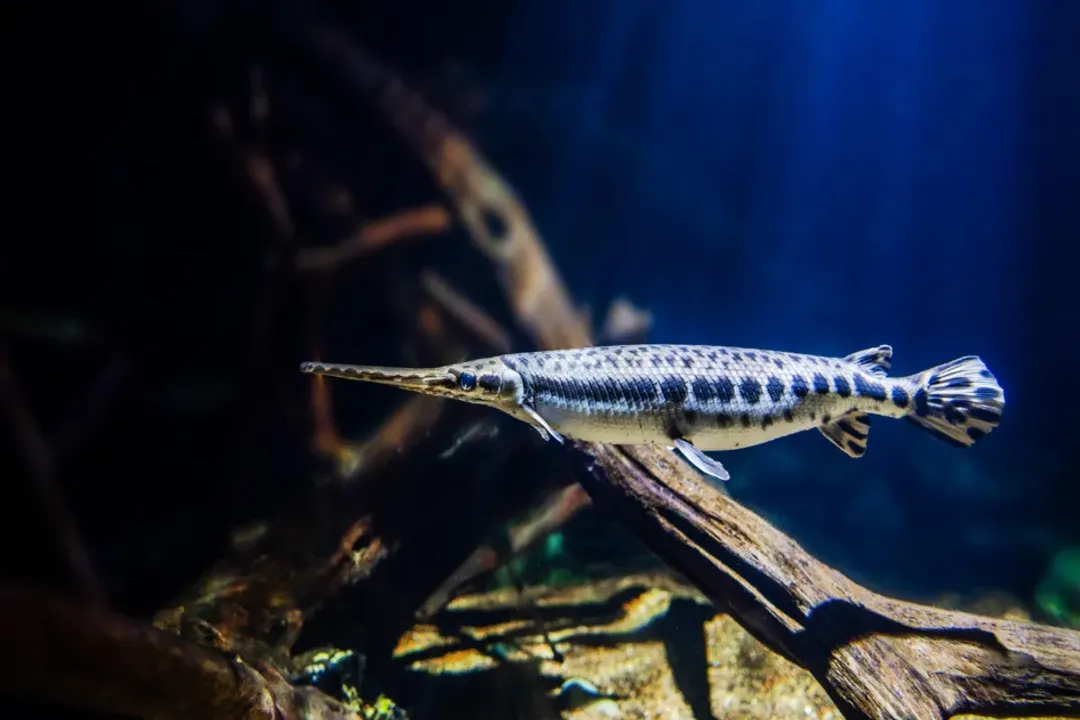
The long, sharp teeth resist grasping curved metal, and the hard jaws resist taking a hook properly.
Those long, sharp teeth are not built for easily grasping a curved piece of metal, and the hard, bony jaws themselves resist taking a hook properly.
Related Questions
What specific type of teeth do longnose gars possess on each side of their upper jaw?What is the primary action used by the longnose gar when capturing prey with its snout?What is the description given for the gar's thick, overlapping armor-like scales?How does the longnose gar facilitate its ability to breathe atmospheric air?How long is the longnose gar's rostrum typically described in relation to the rest of its head?After securing prey, how does the longnose gar position the victim before swallowing?What specific dangers do longnose gars pose to humans?For approximately how long have gars persisted as a primitive group of bony fish?What is the singular purpose of the longnose gar's numerous, needle-like teeth?Why is the longnose gar rarely caught intentionally by standard hook-and-line methods?