Do mangrove snappers have teeth?
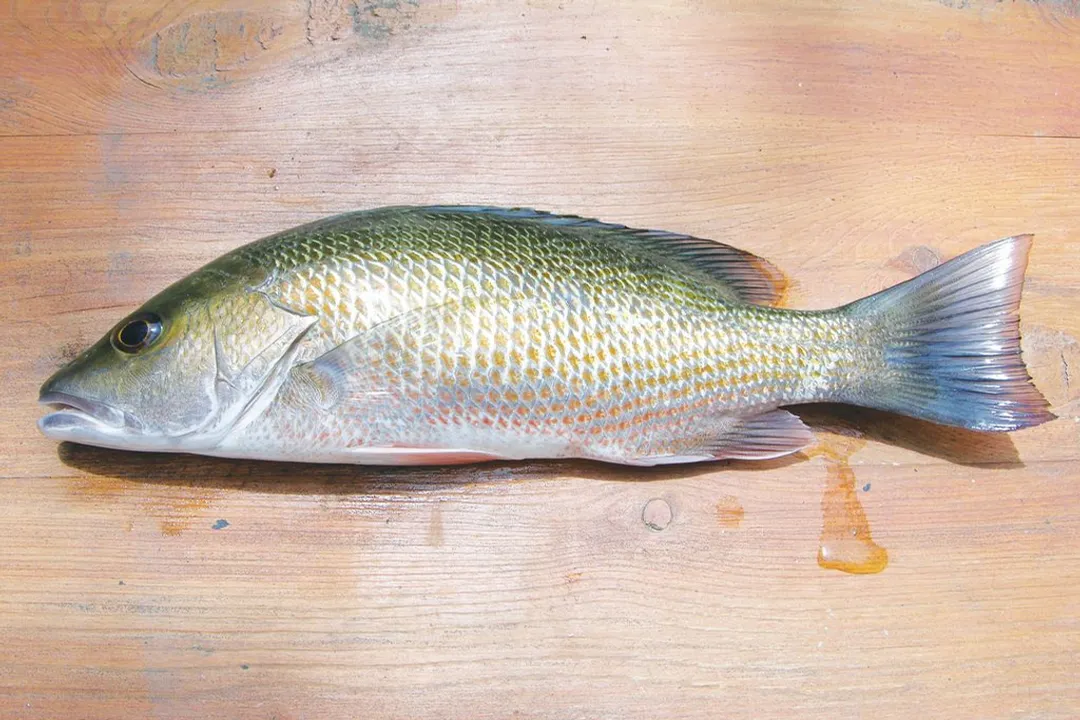
The mangrove snapper, often confusingly called the gray snapper depending on the region or context, is a prized catch across the subtropical and tropical waters of the western Atlantic. [6] Anglers pursue them for their fighting spirit and, perhaps even more so, for their excellent table fare. [8] When you bring one of these sleek, powerful fish to the dock, questions naturally arise about its anatomy, especially concerning how it secures its prey. To understand this fascinating member of the snapper family, we must look closely at its structure, particularly its mouth, to determine if it possesses the dental equipment necessary for its predatory lifestyle. While not every source explicitly details the arrangement of every tooth, the collective evidence from its biological profile and diet paints a clear picture of a fish equipped to grip and consume a wide variety of fast-moving forage.
# Common Names
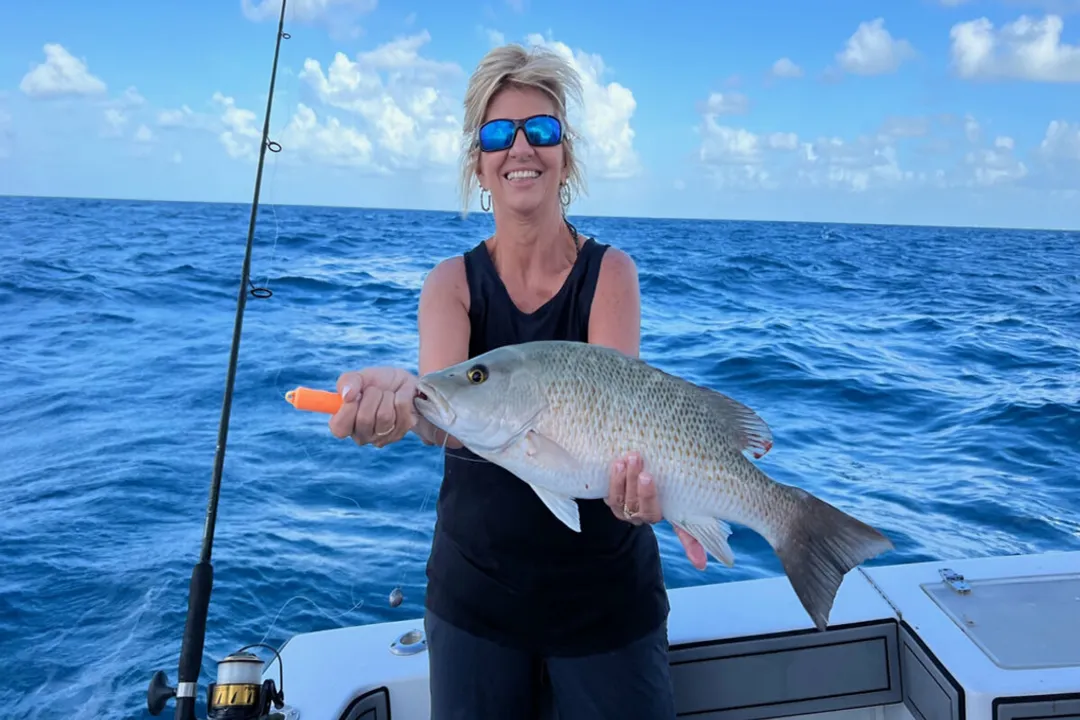
Understanding what you have caught or are targeting requires navigating the sometimes-confusing world of common nomenclature. The fish commonly known as the mangrove snapper is scientifically identified as Lutjanus griseus. [2] In many areas, particularly around the Florida Keys and the Gulf of Mexico, it is widely referred to simply as the gray snapper. [1][6] This dual identity means that regulations, fishing reports, and local knowledge might refer to it by either name, or even the slightly different, though often related, "mangrove red snapper". [2] Recognizing this overlap is essential for any angler hoping to locate or legally harvest them. [7] Anglers in Texas often refer to the mangrove snapper as "the other snapper," distinguishing it from the more famous red snapper species. [7]
# Predatory Mouth
The direct answer to whether mangrove snappers have teeth comes from observing their feeding habits and jaw structure, which points toward an effective dentition system necessary for predation. These fish are known to be opportunistic feeders, [2] meaning they consume whatever suitably sized, readily available prey item they encounter. Their diet is broad, consisting of crustaceans like crabs, small fish, and shrimp. [6][8] For a fish to successfully hunt and hold onto slippery shrimp or hard-shelled crabs, a specialized mouth structure is required. Descriptions of their jaws often note they are designed for grasping prey effectively. [2] While the exact morphology—like whether they have pronounced canines versus uniform villiform teeth—may vary in specific detail across scientific literature, the structure is clearly adapted for capturing and retaining food items encountered in complex environments like mangrove roots and seagrass beds. [1][8] Their predatory nature dictates that their mouths are armed with structures capable of securing a meal. [2]
# Distinctive Appearance
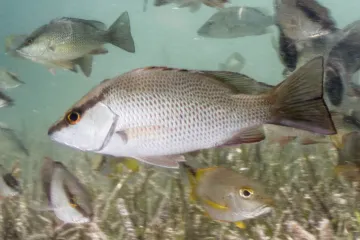
Distinguishing the mangrove snapper from other reef dwellers is part of the fishing experience. They are typically greenish-gray to brownish on the dorsal side, fading to white or silvery on the belly. [6] One of the most telling features, especially useful for separating them from other snappers like the mutton snapper, is the presence of a distinct, dark lateral line running horizontally from the gill cover to the tail. [1][6] This line can be faint in darker, inshore specimens but is generally visible. [6] Young fish often display a more yellowish hue, particularly on the lower fins. [6] Mature fish can reach substantial sizes, though those commonly caught are often smaller, displaying the characteristic "snapper" body shape: deep-bodied, robust, and built for quick bursts of speed near structure. [7] For example, a healthy catch might weigh around 5 pounds, though much larger specimens are certainly known to exist. [8]
# Habitat Preferences
The name itself provides the strongest clue to their preferred environment: mangroves. [1] Mangrove snappers thrive in shallow, structured habitats. They are strongly associated with areas offering significant cover, such as the intricate root systems of mangrove trees, oyster reefs, wrecks, docks, and ledges. [1][6][7] While they prefer these inshore, brackish, or saltwater environments during their juvenile stages—using the protection to avoid larger predators—they can be found offshore as they mature. [6][8] The presence of structure dictates where you will find them, as they tend to stay close to these hiding spots, ambushing passing food. [7] This tight association with structure is a critical insight for anglers; unlike some pelagic species, success with mangrove snapper often means getting your line right next to or even into the cover. [1]
One interesting ecological note is how their coloration adapts to their immediate surroundings. A mangrove snapper living deep within dark, tannin-stained mangrove roots might appear significantly darker, almost black, compared to a specimen caught near a bright, sandy bottom or a deep water wreck, even if they belong to the same population. [6]
# Flavor and Cooking
For many, the ultimate measure of a fish is its taste, and the mangrove snapper scores very highly here. [4] They are renowned for having firm, white flesh that flakes nicely when cooked. [8] The flavor is generally described as mild and sweet, which is why they are highly sought after in commercial and recreational fisheries. [4] This delicate flavor profile is partially attributed to their varied diet, which keeps the flesh clean-tasting, unlike some bottom-dwellers whose flavor can be muddy. [8] Whether grilled, baked, or prepared as fillets, their texture holds up well to various cooking methods. [4] Because they frequent structures, anglers must take care when landing them, as their firm build and sharp gill plates require careful handling to maintain the quality of the meat. [1]
# Angling Tactics
Successfully targeting mangrove snappers requires an understanding of their structure-oriented behavior and their food preferences. Because they rely on cover, the best approach often involves precise casting near docks, bridge pilings, or dense weed lines. [7]
When selecting bait, the diet provides the playbook:
- Live or Fresh Cut Bait: Small live baitfish, shrimp, and pieces of crab are premier offerings. [6][8] The freshness and scent of the bait are often key, especially when fishing tight to structure where a wary snapper has many hiding spots to choose from. [1]
- Artificial Lures: Smaller jigs, soft plastics, or small swimming plugs can imitate the small fish and shrimp that make up a large part of their diet. [7]
A crucial element in landing these fish is the gear setup. Mangrove snappers are notorious for making a powerful, immediate run directly back into their cover once hooked, aiming to sever the line on sharp edges or barnacles. [7] Therefore, using slightly heavier line than one might normally use for the size of the fish, along with a strong, sharp hook, is advisable. Dropping a bait straight down near a piling, allowing it to swim naturally just above the bottom or structure, often triggers a bite from the best fish holding that spot. [7] This contrasts with trolling, which is rarely an effective method for targeting them unless you are systematically working a reef line offshore. [8]
# Regulatory Considerations
Managing fish stocks is vital for the long-term enjoyment of species like the mangrove snapper. State agencies, such as the Florida Fish and Wildlife Conservation Commission (FWC), establish specific guidelines regarding harvest. [6] These regulations typically involve a minimum slot size, meaning a fish must be within a certain length range to be kept. [6] For instance, in certain areas, the fish must measure over a specified length, perhaps 5 inches in fork length, to be legal. [6] It is imperative for any harvester to check the current, local regulations before fishing, as these rules can change based on stock assessments and seasonal allowances. [6] Ignoring these size and bag limits can lead to significant penalties, undermining conservation efforts for this valuable species. [6]
# Comparing Snapper Mouths
While the primary focus is the mangrove snapper's dentition, comparing it to its more famous relative, the Northern Red Snapper (Lutjanus campechanus), offers an interesting point of contrast regarding feeding strategy. Red Snapper generally favor deeper water, more offshore habitats, and are often associated with hard bottoms or artificial reefs. [7] Their diet remains similar—crabs, shrimp, and fish—but their primary hunting grounds are different. [6] While both species possess the dental structure required for a predatory existence, the habitat difference suggests variations in the type or size of prey they prioritize at any given time. The mangrove snapper's constant proximity to highly abrasive, tight structures like mangrove roots suggests its jaw and teeth structure must be incredibly durable to avoid damage during aggressive feeding and subsequent escape attempts by prey, a durability requirement perhaps slightly less stressed in the open water environment of the deeper red snapper. [1][7]
# Handling the Fight
The experience of fighting a mangrove snapper is part of its appeal. They are known for their aggression when hooked, immediately attempting to use their close proximity to cover to their advantage. [7] This characteristic requires an angler to react quickly with line tension management. If the fish gains a few feet and reaches a piling, the fight is usually over very fast. A successful retrieval, therefore, often involves an immediate, powerful upward crank to steer the fish away from the structure and into open water, before it can deploy its sharp gill plates or teeth against the line. [1] This sudden need for assertive pressure is one reason why many anglers favor heavier tackle for these inshore species than their size might otherwise suggest. [7]
Related Questions
#Citations
All About Mangrove Snapper – Florida Keys Gray Snapper Facts
Mangrove red snapper - Wikipedia
Caught in Florida brackish water. He had two little teeth that tried to ...
Mangrove Snapper | Inland Foods
A lil info on the Mangrove Snapper. (Not to be mistaken ... - Facebook
Gray Snapper - FWC
Mangrove - The Other Snapper! - Texas Saltwater Fishing Magazine
Gulf Coast Catch and Cook August: Mangrove Snapper