How rare is a spotted gar?
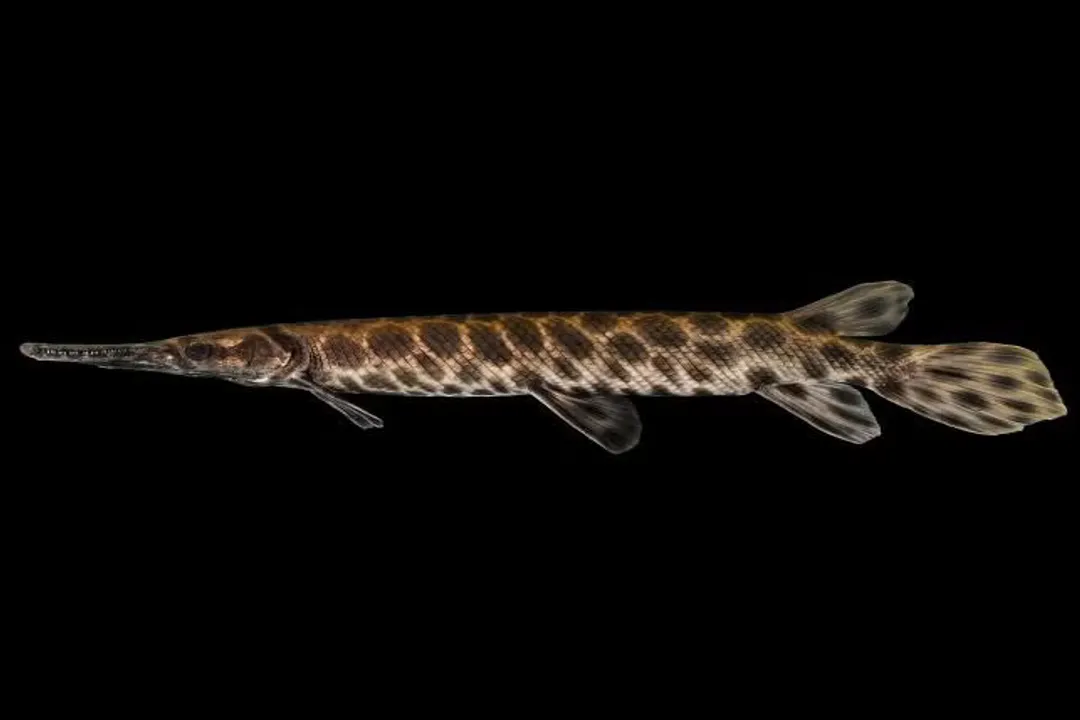
The question of how often you might encounter a spotted gar in the wild hinges entirely on where in the central or southern United States you happen to be casting a line. Unlike its much larger, more notorious cousin, the alligator gar, the spotted gar (Lepisosteus oculatus) occupies a broad but sometimes fragmented distribution across the Mississippi River basin and the Gulf Coast drainages. [1][2] Its status isn't a simple binary of "common" or "endangered"; rather, its abundance varies dramatically across its range, leading to localized conservation concerns even where the species persists elsewhere. [7]
# Broad Distribution
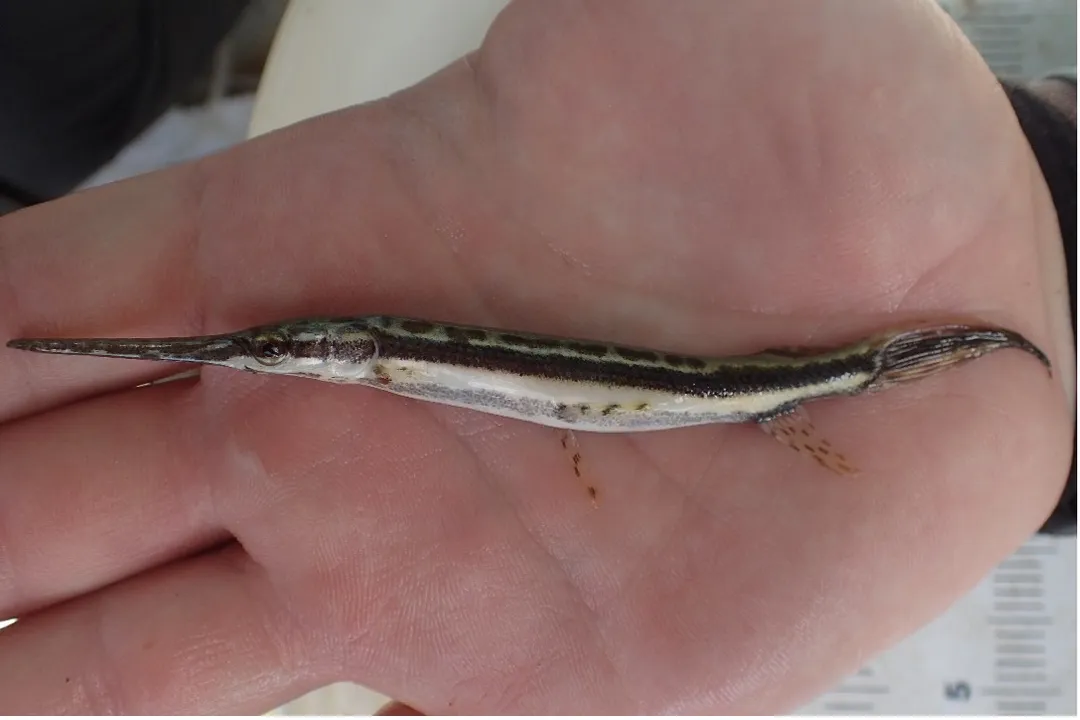
The historical and current distribution of the spotted gar covers a significant portion of North America, stretching across multiple states. [2] This range generally encompasses the Mississippi River drainage system and tributaries flowing into the Gulf of Mexico. [1][8] In states like Texas, the spotted gar is a recognized native species found in various water bodies. [8] Similarly, observers in Missouri note its presence, though perhaps not always in high numbers, typically favoring slower, more vegetated sections of rivers and lakes. [4]
However, tracing the precise extent of its range presents challenges. For instance, the species has historically been documented in the Great Lakes region, though modern populations might be reduced or extirpated in the far northern reaches. [2][7] The fish generally prefers still or slow-moving, warm waters, often inhabiting backwaters, sloughs, and oxbow lakes where aquatic vegetation is present. [1][4]
# Local Abundance
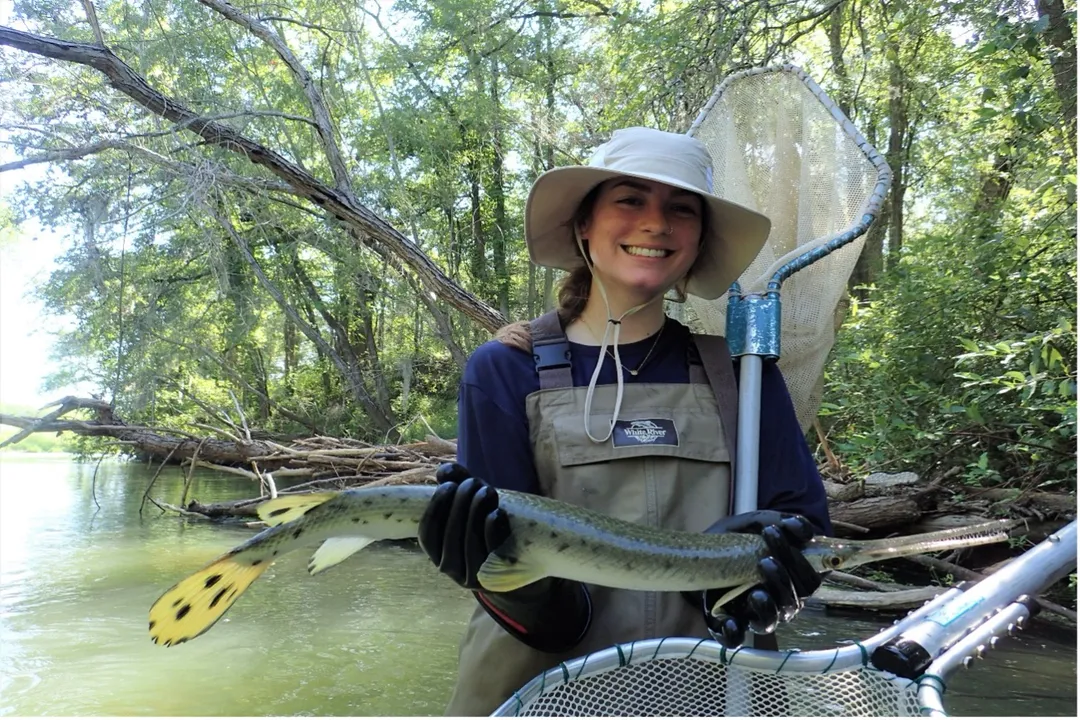
The perception of rarity often stems from localized monitoring efforts or observation bias. While the species is established across the southern extent of its range, populations toward the periphery face greater pressure or have naturally lower densities. [7]
# Northern Edge
When looking at the northern boundaries of the spotted gar's historical territory, the picture shifts considerably. In areas like Michigan, the spotted gar is managed as a species of special concern, indicating that while not entirely gone, its occurrence is infrequent enough to warrant protective monitoring. [7] In certain areas, dedicated surveys have revealed that the fish can be extremely rare, sometimes leading to the urgent concern that local extirpation is a real possibility if environmental conditions change unfavorably. [5] This contrasts sharply with the situation in, say, coastal Texas river authorities, where the fish is a known, albeit sometimes secretive, component of the native ichthyofauna. [3] The difference between "present" and "abundant" is where the perception of rarity truly solidifies.
# Identification Difficulty
One factor complicating the assessment of spotted gar rarity is simple misidentification. Anglers and even field biologists must pay close attention to specific markings to differentiate L. oculatus from similar species, such as the Florida gar or the alligator gar. [2] The spotted gar is distinguished by distinct dark spots found on the top of its head and its fins. [7] A casual observer might see a medium-sized gar with spots and assume it is a common type, or conversely, overlook a true spotted gar because they are expecting a different size or pattern associated with a more commonly reported species. If a population exists but is consistently misidentified as another gar, its actual status remains obscured in official records.
It’s interesting to consider that a species’ perceived rarity can often be a function of observer training rather than true population collapse. If a local fisheries management group doesn't actively train volunteers or staff on the subtle spotting patterns distinguishing L. oculatus from L. productus or L. osseus, the rarity data will skew toward fewer confirmed sightings, even if the fish are physically present in the habitat. [2]

# Ecological Niche

Understanding the gar’s habitat needs provides insight into why its population might be patchy rather than uniformly dense across its entire possible range. Spotted gar are relatively small compared to their gar relatives, generally maxing out around 3 to 4 feet in length, although some records suggest slightly larger individuals. [1] This size, combined with their preference for warm, slow-moving water abundant with aquatic vegetation, means they thrive in specific ecological niches that are often the first to be altered by development or water management practices. [4]
These environments—sloughs, weedy backwaters, and quiet pools—offer protection from stronger currents and abundant prey like smaller fish and crustaceans. [1] When a river system is heavily managed, channelized, or subject to significant fluctuation in water levels, these prime nursery and feeding grounds can vanish, causing localized declines that contribute to the overall picture of "rarity". [3] A stable, mature ecosystem supports them; an unstable, managed one often does not.
# Conservation Viewpoint
In the grand scheme of global fish conservation, the spotted gar is generally not listed as globally endangered or threatened based on broad assessments. [1] However, the data collected by state agencies paints a more nuanced picture when viewing the species through a localized conservation lens. For instance, the Michigan Natural Features Inventory lists the spotted gar as a species of special concern, indicating vulnerability within that state's borders. [7] In areas where their range overlaps with that of the Florida gar, or where habitat alteration is intense, their conservation status can be elevated from "common" to "threatened" or "rare" very quickly. [5]
A key comparison point often arises with the alligator gar. While the alligator gar faced severe overharvesting and near eradication in many parts of its range, leading to intense, targeted recovery efforts, the spotted gar has generally not faced the same level of direct, catastrophic pressure, though historical over-collection for food or bait may have played a role in early range contraction. [1] The current threat to the spotted gar is less about direct exploitation and more about environmental suitability.
An analytical perspective often missed is the concept of 'effective rarity' versus 'absolute rarity.' If a gar species requires pristine, heavily vegetated water bodies—which are themselves becoming rare in industrialized river corridors—then even if the fish population is stable in the few remaining healthy habitats, its potential range and overall ecological connectivity are severely diminished. This means that while you might find a healthy, reproducing group in one specific oxbow lake, the inability of that group to naturally repopulate adjacent areas because of channelization or pollution makes the species functionally rare across the wider watershed.
# Monitoring Methods
Accurately assessing the abundance of any gar species is tricky due to their lifestyle. Spotted gar are often found near the surface, using their swim bladder to regulate buoyancy, but they are also capable of moving into deeper water or hiding in dense cover. [4] Effective monitoring relies on targeted sampling methods that account for their behavior. Techniques like electrofishing must be calibrated correctly for slow-moving, vegetation-heavy waters, which can be technically difficult. [2]
For those interested in observing or contributing to data, understanding where to look is crucial for confirming their presence and judging local rarity. Look for calm, shallow areas with submerged structure or dense submerged aquatic vegetation, especially during warmer months. [4]
If you are fishing or boating in an area where the spotted gar is documented but rarely seen, try focusing your observations during low-light periods or in the shallow littoral zones of reservoirs or ponds connected to the main river system. They are generally more active in these shallower, warmer spots during early morning or evening hours when they might be feeding near the surface, increasing your chances of confirming a sighting that might otherwise be missed during midday surveys. [1][4] This observational difference is vital; finding one specimen in a difficult-to-sample habitat lends more weight to its local presence than a complete lack of sightings in open, deep water.
In summary, the spotted gar is geographically widespread enough that it cannot be called universally rare across the entire Mississippi basin and Gulf Coast drainage areas. [1][2] Its rarity is geographically conditional, becoming critically important in the northern portions of its range where habitat suitability is marginal, and often masked by confusion with other gar species elsewhere. [7][2] Their survival is tied more closely to the quality and stability of their specific, weedy aquatic homes than to direct human persecution. [3]
Related Questions
#Citations
Spotted gar - Wikipedia
Spotted Gar (Lepisosteus oculatus) - Species Profile
South Texas Natives: Spotted Gar - San Antonio River Authority
Spotted Gar - Missouri Department of Conservation
Biologists Find Extremely Rare Endangered Spotted Gar in Lake Erie
Spotted Gar. Rare catch in PA. Quick pic and release! - Facebook
Lepisosteus oculatus (Spotted gar)
Spotted Gar (Lepisosteus oculatus) - Texas Parks and Wildlife