Does the parrot snake have teeth?
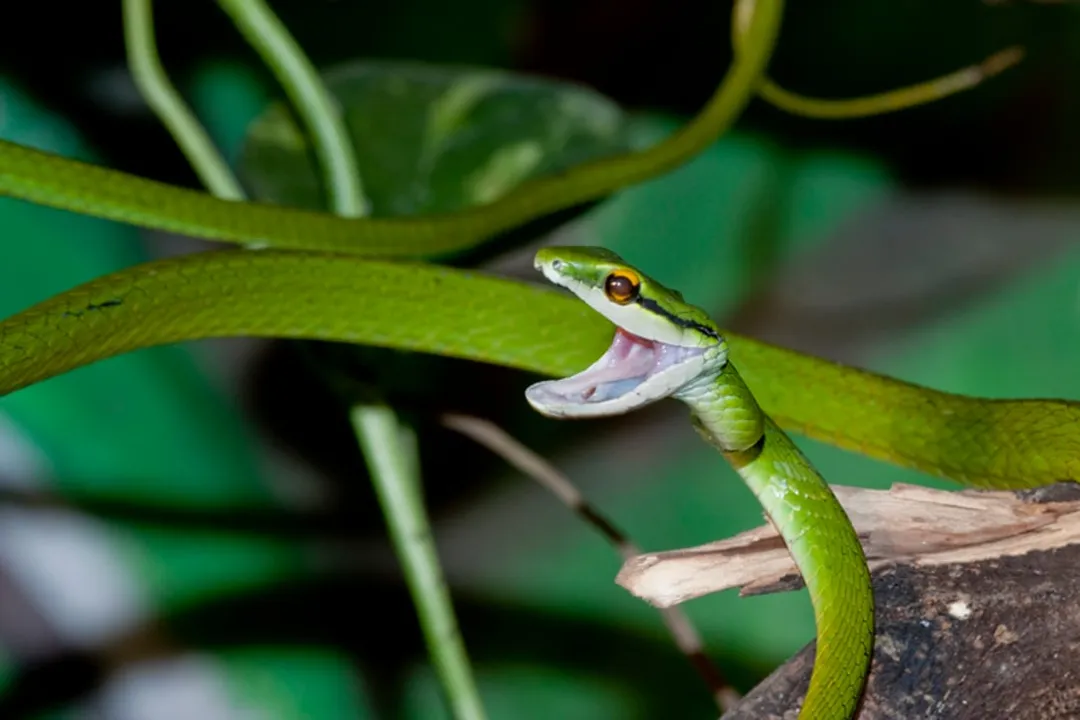
The precise anatomical makeup of any snake, including the fascinating group commonly known as parrot snakes, is a frequent point of interest for both casual observers and seasoned herpetologists. Understanding what is present inside a snake's mouth moves beyond simple curiosity; it defines its feeding strategy and its potential interaction with other animals. The defining feature of the Leptophis genus, which encompasses these slender, often vibrant reptiles, centers on a specific dental arrangement that places them distinctly outside the category of purely harmless snakes, though their danger level remains low for humans.
# All Snakes
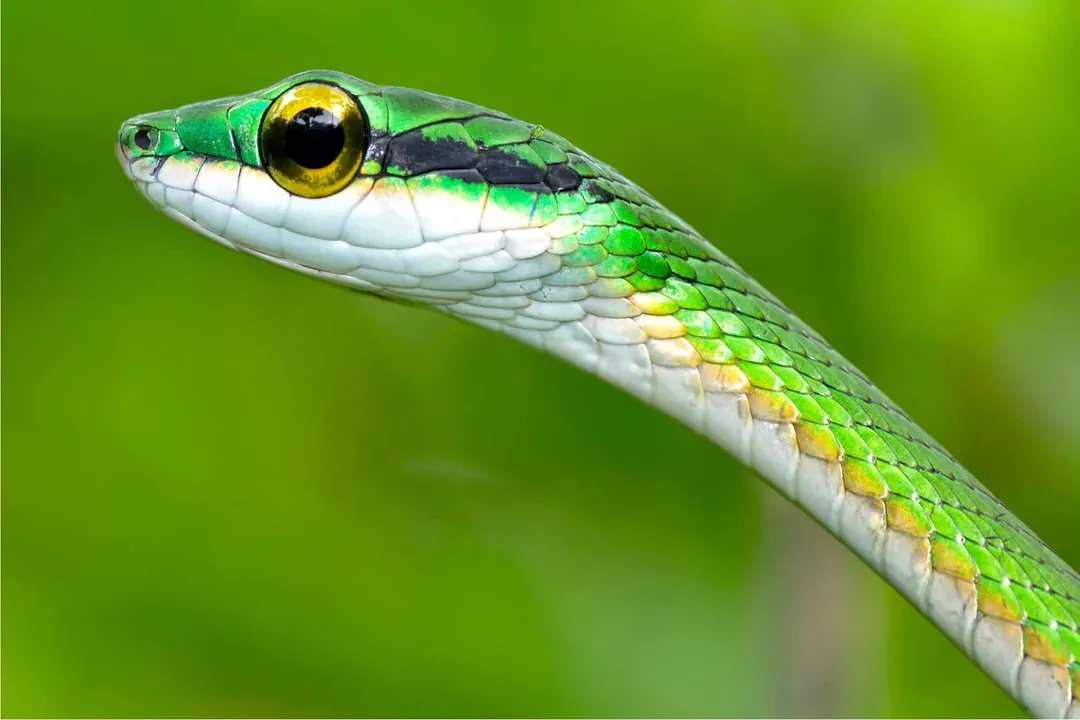
It is a foundational concept in herpetology that nearly every snake species possesses teeth. The exceptions are exceedingly rare, meaning that when we ask if a parrot snake has teeth, the simple answer is yes, it does. However, the real conversation begins when we specify where those teeth are located and what their function is. Snakes use their teeth primarily for gripping and anchoring slippery prey like frogs, lizards, and small birds during constriction or swallowing, rather than for initial cutting or chewing as mammals do. The diversity in snake dentition—from rear-fang to fixed front-fang to true hinged fangs—is what truly differentiates their abilities.
# Fanged Arrangement
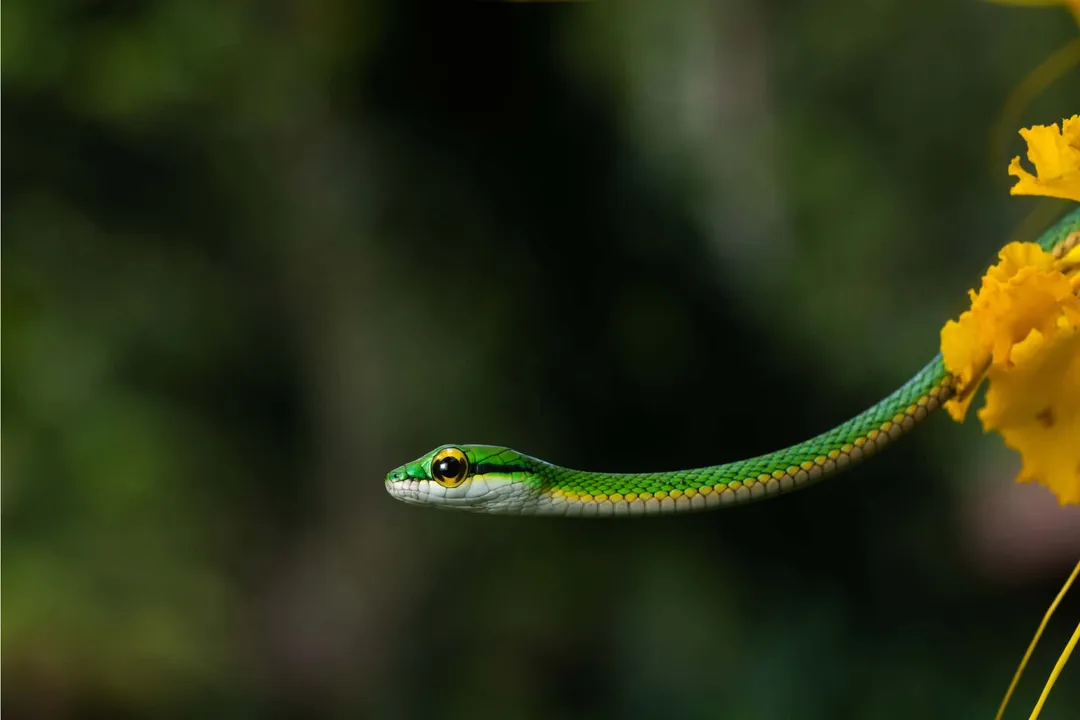
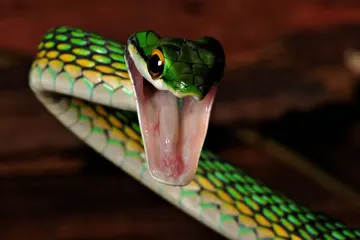
The structure relevant to the parrot snake involves specialized dentition that classifies them as rear-fanged snakes. Unlike vipers or cobras, which have large, hinged fangs located at the very front of the upper jaw capable of delivering large volumes of venom quickly, the Leptophis species have their venom delivery system situated further back in the mouth. These snakes possess modified teeth, often grooved, located toward the rear of the maxilla. When they bite, they generally need to hold onto the prey item, chewing or working the prey into this rear region to inject their venom. This means that a swift, glancing bite, common in defense, may not result in a full venom transfer, whereas a sustained grip might.
# Genus Details
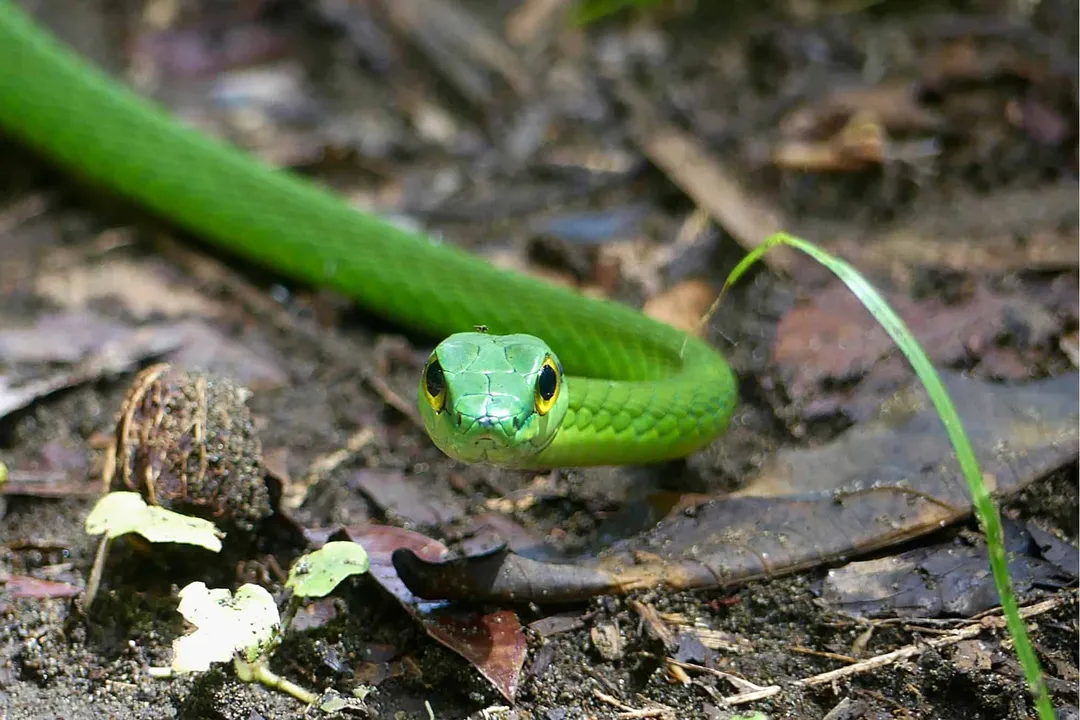
Parrot snakes belong to the genus Leptophis, a group characterized by their very slender bodies, long tails, and arboreal habits, meaning they spend much of their time climbing in trees and shrubs. While the common name "parrot snake" is used widely, different species exist across Central and South America. For example, one might encounter the Pacific Coast parrot snake, sometimes listed as L. pacificus or L. coquii in certain regions. Another related species, Leptophis cupreus, is noted in areas like Ecuador. Their coloration often mirrors their environment, ranging from bright green, which aids in camouflage among foliage, to more coppery or brownish hues depending on the subspecies or local adaptation.
# Risk Assessment
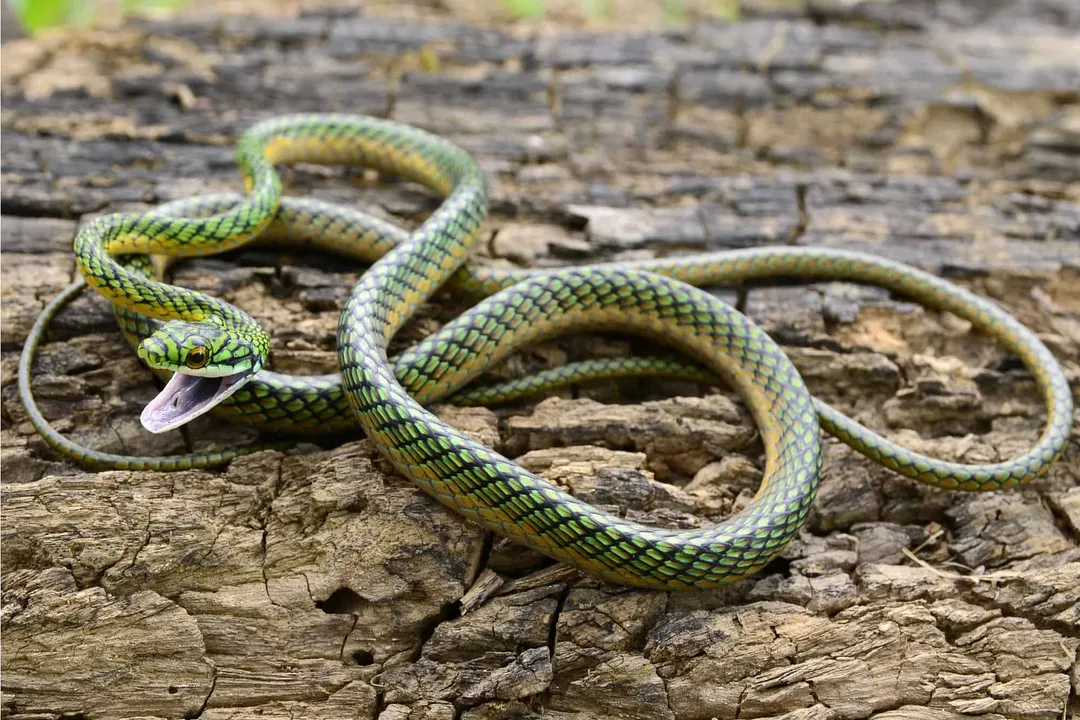
Because the parrot snake is rear-fanged, it is classified as mildly venomous. This designation is critical because it separates them from snakes that pose a significant medical threat to humans. While they do possess venom glands and the specialized structures to deliver it, the effectiveness and amount delivered during a typical encounter are usually insufficient to cause serious harm to people. Their venom is more tailored to subduing their natural diet of small ectotherms. When considering the risk, it is interesting to note that since these snakes prefer life high in the canopy or dense vegetation, the chances of an accidental encounter resulting in a defensive bite are often lower than with terrestrial, heavy-bodied species that might be stepped on or surprised on the ground. If you are observing these snakes in their native environment, maintaining a respectful distance and avoiding attempts to handle them—especially when they are actively foraging—remains the best practice, regardless of the perceived venom risk.
# Hunter Profile
The lifestyle of the parrot snake directly influences how and when it uses its mouth structures. They are typically diurnal, meaning they are active during daylight hours, which is when they actively hunt. Their diet primarily consists of lizards, tree frogs, and occasionally small birds—prey that demands speed and agility to capture. This active hunting style, combined with their slender build, requires rapid strikes, even if the venom delivery is a secondary mechanism rather than the primary dispatch tool. When observing them in the field during the day, one might note the characteristic head movements as they scan the branches; this heightened sensory awareness is key to their success as specialized arboreal predators. Furthermore, citizen scientists documenting sightings, such as those posted to local monitoring platforms, often capture images showing their remarkable ability to navigate thin branches, which contrasts sharply with heavier, ground-dwelling constrictors. If you are keen on documenting their presence in a specific region, focusing your efforts between mid-morning and late afternoon, when solar energy helps regulate their body temperature for activity, increases your observational success.
The presence of teeth, even rear-fanged ones, confirms the parrot snake’s place as a capable predator within its niche. They utilize their entire anatomy—speed, camouflage, and mildly toxic saliva—to secure meals, making them an essential part of the ecosystem's balance in the areas they inhabit. Understanding this specific dental hardware helps reclassify them away from the general "harmless" tag, placing them correctly into the category of rear-fanged snakes whose bites, while rarely concerning medically, still warrant respect and distance.
Related Questions
#Citations
Not so venomous venoms: the case of the parrot snake
Leptophis
The Slender Parrot Snake Can Grow to More Than 5 Feet ...
Parrot Snake Animal Facts - Leptophis ahaetulla
Copper Parrot-Snake (Leptophis cupreus)
Mexican parrot snake description and habitat
Pacific Coast parrot snake Facts for Kids
Parrot Snake? [Playa Del Carmen, MX] : r/whatsthissnake
Parrot Snake
Meet the slender, mildly venomous parrot snake: Facts, ...