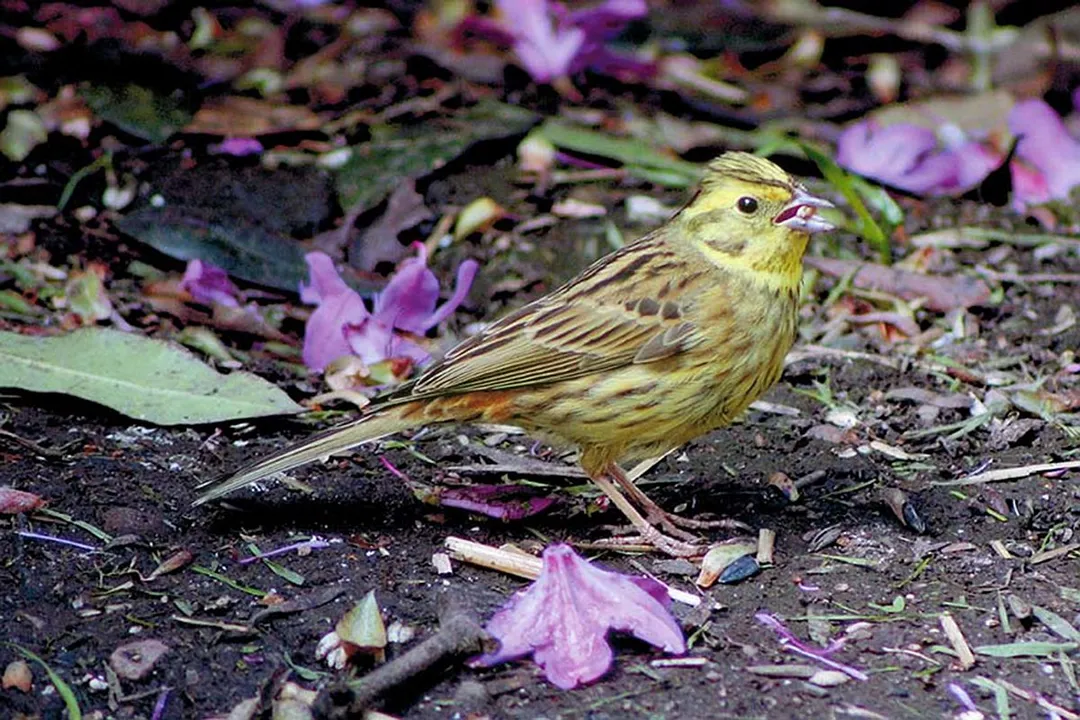
Why does the increased efficiency of pesticides lead to a plummet in Yellowhammer nesting success?
It reduces the density of weeds and insects across agricultural fields, starving altricial chicks
The widespread application of modern pesticides directly compromises the insectivorous phase of the Yellowhammer's diet, which is paramount during the breeding season. By reducing the density of weeds—which serve as habitats for insects—and directly killing invertebrates like spiders and caterpillars, pesticide use creates a severe nutritional bottleneck. If parents cannot locate sufficient high-protein food sources to feed their altricial chicks during the initial growth period, the chicks cannot develop adequately, leading to rapid failure of the nesting attempt. A landscape perceived as too 'clean' due to pesticide use directly translates to reproductive collapse.