Why does Candoia aspera exhibit a superficial resemblance to true vipers?
Answer
It is an example of convergent evolution driven by environmental pressures
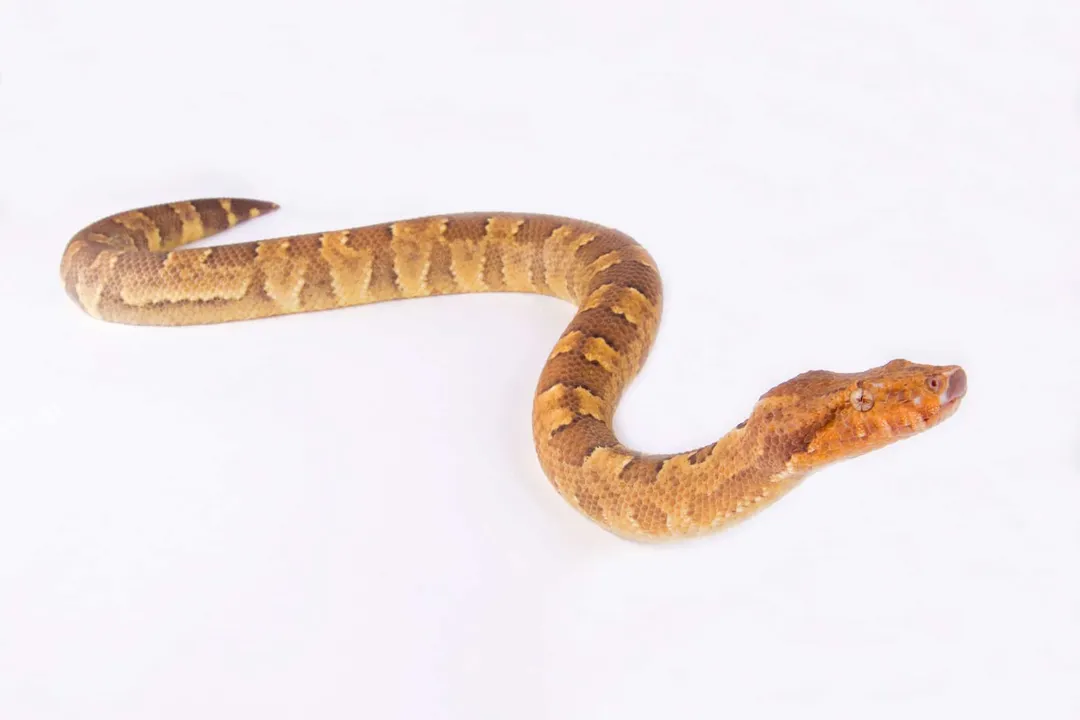
The resemblance to vipers is a result of convergent evolution, where unrelated or distantly related organisms evolve similar traits because they face comparable environmental challenges. The Viper Boa developed features like a triangular head and keeled scales to suit its habitat, which coincidentally mirror the appearance of vipers, despite the species being a non-venomous constrictor.
#Videos
Species Spotlight- Viper Boas - YouTube
MY VIPER BOA GAVE BIRTH ! - YouTube
Related Questions
To which snake family does the Viper Boa or Candoia aspera belong?Why does Candoia aspera exhibit a superficial resemblance to true vipers?In which geographical region is the Viper Boa primarily endemic?What function do the heavily keeled scales of the Viper Boa serve?What are the typical behavioral patterns of the Viper Boa?How does the pet trade influence the phenotype of captive Viper Boas?What defensive posture does a Viper Boa often adopt when threatened?How do different species within the Candoia genus avoid direct competition?Why is proper substrate and hide availability essential for captive Viper Boas?Why are many island-dwelling snake species particularly vulnerable to extinction?