Viper Boa Facts
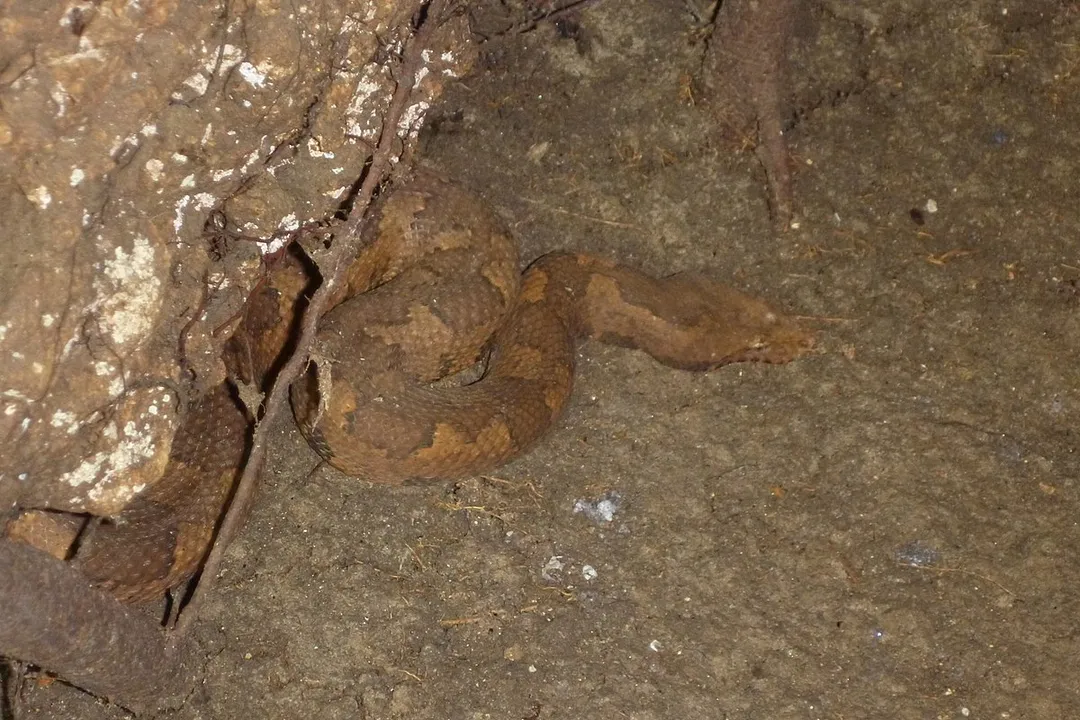
The Viper Boa, known scientifically as Candoia aspera, is a fascinating reptile that often causes confusion simply based on its common name. [1][2] Despite the moniker, which suggests a connection to the venomous vipers, this snake is entirely non-venomous. [1][5] It belongs to the family Boidae, making it a true boa, yet its appearance—particularly its distinct head shape—leads many people to mistakenly believe it possesses a dangerous bite. [3][5] These snakes are native to the islands surrounding New Guinea, inhabiting the humid, dense environments typical of tropical rainforests. [2][5] Their relatively small size and unique morphology make them an interesting subject for reptile enthusiasts, provided their specific care requirements, especially regarding humidity, are met. [8][1]
# Appearance
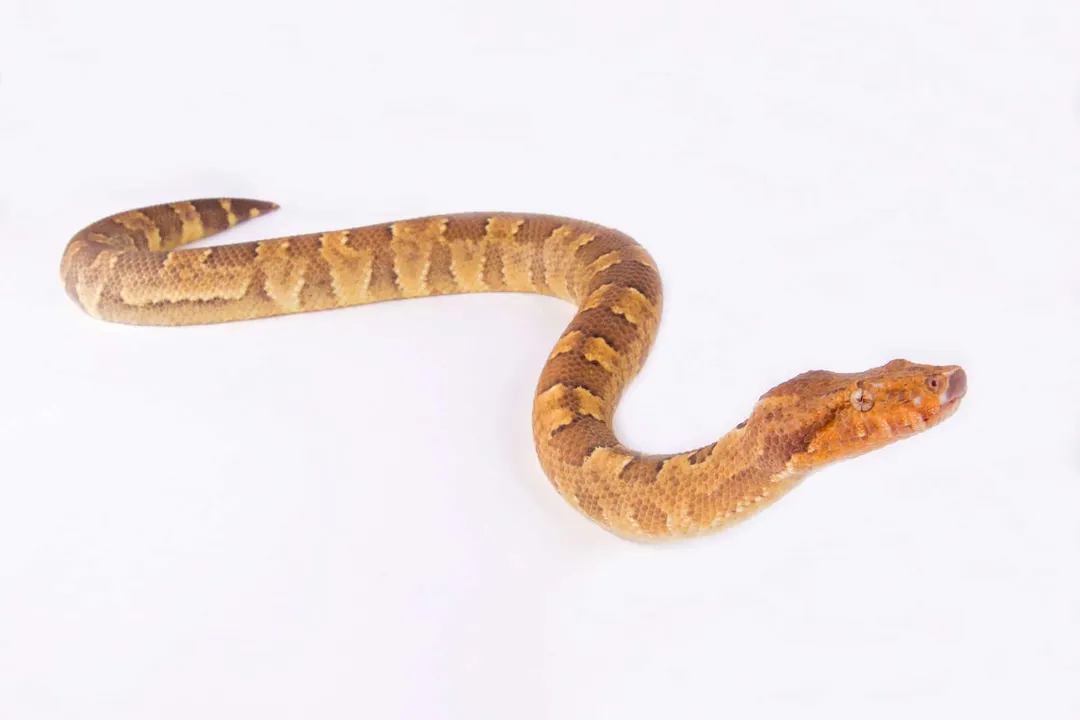
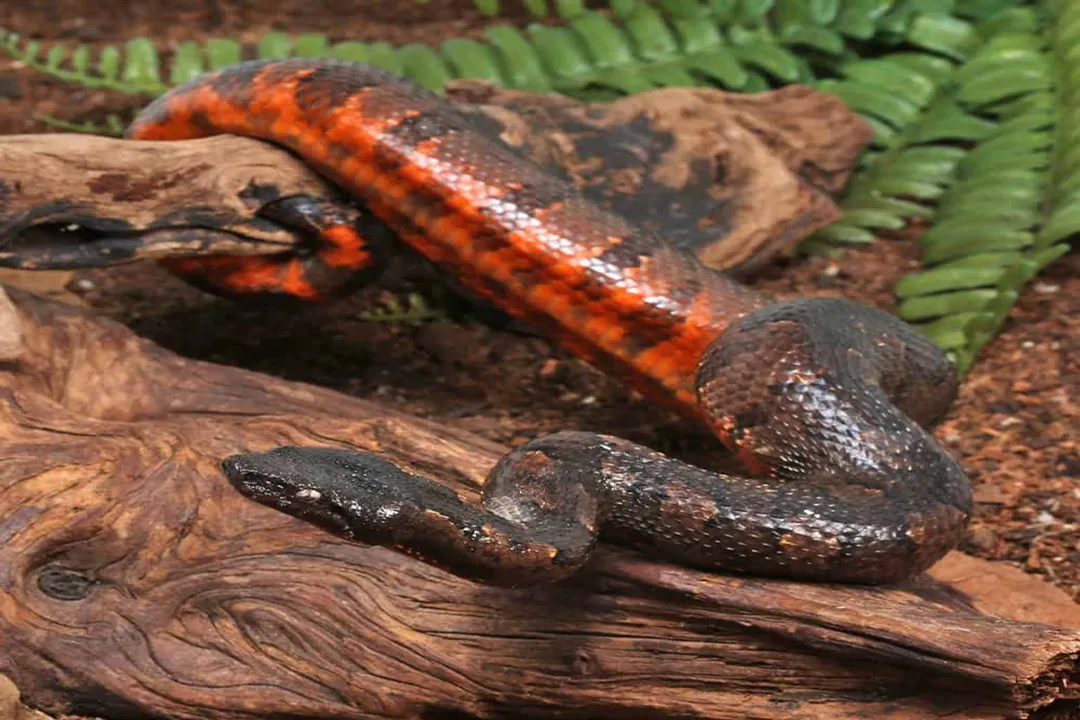
The visual presentation of the Viper Boa is quite striking and contributes heavily to its common naming. [5] They possess a head that is distinctly triangular, which is one reason for the comparison to true vipers. [1][8] However, their eyes are typically large relative to their head size, unlike the vertical pupils often associated with nocturnal vipers, though their eyes do reflect light. [5] Adults generally reach a manageable size, commonly hovering around 3 to 4 feet in length, although individuals can occasionally exceed this range. [3][5]
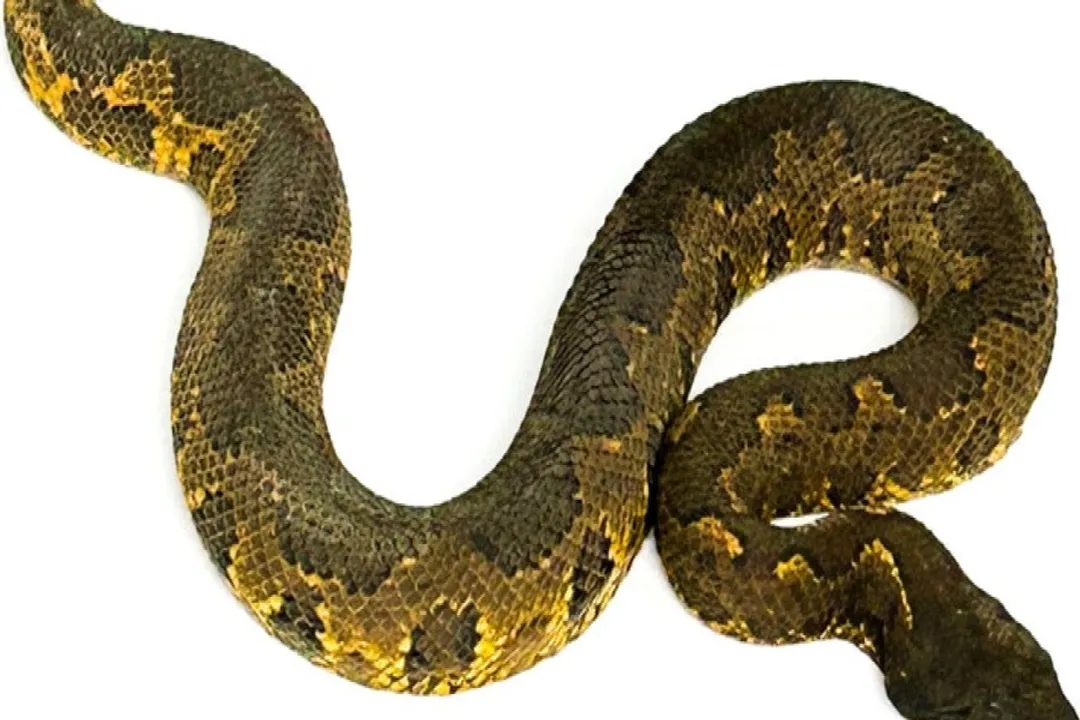
Coloration is highly variable across the species, leading to different recognized morphs. [6] A common appearance features shades of brown, gray, or black, often with patterns that help them blend into the leaf litter of their native habitat. [5] A particularly notable feature, which gives rise to the name Red-Bellied Viper Boa, is the coloration on their ventral side. [8] While dorsal colors vary, the belly can exhibit rich red or orange tones. [5][8] This contrast between the cryptic top side and the brightly colored underside is a key distinguishing characteristic for many specimens. [8] Their scales are generally smooth, which can give them a somewhat glossy look under proper lighting. [5]
# Habitat
Geographically, the Viper Boa is endemic to the Australasian region, specifically found on New Guinea and surrounding islands such as the Aru and Seram Islands. [2][5] This natural distribution dictates their required living conditions in captivity. [5] They thrive in the warm, moist air found within tropical rainforests. [1]
Ecologically, Candoia aspera exhibits a semi-arboreal tendency, meaning they spend time both on the forest floor and climbing among low branches or vegetation. [2][5] This dual lifestyle means that an appropriate captive enclosure should offer both ground space and some vertical structure. [8] While terrestrial activity dominates, their semi-arboreal nature suggests they are not strictly ground-dwelling snakes like some larger terrestrial boas. [2]
# Enclosure Setup
Caring for a Viper Boa hinges significantly on replicating the high humidity of their native New Guinea environment. [3][8] A dry setup will quickly lead to issues, most notably difficulty in shedding (dysecdysis). [1][8] A proper terrestrial enclosure, often a rack system or a glass/PVC terrarium, should be used, prioritizing floor space over extreme height. [5][8]
Humidity levels are paramount and should ideally be maintained high, often cited between 70% and 80%, sometimes higher during shedding periods. [3][8] This is best achieved through a combination of appropriate substrate and regular, targeted misting. [8] A large, shallow water dish that allows the snake to completely submerge itself is not just for drinking; it also serves as a vital tool for maintaining ambient moisture levels. [8]
The substrate choice plays a large role in humidity management. Materials like cypress mulch, coconut husk, or a peat moss/soil mix are often recommended because they hold moisture well. [8] A consideration for keepers is balancing moisture retention with airflow; overly wet substrate that remains stagnant can breed bacteria, potentially leading to scale rot. Therefore, ensuring excellent ventilation in the enclosure is necessary to prevent stagnant, overly saturated conditions, even when targeting high humidity readings. [3]
Temperature gradients must also be established. While they are generally comfortable in moderate heat, a basking spot or warm side is important for digestion and activity regulation. [8] Daytime ambient temperatures often range in the mid-to-high 70s Fahrenheit (around 24–26°C), with the warm spot allowing temperatures to reach the low 80s F (around 28°C). [3][8] Nighttime temperatures can safely drop a few degrees. [8] Providing several secure hiding places—one on the warm side and one on the cool side—is necessary to allow the snake to thermoregulate and feel secure when not actively moving between temperature zones. [8]
# Diet Habits
In the wild, the Viper Boa’s diet is primarily composed of small ectotherms. [1] They naturally prey upon small lizards and frogs found on the forest floor or in low foliage. [3][5] This natural preference for lizards often carries over into captivity, making small anoles or similar-sized feeder lizards a highly suitable food item. [3][8]
However, like many captive-bred snakes, some individuals may be hesitant to take lizards and may instead accept appropriately sized rodents, such as pinky or fuzzy mice, depending on the snake’s size. [3][8] Introducing a captive-bred snake to its diet can sometimes require patience, as they may refuse food when first moved to a new environment due to stress. [3] It is important to ensure any prey item is appropriately sized—not so large as to cause regurgitation or injury—and never offer live prey if the keeper is not present to supervise, though some keepers strongly prefer live prey for species that naturally target moving lizards. [8] Monitoring the snake's weight and activity level is the best indicator of successful feeding.
# Breeding Facts
One of the most significant biological distinctions between the Viper Boa and many other popular boa species, such as the Boa constrictor, is its reproductive method. [2] While many well-known boas are viviparous (live-bearing), Candoia aspera is oviparous, meaning the females lay eggs. [2][6] This places them in a unique category among snakes commonly kept as pets that share the "boa" name. [2]
When successful breeding occurs, the female will deposit a clutch of eggs, which require specific incubation temperatures and consistent humidity to hatch successfully. [6] The attention to humidity required for shedding also applies to egg incubation, as improper moisture levels can lead to dehydration or mold growth on the eggs. [7] Understanding this fundamental reproductive difference is vital for any keeper considering breeding projects, as the husbandry required for incubating eggs is distinct from caring for live young. [6] The spectrum of color morphs also extends into their young, meaning egg clutches can sometimes yield surprisingly varied offspring, adding another layer of interest for dedicated breeders. [6]
Related Questions
#Citations
Viper Boa Animal Facts - Candoia aspera
Candoia aspera
Viper Boa Care Sheet
Viper boa care and characteristics
Viper Boa Facts & Photos
Viper Boa Morphs: Facts, Breeding, Care — Animallearns
New Guinea Ground/Viper Boa (Candoia aspera)
Red belly viper boa (Candoia aspera) care guide
Care Guide: Boas: Viper Boas